
Film
The War on Democracy
John Pilger's urgent documentary traces decades of US intervention in Latin America—coups, assassinations, corporate exploitation—using declassified documents, archive footage, and testimony from those who lived it. It's a methodical, damning investigation into how democracy gets dismantled behind closed doors. Essential viewing for understanding modern geopolitics, though Pilger's perspective is unambiguous.
Should you watch it?
Watch it if you want a hard-edged argument built from archive footage and firsthand testimony, the kind of documentary that treats official history as a case to be cross-examined, and you don't mind it being openly partisan.
Skip it if you want even-handed context or a film that lets opposing voices push back; this is a prosecutor's brief, and its certainty can wear thin over ninety-six minutes.
What it asks of you: Expect long stretches of talking heads and archive footage, delivered at a steady, insistent pace with little levity; you sit through argument rather than being carried by plot.
Not sure? Find tonight's pick in a minute.
If you liked this
The Revolution Will Not Be Televised2003
Venezuelan directors captured the 2002 coup attempt against Chávez in real time. It's a raw, visceral counterpoint to Pilger's broader analysis—you watch it happen rather than hear it explained, which is electrifying and occasionally chaotic.
But The handheld camera work and pacing can feel scattered, and it requires knowing at least the basics of Venezuelan politics to follow the urgency.
A Crude Awakening2006
Documents how oil wealth destabilizes nations and creates dependency on US support. Directly explains the economic motivation behind many of the interventions Pilger details, making the machinery of exploitation concrete rather than abstract.
But Older data visualization and graphics haven't aged well; the film can feel dated despite its arguments remaining relevant.
Bitter Lake2015
Adam Curtis traces Western interventions in Afghanistan and the Middle East through declassified documents, interviews, and archive footage in his hypnotic style. Similar investigative DNA to Pilger but a different region and an even more labyrinthine argument.
But Curtis's editing and pacing are deliberately disorienting; the film asks you to sit with ambiguity rather than offering clear conclusions.
Not sure tonight? Get a pick in a minute, starting from The War on Democracy
The wildcard
Something you would not have found on your own.
Z1969
Both examine how coups are orchestrated through institutional capture and media control, but Z shows it through the perspective of those being silenced, whereas Pilger shows it through declassified evidence. Complementary angles on the same machinery.
Costa-Gavras's masterpiece about a military coup in an unnamed country (Greece, 1967). Shot as a thriller with Yves Montand as a murdered dissident, it dramatizes the mechanisms of state violence and coverup that Pilger documents factually. The tension is unbearable.
But A 1969 French film with subtitles; feels dated visually, and the political allegory requires historical knowledge to fully land.
More like this (2)
Come and See1985
Pilger's film deals with the consequences of great-power decision-making at a distance. Come and See shows what those consequences look like from the ground, through one consciousness. Pilger asks 'what did they do?' Come and See asks 'what did it cost?'
Elem Klimov's devastating Soviet film about a boy conscripted into WWII follows him through atrocity until his soul hardens. It's not about democracy or intervention, but about what war actually does to a human being—the moral weight behind the abstractions in Pilger's arguments.
But Extremely graphic and relentless; it's an endurance test designed to break you, not entertain you. Not a film you 'enjoy' in any conventional sense.

A Prophet2009
Both examine how institutions survive by rewarding loyalty and punishing resistance, but Audiard explores it through one character's choices while Pilger traces it through geopolitical systems. The structure of complicity is the same whether it's a prison or a nation.
Jacques Audiard's prison drama about a young man who rises through violence and manipulation within a corrupt system. It's a character study about how power corrupts incrementally, using the microcosm of a prison to explore larger themes about institutional control and complicity.
But It's a crime drama about personal survival, not political documentary—oblique and emotionally demanding. You have to accept the allegory rather than being told it.

People
Cast
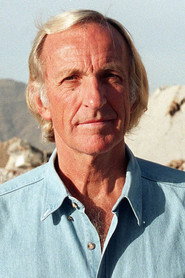 John PilgerSelf
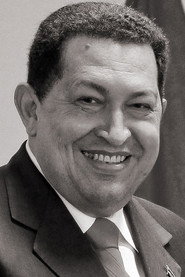 Hugo ChávezSelf
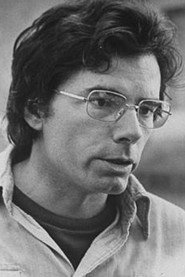 Philip AgeeSelf
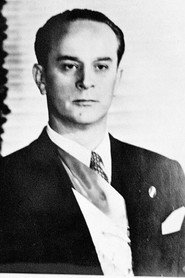 Jacobo ÁrbenzSelf - President of Guatemala (archive footage)
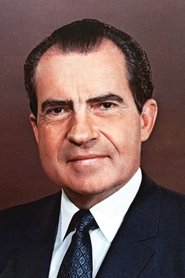 Richard NixonSelf (archive footage)
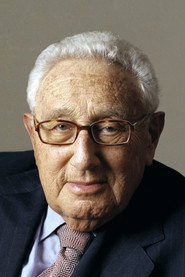 Henry KissingerSelf (archive footage)
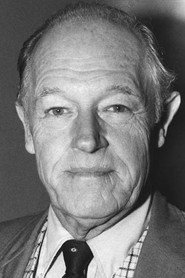 E. Howard HuntSelf (archive footage)
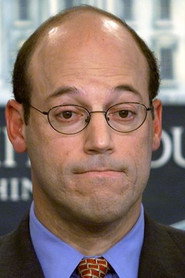 Ari FleischerSelf (archive footage)
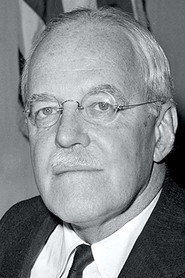 Allen DullesSelf (archive footage)
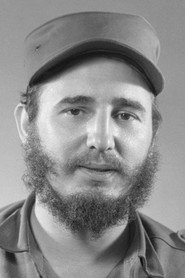 Fidel CastroSelf (archive footage)
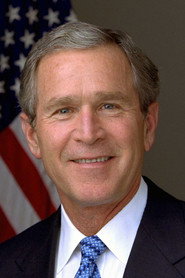 George W. BushSelf (archive footage)
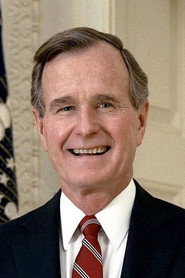 George H. W. BushSelf (archive footage)
Directing
- Chris MartinDirector
- John PilgerDirector
- Sean CrottyDirector
Writing
- John PilgerWriter
Production
- Wayne YoungProducer
Recommended by
Shadow World, Where Soldiers Come From, The Secret Government: The Constitution in Crisis