
Film
Shadow World
- White-collar crime
- Very dark
Shadow World is a meticulously researched documentary that exposes the hidden architecture of the global arms trade—how weapons dealers, corrupt politicians, and defense contractors have orchestrated conflicts for profit since the 1900s. It's methodical and deeply unsettling, built on interviews with journalists, prosecutors, and industry insiders. For anyone who wants to understand how the world actually works beneath the rhetoric.
Should you watch it?
Watch it if you want a patient, documentary-style map of how money and influence move behind weapons deals, and you're happy to follow a dense web of named people and companies.
Skip it if you need a single protagonist or a narrative arc, since this is an argument built from talking heads that rarely lets up on its case.
What it asks of you: Ninety-four minutes of interviews and archive at a steady, measured pace, with little relief from the mood and your full attention needed to track who is connected to whom.
Not sure? Find tonight's pick in a minute.
If you liked this
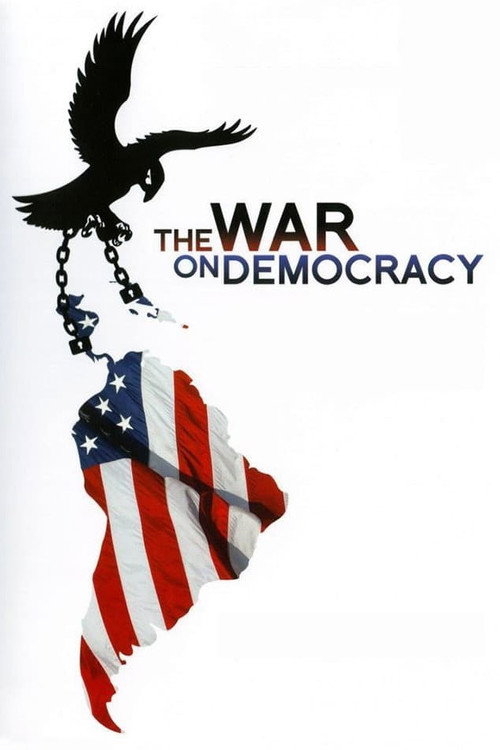
The War on Democracy2007
Another Pilger documentary that traces US intervention in Latin America, revealing how geopolitical interests override stated principles. Same unflinching approach to power's hidden mechanics.
But Pilger's narration style is stern and unvarying; the scope is exhausting rather than gripping.
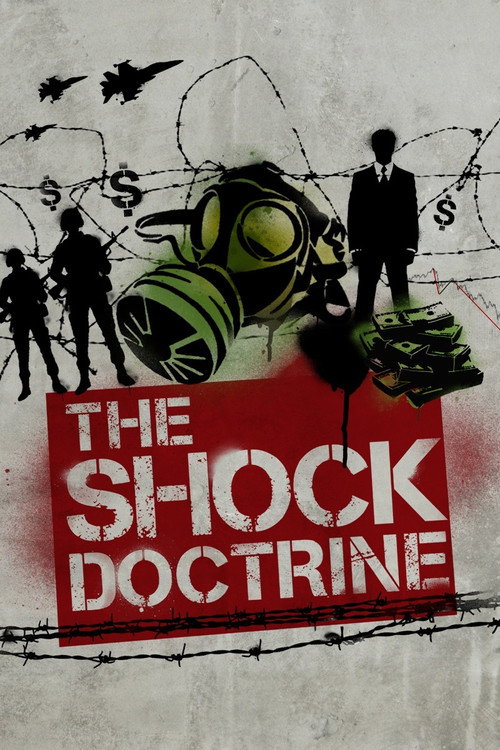
The Shock Doctrine2009
Naomi Klein's documentary on disaster capitalism—how wars and crises are leveraged for profit. Structurally similar exposé of how chaos serves economic interests, presented with clearer narrative momentum.
But Dense with overlapping case studies that can feel repetitive by the second hour.
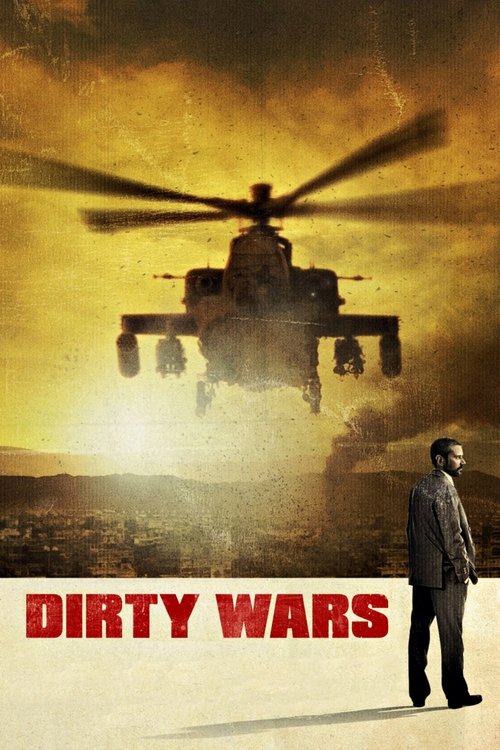
Dirty Wars2013
Jeremy Scahill investigates US covert military operations worldwide, following the money and the bodies. Same obsession with tracing hidden networks, but with more personal stakes and immediate danger.
But The handheld investigation style is grittier and less polished; some viewers find it dispersed rather than unified.
Not sure tonight? Get a pick in a minute, starting from Shadow World
The wildcard
Something you would not have found on your own.
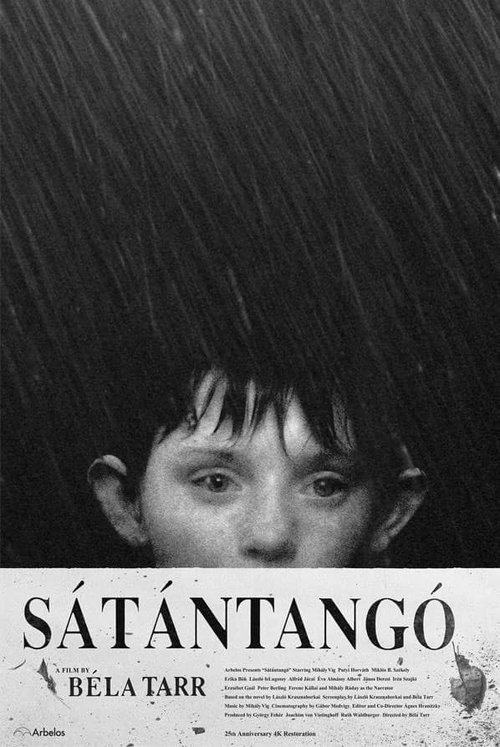
Satantango1994
Both examine how institutional power corrupts human relationships and trust from the inside, but Sátántangó shows the psychological texture of living within that corruption rather than mapping its mechanisms from outside.
A seven-and-a-half-hour Hungarian film about a community in collapse after the fall of communism, where corruption, desperation, and self-deception metastasize through every interaction. The same DNA: how systems fail their people while authority figures prey on hope.
But Shot in black and white, barely moving the camera, with long silences. Watching it requires surrendering to slowness and ambiguity.
More like this (6)
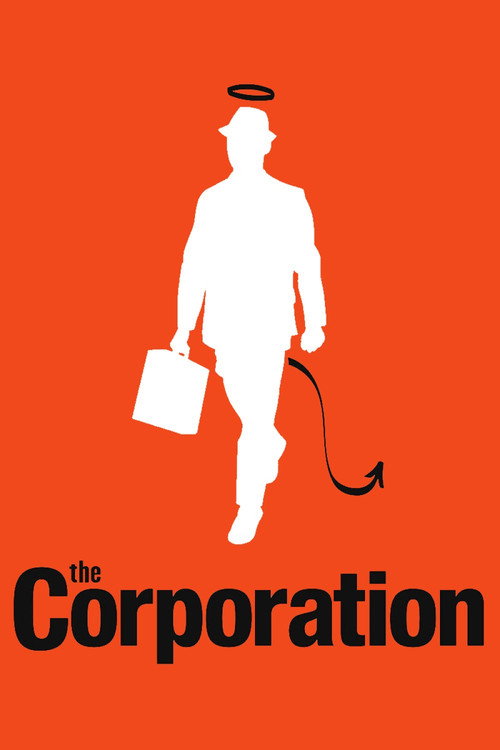
The Corporation2003
Examines how corporate logic—profit above all—shapes policy and conflict globally. Methodical, forensic deconstruction of incentive structures, with a roster of talking-head experts like Shadow World.
But Twenty years old now, and the examples feel dated; the pacing is academic and slow.
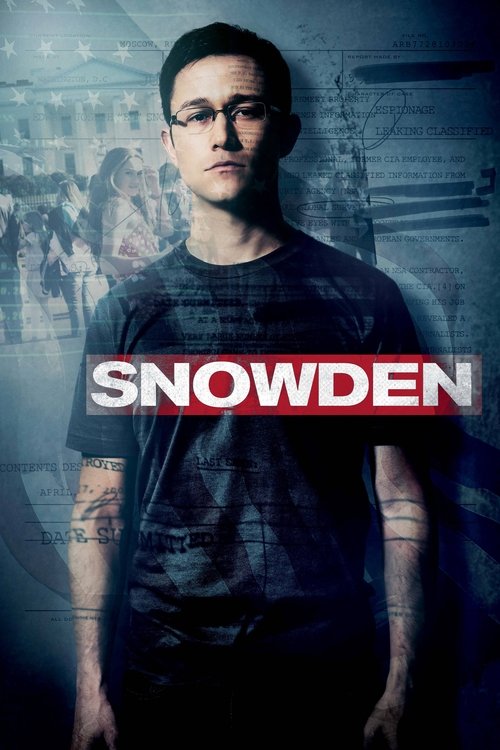
Snowden2016
Stone's dramatization of surveillance state architecture runs parallel to Shadow World's investigation of hidden power. Both ask how institutions operate beyond democratic oversight.
But A thriller, not a documentary—the compression for narrative sometimes simplifies complex truths into heroes and villains.
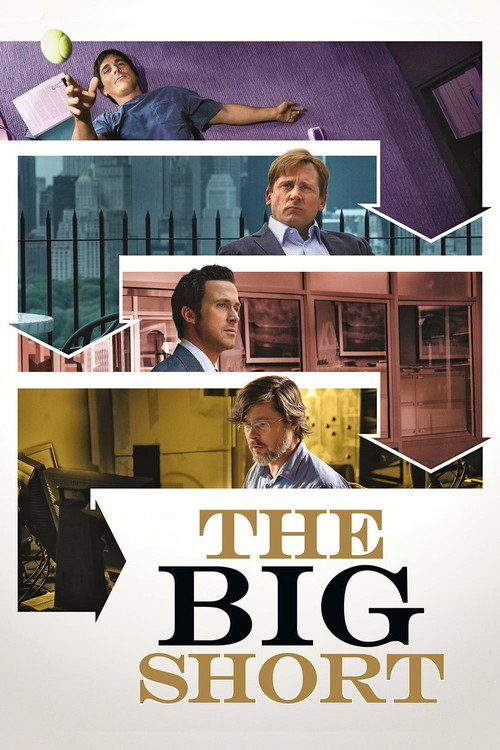
The Big Short2015
McKay's film decodes financial corruption with dark humor and visual invention, showing how systems designed to serve actually extract. Same anger at hidden crimes dressed in bureaucracy.
But The stylistic flourishes—meta asides, quick cuts—feel designed to make the subject entertaining, which some find trivializing.
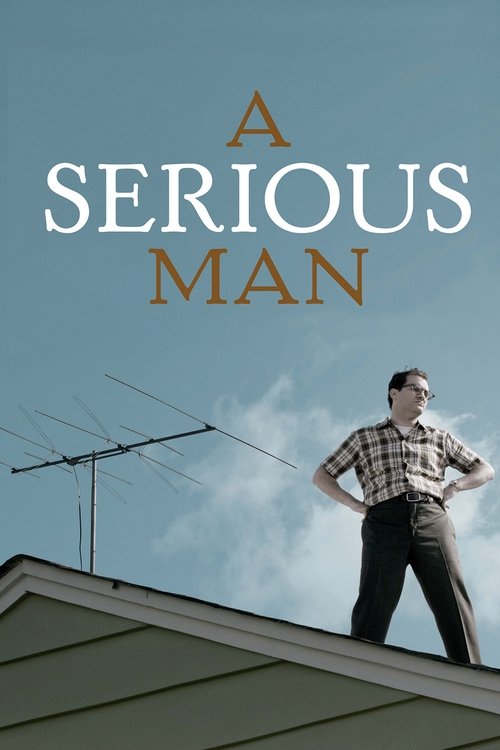
A Serious Man2009
The Coens' portrait of a man destroyed by systems he cannot comprehend or escape. A quieter meditation on how power operates invisibly through institutions.
But Deliberately oblique and tragicomic; viewers wanting clarity or outrage will find it frustrating and bleak.
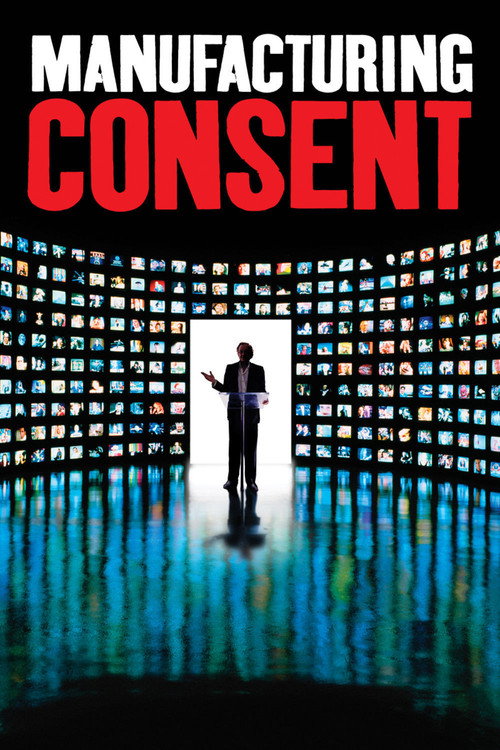
Manufacturing Consent: Noam Chomsky and the Media1992
Chomsky's analysis of how media and state serve corporate interests in lockstep. Foundational text on institutional propaganda that precedes and informs Shadow World's argument.
But Three decades old; the examples are dated and the presentation is conversational rather than visually engaging.
The Godfather Part II1974
Shadow World documents the real machinery that The Godfather Part II allegorizes—the point at which business, politics, and violence become indistinguishable.
Coppola parallels the rise of the Corleone crime empire with American expansion in Cuba, suggesting the difference between organized crime and organized state violence is only a matter of scale and legitimacy. Capitalism and corruption as the same machine in different clothes.
But It's entertainment first and argument second; the thesis is woven into narrative, not stated directly. You have to extract it.

People
Cast
 Andrew FeinsteinSelf - Arms Industry Expert
 David LeighSelf - Journalist
- Helen GarlickSelf - British Prosecutor
- Riccardo PriviteraSelf - Arms Dealer
- Pierre SpreySelf - Former Defense Analyst
 Vijay PrashadSelf - Journalist
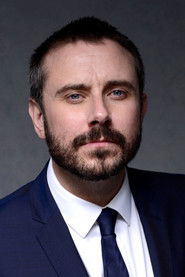 Jeremy ScahillSelf - Investigative Journalist
- Marta BenavidesSelf - Peace Activist
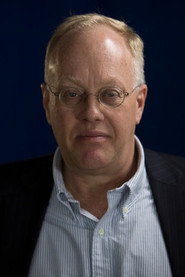 Chris HedgesSelf - Journalist
- James Der DerianSelf - Political Scientist
- Michael HardtSelf - Political Philosopher
- Franklin C. SpinneySelf - Former Military Analyst
Directing
- Sarah d'HanensAssistant Director
- Johan GrimonprezDirector
Writing
- Andrew FeinsteinBook
- Andrew FeinsteinScreenstory
- Johan GrimonprezScreenstory
- Andrew FeinsteinWriter
- Eduardo GaleanoWriter
- Johan GrimonprezWriter
Production
- Burton RitchieAssociate Producer
- David MenschelCo-Executive Producer
- Donald RubinCo-Executive Producer
- Jodie EvansCo-Executive Producer
- Matthew PalevskyCo-Executive Producer
- Michael J. ZakCo-Executive Producer
- Susan RockefellerCo-Executive Producer
- Emmy OostCo-Producer
- Signe Byrge SørensenCo-Producer
- Jakob Kirstein HøgelConsulting Producer
- Abigail DisneyExecutive Producer
- Danny GloverExecutive Producer
- Driss BenyaklefExecutive Producer
- Sally Jo FiferExecutive Producer
- Wilbur LeguebeExecutive Producer
- Anadil HossainProducer
- Joslyn BarnesProducer
- Josie ChaiProduction Coordinator
- Ashish SehgalProduction Manager
- Geraldine SchubertProduction Manager
- Maria KristensenProduction Manager
- Pulkit DattaProduction Manager
- Paul HoldenResearcher