
Film
The Revolution Will Not Be Televised
A 74-minute documentary that captures the Venezuelan coup d'état of April 2002 from inside the presidential palace. Two Irish filmmakers were there when Hugo Chávez was forcibly removed from power, creating an intimate, chaotic record of a nation in crisis. It's gripping, politically charged, and impossible to look away from—essential viewing for anyone interested in power, resistance, and how quickly order can collapse.
If you liked this
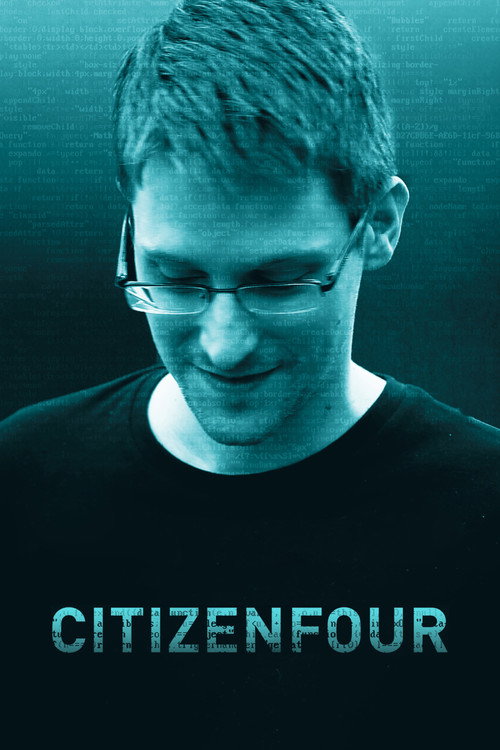
Citizenfour2014
Laura Poitras follows Edward Snowden through the NSA leak crisis with the same intimate access you get here. It's about a single person trying to expose institutional power while the machinery grinds around them. Urgency and moral clarity in real time.
But Long stretches are just talking in hotel rooms. If you need constant action or dramatic music cues, the pacing will test you.
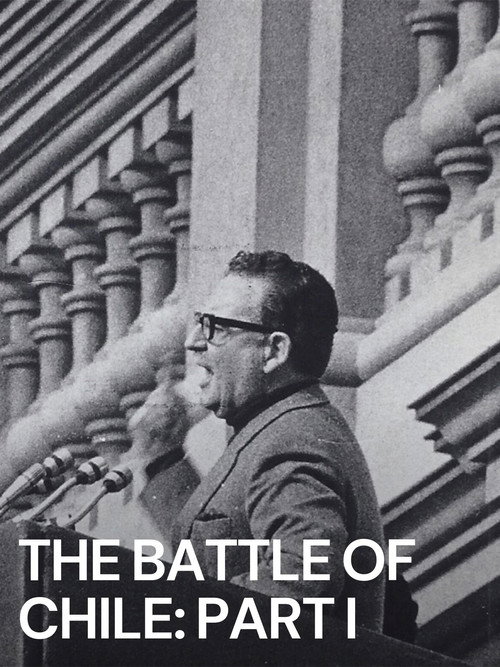
The Battle of Chile: Part I1975
Patricio Guzmán's three-part epic captures the 1973 Chilean coup from the ground level, with the same raw, you-are-there energy. It's a structural ancestor of what the Irish filmmakers achieved—cinema as witness to history breaking.
But Deliberately paced, grainy 16mm footage, and demands patience. Not a thriller; it's a document designed to be studied, not consumed quickly.
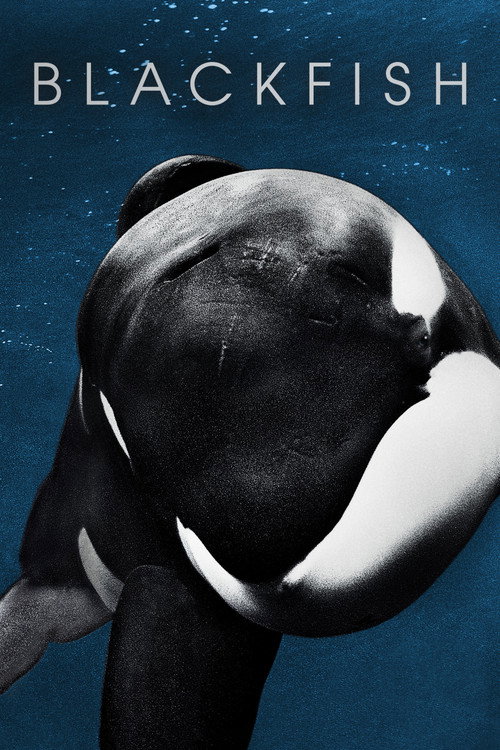
Blackfish2013
Gabriela Cowperthwaite builds her case against SeaWorld through archives and testimony, but the real power is watching institutions gaslight the public in real time. Same sense of embedded injustice slowly revealed.
But If you've already settled your opinion on marine parks, this feels didactic rather than investigative. Emotionally heavy throughout.
Not sure tonight? Get a pick in a minute, starting from The Revolution Will Not Be Televised
The wildcard
Something you would not have found on your own.
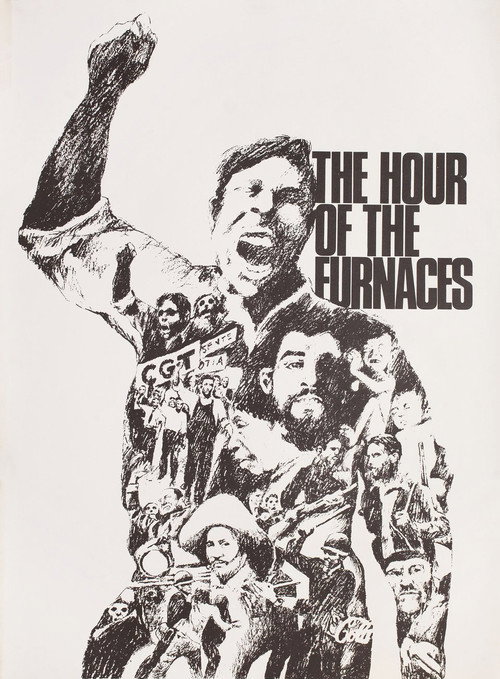
The Hour of the Furnaces1968
Both films treat documentation as an act of resistance against institutional power. Both argue that bearing witness is itself a political act. Both were made by filmmakers who put themselves at real risk.
Octavio Getino and Fernando Solanas made this banned Argentine film as an act of political resistance itself—three hours of manifesto, archive, and testimony about imperialism and liberation. It's what happens when documentary becomes revolution.
But Structurally demanding, in Spanish, explicitly propagandistic, and designed to provoke argument rather than entertain. Tests your patience and your politics.
More like this (6)
The Act of Killing2012
Joshua Oppenheimer films Indonesian death squad leaders reenacting their own atrocities. It's a completely different approach to documenting political violence—surreal, almost unbearable, but essential.
But Extremely disturbing. The filmmaking is deliberately estranging and strange. Not a comfortable watch under any circumstance.

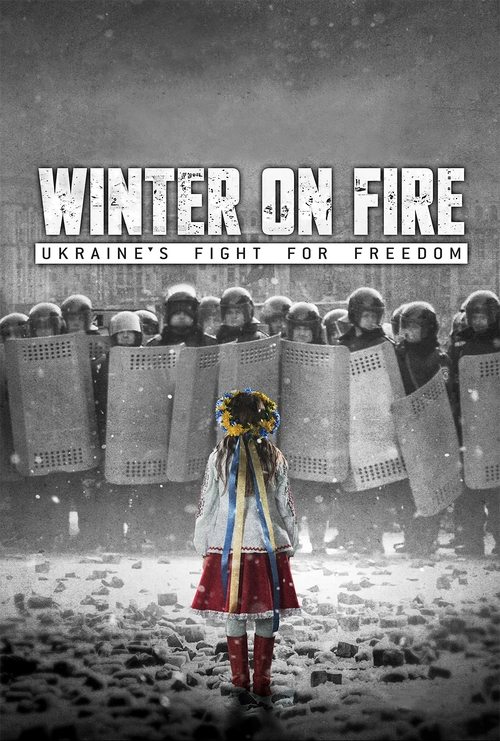
Winter on Fire: Ukraine's Fight for Freedom2015
Follows the 2013-14 Euromaidan uprising with visceral street-level footage. Same sense of a nation pivoting on a few days, same moral stakes, contemporary enough to feel urgent.
But Clearly partisan. If you want ambiguity or complexity about the conflict's origins, you won't find it here.
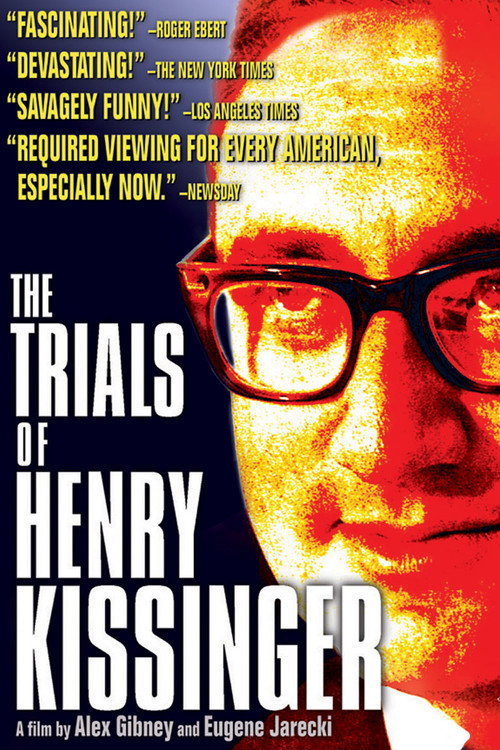
The Trials of Henry Kissinger2002
Released the same year as *Revolution*, this documentary examines American interference in Chile and East Timor. It's the foreign policy context for why coups like Venezuela's mattered internationally.
But Narrowly focused argument film, not a narrative. Relies on talking heads and archival material. Can feel like a trial brief rather than cinema.
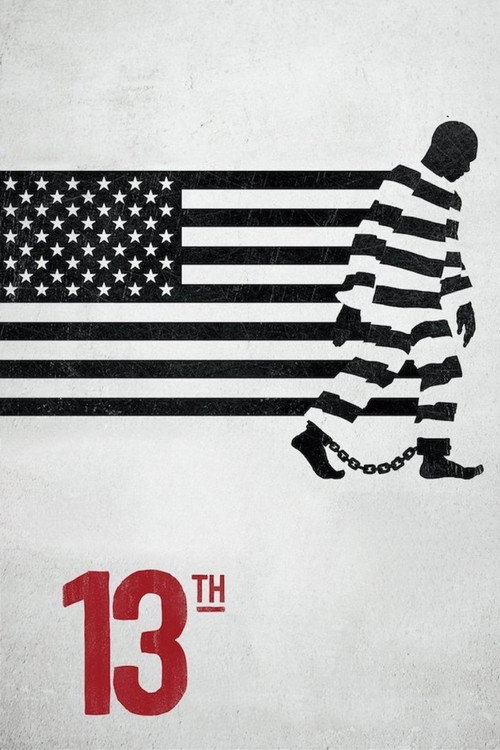
13th2016
Ava DuVernay traces systemic oppression through American history using archival footage, interviews, and a clear through-line. It shares this film's conviction that institutions reveal themselves when pressure is applied.
But Focuses on US racial justice; if you want global perspective, you're looking elsewhere. Some find it didactic rather than exploratory.
Pump2014
Director Josh Tickell examines the fossil fuel industry with embedded reporting and personal testimony. It's about systems of power resisting change—the mirror image of what Chávez tried to do.
But Environmental docs can feel repetitive and earnest. This one's no exception. If you've seen the argument before, it doesn't break new ground.

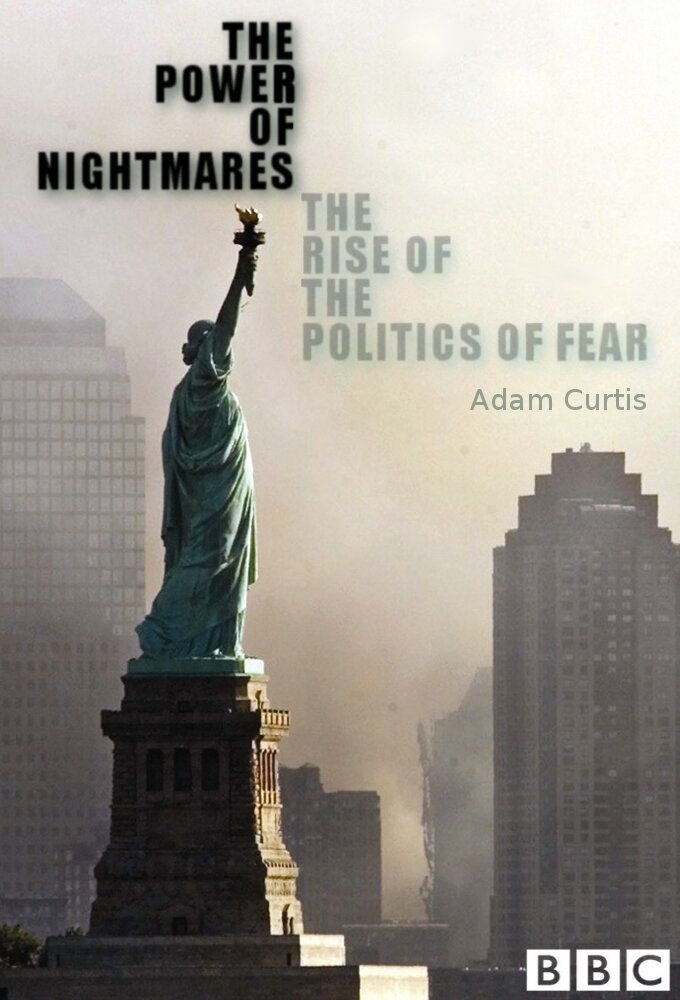
The Power of Nightmares: The Rise of the Politics of Fear2004
Both films argue that institutions use crisis and chaos to consolidate power. One shows it happening in real time; Curtis explains the machinery underneath that makes it work.
Adam Curtis examines how political fear gets manufactured and deployed. It makes the intellectual case for what *Revolution* shows viscerally—that power operates through narratives about danger and disorder.
But Three hours of Curtis's distinctive essayistic style, dense with archive and digression. Not a narrative; it's a long argument that demands active attention.
People
Cast
Directing
- Donnacha O'BriainDirector
- Kim BartleyDirector
Production
- David PowerProducer
Recommended by
The Panama Deception, The War on Democracy, Nicaragua: No Pasaran, The Hour of the Furnaces