
Film
Nicaragua: No Pasaran
A 1984 documentary following Sandinista leader Tomás Borge as the newly revolutionary Nicaraguan government faces CIA-backed counterinsurgency. Shot in the thick of it, this is urgent, intimate filmmaking about a pivotal Cold War moment—essential for understanding Central American history and how revolution survives external pressure.
If you liked this
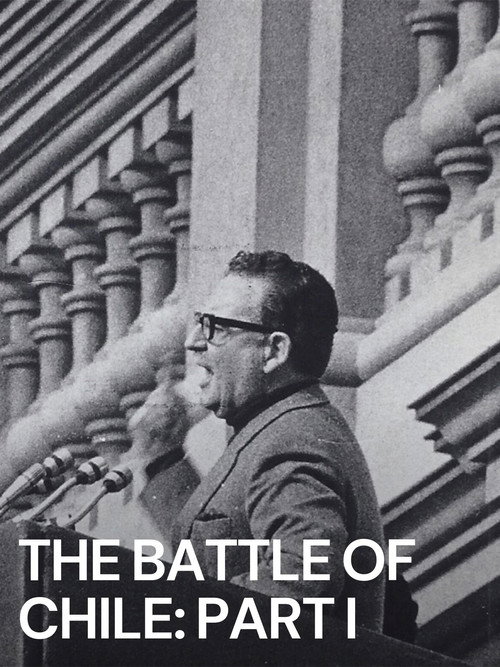
The Battle of Chile: Part I1975
Patricio Guzmán's masterwork documents Chile's democratic socialism and its violent overthrow. Like *No Pasarán*, it's on-the-ground witness to revolution's fragility, made with the same urgent commitment to historical testimony.
But It's long (nearly four hours across three parts), politically unambiguous, and can feel heavy with the weight of what it documents. Some find Guzmán's perspective absolute rather than questioning.
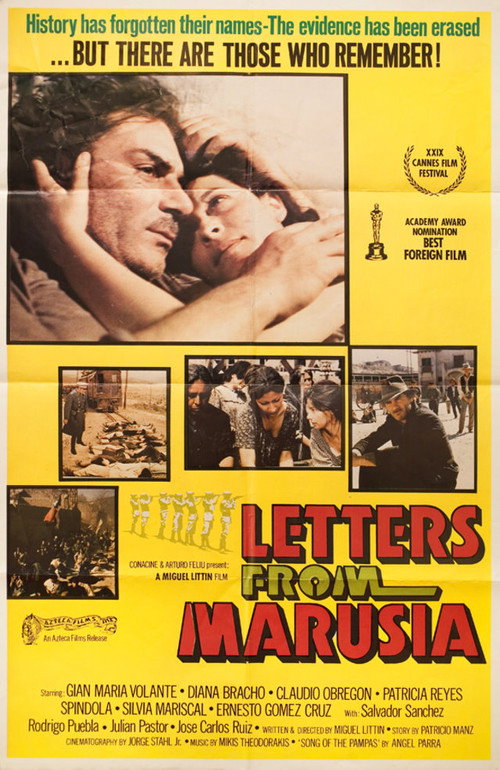
Letters from Marusia1975
Miguel Littín's Chilean film about a mining town's resistance during dictatorship captures the same spirit of ordinary people resisting state power. It's narrative rather than documentary, but carries equal moral urgency and political clarity.
But The story is deliberately slow, austere. It prioritizes mood and community over plot momentum. Some viewers find it more meditative than dramatically gripping.
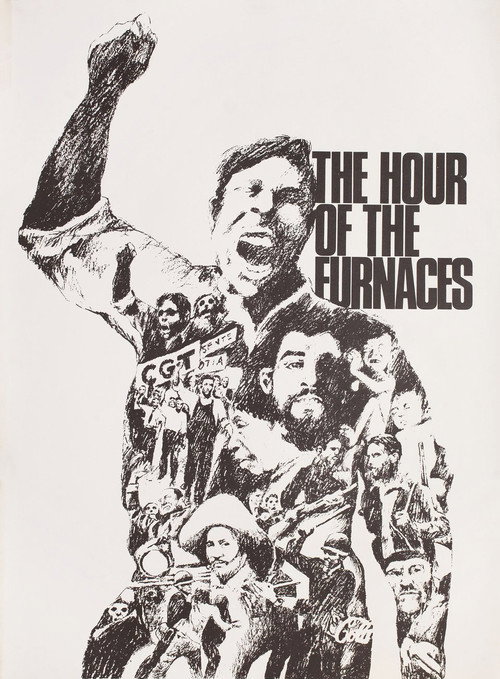
The Hour of the Furnaces1968
Octavio Getino and Fernando Solanas made this in underground resistance to Argentine dictatorship. Nearly four hours of radical cinema designed to provoke action, it's a spiritual ancestor to *No Pasarán*'s uncompromising witness.
But It's formally avant-garde and agitprop—deliberately difficult viewing meant to agitate rather than comfort. Some find the didactic tone exhausting rather than energizing.
Not sure tonight? Get a pick in a minute, starting from Nicaragua: No Pasaran
The wildcard
Something you would not have found on your own.
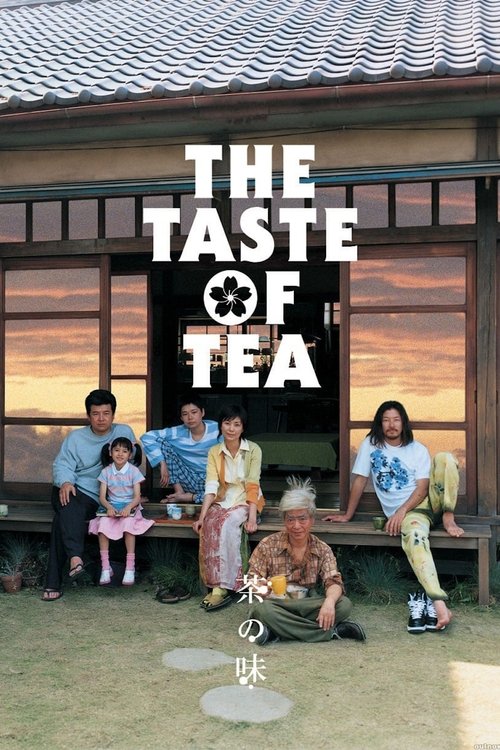
The Taste of Tea2004
Both are films about power and survival working through intimate human detail rather than grand pronouncements. *No Pasarán* shows how people endure revolution; *The Taste of Tea* shows how they endure the everyday. The observational method is the point.
Ishii Katsuhito's Japanese family dramedy seems entirely unrelated to *No Pasarán*, but it shares the documentary impulse: intimate, attentive observation of how people actually live and speak within structures larger than themselves. It's proof that the observational intensity Borge's film achieves isn't exclusive to revolutionary struggle.
But It's a lighthearted, digressive narrative comedy about modern Japanese family life. Tonally it's the opposite of political emergency. The connection requires you to think about *form* rather than *content*, which isn't for everyone.
More like this (3)
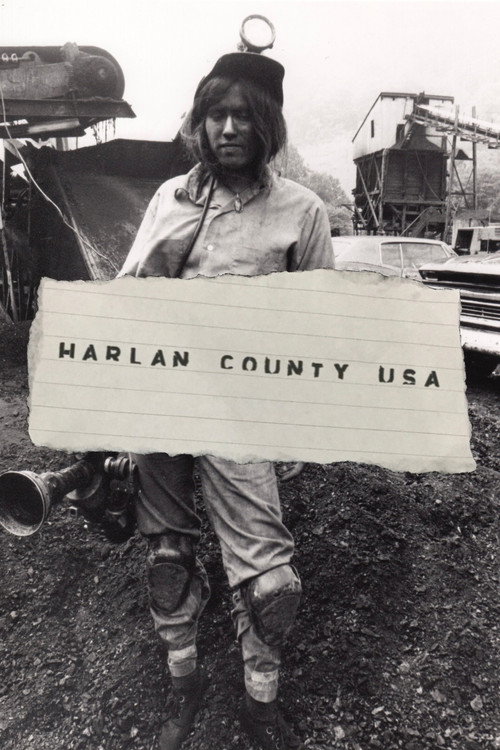
Harlan County U.S.A.1976
Barbara Kopple's documentary of a Kentucky coal miners' strike has the same embedded, intimate access and moral stakes as *No Pasarán*. It's about ordinary people fighting for survival against organized power.
But It's more geographically and culturally specific to American labor than to revolutionary politics, so the thematic connection, while real, isn't immediate.
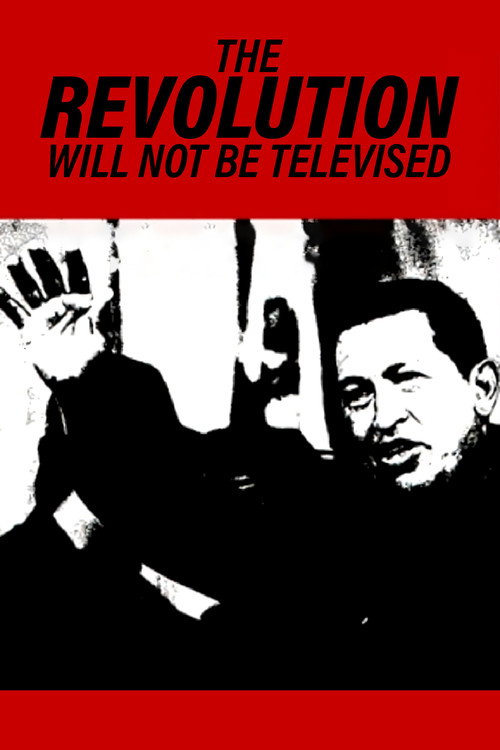
The Revolution Will Not Be Televised2003
Irish filmmakers document the 2002 Venezuelan coup attempt from inside the Miraflores Palace. It captures revolution under siege in real-time, with the same raw documentary access to leadership during existential threat.
But The handheld footage is sometimes chaotic and perspective-limited. Some find it partisan beyond what they expect from documentary. It's also recent enough that conclusions feel provisional.
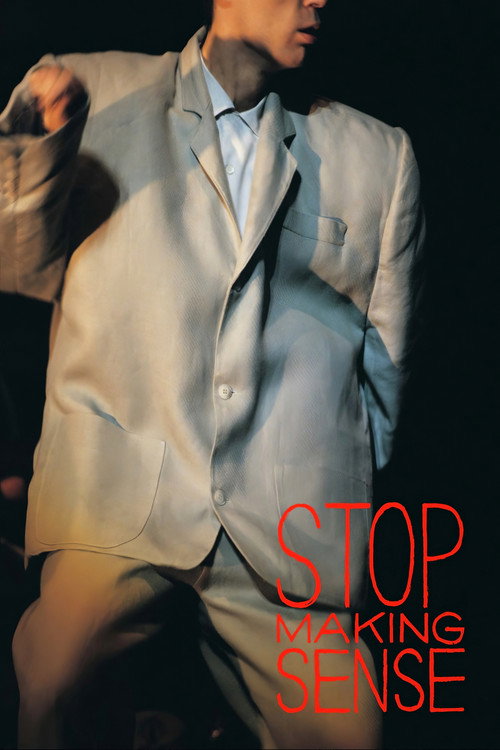
Stop Making Sense1984
Jonathan Demme's concert film about Talking Heads came out the same year as *No Pasarán*. It's documentary, political in sensibility, captures collective energy and the texture of a moment through immersive filmmaking.
But It's entertainment rather than witness to atrocity, which makes recommending it alongside *No Pasarán* feel tonally wrong. They're not equivalents, just unexpected siblings.
People
Directing
- David BradburyDirector