
Film
Letters from Marusia
- Drama
- Very dark
A 1975 Chilean film about nitrate miners confronting corporate exploitation and state violence in a small desert town. Spare and angry, it chronicles a community's struggle for dignity as repression closes in. Essential for anyone interested in cinema's political conscience or Latin American history told through working lives rather than heroic speeches.
If you liked this
The Battle of Algiers1966
Gillo Pontecorvo's masterpiece about colonial resistance uses documentary realism and moral complexity to make you feel the weight of occupation and the terrible choices it forces. Foundational for political cinema.
But It's formally austere and doesn't offer comfortable catharsis. The violence is neither glorified nor flinched from, which some find difficult.

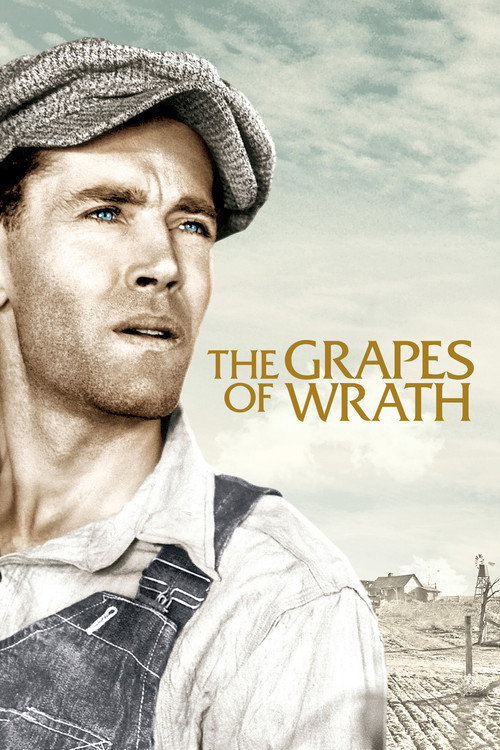
The Grapes of Wrath1940
Ford's adaptation of Steinbeck captures the same dignity-in-destitution that animates Marusia. A family dispossessed by economic collapse, trying to hold onto personhood while the system treats them as disposable labor.
But It's very of its era—the pacing is deliberate and the emotional beats are laid on thickly by modern standards. Some scenes feel staged.
Kes1970
Ken Loach's film about a working-class boy in a Yorkshire mining town uses similar visual poetry to dignify ordinary lives the world overlooks. The coal industry looms like the nitrate mines here—indifferent, extractive, generational.
But It's bleak without offering solutions. If you need uplift or a clear narrative arc, this will frustrate you.

Not sure tonight? Get a pick in a minute, starting from Letters from Marusia
The wildcard
Something you would not have found on your own.
Daens1992
Both are historical dramas about organized labor and state/corporate violence, but Daens centers an individual conscience negotiating between worlds, whereas Marusia keeps its focus on the community itself. Different angles on the same moral reckoning.
A Belgian priest fights for industrial workers' rights in 1890s Flanders. It has Marusia's anger and its faith in collective action, but told through a man of conscience caught between institutions. The specificity of the nitrate economy becomes a universal story about dignity.
But It runs nearly two and a half hours and is structurally a biopic, which can feel baggy. The pacing is European and deliberate.

More like this (8)
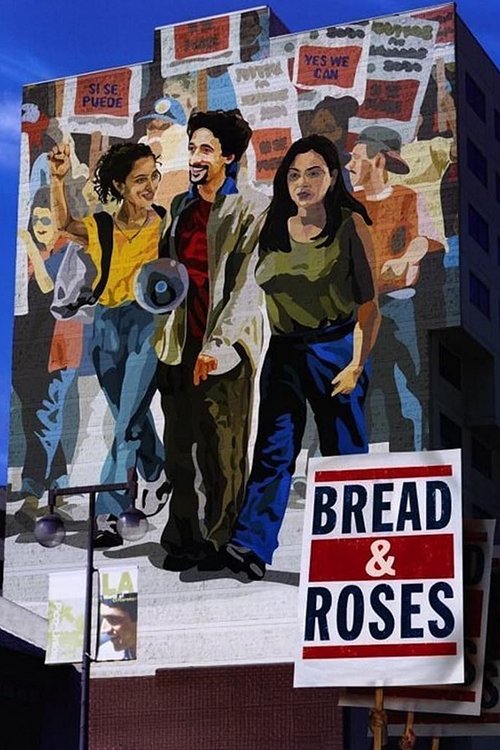
Bread and Roses2000
Ken Loach again, this time on immigrant janitors organizing in Los Angeles. It has Marusia's moral clarity and its refusal to simplify either the oppressed or the oppressors. Beautifully acted by non-professionals.
But The plotting is deliberately schematic—it's a film about a cause more than about individuals. That's the point, but it won't appeal if you want complex character arcs.
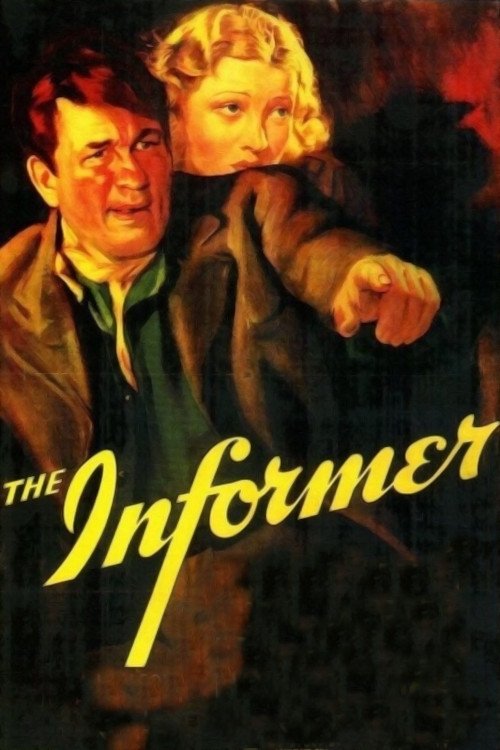
The Informer1935
John Ford on an IRA informant torn between loyalty and survival. Like Marusia, it's interested in how systems force ordinary people into impossible positions, and in the cost of collaboration.
But It's melodramatic by modern standards, heavy on shadows and portent. The Irish setting and politics feel distant for many viewers.
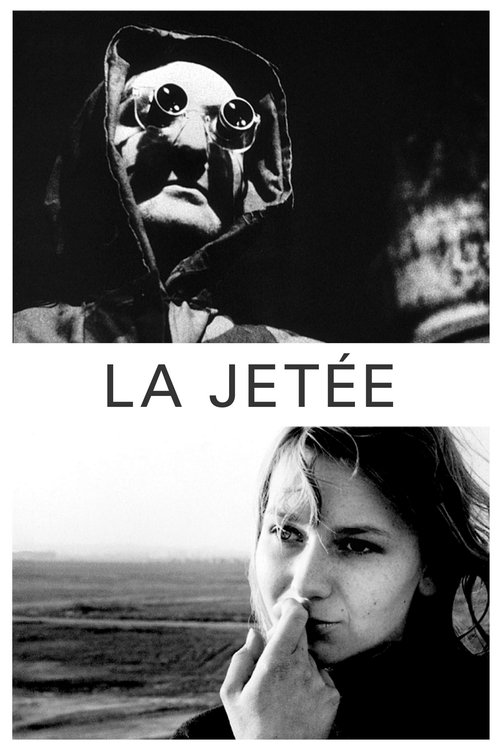
La Jetée1962
Marker's extraordinary meditation on time, memory, and political trauma—told almost entirely in still photographs. It captures the same quality of witness and loss, the past pressing on the present.
But It's experimental and dreamlike, not narrative in any conventional sense. Some will find it pretentious; others will be transfixed. There's no middle ground.
The People vs. Larry Flynt1996
Forman's film about the First Amendment and power uses Flynt's trial to explore how the system humiliates and crushes those without protection. The moral questions are thornier than you'd expect.
But It's a Flynt biopic, and while Forman is no apologist, the milieu is deliberately vulgar. If the subject matter repels you, no amount of directorial craft will change that.

Romper Stomper1992
Geoffrey Wright's Australian film about white supremacists is visceral and angry, uninterested in explaining ideology away. It captures the raw force of power used against the powerless with uncomfortable authenticity.
But It's violent and nihilistic. Some will see it as exploitative; others as necessary. It doesn't offer moral comfort or distance.

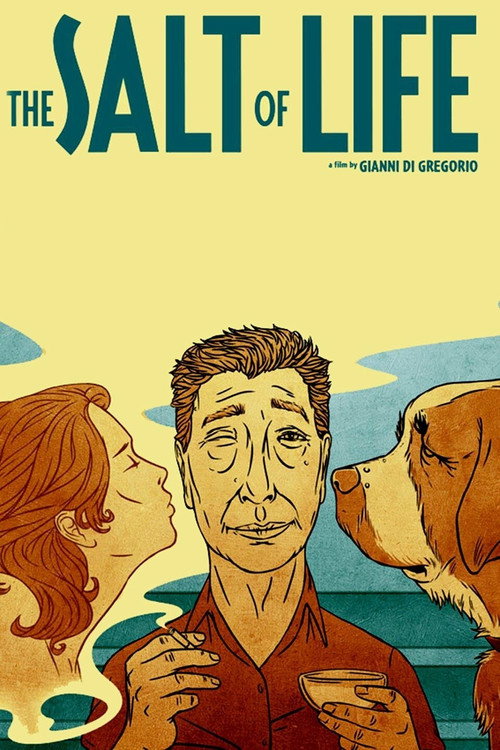
The Salt of Life2011
Paolo Sorrentino's small film about an aging man in Naples finding grace in ordinariness. It's not overtly political, but it dignifies working-class life and memory with the same quiet insistence as Marusia.
But It's glacially paced and deeply interior. If you expect plot momentum or external action, you'll be watching paint dry.
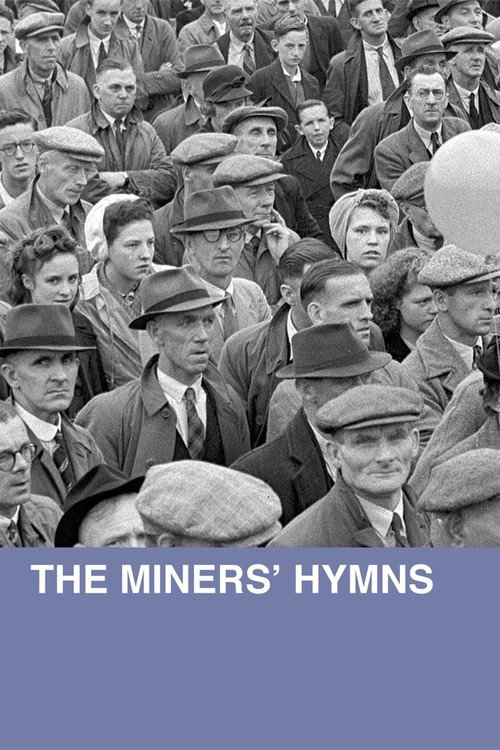
The Miners' Hymns2012
Where Marusia uses drama and performance to capture a moment of resistance, Hartley and Morrison excavate the same terrain through time itself, turning documentary scraps into elegy. Both films are acts of witness, but one speaks to now, the other to then.
Bill Morrison and Hal Hartley made this silent documentary-essay entirely from archival film of Durham coal miners from 1913-1976. It's a ghost-story about labor and landscape, music and absence. Intensely moving without a single word.
But It's genuinely experimental—silent, meditative, built from fragments. If you need narrative or explanation, this will feel like a puzzle rather than a film.
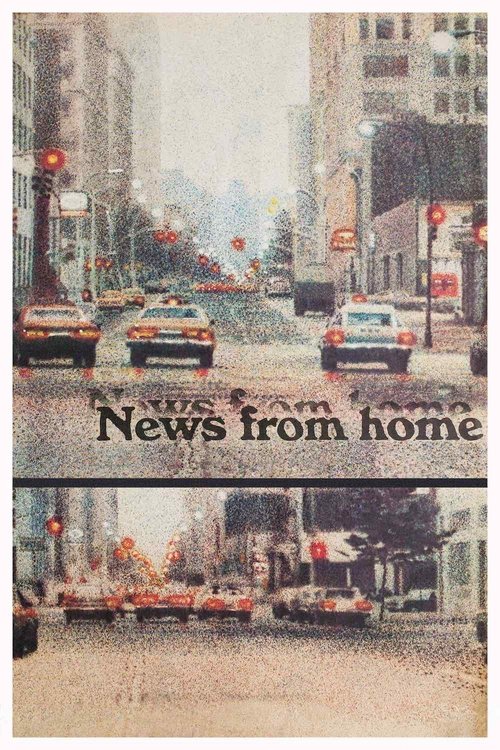
News from Home1976
Both films are chronicles of separation and endurance, but Akerman's is intimate and fragmented while Marusia is collective and linear. Different forms expressing the same truth: that systems break people apart and the only resistance is to bear witness.
Chantal Akerman reads letters from her mother over fixed shots of New York streets. It's about distance, love, and the brutality of an economic system that separates people. Visually spare, emotionally devastating, structured like memory and loss.
But Calling it a film is generous—it's more like a structural poem in image and voice. Many will find it boring or incomprehensible. It asks you to do the emotional work yourself.
People
Cast
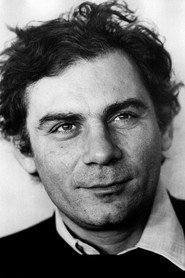 Gian Maria VolontéGregorio
 Diana BrachoLuisa

 Salvador SánchezSebastián
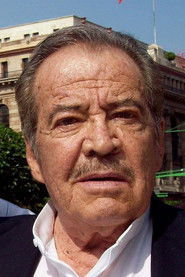 Claudio ObregónTroncoso
 Julián PastorWeber
 Silvia MariscalMargarita
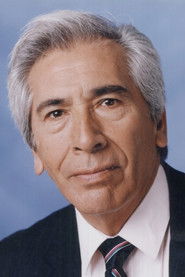 José Carlos RuizArgandoña
 Ernesto Gómez CruzCrisculo
 Eduardo López RojasDomingo Soto
 Arturo BeristáinYoung Worker
- Francisco MoraytaProfessor
Directing
- Miguel LittínDirector
Writing
- Patricio MannsOriginal Story
- Miguel LittínWriter