
Film
The People vs. Larry Flynt
Milos Forman's 1996 film follows Larry Flynt, the vulgar, uncompromising founder of Hustler magazine, through his legal battles against obscenity charges. It's a spirited defense of free speech wrapped in a character study of an unlikeable man, featuring Woody Harrelson's breakthrough performance and Edward Norton's razor-sharp legal drama. For those fascinated by First Amendment fights or provocateurs who refuse to apologize.
Should you watch it?
Watch it if you enjoy sharp, talky courtroom drama about a protagonist who is hard to like yet impossible to look away from, and you want a fight about principle carried by its characters rather than its scenery.
Skip it if you want a tidy, sympathetic hero, since Flynt is crude, combative and often unpleasant, and the sexual content is frank enough that the R rating earns its place.
What it asks of you: Two hours and ten minutes of mostly talky, combative scenes, with the comedy and the courtroom sitting side by side, so it rewards steady attention rather than half-watching.
Not sure? Find tonight's pick in a minute.
If you liked this
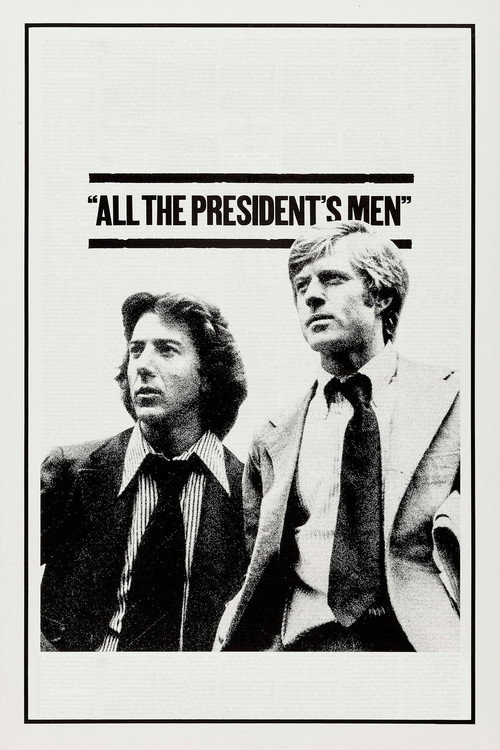
All the President's Men1976
The gold standard of journalism-under-fire cinema. Woodward and Bernstein pursuing truth against institutional power, methodical and thrilling. If you loved watching Larry Flynt's lawyers wage constitutional war, this is the counterpart: institutional journalism doing the same thing.
But Procedurally dense and deliberately paced. There's no showmanship here, only shoe-leather reporting and phone calls. It moves at the speed of actual investigation, not drama.
Spotlight2015
A newsroom hunting a massive institutional cover-up, built on patience and principle. Like Flynt's case, it's about ordinary people refusing to let power hide what needs exposing—but from the establishment side of the fight, which adds fascinating texture.
But Ensemble cast means no single character dominates. For some viewers, the lack of a charismatic center makes it feel workmanlike rather than gripping.

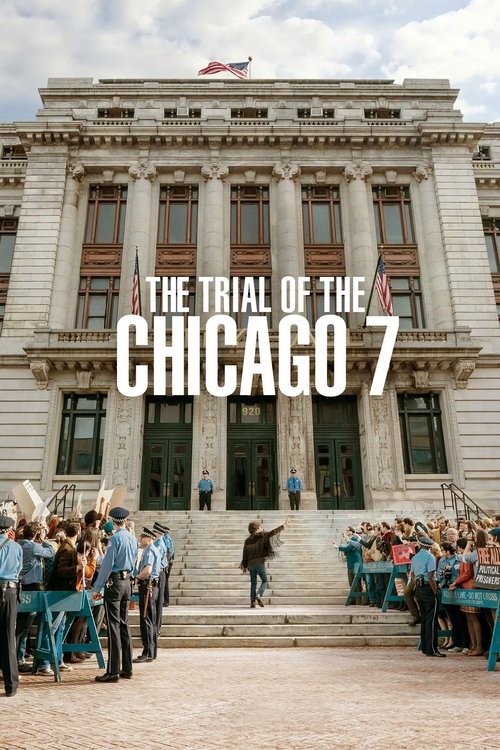
The Trial of the Chicago 72020
Aaron Sorkin's courtroom procedural about 1969 protests and free speech, with a similar appetite for examining how America handles dissidents and troublemakers. Fast, smart, and genuinely furious about civil liberties.
But Sorkin's style—rapid-fire dialogue, theatrical tricks—is love-it-or-hate-it. If you find his voice exhausting, this film won't convert you.
Not sure tonight? Get a pick in a minute, starting from The People vs. Larry Flynt
The wildcard
Something you would not have found on your own.
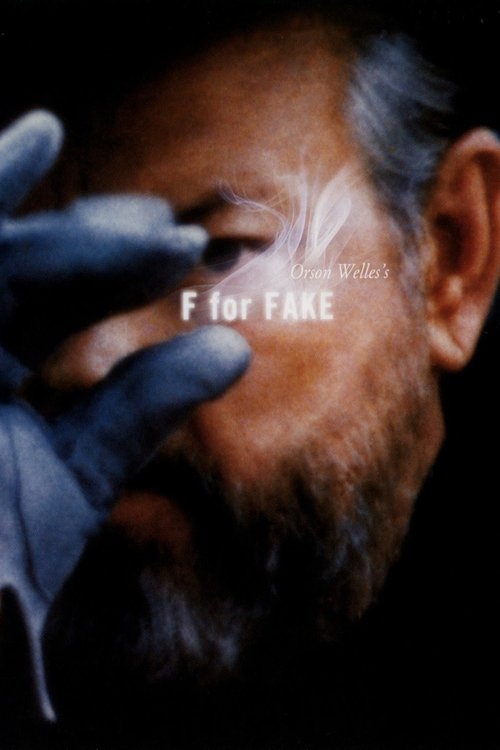
F for Fake1973
Both are films about artists and provocateurs who construct reality rather than reflect it, and who face institutional fury for refusing to play by the rules of acceptable discourse.
Welles' dizzying essay-film about authorship, fraud, and the nature of truth, built from found footage and sleight of hand. It's about who controls the narrative and how stories become fact. Forman and Welles are centuries apart in method, but both ask: who gets to decide what's real?
But It's avant-garde and formally experimental. If you want linear narrative and clear answers, this film actively resists you. It's a provocation, not a comfort.
More like this (8)
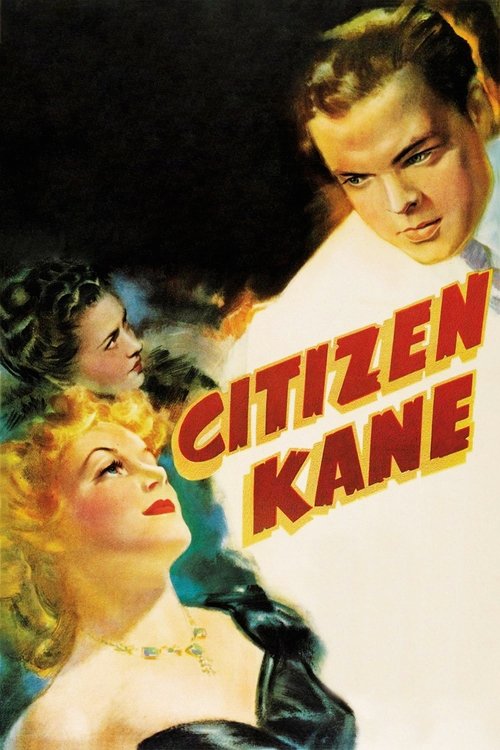
Citizen Kane1941
Welles' portrait of a controversial media mogul building an empire through provocation and personal conviction. Like Flynt, Kane is charismatic and indefensible, and the film asks hard questions about ambition, principle, and the line between them.
But It's 80 years old and shows it. The narrative jumps around, and some scenes move at a contemplative pace that modern viewers sometimes find sluggish.
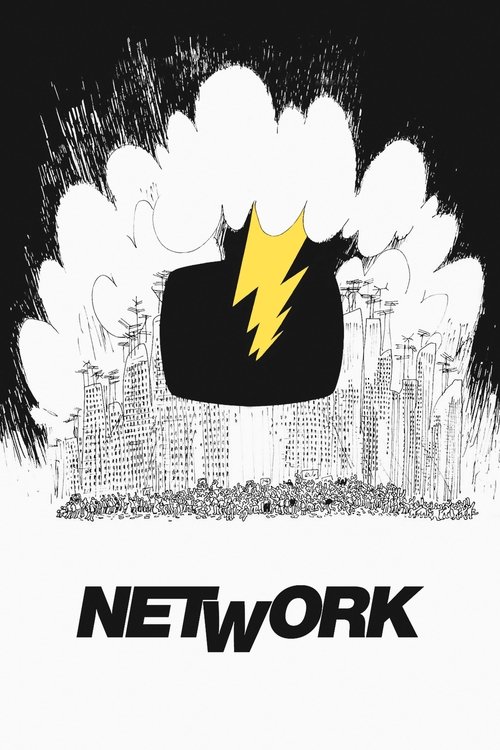
Network1976
Paddy Chayefsky's savage satire about a broadcaster willing to do anything for ratings. It shares Flynt's DNA—a protagonist who's morally compromised but somehow fighting for something real, watched by an America that wants to both condemn and consume him.
But It's a polemic dressed as drama. The dialogue is deliberately heightened and preachy, which some experience as dated rather than prescient.
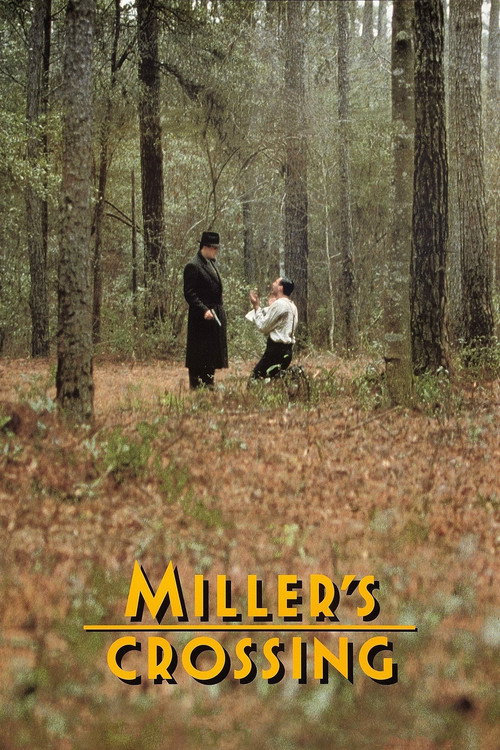
Miller's Crossing1990
The Coen Brothers' underworld morality play, where characters navigate loyalty, principle, and survival in a corrupt system. Like Flynt, it's fascinated by men who won't compromise even when compromise would save them.
But The plotting is intricate and sometimes opaque. You may find yourself lost, and the Coens offer no apologies for it.
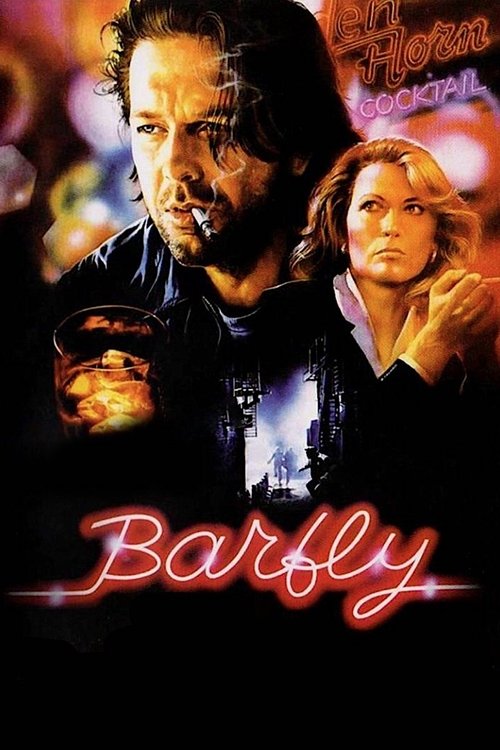
Barfly1987
Schroeder's portrait of a man living by his own code, indifferent to respectability, fighting the world and losing beautifully. It's Flynt's spiritual twin—less about law than about the psychology of refusing to bend.
But It's grim and repetitive by design. The despair is relentless, and nothing is resolved so much as endured.
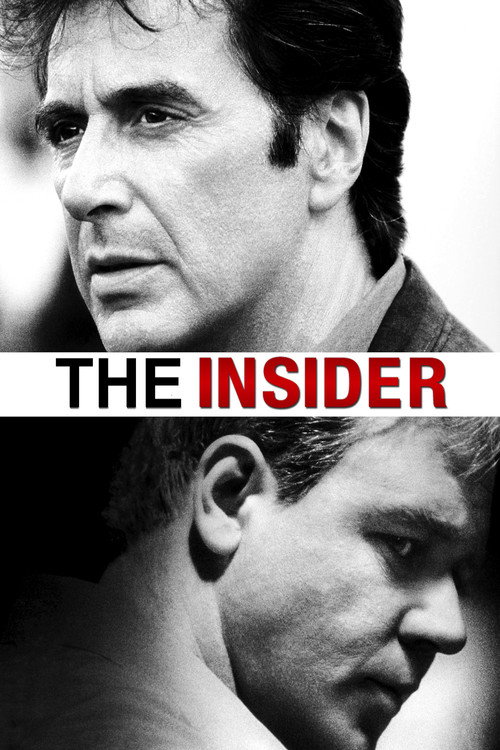
The Insider1999
Mann's meticulous thriller about a tobacco executive exposing his own industry, pursued by lawyers and threats. It shares Flynt's obsession with the cost of telling truth to power, but the stakes feel more intimate and crushing.
But At 158 minutes, it's punishing. The pacing is deliberate, almost grinding, which some find hypnotic and others find exhausting.
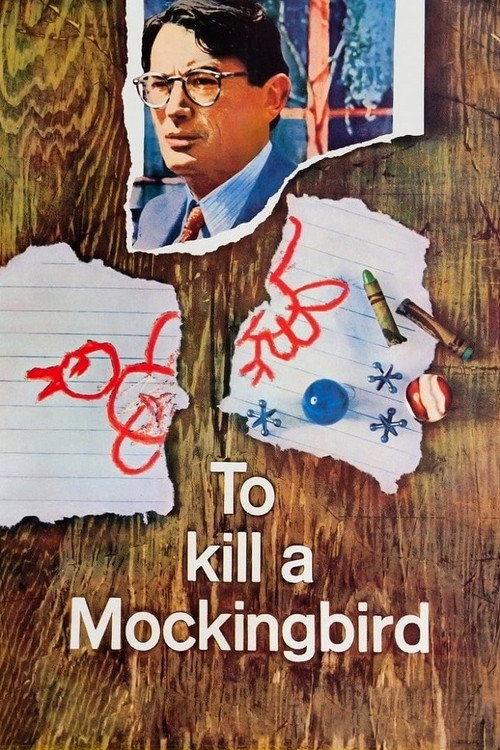
To Kill a Mockingbird1962
Atticus Finch defending an innocent man against impossible odds in the Deep South. It's the idealistic mirror of Flynt's case—the system working for justice, rather than against it. Worth seeing as the counterargument.
But It's venerable and taught in schools. If you're seeking challenge or surprise, this is comfort food masquerading as provocation.
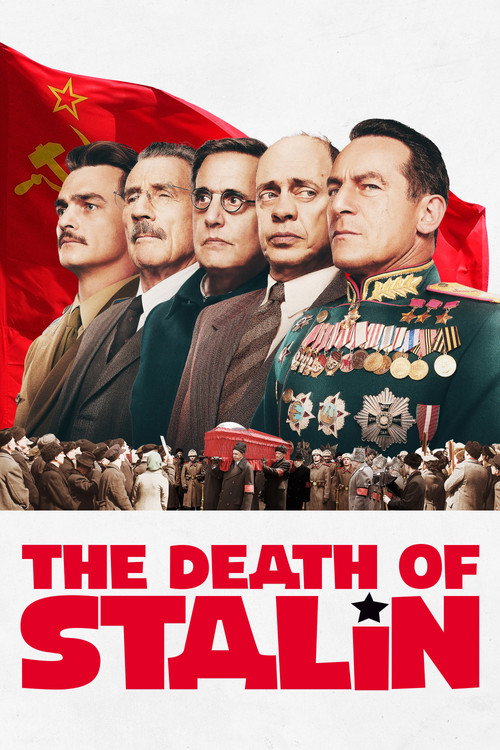
The Death of Stalin2017
Both films use darkly comic energy to examine how power silences dissent and how individuals navigate systems designed to crush them. Both treat their subjects with affection despite moral clarity.
Armando Iannucci's deadpan satire of Soviet power struggles, in black-and-white, brilliantly droll. It's about absurd men fighting for control of narrative and ideology in a system that crushes both. Hilarious and chilling in equal measure—tonal proof that serious subjects don't require solemnity.
But It's a foreign-language film shot in monochrome with rapid British farce dialogue. The genre confusion throws people off—it feels like a parody until you realize it's genuine analysis.
Synecdoche, New York2008
Both are about flawed, driven men whose refusal to apologize or edit themselves becomes both their greatness and their ruin. Both films validate that refusal even as they show its costs.
Kaufman's feverish, recursive masterpiece about an artist building an obsessive private universe as his life collapses around him. Like Flynt, it's about a man incapable of compromise, watching his empire consume him. It's formally audacious and emotionally devastating.
But It's deliberately confusing, recursive, and refuses coherence. Many viewers find it pretentious or simply incomprehensible. It's not a movie that rewards passive watching.

People
Cast
 Woody HarrelsonLarry Flynt
 Courtney LoveAlthea Leasure
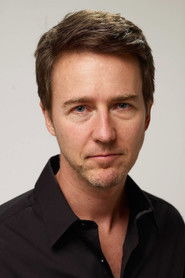 Edward NortonAlan Isaacman
 Brett HarrelsonJimmy Flynt
 Donna HanoverRuth Carter Stapleton
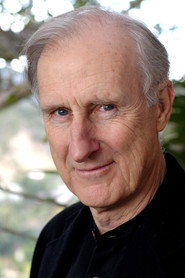 James CromwellCharles Keating
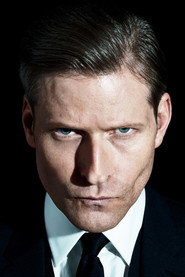 Crispin GloverArlo
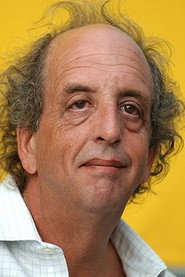 Vincent SchiavelliChester
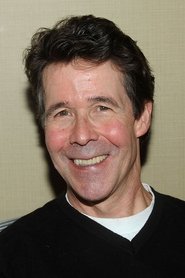 Miles ChapinMiles
 James CarvilleSimon Leis
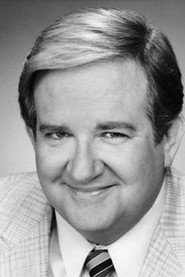 Richard PaulReverend Jerry Falwell
- Burt NeuborneRoy Grutman
Directing
- Miloš FormanDirector
Writing
- Larry KaraszewskiScreenplay
- Scott AlexanderScreenplay
Production
- Margo Hunt McKayAssistant Production Coordinator
- Jason WhiteExtras Casting Assistant
- Janet YangProducer
- Michael HausmanProducer
- Oliver StoneProducer
Recommended by
Lenny, Wadd: The Life & Times of John C. Holmes, Kink, Inside Deep Throat, The Positively True Adventures of the Alleged Texas Cheerleader-Murdering Mom, Letters from Marusia