
Film
Wadd: The Life & Times of John C. Holmes
A portrait of John Holmes, the most famous pornographic actor of the 1970s-80s, assembled from interviews with those who knew him. The film is curious rather than sensational—it treats a controversial life with surprising gentleness, exploring how celebrity, addiction, and notoriety warped a person beneath the myth. For anyone interested in the hidden human costs of fame or the social history of adult entertainment.
Should you watch it?
Watch it if you like documentaries built from a crowd of talking heads, where contradictory memories of one complicated man slowly add up to a portrait of an industry and its myths.
Skip it if you need visual energy, since this is mostly people in chairs recalling a life, and its gossip-tinged tone may feel thin if you want a sharper point of view.
What it asks of you: Roughly an hour and forty-five minutes of patient listening, with the attention going to voices and recollection rather than to any single arc or set piece.
Not sure? Find tonight's pick in a minute.
If you liked this
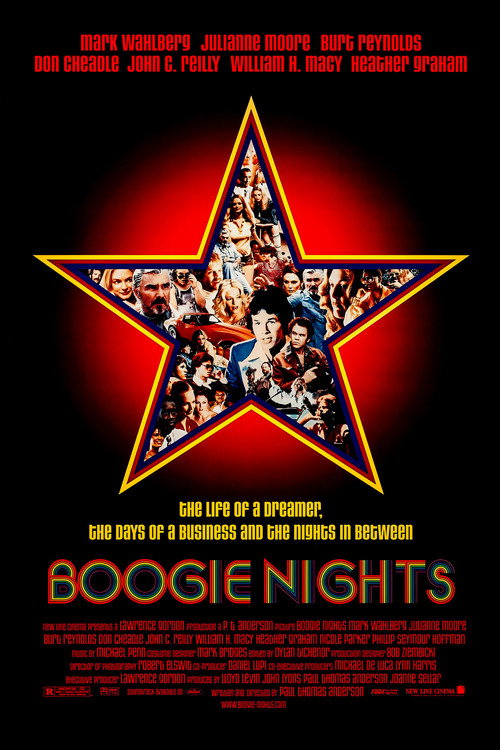
Boogie Nights1997
Paul Thomas Anderson's epic captures the rise and fall of a porn industry newcomer with operatic scope. It's visually gorgeous, funny, tragic, and anchored by a career-best ensemble. The film has the texture of lived experience.
But It's three hours and doesn't shy from depicting sexual content onscreen. Some of the violence is gratuitous, and the tone can feel manipulative—style sometimes drowns substance.
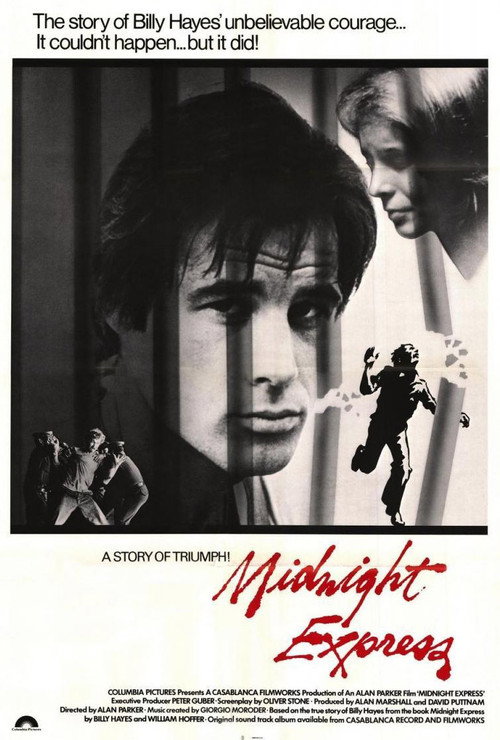
Midnight Express1978
A man's life spirals into nightmare after arrest in a foreign country. Like Wadd, it's a documentary-adjacent account of how institutional systems and personal chaos destroy someone. Visceral and deeply unsettling, but humane.
But Dated in some visual ways and relies on a straight-man protagonist whose passivity can feel frustrating. The film's politics are murkier than it seems to realize.
The People vs. Larry Flynt1996
Milos Forman directs a surprisingly tender film about pornography, free speech, and the cost of staying alive while everyone wants you dead. Woody Harrelson is magnetic. It asks difficult questions without sermonizing.
But The film sometimes mistakes contrarianism for insight. Flynt's own mythology gets in the way, and the ending softens into something too neat.

Not sure tonight? Get a pick in a minute, starting from Wadd: The Life & Times of John C. Holmes
The wildcard
Something you would not have found on your own.
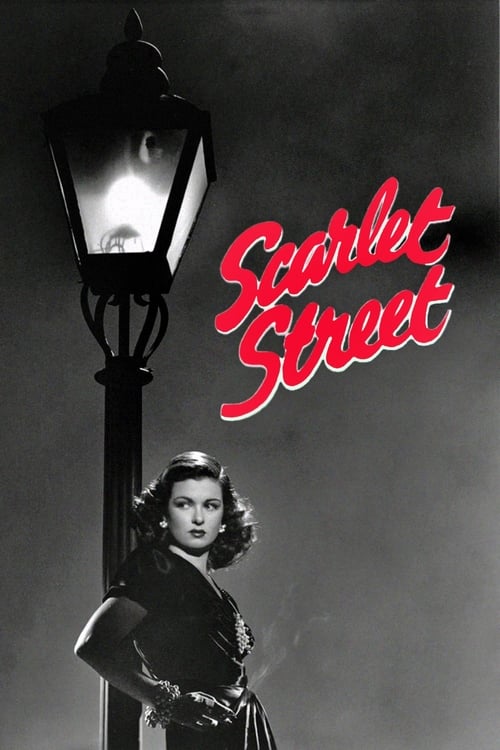
Scarlet Street1945
Both are accounts of how charisma, sex, and circumstance conspire to destroy someone ordinary. Both refuse to make their subject simply villainous, asking instead how a person becomes unmoored from themselves.
Fritz Lang's masterpiece is a portrait of a decent man corrupted by desire for someone beautiful and cruel. It's noir, but the camera stays close to his deterioration—the real subject is how we become unrecognizable to ourselves. Shot in shadow and dread.
But It's a 1945 film, so the pacing feels slow now. The misogyny, while historically accurate, sits uncomfortable. The ending is morally bleak with no redemption offered.
More like this (7)
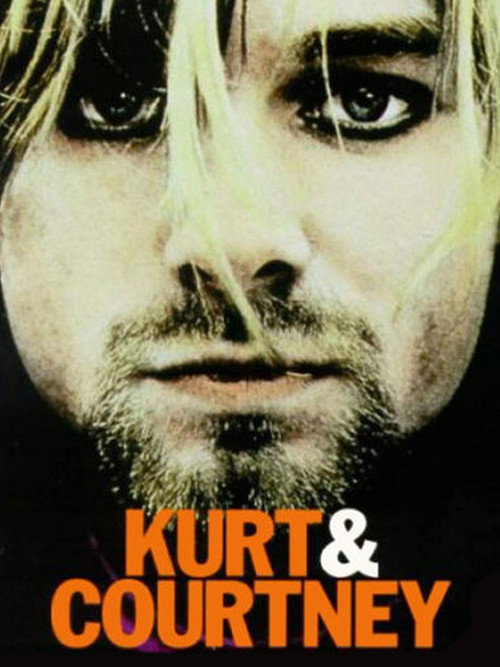
Kurt & Courtney1998
A documentary about Kurt Cobain's death that refuses easy answers. Like Wadd, it pieces together a life from unreliable narrators and archive, leaning into ambiguity rather than settling for narrative convenience.
But It's fragmented by design, which can feel evasive. Some will find the obsessive investigation disrespectful. The evidence it presents is circumstantial and goes nowhere definitive.
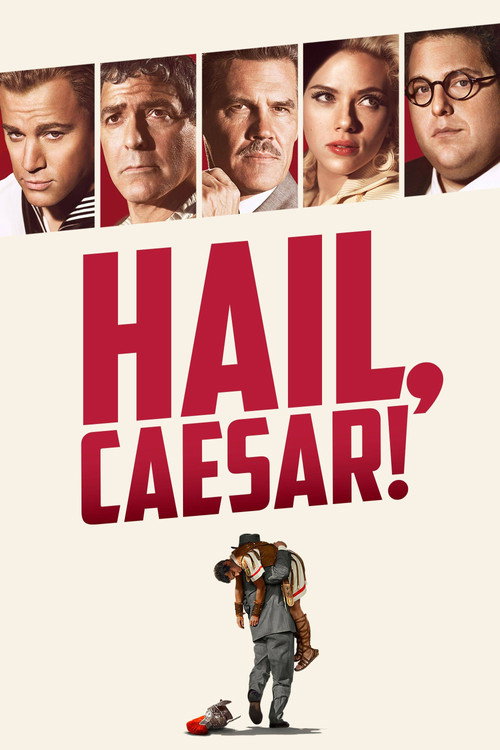
Hail, Caesar!2016
The Coen Brothers' love letter to Old Hollywood's machinery, where fame is a product manufactured by studio systems. Tonally it's lighter than Wadd, but it shares the preoccupation with how stardom swallows the person inside it.
But It's deliberately lightweight—some will find it lacks substance. The plot is thin, almost a sketch, and the target audience for the references is narrow.
Pleasure2021
A Swedish film following a young woman entering the porn industry, filmed with unflinching honesty. It treats the work and workers with seriousness, tracking how the job changes her over time without condemning or sanctifying her choices.
But Contains explicit sexual content throughout. The pacing is slow and observational. It offers no catharsis and ends without resolution—bleak is underselling it.

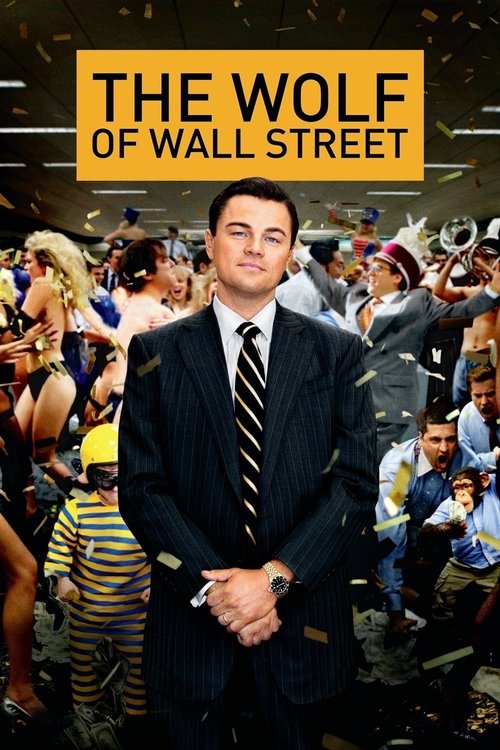
The Wolf of Wall Street2013
Scorsese's biography of a man whose appetites consume everything—money, drugs, sex, stability. It captures how charisma and addiction intertwine, and how notoriety becomes its own gravitational pull. Darkly funny and genuinely tragic.
But It's nearly three hours and exhausting by design. The film sometimes seems to revel in excess rather than critique it. Women are largely decoration, which is thematically relevant but still limiting.
Sid and Nancy1986
Alex Cox's portrait of Sid Vicious and Nancy Spungen—two damaged people who found each other in the wreckage. It's formally inventive, visceral, and genuinely moving. The film captures how love and self-destruction tangled together.
But Visually it's deliberately ugly and chaotic. The relationship on display is toxic and painful. Some will find it glorifies self-destruction, though the film is more complicated than that.

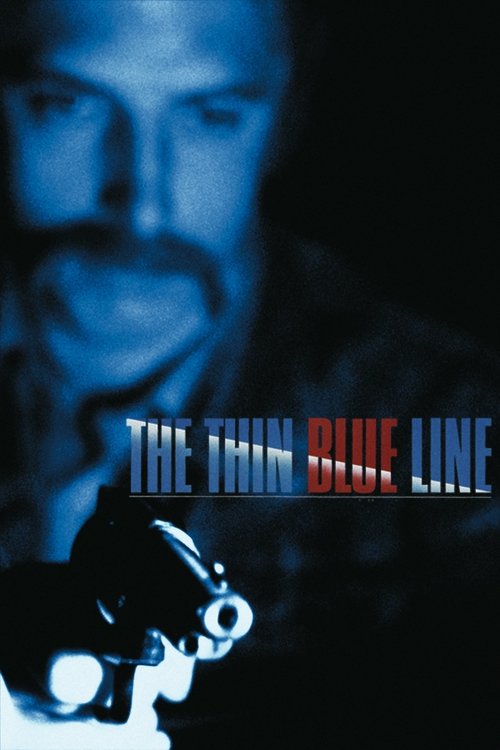
The Thin Blue Line1988
Both are documentaries built from unreliable witnesses trying to explain who someone was. Both suggest that the life itself resists narrative—we can collect accounts but never quite assemble truth.
Errol Morris's documentary about a murder conviction reconstructs events from contradictory testimony and shows how truth is slippery, disputed, almost unknowable. It's formal and hypnotic—using reenactment and interview to build suspicion of certainty itself.
But The pacing is glacial. It doesn't deliver the resolution you want. The film's formal games can feel cold, and the subject matter is difficult without being cathartic.
Come and See1985
Both films are about watching a person become something they didn't intend to be—corrupted or destroyed or swallowed by forces larger than themselves. Both films sit with that transformation without looking away or offering escape. Both are deeply compassionate about that witness.
Elem Klimov's film follows a boy conscripted into the Soviet army during WWII. It's transcendently horrifying—a portrait of someone's humanity being systematically erased by circumstance and violence. Shot with precision and love for the person being destroyed.
But It's extremely graphic, depicting atrocity with unflinching clarity. The pacing is exhausting. Some will find it exploitative, though it's the opposite. It offers no comfort.

People
Cast
 John HolmesSelf (archive footage)
 Al GoldsteinSelf
- Bill AmersonSelf
 Bob ChinnSelf
 Bunny BleuSelf
 Candida RoyalleSelf
 Don FernandoSelf
 Ilona StallerSelf
 John LeslieSelf
 Kitten NatividadSelf
 Larry FlyntSelf
- Mike SagerSelf
Directing
- Wesley EmersonDirector
Writing
- Rodger JacobsWriter
Production
- Russell HampshireExecutive Producer
- Windy NitesOther
- Christopher RowlandProducer
- Rodger JacobsProducer
- Wesley EmersonProducer