
Film
Scarlet Street
A meek cashier and Sunday painter falls for a con artist who steals his paintings and his dignity. Fritz Lang's 1945 masterpiece is a portrait of sexual humiliation and moral collapse, where desire makes a man complicit in his own destruction. Gorgeously photographed, ruthlessly bleak, and absolutely transfixing—cinema's greatest argument that love can be a criminal act.
Should you watch it?
Watch it if you like noir that studies a lonely, decent-seeming man's self-deception with patient, unsparing attention, and you don't need the characters to be likeable to be gripped.
Skip it if you want brisk plotting or a warm sense of humor, since this is a slow, mournful study of wanting something badly and the mood rarely lifts.
What it asks of you: About 100 minutes, unhurried in its build, with a dark, sour undertow that stays on the same unpleasant note and gives you few places to rest.
Not sure? Find tonight's pick in a minute.
If you liked this
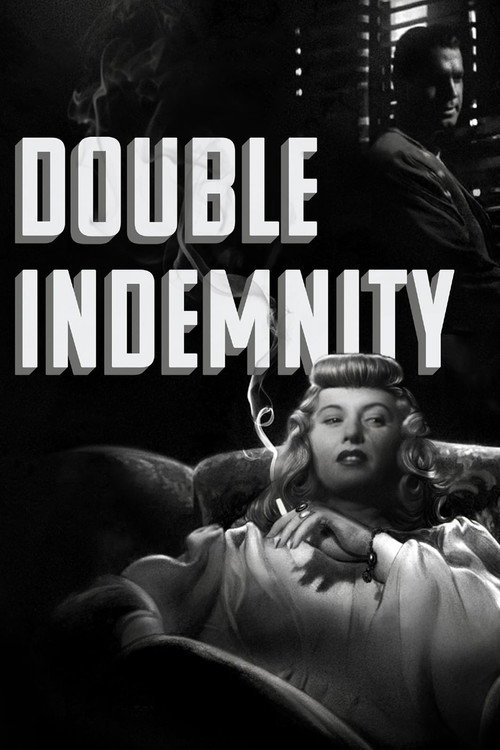
Double Indemnity1944
Billy Wilder's definitive noir about a man undone by a woman's manipulation. It has the same queasy intimacy, the same sense of someone signing away their soul for sex, and the same perfect craft.
But If you've seen it before, you know every beat. The famous scenes have been quoted to death, and the twist arrives like an old friend you've already greeted.
In a Lonely Place1950
Humphrey Bogart plays a man society assumes is guilty, and his own behaviour makes it hard to disagree. Ray's camera catches the precise moment when love becomes entrapment for both parties—desperate and doomed.
But The pacing is deliberate. If you want your noir brisk and punchy, this one's too willing to sit in the wreckage and watch the characters suffer.

The Killers1946
Siodmak's masterpiece about a man waiting for death without fighting it. Like Scarlet Street, it finds tragic dignity in passive destruction and moves with an almost unbearable sense of fate.
But The narrative bounces around in time. Some viewers find the structure confusing rather than elegant, and it can feel like watching a corpse being examined rather than a living story.

Not sure tonight? Get a pick in a minute, starting from Scarlet Street
The wildcard
Something you would not have found on your own.
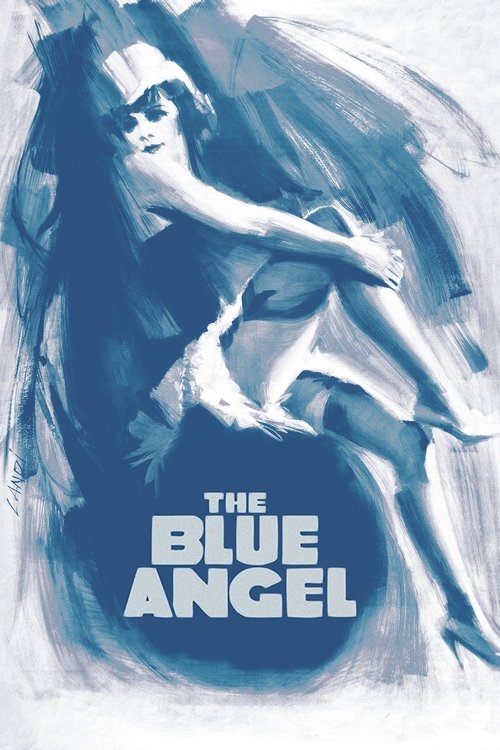
The Blue Angel1930
The direct ancestor—Sternberg already made the definitive version of this tragedy, and Lang responds to it with his own, darker meditation on the same collapse.
Sternberg's German masterpiece, made fifteen years before Scarlet Street, is essentially the same story: a respectable man destroyed by infatuation with a cabaret performer who doesn't love him back. Emil Jannings's face as he realizes his own humiliation is the performance that taught Lang how to film degradation.
But It's silent cinema in spirit and German in language (though sound versions exist). If you need quick cutting and constant plot momentum, the pace will feel glacial and the emotion unbearably explicit.
More like this (8)
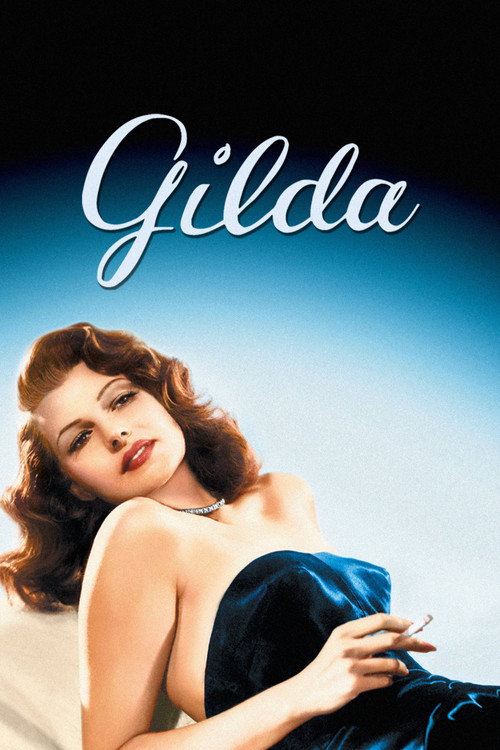
Gilda1946
Rita Hayworth as a woman who destroys men simply by existing. It's glossier than Scarlet Street but shares the same dark conviction that desire is a form of violence.
But The glamour can feel at odds with the misogyny underneath. Some find it seductive in ways that haven't aged well; others find the sadism exhausting.
The Asphalt Jungle1950
Huston's heist film is shot through with the same sense of inevitable decline. Every character has a fatal flaw, usually involving a woman or money or both, and the film watches them tumble toward ruin with absolute clarity.
But It's a procedural, so the first half is planning rather than tension. Patience is required before the wheels come off, and not everyone has it.

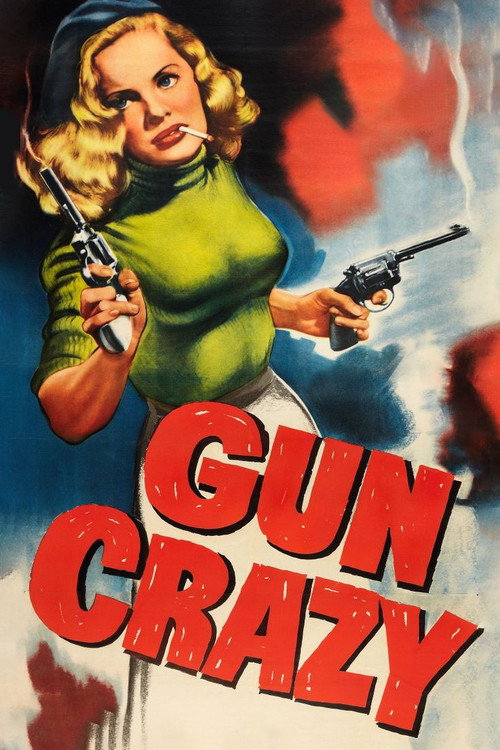
Gun Crazy1950
A couple bound by mutual desire and mutual criminality. It's wilder and sadder than Scarlet Street, but it has the same understanding that love and crime aren't separate impulses—they're the same one wearing different masks.
But The violence is sudden and the tone whiplashes between romance and tragedy. If you need your films to decide what they feel about their own characters, this will frustrate you.
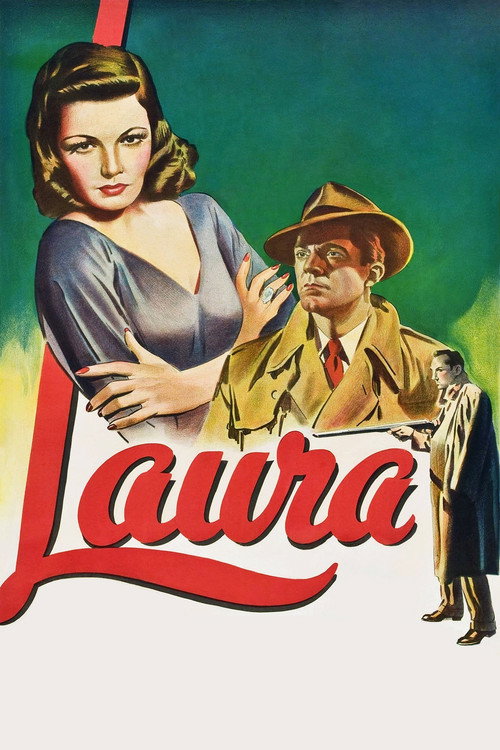
Laura1944
Otto Preminger's masterpiece about obsession and the power of absence. A detective falls in love with a murdered woman he's never met, and the film understands that desire doesn't need its object to be alive or even real.
But It's a murder mystery, so some energy is spent on whodunit mechanics. The real story—obsession as a form of possession—deserves more screen time than the plot can give it.
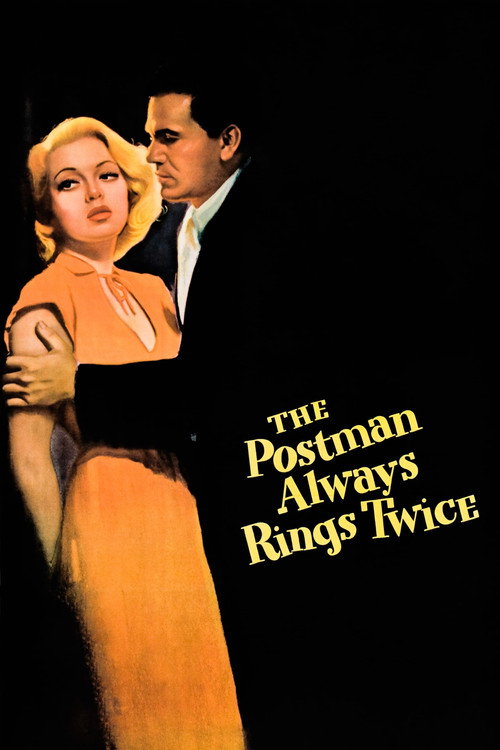
The Postman Always Rings Twice1946
Lana Turner and John Garfield as lovers whose passion for each other is indistinguishable from their willingness to betray and destroy. It's frank about sex in ways that were dangerous in 1946, and it still stings.
But The censorship was heavy even at release, and crucial scenes are implied rather than shown. The film's power is real but partly buried under what couldn't be filmed.
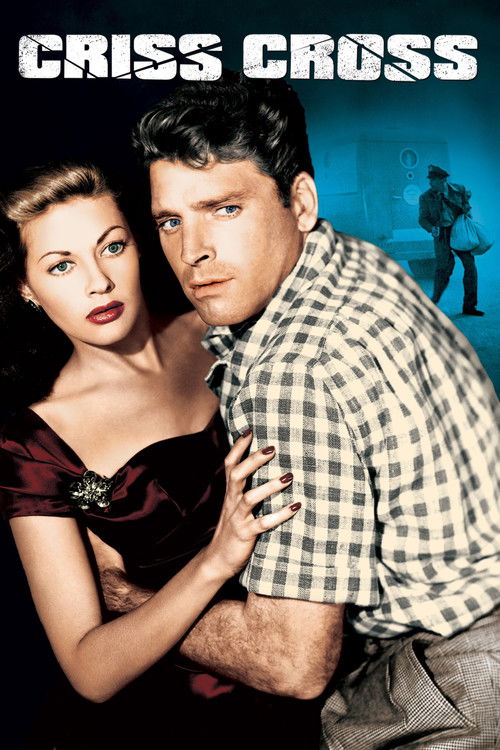
Criss Cross1949
Robert Siodmak again, this time with Burt Lancaster as a man whose love for a woman he's trying to escape drags him into a heist that ends in betrayal. The fatalism is exquisite and the violence is real.
But It's a smaller, tighter film than Scarlet Street, which can feel like watching a perfect mechanism rather than experiencing genuine tragedy. Some find perfection cold.
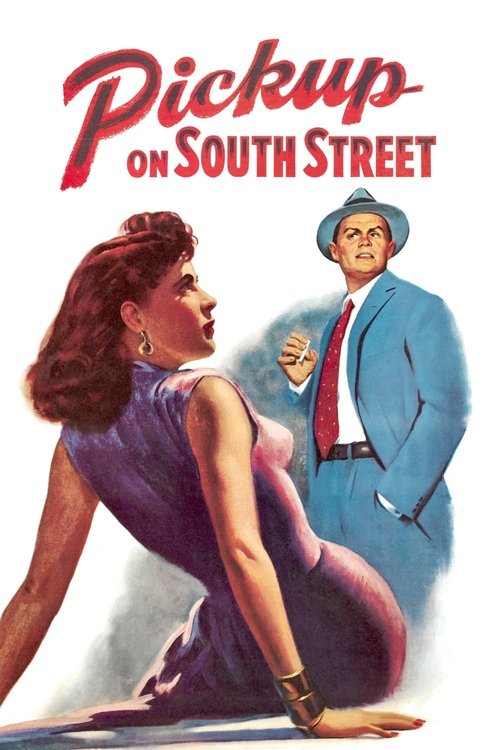
Pickup on South Street1953
Both films trust the audience to understand that regular people commit crimes for emotional, not just economic, reasons. The system hasn't failed them; they've failed themselves.
Samuel Fuller's gritty B-picture finds moral complexity in pickpockets and subway thieves. Like Scarlet Street, it refuses to separate crime from desire, and it films the lower depths with absolute unglamorous honesty. It's tougher and faster, but spiritually identical.
But Fuller's style is abrupt and his dialogue is sparse to the point of alienation. If you prefer psychology spelled out, his characters will seem thin and his moral positions blunt.
The Third Man1949
Both explore what happens when love and admiration become obstacles to seeing someone clearly. The film you love often isn't the person you thought it was, and accepting that loss is the real story.
Carol Reed's Vienna-set masterpiece about a man whose love for his best friend blinds him to who the friend actually is. Like Scarlet Street, it understands that betrayal is sometimes the only honest response to infatuation. The zither score and the cinematography are perfect, but it's the moral precision that will haunt you.
But It's famous enough that the famous scenes have lost their shock value. The twist arrives early and the film's greatness is in everything after, which some viewers mistake for slowness.

People
Cast
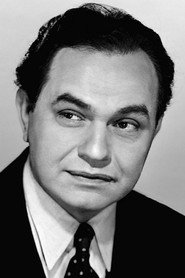 Edward G. RobinsonChristopher Cross
 Joan BennettKatherine 'Kitty' March
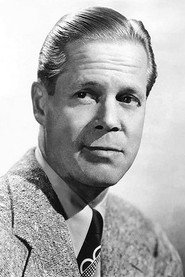 Dan DuryeaJohnny Prince
 Margaret LindsayMillie Ray
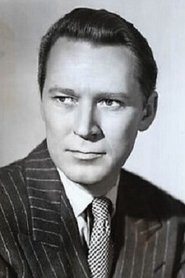 Jess BarkerDavid Janeway
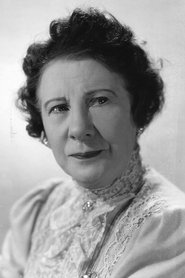 Rosalind IvanAdele Cross
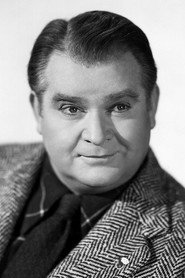 Charles KemperHomer Higgins
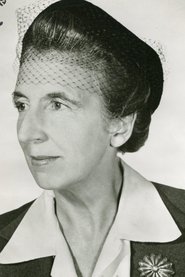 Anita Sharp-BolsterLaura Michaels
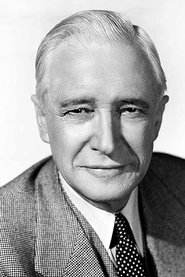 Samuel S. HindsCharles Pringle
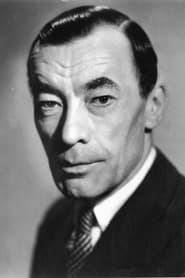 Vladimir SokoloffPop LeJon
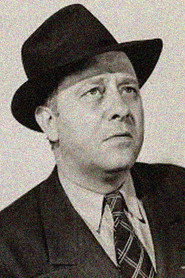 Arthur LoftDellarowe
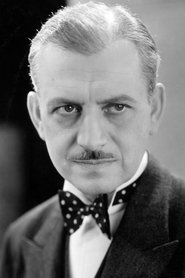 Russell HicksJ.J. Hogarth
Directing
- Melville ShyerAssistant Director
- Fritz LangDirector
Writing
- Georges de La FouchardièreNovel
- Dudley NicholsScreenplay
- André Mouézy-ÉonTheatre Play
Production
- Walter WangerExecutive Producer
- Fritz LangProducer
Recommended by
Manhattan, Wadd: The Life & Times of John C. Holmes, The Field, Criss Cross, Variety, The Woman in the Window, Jezebel, Blonde Venus, I Saw the Light, Undercurrent, Querelle, Rise of the Phoenix, City for Conquest, Caravaggio, The Mysterious Lady, They Met in Bombay, La bestia humana, Accused, Women Are Trouble, Seven Sinners, The Octopus, Dance, Fools, Dance, The Devil Is a Woman, The Blood Ship, Angel, The Bowery, Larceny, Inc.