
Film
The Mysterious Lady
A 1928 silent espionage romance where Greta Garbo plays a Russian spy who seduces an Austrian officer for military secrets—then genuinely falls for him. It's intimate and tense, with Garbo's legendary face doing most of the storytelling. For anyone curious about silent cinema's sophistication or Garbo's magnetic presence.
If you liked this
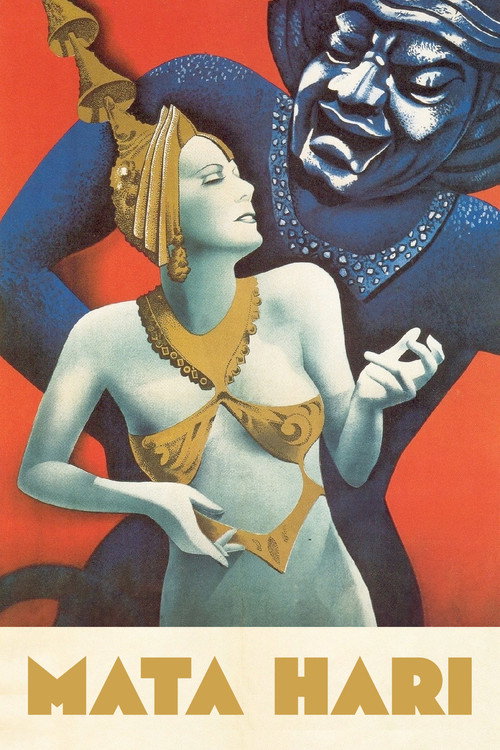
Mata Hari1931
Garbo returns to the spy-seductress role with talking dialogue and deeper psychology. She's older, wearier, more tragic—this is where the archetype finds its soul. Directed by George Cukor.
But It's a sound film from 1931, so the pacing feels deliberate and the dialogue can drag. Some find Garbo's performance mannered by modern standards.
Pandora's Box1929
Louise Brooks in the definitive silent femme fatale role—a woman of sexual power and chaos who destroys men not through calculation but through pure, unconstrained desire. Pabst's masterpiece.
But It's relentlessly bleak and nihilistic. Brooks' Lulu learns nothing; the world offers no mercy. Some find it airless and punishing to watch.

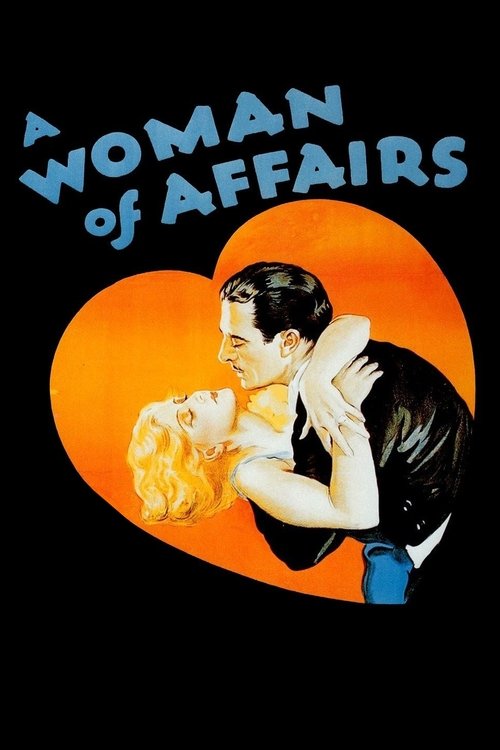
A Woman of Affairs1928
Garbo again, in a contemporary-set melodrama about a woman with a scandalous past trying to protect her reputation and the men she loves. Silent, sophisticated, deeply felt.
But The plot hinges on social shame and class anxiety that feel dated. The pacing is stately; modern viewers sometimes find it slow.
Not sure tonight? Get a pick in a minute, starting from The Mysterious Lady
The wildcard
Something you would not have found on your own.
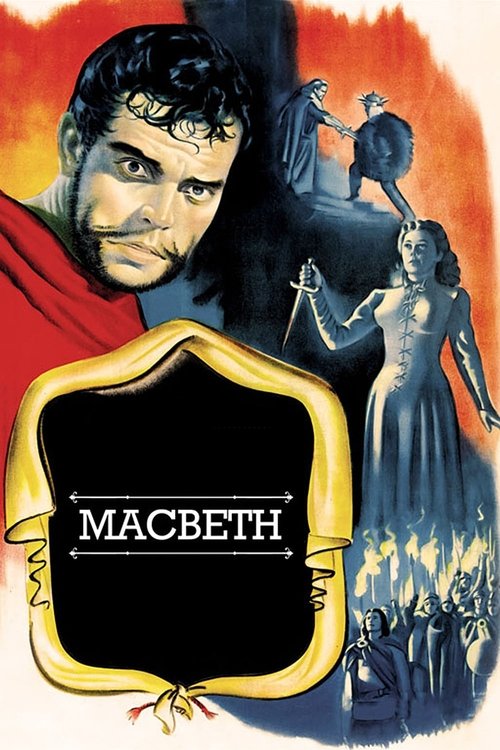
Macbeth1948
Both films pivot on a woman who uses intimacy as a weapon to serve a larger cause, and both ask whether love can survive when trust is the first casualty.
Orson Welles' fever-dream adaptation, where Lady Macbeth becomes the true architect of desire and destruction. She seduces Macbeth into damnation with the same moral ruthlessness as Garbo's spy—but here, the stakes are a kingdom and a soul.
But Welles shot it on a tiny budget with visible sets and theatrical acting. The Scottish accents are inconsistent. It looks cheap and sounds uneven, which distracts many viewers.
More like this (7)
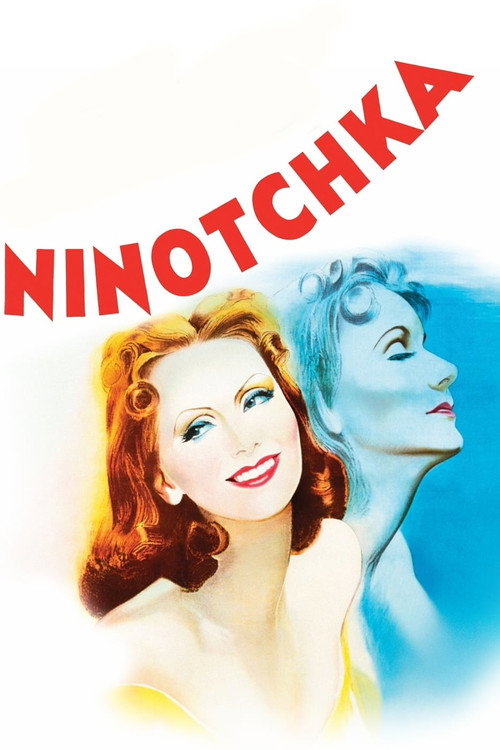
Ninotchka1939
Garbo as a Soviet envoy who thaws under the charms of Paris and romance. It's witty, romantic, and shows her comedic side—a warmer counterpoint to her tragic spy roles.
But Lubitsch's lightness may feel too frothy if you're after the dark intrigue of her earlier work. The satire of communism dates the politics.
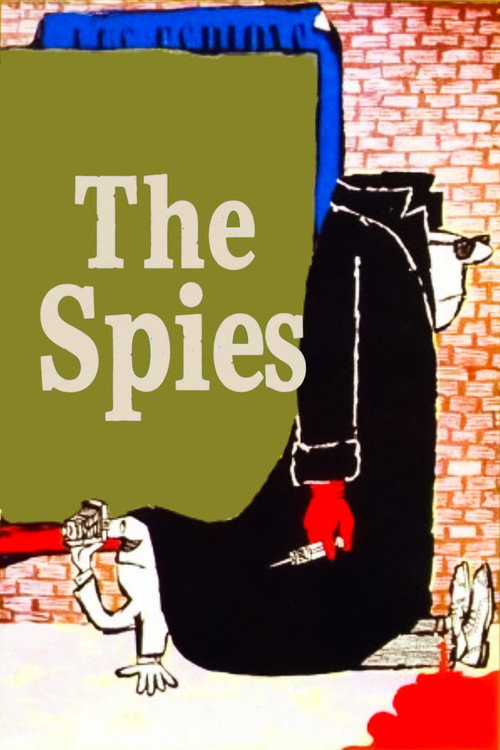
The Spies1957
A lean French spy thriller about double agents and betrayal, with real tension and moral ambiguity. It's what espionage actually feels like: unglamorous and paranoid.
But The print quality can be rough. The pacing is austere—long stretches without dramatic peaks. It's a thinking film, not a thrilling one.
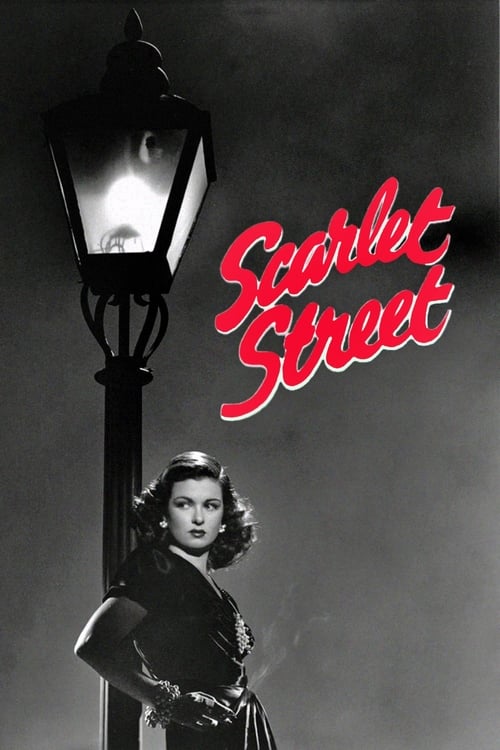
Scarlet Street1945
Fritz Lang explores the corruption of a decent man by a femme fatale. Darker and more psychologically complex than most noir—this is about the male desire that undoes him.
But It's bleak and misogynistic by modern standards. The woman is pure manipulation; there's little sympathy for anyone. It's grim, not entertaining.
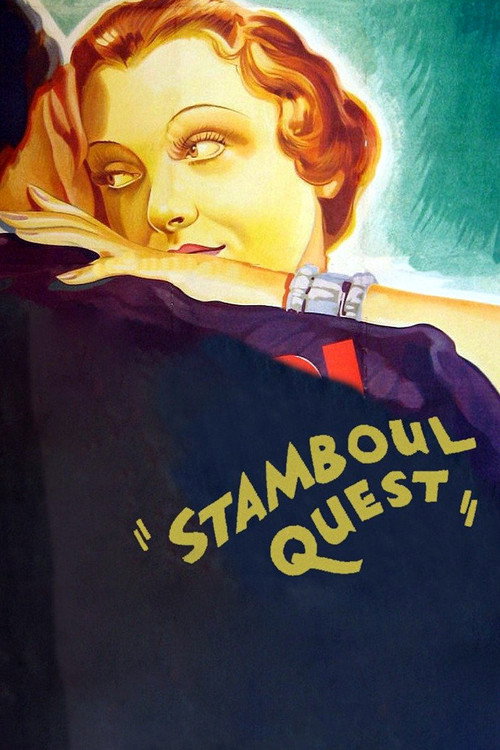
Stamboul Quest1934
Myrna Loy as a World War I spy, glamorous and clever, using intelligence and nerve rather than just seduction. A romp with style and humor, and genuine affection between the leads.
But It's lighter and less psychologically searching than what Garbo brought to the role. Some will find it too jokey for the spy genre.
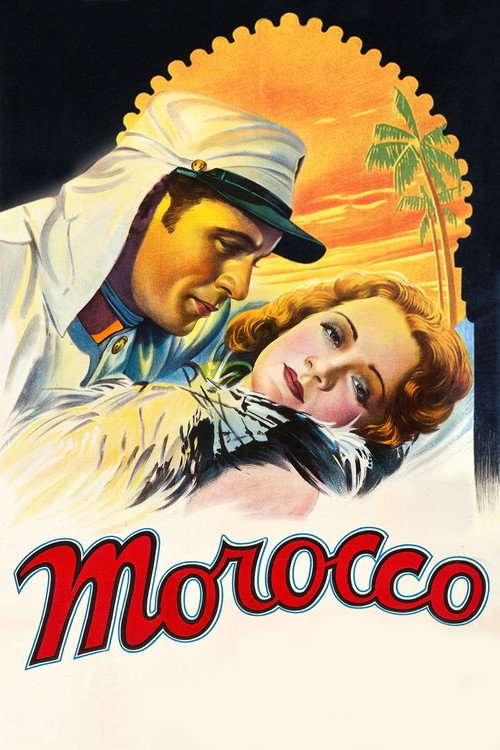
Morocco1930
Marlene Dietrich in von Sternberg's dreamlike meditation on desire and identity. She's alluring and unknowable; the film is more about atmosphere and longing than plot.
But It's slow and impressionistic. If you want a clear narrative or quick thrills, this will feel mannered and precious.
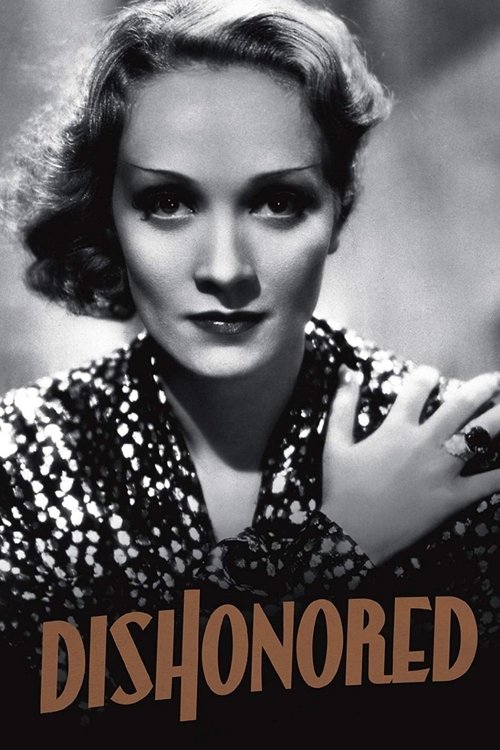
Dishonored1931
Another von Sternberg-Dietrich collaboration, with Dietrich as an Austrian spy in World War I. Visually rapturous and morally complex—a woman using her sexuality as both weapon and trap.
But Von Sternberg's style is so stylized it can overshadow character. The eroticism is oblique; some find it dated and slow. The ending is blunt and difficult.
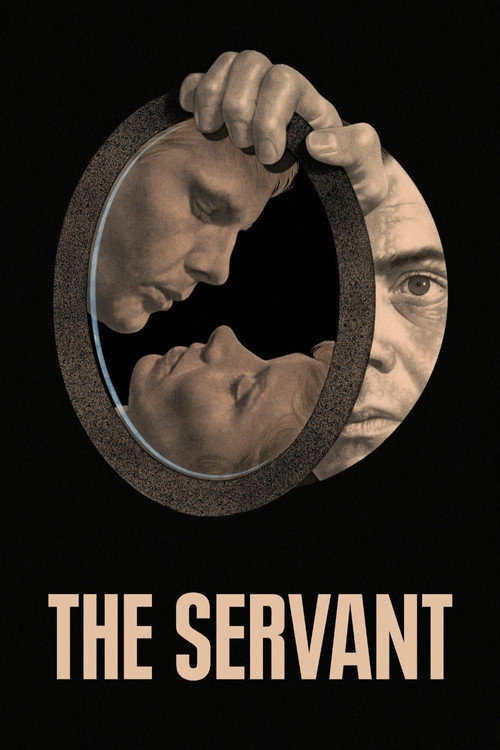
The Servant1963
Both explore how intimacy can be weaponized, how a person can seduce another into self-destruction by making them feel seen and desired—and both ask what remains of the self when trust becomes a tool.
Joseph Losey's psychological thriller where a servant subtly inverts power dynamics and seduces his employer into complicity and degradation. The seduction is psychological, not sexual, but it's the same engine: desire as domination.
But It's claustrophobic, sexually perverse, and deeply uncomfortable. The power games are nasty; there's no one to root for. It's bleak in ways that repel some viewers entirely.
People
Cast
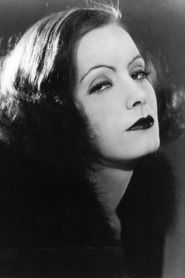 Greta GarboTania Fedorova
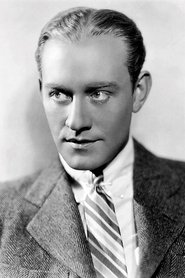 Conrad NagelCapt. Karl von Raden
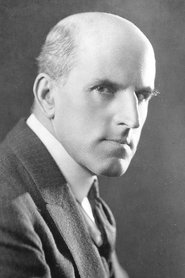 Gustav von SeyffertitzGeneral Boris Alexandroff
- Albert PolletMax Heinrich
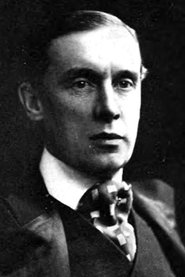 Edward ConnellyColonel Eric von Raden
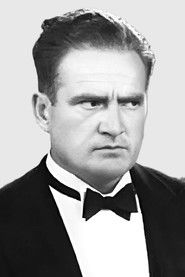 Richard AlexanderGeneral's Aide
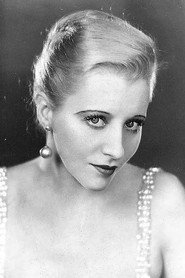 Symona BonifaceParty Guest (uncredited)
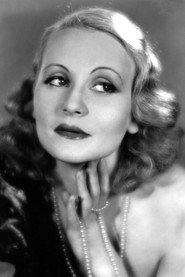 Geraldine DvorakParty Guest (uncredited)
- Nicholai KonovaloffOfficer Standing at Tania's Table (uncredited)
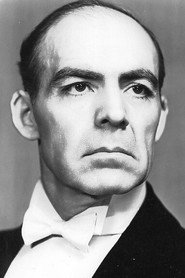 William H. O'BrienCafe Waiter Serving Wine (uncredited)
 Russ PowellCarriage Driver (uncredited)
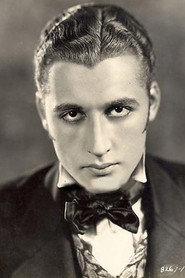 Youcca TroubetzkovRussian (uncredited)
Directing
- Harold S. BucquetAssistant Director
- Fred NibloDirector
Writing
- Bess MeredythAdaptation
- Ludwig WolffNovel
- Marian AinsleeWriter
- Ruth CummingsWriter