
Film
A Woman of Affairs
A silent-era drama about a woman undone by circumstance and her own choices, caught between duty and desire. Greta Garbo at her most luminous and tragic, carrying a film that trades plot for mood and close-ups for dialogue. For anyone drawn to the expressive power of silent cinema or the particular melancholy of 1920s romance.
Should you watch it?
Watch it if you love old-fashioned melodrama where a glance or a gesture carries the whole emotional weight, and you don't mind a romance that lingers in longing.
Skip it if you need brisk, dialogue-driven plots or quick pacing, since this 1920s melodrama moves at its own unhurried pace and plays its feelings very large.
What it asks of you: About 90 minutes of patience with long pauses, lingering close-ups and heightened sorrow; it wants you to sit with a face rather than chase the plot.
Not sure? Find tonight's pick in a minute.
If you liked this
Sunrise: A Song of Two Humans1927
A masterpiece of silent cinema that matches Garbo's emotional intensity with visionary filmmaking. Urban sophistication collides with primal human drama in a film that feels both of its moment and timeless.
But The pacing is deliberate and the emotional beats are conveyed entirely through image and performance—no shortcuts. Requires patience and genuine engagement with what's on screen.

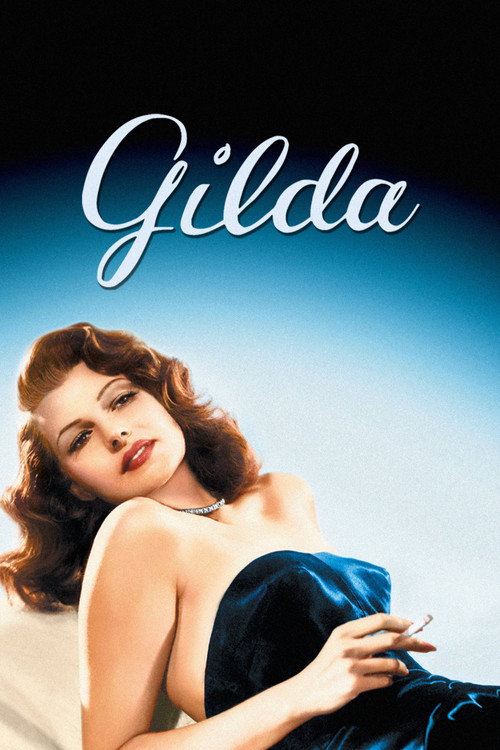
Gilda1946
Rita Hayworth in a role about a woman's reputation, desire, and the men who try to own her. Same DNA as Garbo's Diana: beautiful, reckless, ultimately tragic, and unflinchingly direct about how society punishes women for ambition.
But The sexual politics are mid-century, which means some attitudes land badly. It's also less interested in psychology than in surface glamour and intrigue.
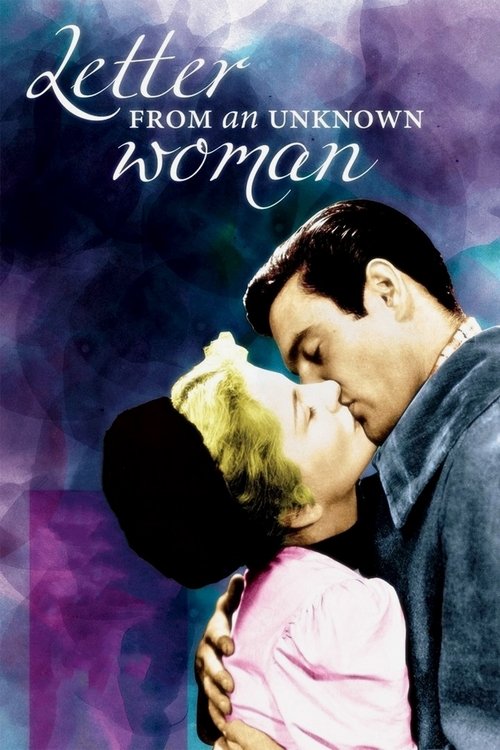
Letter from an Unknown Woman1948
Max Ophüls captures the same doomed romance and female sacrifice as Garbo does here, but with even more visual sophistication. A woman's entire life orbits a man who barely notices her—heartbreaking and gorgeous.
But Joan Fontaine's character is painfully passive. If you find it frustrating to watch women love men who don't deserve them, this will test your patience.
Not sure tonight? Get a pick in a minute, starting from A Woman of Affairs
The wildcard
Something you would not have found on your own.
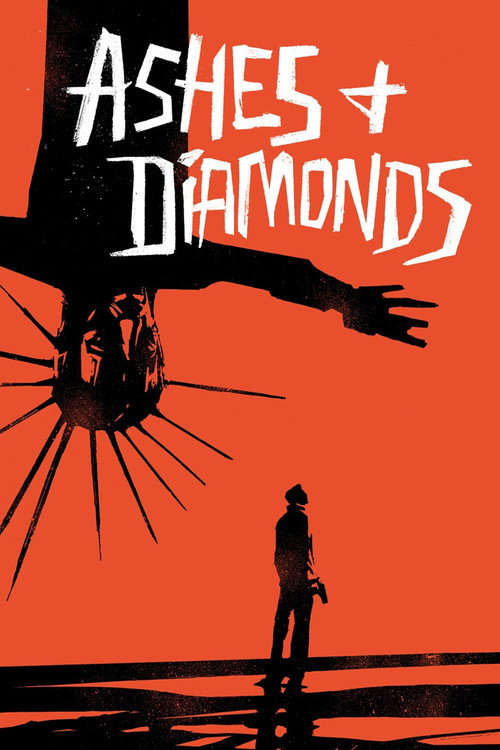
Ashes and Diamonds1958
Both films trust visual storytelling over plot. Both center on beautiful, doomed figures who cannot escape their circumstances. Both find profound pathos in the gap between what a person wants and what they're allowed to have—but where A Woman of Affairs is about social constraint, this is about history and fate.
Andrzej Wajda's Polish masterpiece: a young man with blood on his hands tries to live a normal life, carrying his past like Diana carries hers. Shot in luminous black-and-white that matches the beauty and doom of Garbo's close-ups. Not a romance, but a meditation on how history and violence warp the soul.
But It's a political allegory beneath the surface, and the politics are specifically Polish and post-WWII. Without that context, the deeper resonances can feel obscure. Slow and morally ambiguous rather than cathartic.
More like this (7)
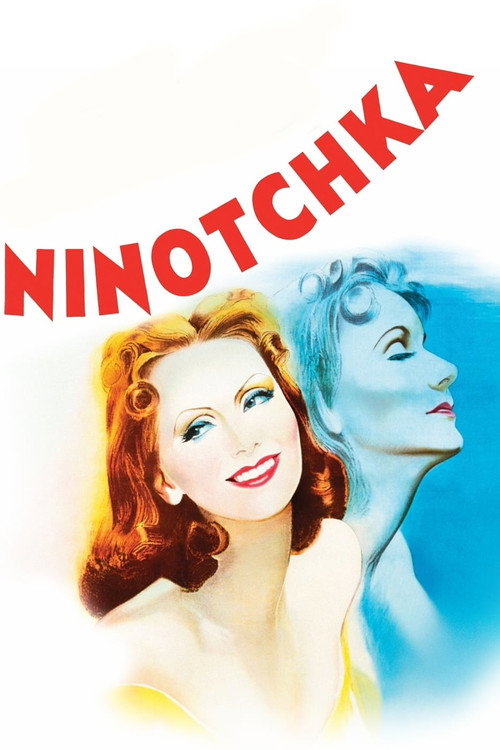
Ninotchka1939
Garbo herself, seventeen years later, proving she had range beyond tragedy. A Soviet agent undone by Paris and champagne—lighter than A Woman of Affairs, but with the same star power and romantic fatalism.
But It's a comedy, which means the stakes feel lower. If you're watching to see Garbo at her most vulnerable, you'll want something darker.
The Phantom Carriage1921
Swedish cinema's other masterpiece of the silent era. A film about regret, redemption, and how the past haunts the present—thematically close to Diana's spiral, executed with stunning visual effects for 1921.
But It's a ghost story first and a drama second, which can feel melodramatic. Some viewers find the moral framework oppressively heavy-handed.

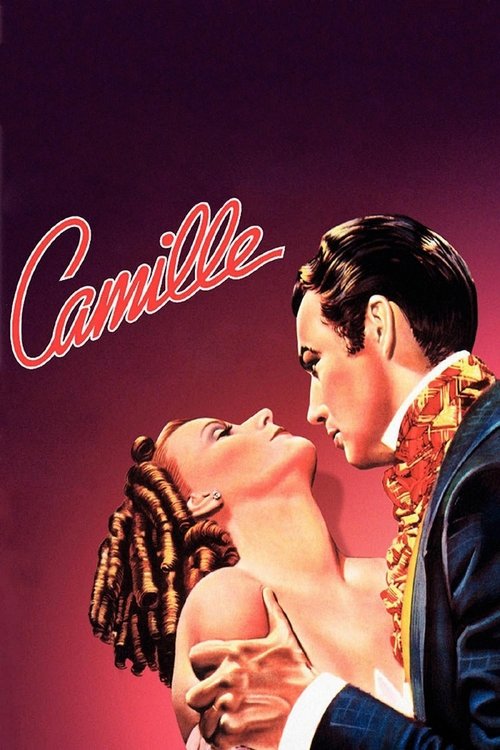
Camille1936
Garbo as a courtesan dying of tuberculosis—the ultimate tragic romance. If you loved her in A Woman of Affairs, this is the apotheosis of that same archetype, fully realized and devastating.
But It's repetitive thematically and relies heavily on the audience's patience with her slow decline. The fatalism can feel suffocating.
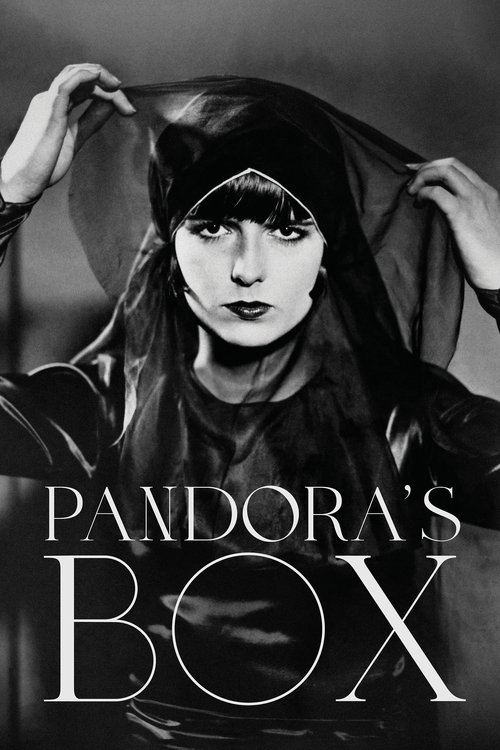
Pandora's Box1929
Louise Brooks as a woman who destroys everything she touches, just a year after Garbo's Diana. German Expressionism meets femme fatale—darker, more dangerous, equally transfixing.
But Brooks's Lulu is amoral rather than sympathetic. The film doesn't ask you to forgive her, which some find cold.
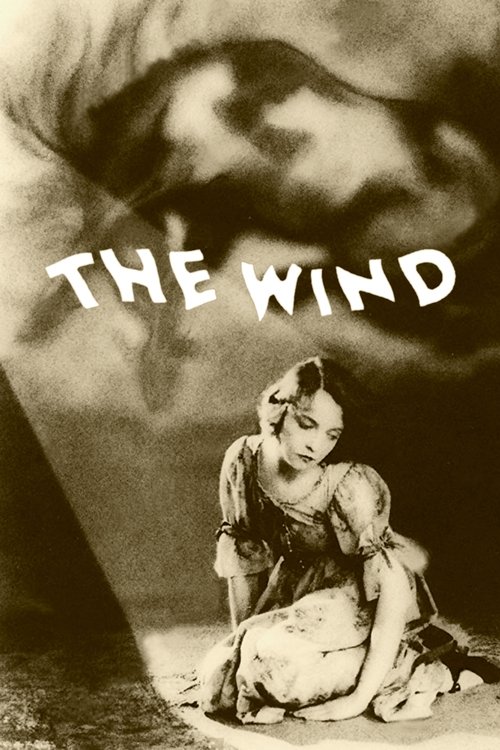
The Wind1928
Lillian Gish at the end of the silent era, driven to madness by isolation and circumstance. Same year as A Woman of Affairs, same commitment to showing female suffering without sentimentality.
But The bleakness is relentless and the final act verges on horror. It's a film that leaves you wrung out rather than moved.
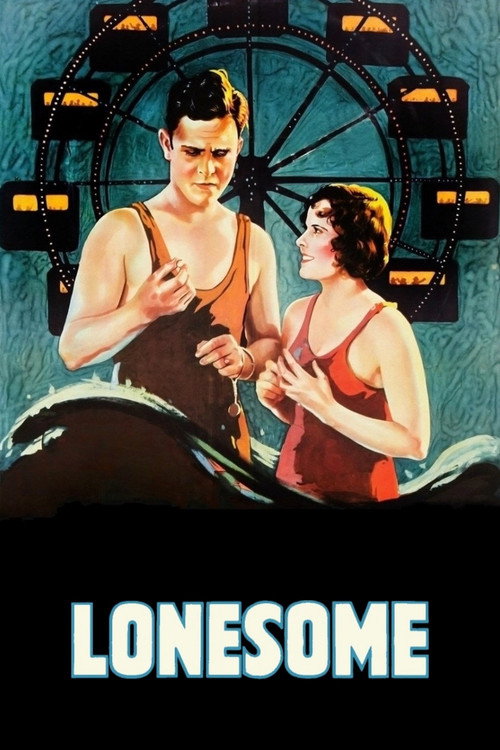
Lonesome1928
A love story about ordinary people from the same year, shot with visual poetry that elevates everyday romance to myth. If you responded to the mood of A Woman of Affairs, this offers a gentler version of the same elegance.
But It's quieter and less intense than you might expect. Some viewers find it slight—a sketch rather than a full story.
In the Mood for Love2000
Like A Woman of Affairs, it's a film about desire frustrated by social propriety, told entirely through visual language and the actor's face. Both understand that sometimes the most devastating moments are the ones that never happen. Both prove that cinema's greatest power is to show us longing.
Wong Kar-wai's Hong Kong elegy about two neighbors who may be falling in love while constrained by propriety and circumstance. Shot in radiant color and architectural precision, it's the spiritual descendant of silent cinema's mood-based storytelling. Dialogue matters far less than yearning and the spaces between bodies.
But Almost nothing happens and that is the entire point. If you need plot momentum or emotional release, this will feel like torture—it's designed to leave you aching and uncertain. The pacing is glacial.

People
Cast
 Greta GarboDiana Merrick
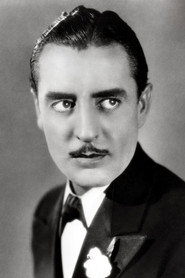 John GilbertNeville Holderness
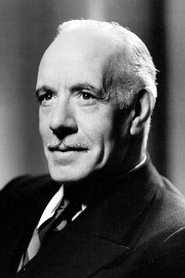 Lewis StoneDr. Hugh Trevelyan
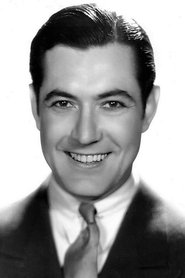 Johnny Mack BrownDavid Furness
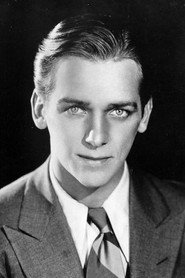 Douglas Fairbanks Jr.Jeffry Merrick
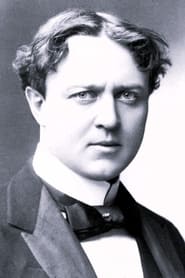 Hobart BosworthSir Morton Holderness
 Dorothy SebastianConstance
 Gertrude AstorParty Guest (uncredited)
- Agostino BorgatoFrench Police Inspector (uncredited)
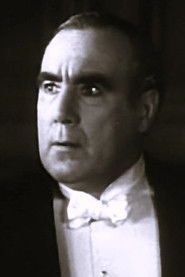 Sydney JarvisGendarme (uncredited)
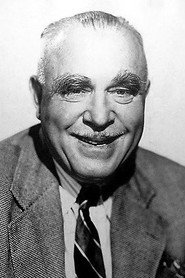 Fred KelseyDetective (uncredited)
 Anita LouiseYoung Diana (uncredited)
Directing
- Charles DorianAssistant Director
- Bess MeredythContinuity
- Clarence BrownDirector
Writing
- Michael ArlenNovel
- Michael ArlenStory
- Bess MeredythWriter
- Marian AinsleeWriter
- Ruth CummingsWriter
Recommended by
The Scarlet Letter, The Divorcee, The Diplomat, The Temptress, The Honourable Woman, Evening, Five and Ten, Shanghai Express, Flesh and the Devil, The Waltz Dream, Bells Are Ringing, The Mysterious Lady, Why Change Your Wife?, Back Street, Possessed, The Guardsman, Christopher Strong, I Take This Woman