
Film
Letter from an Unknown Woman
Max Ophüls's 1948 melodrama tells its entire tragedy backwards, through a letter read by a man who barely remembers the woman who wrote it. The camera glides through Vienna's staircases and ballrooms with the same restless longing as its heroine, turning a simple story of unreturned love into something aching and inevitable. Gorgeous, precise, and quietly devastating — for anyone who thinks classic Hollywood romance can't cut deep.
Should you watch it?
Watch it if you love melancholy romances told through memory, where a single long letter carries the whole weight of a lost life and the restraint of the performances does more than any big gesture could.
Skip it if you want romance that moves briskly toward its payoff, since this one lingers in regret and lets a lot of quiet, sorrowful stretches settle before anything resolves.
What it asks of you: About ninety minutes of patient, unhurried attention, mostly spent in one voice reading and remembering, with a mood that stays wistful and bruised rather than light.
Not sure? Find tonight's pick in a minute.
If you liked this
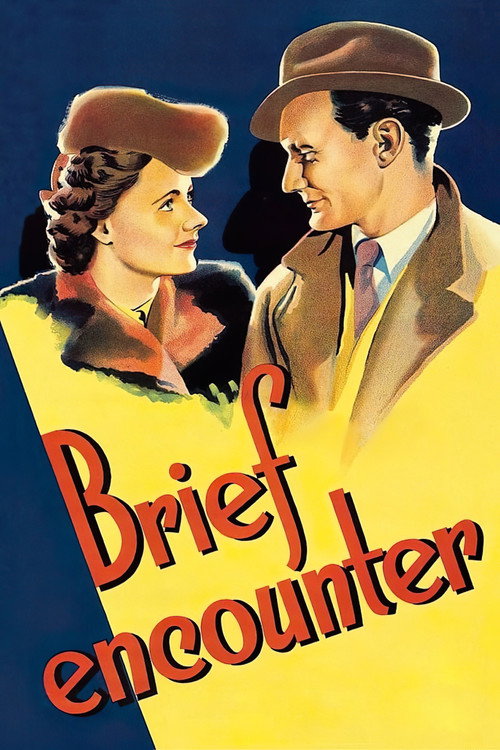
Brief Encounter1945
David Lean's tale of a fleeting, doomed affair between two ordinary people has the same restrained ache — desire kept just below the surface, narrated by someone trying to make sense of what happened to them.
But Its stiff-upper-lip Englishness and clipped 1940s dialogue can feel a world away from Ophüls's swooning camera and continental yearning.
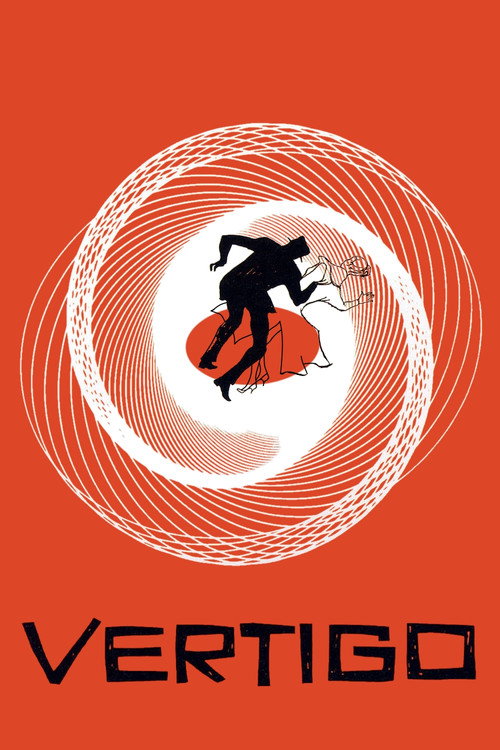
Vertigo1958
Hitchcock's own study of a man reshaping a woman into the image of his obsession, and of memory bending reality until you can't trust what you're watching — the same spellbound quality as Stefan's recollections.
But It's a thriller first and a romance second, and its treatment of its heroine has aged into something genuinely uncomfortable.
In the Mood for Love2000
Wong Kar-wai's masterpiece of glances, near-misses, and love that never gets to happen properly — every frame drenched in the same beautiful, hopeless longing that powers Ophüls's letter.
But Almost nothing is said outright; if you need dialogue to carry emotion, its silences might frustrate more than move you.

Not sure tonight? Get a pick in a minute, starting from Letter from an Unknown Woman
The wildcard
Something you would not have found on your own.
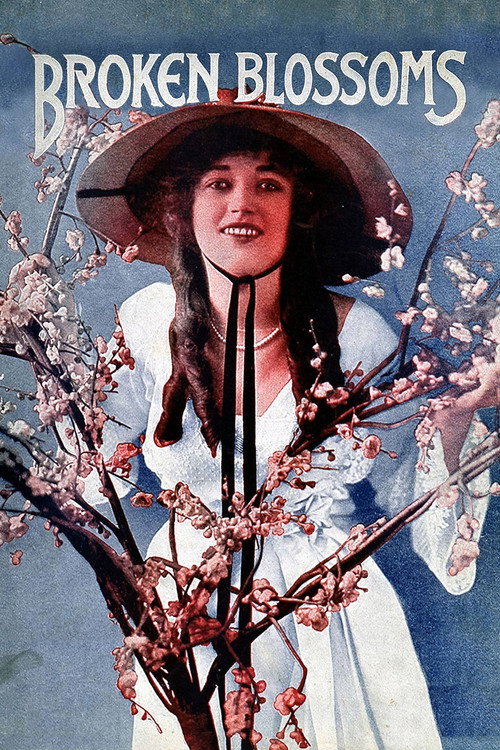
Broken Blossoms or The Yellow Man and the Girl1919
Both are stories of someone whose entire devotion to another person goes almost entirely unnoticed by its object, ending in an inevitability the audience senses long before the characters do — this one just does it thirty years earlier, and in total silence.
D.W. Griffith's silent melodrama, one of the earliest films to treat a working-class woman's inner devotion as the whole story, using faces and gesture alone to build the same slow, aching inevitability Ophüls achieves with camera and voice.
But Silent, melodramatic, and unmistakably a product of 1919 — its pacing and moral framing take real patience to sit with now.
More like this (8)
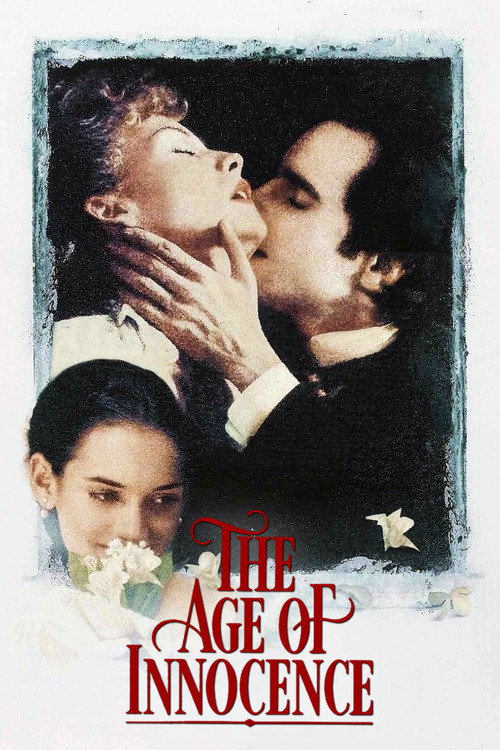
The Age of Innocence1993
Scorsese's most restrained film is also his most heartbroken — a story of love strangled by propriety and bad timing, narrated with the same rueful hindsight as Lisa's letter.
But It's slow and mannered, more interested in social ritual than in sweeping you off your feet.
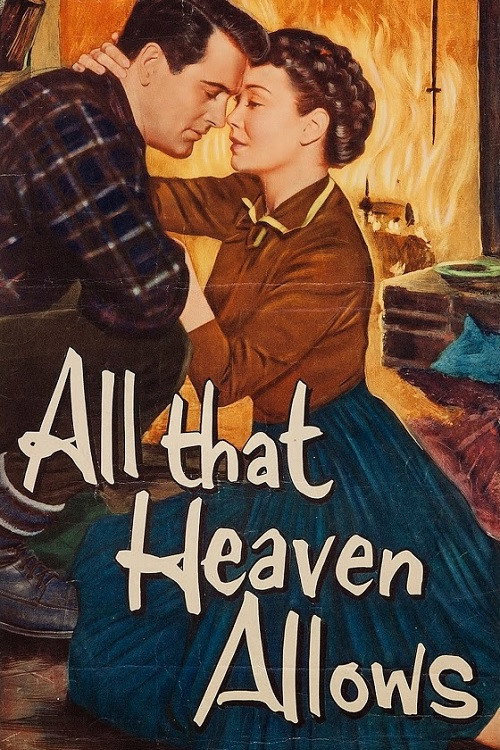
All That Heaven Allows1955
Douglas Sirk's Technicolor melodrama takes the same idea — a woman's love judged and thwarted by everyone around her — and turns the volume up to glorious, saturated excess.
But The lush artifice and blunt social commentary are miles from Ophüls's delicacy; some find Sirk's style more camp than moving.
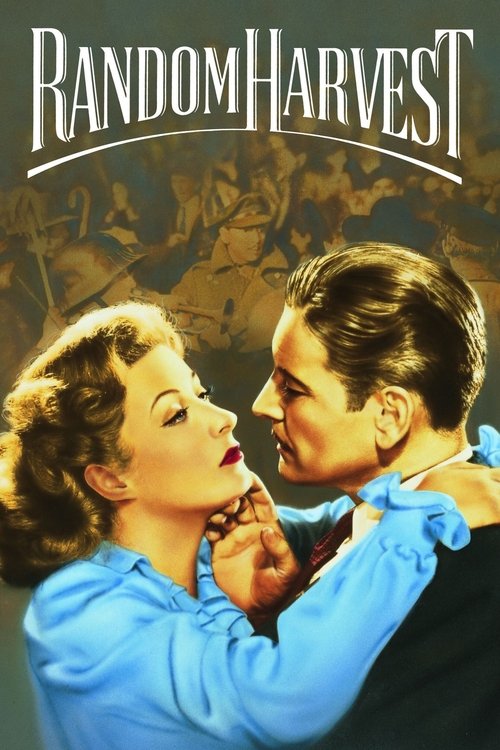
Random Harvest1942
A wartime weepie about memory, identity, and a love that survives even when one half of the couple can't remember it — as shameless and effective a tearjerker as they come.
But Its amnesia plot is pure contrivance, and it leans hard into sentiment where Ophüls stays cool and controlled.
The Remains of the Day1993
A story of love glimpsed too late and never spoken, told by someone constitutionally incapable of admitting what he felt — the mirror image of Lisa's total, unguarded devotion.
But It's a quiet, interior film about repression; the payoff is a slow burn rather than a swoon.

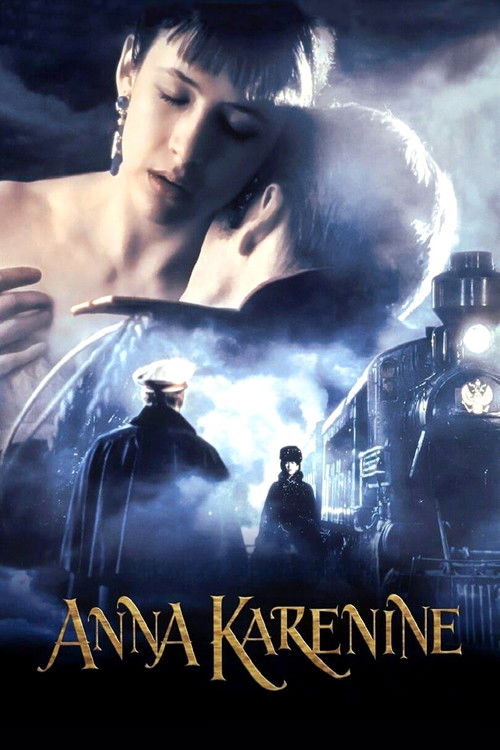
Anna Karenina1997
Tolstoy's tragic heroine gives herself entirely to a love that society and circumstance will punish her for, echoing the reckless, self-destroying devotion at the heart of Ophüls's story.
But This particular adaptation has never quite escaped the shadow of better versions, and some find it visually flat.
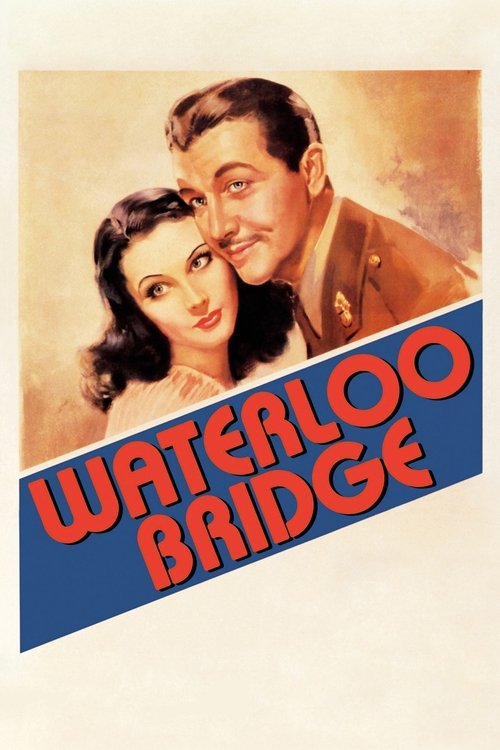
Waterloo Bridge1940
A wartime romance told in flashback by a woman remembering the one love of her life — the same structure of retrospective heartbreak, with old Hollywood's full melodramatic force behind it.
But It's unabashedly sentimental, and its wartime moralising and coincidences will feel dated to modern viewers.
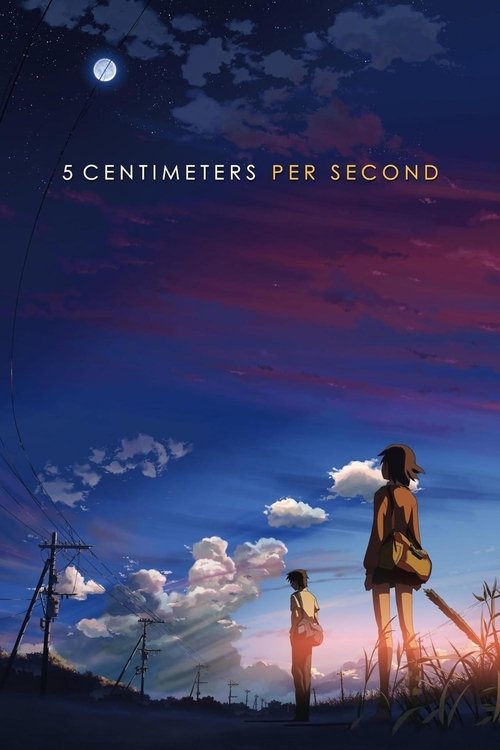
5 Centimeters per Second2007
Swap Vienna's staircases for Tokyo train platforms and you get the same engine: a love that never lines up in time, felt across years by someone who never stopped, drifting further from the person who barely notices.
A quietly devastating Japanese anime triptych about how two people's lives drift apart despite everything, told with the same patient, wordless ache for lost timing that defines Ophüls's ending.
But It's animated, slight in plot, and its melancholy is so understated some viewers find it merely sad rather than moving.
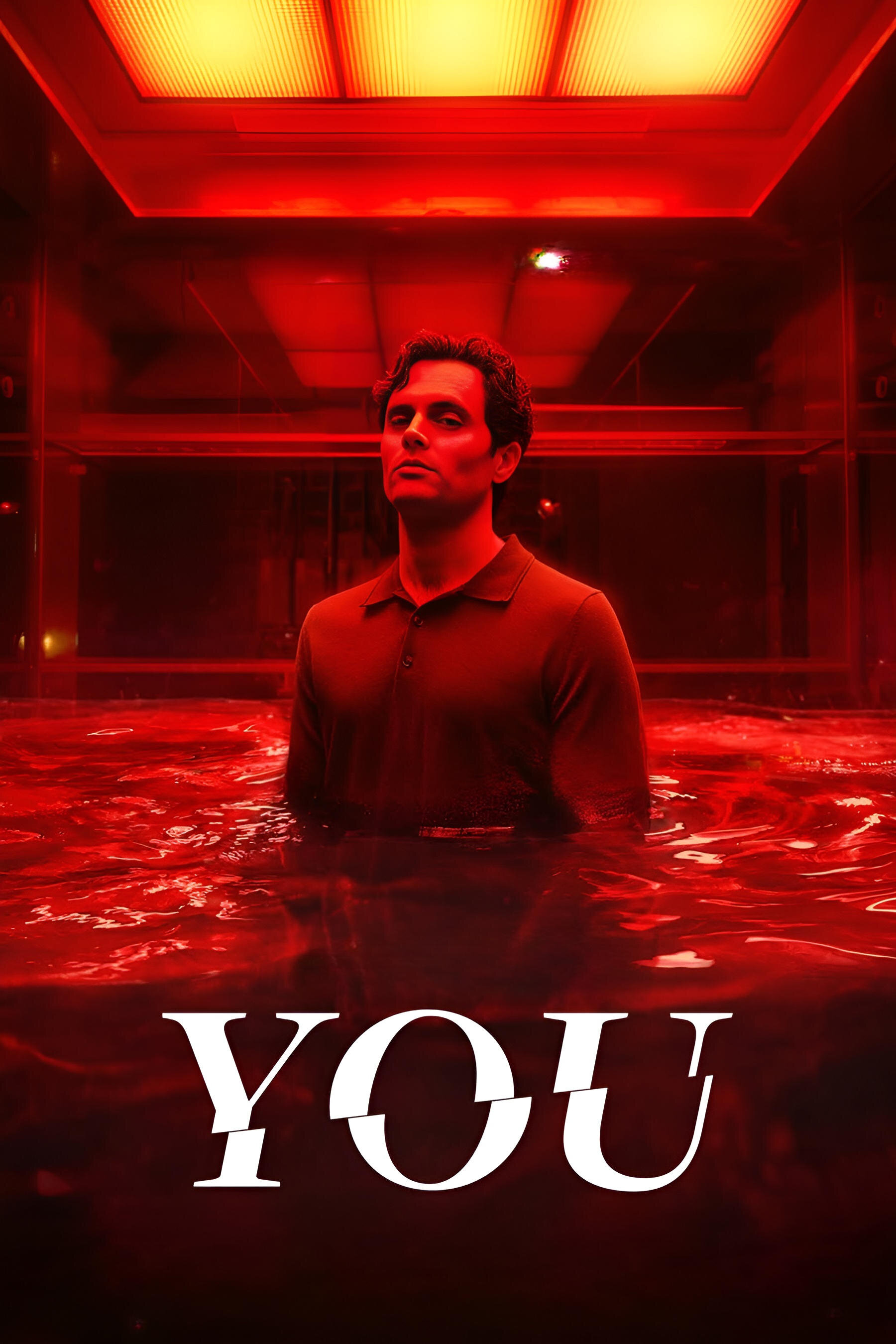
You2018
Take the same voice — a devoted narrator explaining, patiently and at length, exactly why love for someone who barely knows them is real — and put it in the mouth of a stalker instead of a tragic heroine; the same structure suddenly reads as horror.
A trashy, addictive Netflix thriller narrated by a man convinced his obsession with a woman is love — a pulpy, contemporary inversion of the same unreliable, devoted narrator Ophüls trusts us to sympathise with.
But It's glossy pulp with none of Ophüls's restraint or moral seriousness, and its tone swings between satire and genuine menace.
People
Cast
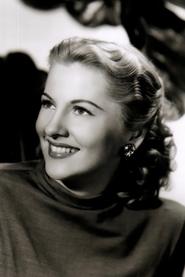 Joan FontaineLisa Berndle
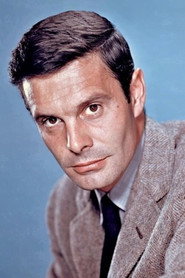 Louis JourdanStefan Brand
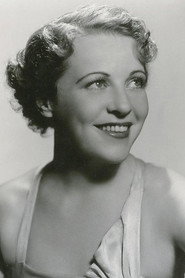 Mady ChristiansFrau Berndle
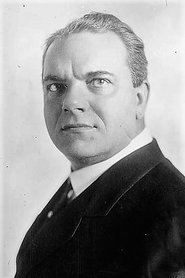 Marcel JournetJohann Stauffer
 Art SmithJohn
 Carol YorkeMarie
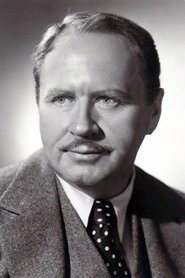 Howard FreemanHerr Kastner
- John GoodLt. Leopold von Kaltnegger
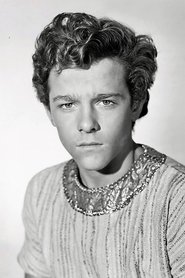 Leo B. PessinStefan Jr.
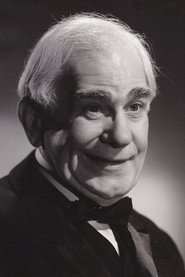 Erskine SanfordPorter
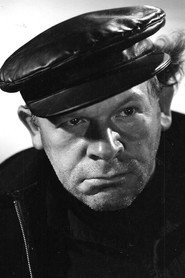 Otto WaldisConcierge
- Sonja BrydenFrau Spitzer
Directing
- Max OphülsDirector
Writing
- Stefan ZweigAuthor
- Stefan ZweigNovel
- Howard E. KochScreenplay
Production
- William DozierExecutive Producer
- John HousemanProducer
Recommended by
The Age of Innocence, Dangerous Love Affairs, The Bridges of Madison County, Hiroshima Mon Amour, The Portrait of a Lady, An Affair to Remember, Valmont, Same Time, Next Year, Way Down East, Auntie Mame, Paris 1900, So Proudly We Hail, The Old Maid, Peter Ibbetson, Marlene, City Girl, The Little Foxes, Lola Montès, The Sheik, Foolish Wives, The Foxes of Harrow, A Woman of Affairs, East Side, West Side, Jezebel, The Four Feathers, Tender Is the Night, Blonde Venus, Johnny Belinda, The Constant Nymph, Raintree County, Anna Karenina, Bitter Sweet, The Snows of Kilimanjaro, Separate Tables, Madame du Barry, Torch Singer, Enchantment, The Burning Secret, Five and Ten, Interlude, Shanghai Express, The Woman Between, The Garden of Allah, The Letter, The Inn of the Sixth Happiness, Flesh and the Devil, Bonjour Tristesse, Madame Bovary, True Heart Susie, Since You Went Away, Varda by Agnès, Andaz, Payment on Demand, Madame Butterfly, Shakespeare-Wallah, Ascendancy, All This, and Heaven Too, A Matter of Dignity, Effi Briest, Kitty Foyle, Night Song, Humoresque, The Astonished Heart, Moonlight Sonata, The Story of Three Loves, The Scarlet Letter, The Eternal Return, The Dark Angel, Elephant Walk, The Painted Veil, The Bitter Tea of General Yen, The Ace of Cads, 24 Hours of a Woman's Life, The Seventh Sin, The Paradine Case, Intermezzo: A Love Story, Stella Dallas, This Angry Age, The Branded Woman, Anna Christie, The Private Affairs of Bel Ami, The Mothering Heart, The Mountain Eagle, A Lady to Love, The Dancing Years, Stromboli, Cass Timberlane, The Stoker, Carmen, Madame X, Caught, Lydia, Becky Sharp, Back Street, The Sin of Madelon Claudet, Winter Meeting, The Devil Is a Woman, Saraband for Dead Lovers, Faithless, The Common Law, Mayerling, The Great Man's Lady, Four Star Playhouse, So Big!, Deception, Downhill, Waterloo Bridge, Three Waltzes, Mayerling, Torrent, The Violent Men, Flame and the Flesh, Camille, Indiscretion of an American Wife, The Age of Innocence, Liebelei, Anthony Adverse, Camila