
Film
Johnny Belinda
A 1948 drama about a deaf-mute farm girl on a remote Canadian island whose life transforms when a compassionate doctor teaches her to communicate. It's a quietly powerful character study that treats deafness with surprising dignity for its era, anchored by Jane Wyman's extraordinary silent performance. Essential viewing for anyone interested in cinema's capacity to express the inexpressible.
Should you watch it?
Watch it if you love patient, character-driven melodrama where silence does the talking, and a performance built from gesture and glances matters more than plot twists.
Skip it if you need brisk pacing or a contemporary sensibility, since its stagey dialogue and sentimental streak can feel dated, and its hardships sit heavy throughout.
What it asks of you: It runs 102 minutes in black and white, asking you to settle into long stretches of quiet looks and slow rural routine before the emotion breaks through.
Not sure? Find tonight's pick in a minute.
If you liked this
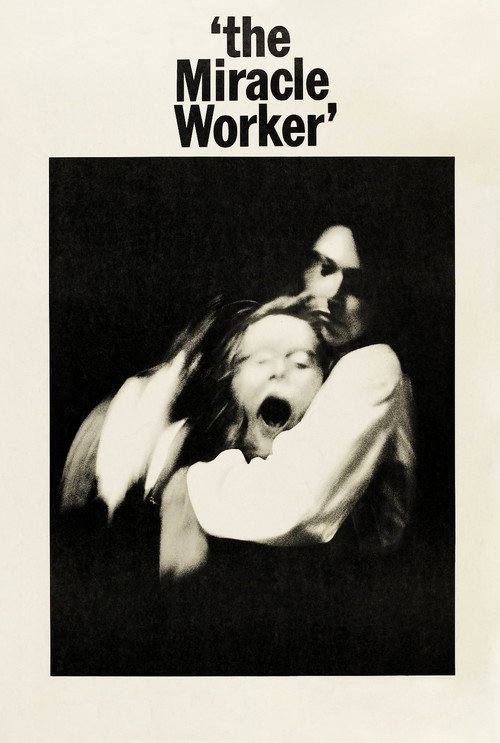
The Miracle Worker1962
Another story of a young deaf woman learning language, but told with explosive dramatic energy. Anne Bancroft and Patty Duke create scenes of genuine physical and emotional struggle that rival anything in cinema.
But It's been 60 years and the film hasn't aged evenly—some moments feel theatrical in a way that can distance modern viewers.
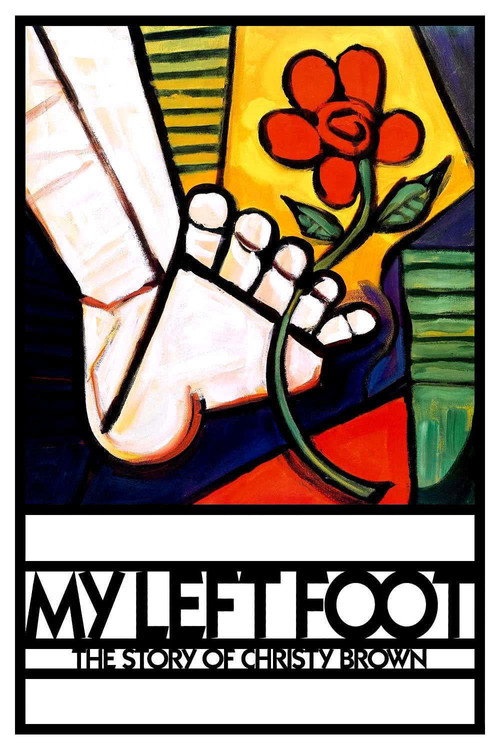
My Left Foot: The Story of Christy Brown1989
Daniel Day-Lewis as Christy Brown, an artist with severe cerebral palsy determined to express himself. Like Johnny Belinda, it's about communication against crushing odds, with a performance so committed it becomes almost uncomfortable to watch.
But The sentimentality occasionally tips into feel-good territory, and the film can feel a bit neat for a life this complicated.
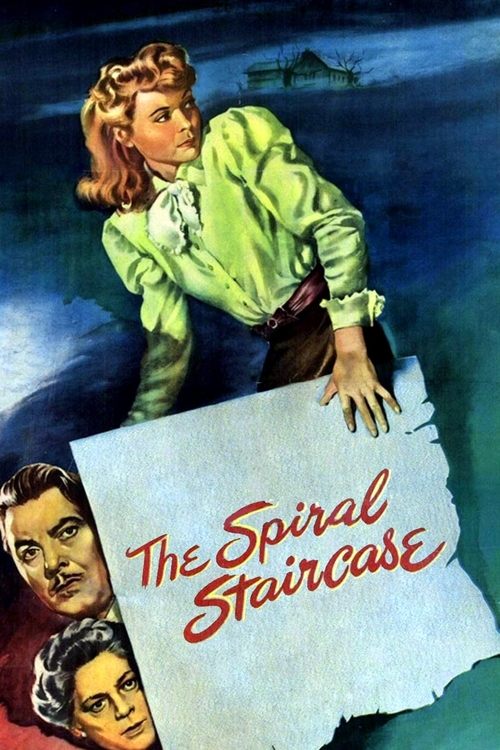
The Spiral Staircase1946
Another 1940s drama featuring a silent female protagonist hunted through a house by an unseen threat. It's a taut psychological thriller that uses silence and isolation as its primary weapons, predating Johnny Belinda by two years.
But The pacing drags in stretches, and the twist, when it comes, feels somewhat obvious to contemporary viewers.
Not sure tonight? Get a pick in a minute, starting from Johnny Belinda
The wildcard
Something you would not have found on your own.
Come and See1985
Both films are about the possibility of communication across vast silences—whether imposed by deafness or by trauma. Both insist that bearing witness matters, and both refuse sentimentality in depicting human dignity under impossible conditions.
Elem Klimov's Belarusian masterpiece about a boy conscripted into the Soviet army during WWII. It's an utterly uncompromising film about witnessing horror and the slow death of innocence, told with the kind of unblinching commitment to truth that Johnny Belinda's doctor brings to his patient.
But It is one of the most brutal, difficult films ever made. Graphic violence, extreme suffering, and a tone that never relents. You will not feel okay after watching it, and that is deliberate.

More like this (6)
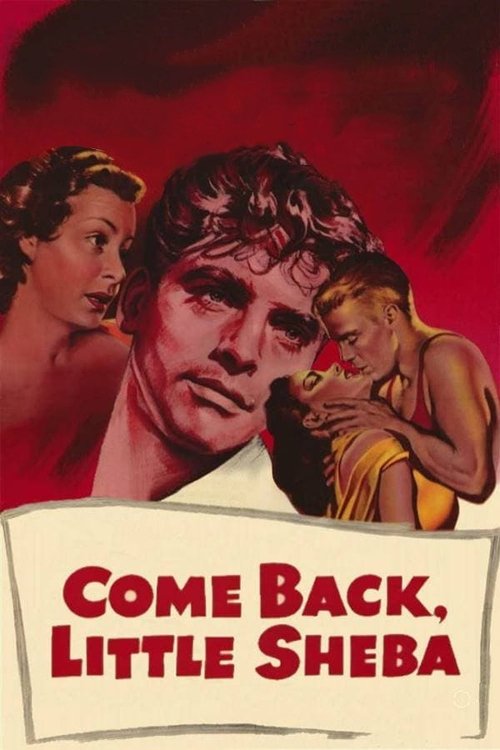
Come Back, Little Sheba1953
Burt Lancaster and Shirley Booth in a chamber drama about a working-class couple in crisis. It has the same intimate, unglamorous quality as Johnny Belinda—small lives caught in moments of quiet devastation.
But Nothing dramatic happens. If you need plot, this will feel like watching paint dry in a depressed neighbourhood.
The Best Years of Our Lives1946
Wyler's three-hour masterpiece about returning soldiers adjusting to civilian life. Harold Russell, an actual amputee, plays a man learning to live without his hands—a performance of profound honesty that parallels Wyman's work.
But It's long, episodic, and unevenly paced. The romance subplot feels obligatory, and you may lose patience before you lose interest.

Sunrise: A Song of Two Humans1927
Murnau's silent masterpiece about a man tempted to abandon his wife. Like Johnny Belinda, it proves cinema's capacity to convey complex emotion without dialogue—just faces, light, and movement.
But Being a 1927 film, it demands patience with intertitles and a visual language that predates sound cinema. It's beautiful but austere.

Letter from an Unknown Woman1948
Released the same year as Johnny Belinda, this Ophüls film is similarly structured around yearning and small, devastating truths. It's romantic without being sentimental, elegant without being cold.
But The plot relies on a series of coincidences that strain credulity, and the whole thing can feel a bit precious if you're not in the mood.

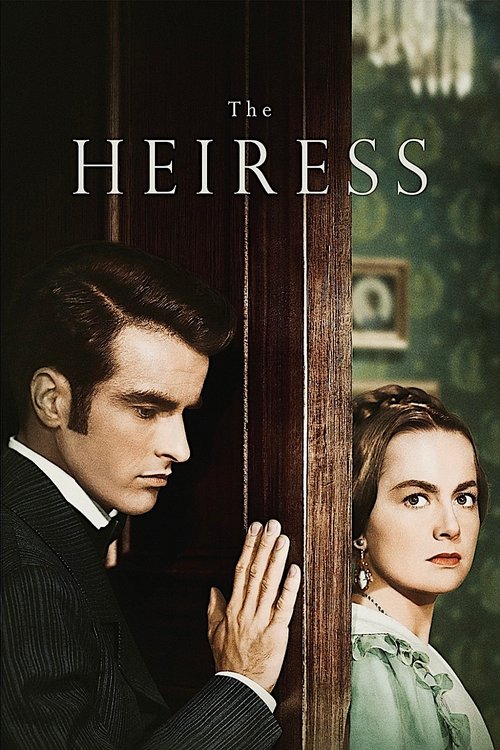
The Heiress1949
Olivia de Havilland's quiet, aching transformation from plain, overlooked daughter to a woman claiming her own power. It's about communication and the slow breaking of silence, told with surgical precision.
But It's not a feel-good story—quite the opposite. The ending is cold, and some viewers will find it bitter rather than bittersweet.
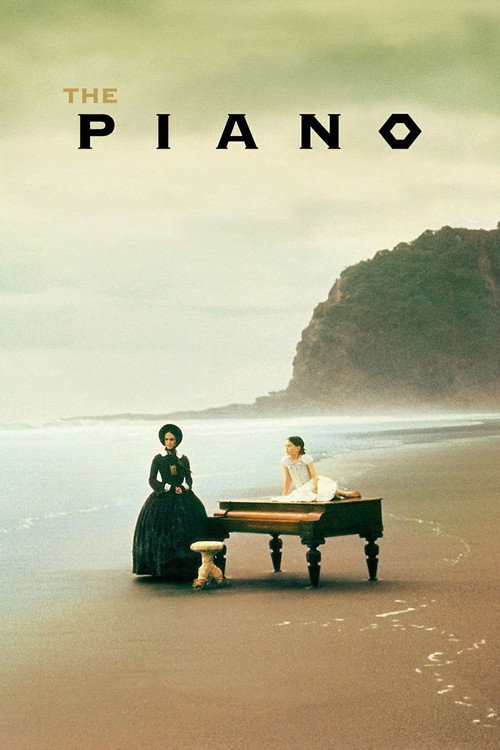
The Piano1993
The Piano inverts Johnny Belinda's logic: where the 1948 film celebrates the deaf woman learning to speak and integrate, Campion's heroine uses her muteness as power and chooses it over assimilation. Same premise, opposite conclusion—a dialogue across decades about what silence means.
Jane Campion's New Zealand film about a mute woman arriving in a remote settlement with her piano. It's lush, strange, and sensual in ways Johnny Belinda is not, but it shares a fascination with silence as presence rather than absence—and with how one woman's muteness can become a form of agency.
But It's deliberately artificial and theatrical, with a logic that is poetic rather than realistic. The sexuality may disturb some viewers. It will not feel like any drama you've seen.
People
Cast
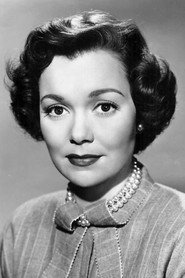 Jane WymanBelinda McDonald
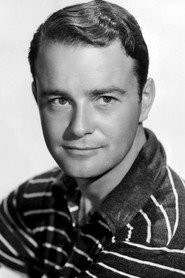 Lew AyresRobert Richardson
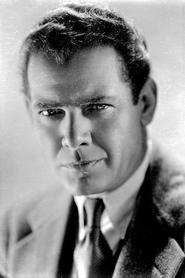 Charles BickfordBlack MacDonald
 Agnes MooreheadAggie MacDonald
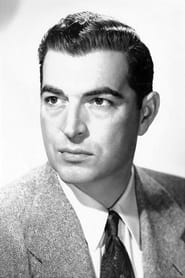 Stephen McNallyLocky McCormick
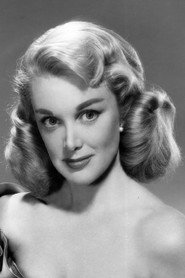 Jan SterlingStella McCormick
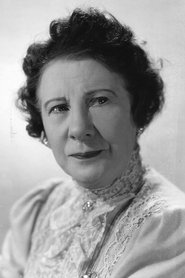 Rosalind IvanMrs. Poggety
- Dan SeymourPacquet
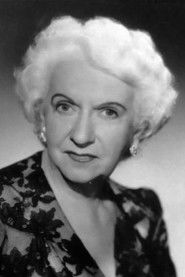 Mabel PaigeMrs. Lutz
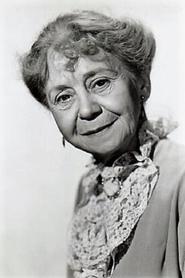 Ida MooreMrs. McKee
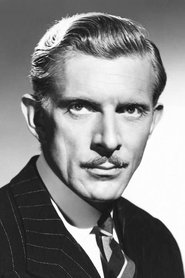 Alan NapierDefense Attorney
 Barbara BatesGracie Anderson (uncredited)
Directing
- Jean NegulescoDirector
Writing
- Allen VincentScreenplay
- Irma von CubeScreenplay
- Elmer HarrisTheatre Play
Production
- Jerry WaldProducer
- Bob FenderPublicist
Recommended by
Drums Along the Mohawk, Sergeant York, The Enchanted Cottage, Pride of the Marines, Pony Soldier, The Boy with Green Hair, The Silver Cord, Bright Victory, Jennifer: A Woman’s Story, I'll Cry Tomorrow, Blue Steel, Payment on Demand, The Story of Three Loves, Pursued, The Rare Breed, 100 Rifles, Arizona, Gallant Journey, Les Miserables, Warpath, Frontier Gal, Interrupted Melody, Fort Worth, The White Cliffs of Dover, Gunslinger