
Film
The Spiral Staircase
Other titles called The Spiral Staircase: the 1975 film.
- Horror
- Serial killer
- Thriller
- Very dark
A mute servant in a decaying mansion becomes the prey of a serial killer during a storm-wracked night. This 1946 thriller pioneered the slasher formula—vulnerable heroine, confined setting, unseen menace—but with the craftsmanship of studio-era cinema. It's atmospheric, tense, and genuinely unsettling. For anyone who loves suspense with real craft.
Should you watch it?
Watch it if you love slow-building gothic suspense, where a creaky mansion, rain-soaked corridors and a vulnerable heroine's fear do more work than gore, and you enjoy guessing who is lurking.
Skip it if the mystery leans on old-fashioned plotting and theatrical performances, so if you want modern pacing or a sharp, present-day grit, the stagey style may grate.
What it asks of you: About eighty-three minutes, unhurried at first, with long stretches of tension built from sound and shadow rather than action; it wants patience before the pace tightens.
Not sure? Find tonight's pick in a minute.
If you liked this
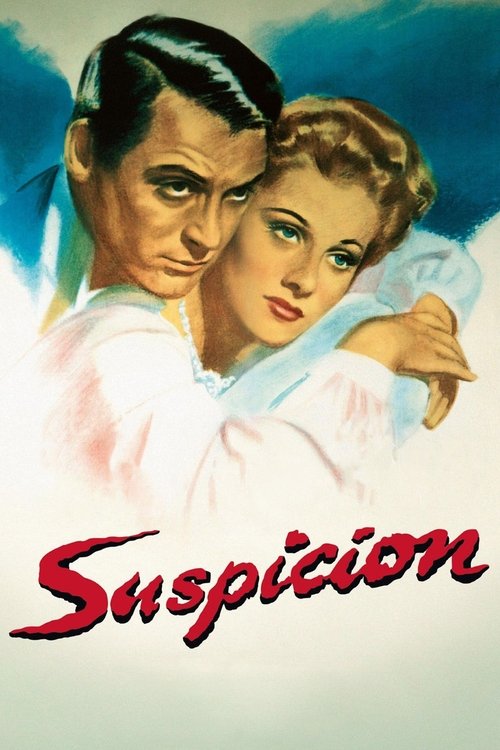
Suspicion1941
Cary Grant and Joan Fontaine in a masterclass of paranoia and misdirection. A wife suspects her charming husband of murder. The uncertainty cuts deeper than any revelation could.
But The final act pulls back from its own premise in ways that frustrated audiences then and still do now. Some find it a cop-out.
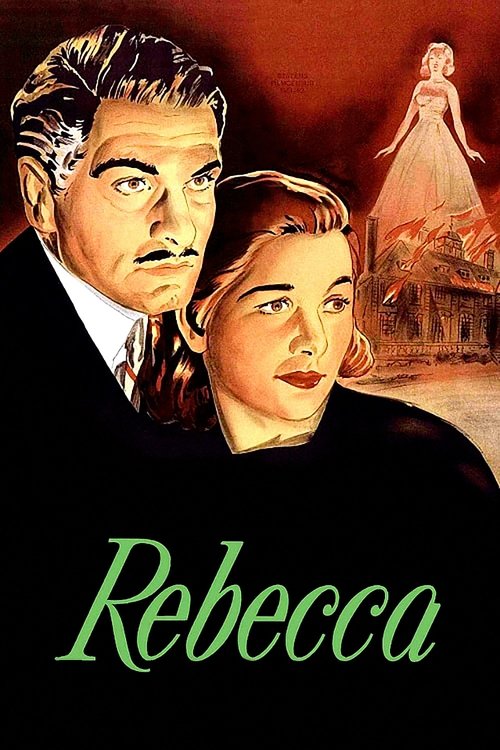
Rebecca1940
Gothic mansion, a woman unraveling under psychological pressure, a death that haunts everything. Hitchcock's only Best Picture winner, visually sumptuous and emotionally cruel.
But It's stately and sometimes slow. The pacing belongs to another era, and some viewers find it stagey.
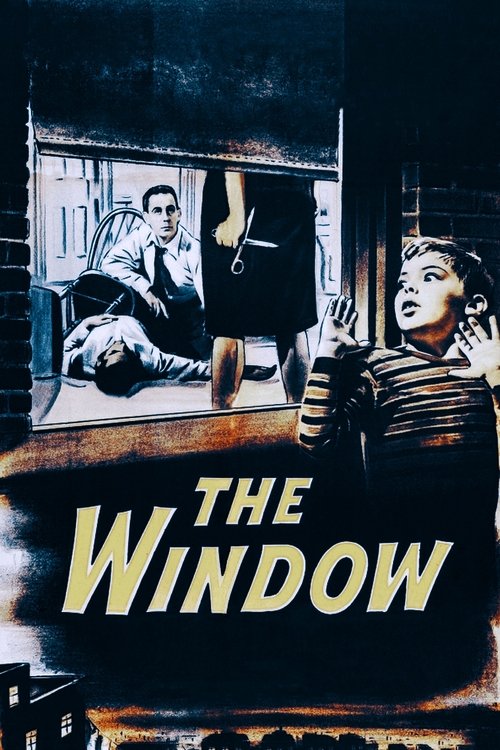
The Window1949
A boy witnesses a murder but nobody believes him. Raw 1940s noir shot on real New York streets, with a child bearing the full weight of the story. Desperate and tight.
But The child protagonist will annoy some viewers. He's bratty in realistic ways that don't read as charming.
Not sure tonight? Get a pick in a minute, starting from The Spiral Staircase
The wildcard
Something you would not have found on your own.
Rope1948
Both use confinement and darkness as weapons. The villain stalking Helen in her mansion mirrors the killers hosting their party—proximity as terror.
Two men murder a friend and host a dinner party in their apartment with the body hidden in a trunk. Hitchcock filmed it in real-time with minimal cuts, a technical experiment that also captures suffocation and moral rot. A locked-room thriller about the performance of innocence.
But The gimmick—those long takes and single setting—can feel like a strain rather than suspenseful. Some sequences drag while the camera hunts for a cut.

More like this (8)
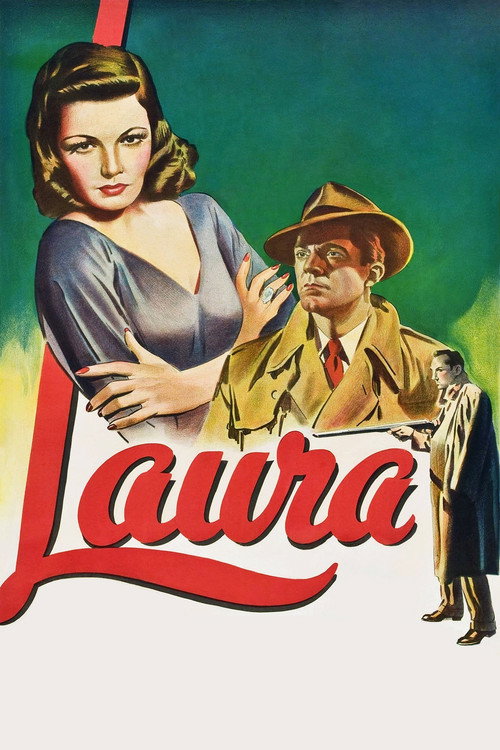
Laura1944
A detective obsesses over a murdered woman he never met. Sleek, strange, and deeply in love with its own mystery. The cinematography is jewel-box perfect.
But It's more style than substance, and the logic doesn't entirely hold. If plot holes break immersion for you, this won't work.
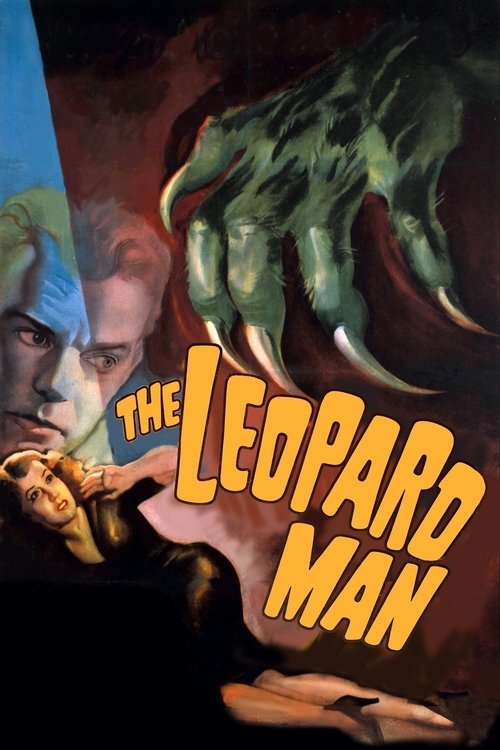
The Leopard Man1943
A black leopard escapes in a New Mexico town and a serial killer uses it as cover. Val Lewton's genius for suggesting horror rather than showing it—and the killer stalking scenes are genuinely inventive.
But Low budget shows in ways that dilute the menace. Some sequences feel more silly than scary in retrospect.
In a Lonely Place1950
Humphrey Bogart as a volatile screenwriter suspected of murder. A dark, unsettling love story masquerading as noir. The ending is bleak in ways Hollywood almost never permits.
But Bogart plays a man you often won't like. If you need your protagonist charming, this becomes a slog.

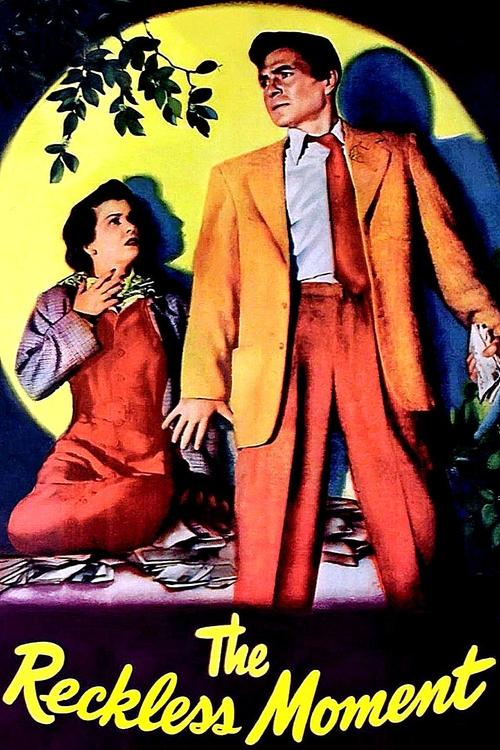
The Reckless Moment1949
A mother protects her daughter by committing blackmail. Ophüls' direction transforms domestic anxiety into genuine tragedy. Small stakes made cosmic through pure filmmaking.
But It's a chamber piece, and if you want action or plot momentum, it will feel glacial and repetitive.
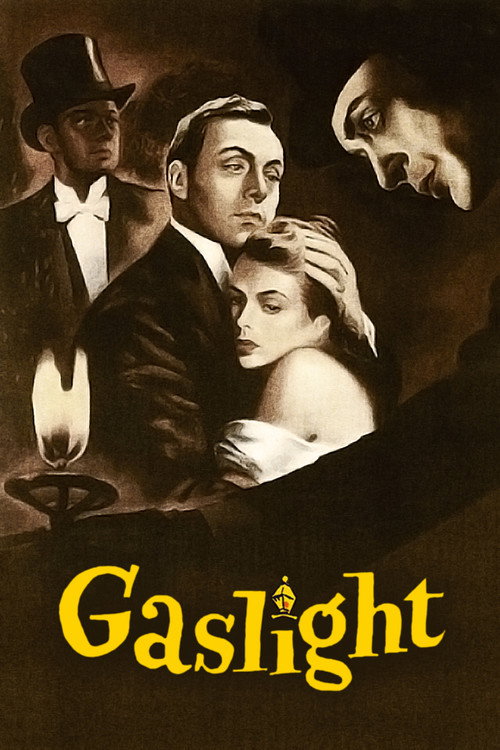
Gaslight1944
Ingrid Bergman as a woman systematically convinced she's insane by her husband. The term 'gaslighting' comes from this film. A portrait of psychological abuse before we had the language for it.
But Once you know the secret, the film's power drains. Rewatches lose what made the original grip so total.
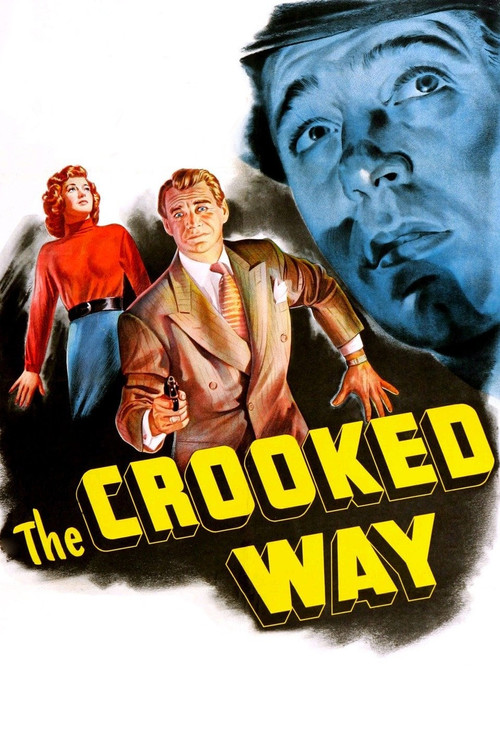
The Crooked Way1949
John Payne as an amnesiac ex-con trying to piece together who he was. Gritty streets and genuine paranoia. The confusion is infectious—you never quite trust what you're told.
But It's a B-picture, and corners show. The ending resolves too neatly for the unease you've spent eighty minutes absorbing.
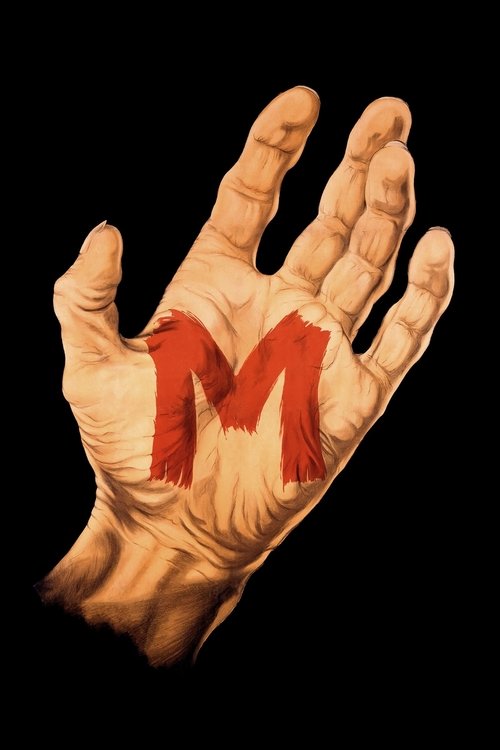
M1931
Both are about vulnerability to predation and the failure of protection. Helen is mute and alone; Lang's city is where children vanish. The killer is unseen in both until the moment truth breaks.
Fritz Lang's German masterpiece about the hunt for a child murderer in Berlin. The first great psychological thriller, newsreel-urgent and genuinely agonized. Peter Lorre's performance is a revolution—the killer sympathetic and monstrous.
But It's from 1931 and in German with subtitles. The pacing is 1930s deliberate, not modern quick-cut. Some will find it forbiddingly austere.
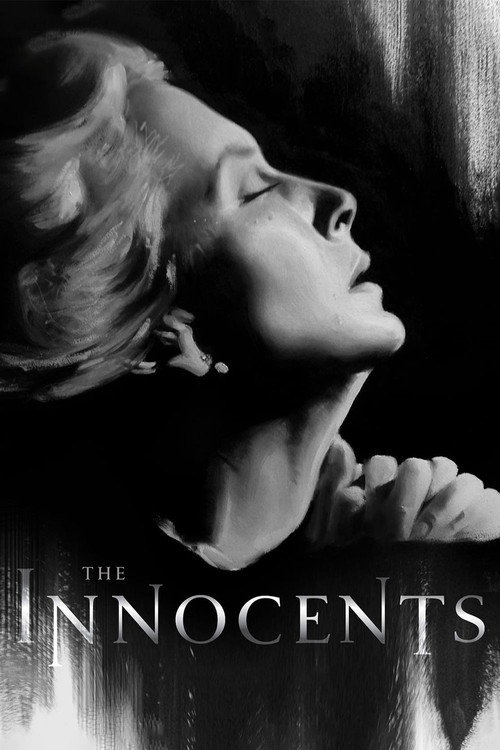
The Innocents1961
Both trap their protagonist in a house where reality becomes unreliable. The threat—seen or unseen, external or internal—matters less than the atmosphere of dread. Both are about how isolation can corrode certainty.
Is a governess protecting two children from ghosts, or is she delusional and dangerous? Deborah Kerr in a masterpiece of ambiguity—beautiful, chilled, and never settling into easy answers. The cinematography is black-and-white perfection.
But It's glacially paced and depends entirely on atmosphere over plot. If you need things to happen and be explained, this will frustrate you into fury.
People
Cast
 Dorothy McGuireHelen
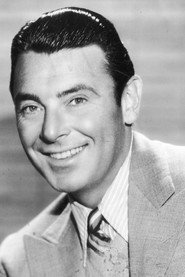 George BrentProfessor Warren
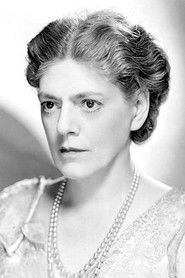 Ethel BarrymoreMrs. Warren
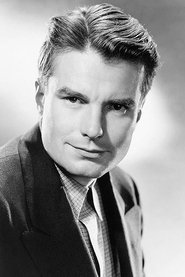 Kent SmithDr. Parry
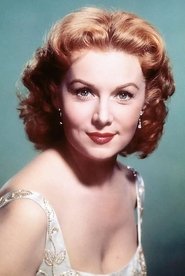 Rhonda FlemingBlanche
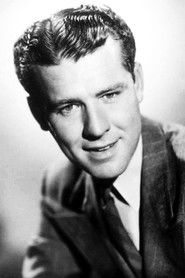 Gordon OliverSteve Warren
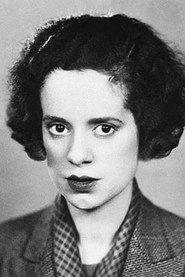 Elsa LanchesterMrs. Oates
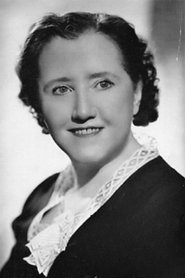 Sara AllgoodNurse Barker
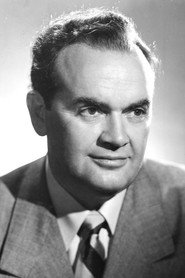 Rhys WilliamsMr. Oates
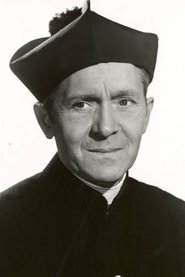 James BellConstable
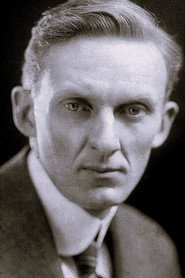 Erville AldersonDr. Harvey (uncredited)
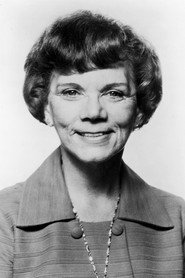 Ellen CorbyNeighbour (uncredited)
Directing
- Harry ScottAssistant Director
- Robert SiodmakDirector
Writing
- Ethel Lina WhiteNovel
- Mel DinelliScreenplay
Production
- Dore ScharyProducer
- Edgar PetersonProduction Assistant
- Fred FleckProduction Manager
Recommended by
Wait Until Dark, Sorry, Wrong Number, My Cousin Rachel, The Enchanted Cottage, The Seventh Victim, Dragonwyck, The Cat and the Canary, Taste of Fear, The Little Girl Who Lives Down the Lane, Johnny Belinda, The Black Castle, The Enchanted Valley, Experiment Perilous, The Woman in White, The Man They Could Not Hang, Secret Beyond the Door, Homicidal, The Naked Edge, Escape, I'll Be Seeing You, Night Must Fall, The Amazing Mr. X, The Lodger, Enemy Agents Meet Ellery Queen, Hangover Square, Cause for Alarm!, Shadow on the Wall, The Rogues' Tavern, Flesh and Fantasy, Murder in the Music Hall, Blanche Fury, Vigil in the Night