
Film
Rope
Hitchcock's cruelest party trick: a film that pretends to unfold in one unbroken take while two smug young men serve cocktails atop the trunk holding the friend they've just strangled. Adapted from a stage play, it's tense not because you don't know who did it, but because you know exactly who did it and have to watch them almost get away with it. For Hitchcock completists and anyone who loves a dinner party with a secret underneath it.
If you liked this
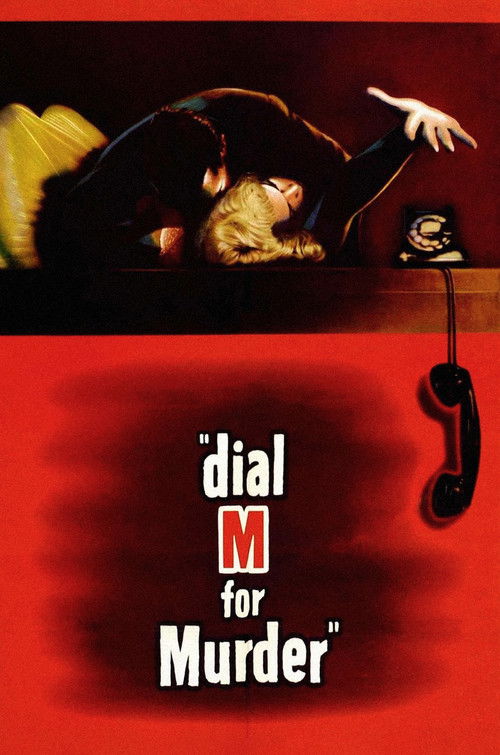
Dial M for Murder1954
Hitchcock returns to the same architecture: one crime, one confined set, a killer improvising his alibi in real time while guests circle nearby. The tidy, colour-drenched cousin to Rope's black-and-white nerve.
But Originally a 3D gimmick that's mostly invisible now, and the plotting leans procedural rather than psychological.
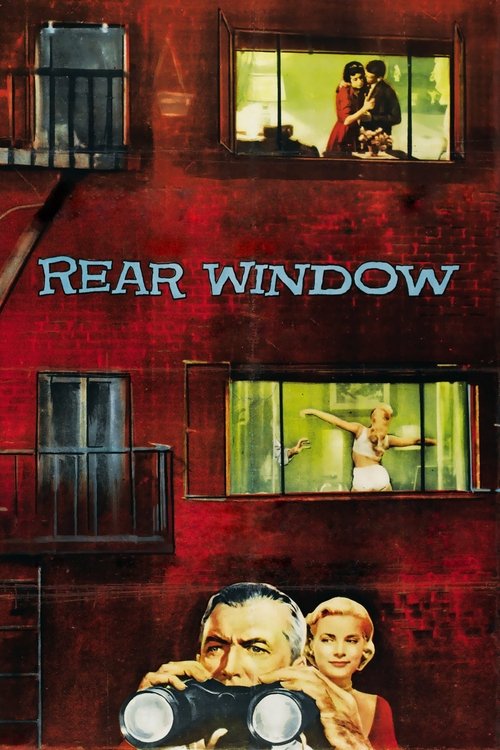
Rear Window1954
Stewart again, this time on the other side of a possible crime, wheelchair-bound and convinced his neighbour is a killer. Same claustrophobia, opposite moral position — watching instead of committing.
But Slower build with comedy and romance woven through it; less a pressure cooker, more a slow simmer.
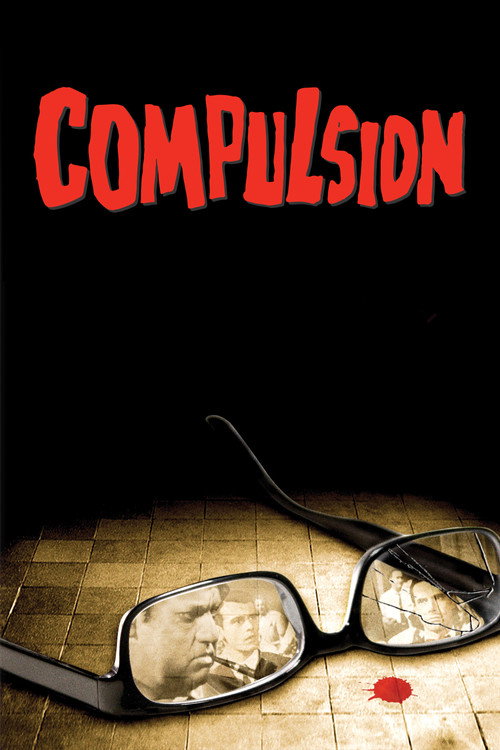
Compulsion1959
The real Leopold and Loeb case Rope was quietly built on, told here as courtroom drama with names barely changed and the psychology laid out in unflinching detail.
But Heavier and more didactic, ending in courtroom speeches rather than dinner-party dread.
The wildcard
Something you would not have found on your own.
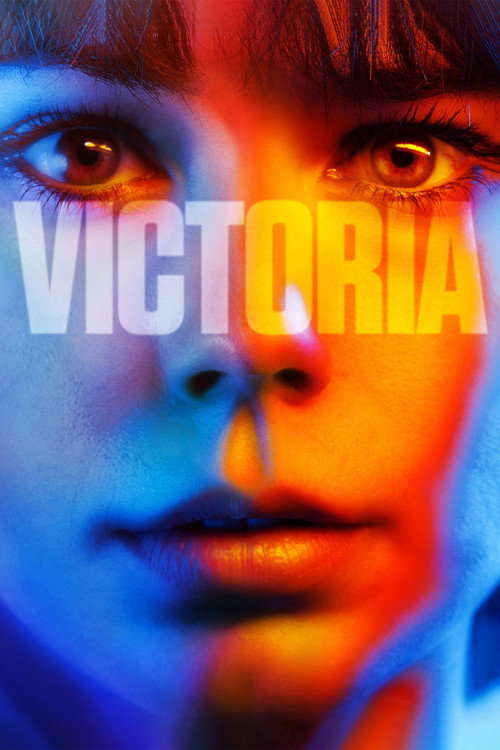
Victoria2015
Rope faked its single unbroken shot with disguised cuts; this German heist thriller actually shoots it for real, taking the same dare into a completely different genre and language.
Hitchcock's trick, done for real: no hidden cuts, no reload disguised as a pan across a shoulder — just one continuous 140 minutes of a young woman getting pulled into a bank job across a single Berlin night.
But The genuinely unbroken take means real dead air and wandering pacing a director with an edit suite would have tightened.
More like this (8)
Strangers on a Train1951
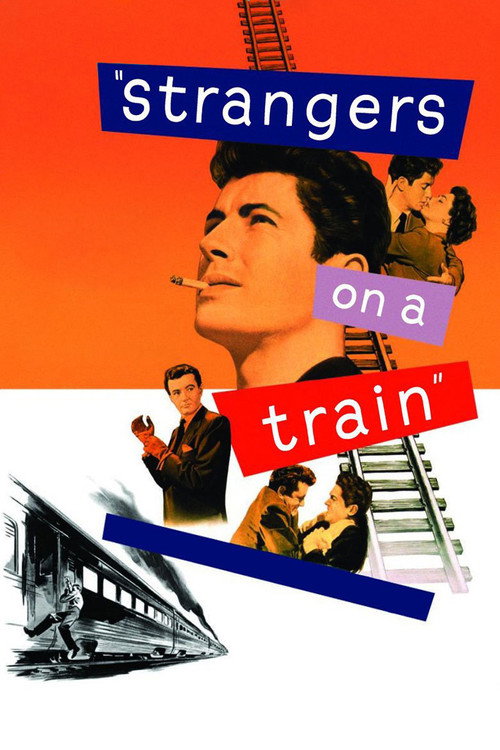
Another Hitchcock murder pact between two men, one eager, one reluctant — except here the killing hasn't happened yet, and the tension is in whether it will.
But Broader and more plot-driven, with chases and set pieces instead of a single sustained room.
12 Angry Men1957
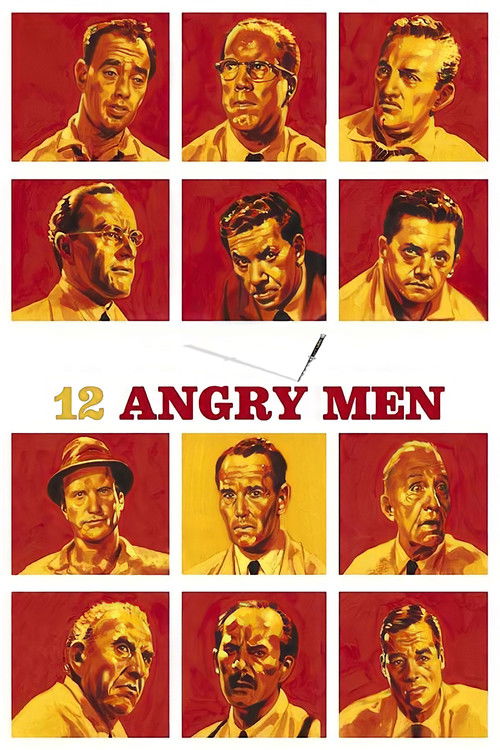
Nearly all one room, nearly real time, entirely dependent on how men perform civility while a life hangs in the balance — the same pressure-cooker aimed at a jury instead of a dinner party.
But No murderer to root against here; it's about doubt rather than confession, a fundamentally different kind of tension.
Gaslight1944
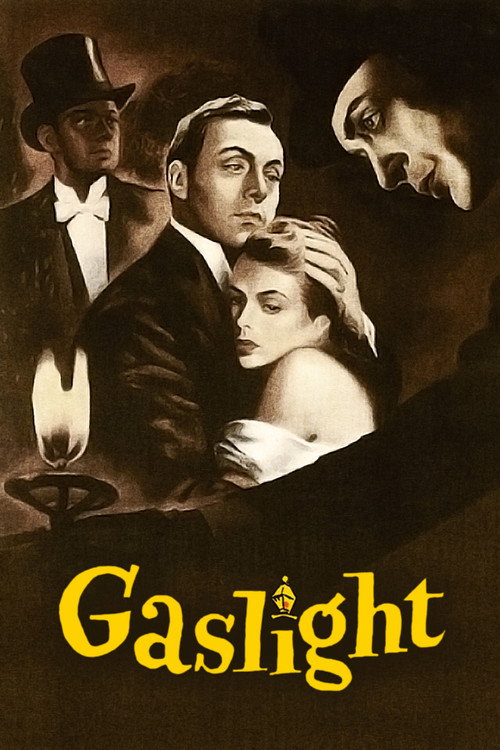
A different flavour of quiet cruelty inside an enclosed household, where charm and control do the killing instead of a rope.
But It's psychological abuse rather than concealment of a corpse — slower-burning and domestic, not a ticking clock.
Diabolique1955
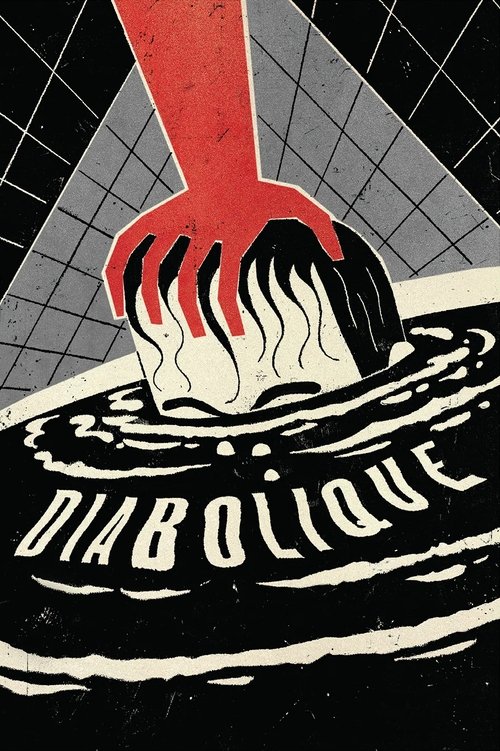
French, colder, and just as fascinated by what happens to a body once you've decided murder was the easy part. Dread that builds from the same source: guilt with nowhere to go.
But Subtitled, and the famous twist ending asks for patience it takes its time earning.
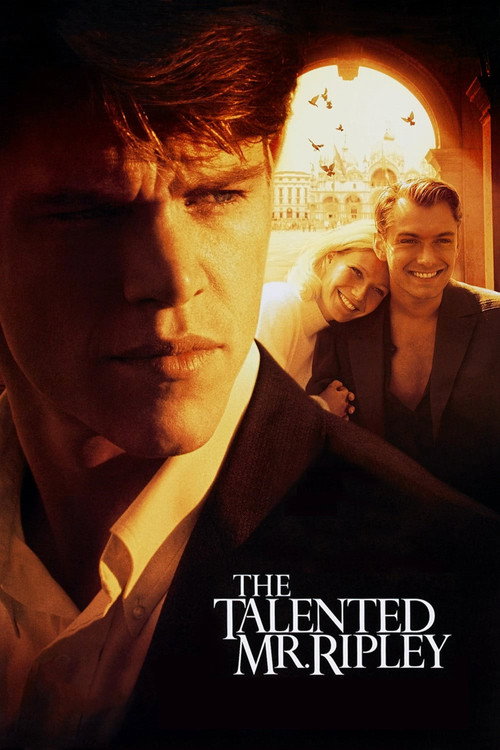
The Talented Mr. Ripley1999
A charming young murderer talks, smiles, and improvises his way past everyone who might catch him — Brandon's swagger given a summer in Italy and a much bigger budget.
But Sun-drenched and expansive where Rope is airless; more travelogue than pressure cooker.
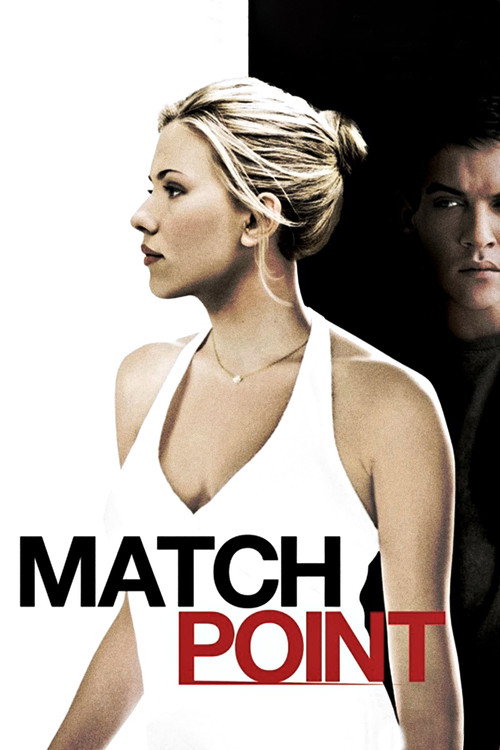
Match Point2005
Woody Allen's cool, moneyed London thriller about a man who kills to protect his position and then simply has to carry on — the nerve of getting away with it, stretched over months instead of one evening.
But Less tense scene-to-scene, more meditative on luck and class than nail-biting suspense.
Swoon1992no page yet
Dramatizes the exact real-life murder Rope adapted, but restores the explicit gay relationship Hitchcock could only gesture at under the Hays Code.
The Leopold and Loeb case Rope quietly encodes, told here in stark black-and-white arthouse style with the queerness and cruelty the 1948 Production Code wouldn't let Hitchcock say out loud.
But Rougher, more experimental filmmaking, more interested in psychology and provocation than in polish or suspense.
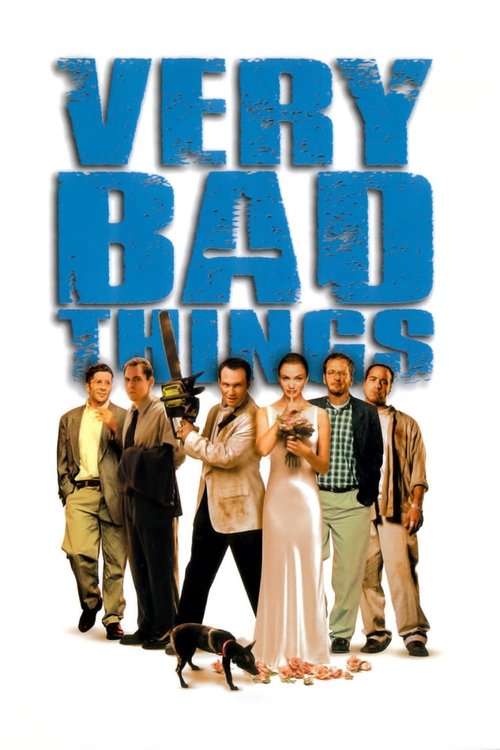
Very Bad Things1998
Same structural engine as Rope — a hidden body under a social gathering that must not go wrong — but dialed from restrained wit into gross-out farce.
Take Rope's premise — friends, a corpse, and a social occasion nobody can leave — and run it through a bachelor-party disaster movie where every cover-up makes the pile of bodies bigger.
But Brutally tasteless and gory where Rope is cool and clever; comedy for people who like their humour pitch black and mean.
People
Cast
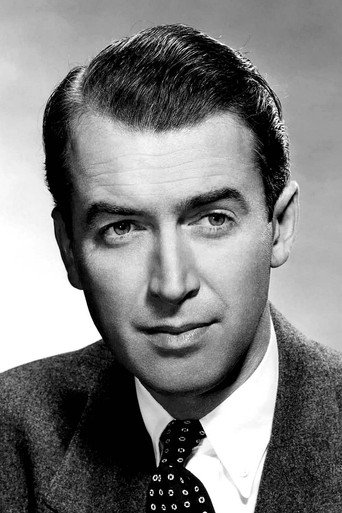 James StewartRupert Cadell
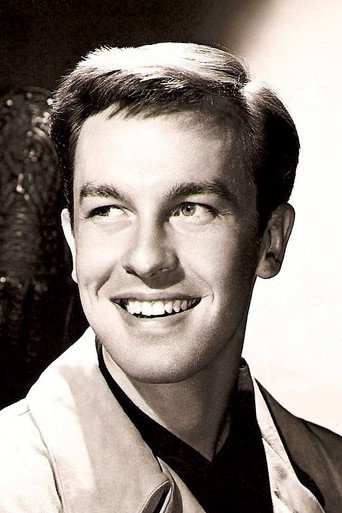 John DallBrandon Shaw
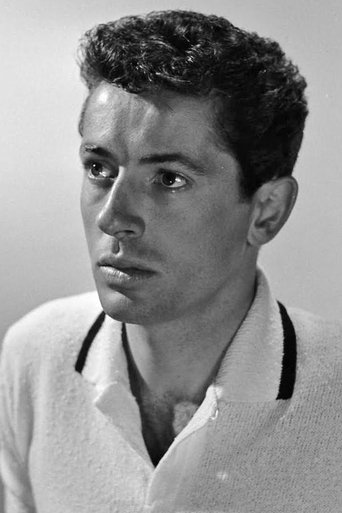 Farley GrangerPhillip Morgan
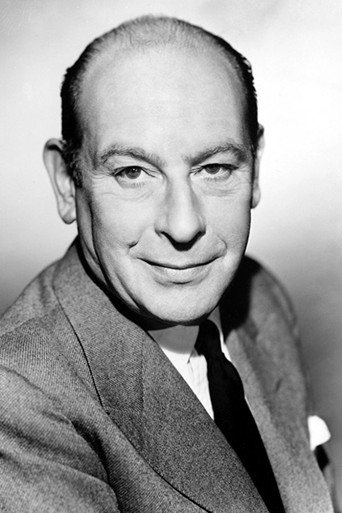 Cedric HardwickeMr. Henry Kentley
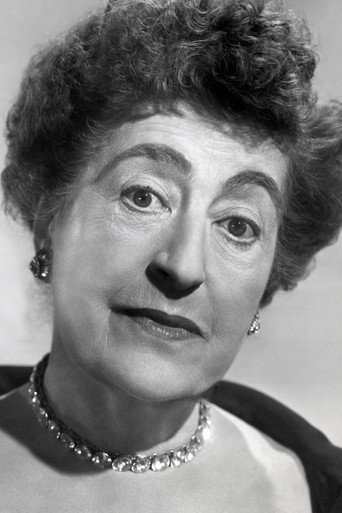 Constance CollierMrs. Anita Atwater
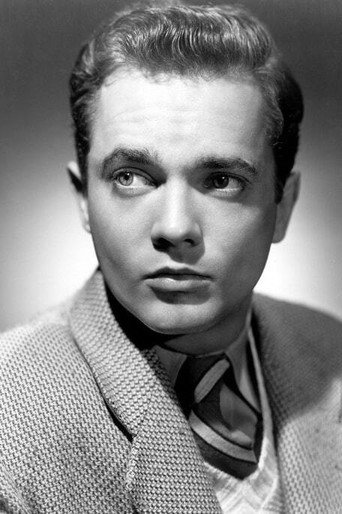 Douglas DickKenneth Lawrence
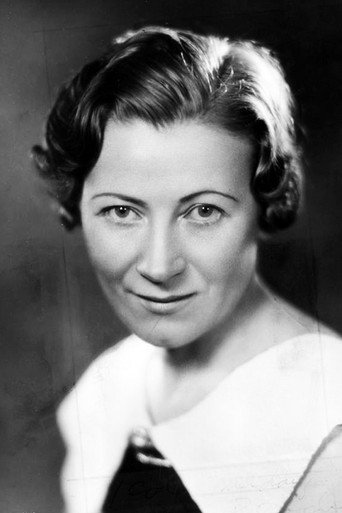 Edith EvansonMrs. Wilson
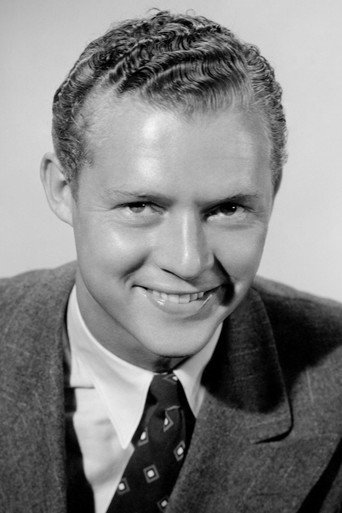 Dick HoganDavid Kentley
 Joan ChandlerJanet Walker
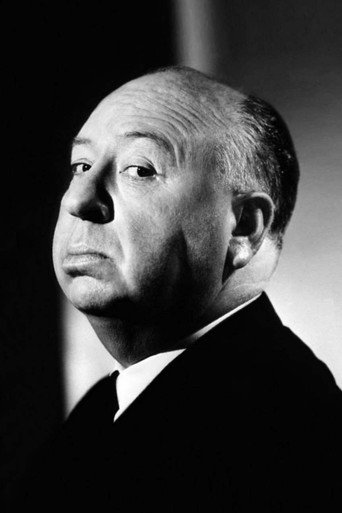 Alfred HitchcockMan Walking in Street (uncredited)
Directing
- Lowell J. FarrellAssistant Director
- Alfred HitchcockDirector
- Charlsie BryantScript Supervisor
Writing
- Hume CronynAdaptation
- Arthur LaurentsScreenplay
- Patrick HamiltonTheatre Play
Production
- Alfred HitchcockProducer
- Sidney BernsteinProducer
- Fred AhernProduction Manager
Recommended by
Victoria, 12 Angry Men, 1917, The Last of Sheila, Sleuth, Élite, Dial M for Murder, Death on the Nile, The Rules of the Game, Victim, Sorry, Wrong Number, The Servant, Shallow Grave, Compulsion, Very Bad Things, Strangers on a Train, Crimes and Misdemeanors