
Film
The Fan
Other titles called The Fan: the 1996 film.
- Drama
- Psychological horror
- Very dark
A 1981 psychological thriller about obsession taken to violent extremes. James Garner plays a record-store clerk whose fixation on actress Lauren Bacall curdles into menace when she rejects his advances. It's a tense, uncomfortable film that understands how admiration can metastasize into something darker and more dangerous. For viewers interested in stalker narratives before they became genre formula.
If you liked this
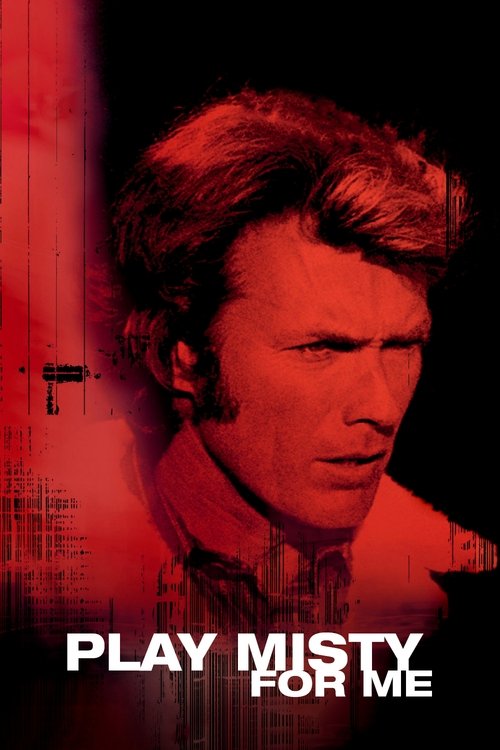
Play Misty for Me1971
Clint Eastwood's directorial debut about a radio DJ terrorized by an obsessed listener. It pioneered the stalker thriller and still feels genuinely unsettling—the intimacy between hunter and hunted creates sustained dread.
But The pacing is deliberate, and some of the mid-film passages feel dated in their television-movie softness. Patience required.
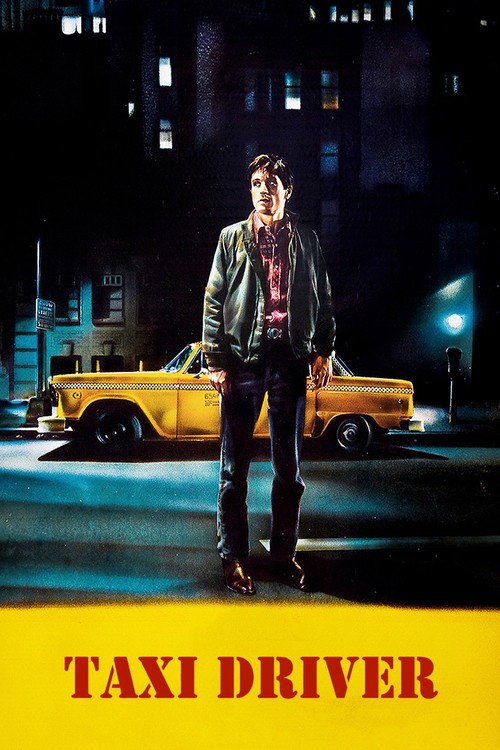
Taxi Driver1976
Martin Scorsese's masterpiece about a disturbed loner whose isolation and resentment curdle into violent fantasy. It shares The Fan's interest in how rejection and obsession warp perception until violence feels like righteousness.
But It's bleak, morally murky, and Travis Bickle is not a sympathetic protagonist. The ending's ambiguity will frustrate viewers seeking clear moral resolution.
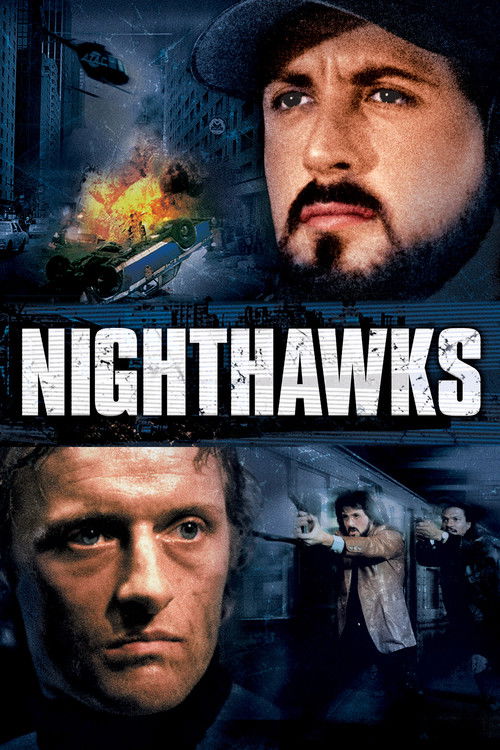
Nighthawks1981
Also 1981, also about obsession and violence. Sylvester Stallone and Billy Dee Williams hunt an international terrorist. It's leaner and more conventionally thrilling than The Fan, but shares the year's fascination with dangerous fixation.
But It's a police procedural action film, not a character study. If you want psychology over chase sequences, this won't deliver.
Not sure tonight? Get a pick in a minute, starting from The Fan
The wildcard
Something you would not have found on your own.
Contempt1963
Both examine how obsession with another person—whether a fan's idolatry or a husband's professional validation—can destroy everything. But Godard is concerned with male ego and artistic desire, not stalking violence.
Godard's film about a marriage collapsing during the production of an epic film. A man's desire for artistic approval from a powerful director corrodes his marriage and sense of self. It shares The Fan's obsession with approval, but transposes it to the masculine ego and artistic ambition—a very different key.
But It's a Godard film: intellectually demanding, visually fragmented, and deeply uninterested in conventional narrative satisfaction. The pacing is glacial and deliberately anti-dramatic.

More like this (8)
Rope1948
Hitchcock's chamber piece about two murderers convinced of their intellectual superiority. The entire film unfolds in real time in one apartment—claustrophobic and psychologically vicious. Similar examination of twisted admiration and ego.
But It's very theatrical, very talky, and the gimmick of the unbroken take occasionally takes precedence over character. Some find it stagey rather than cinematic.

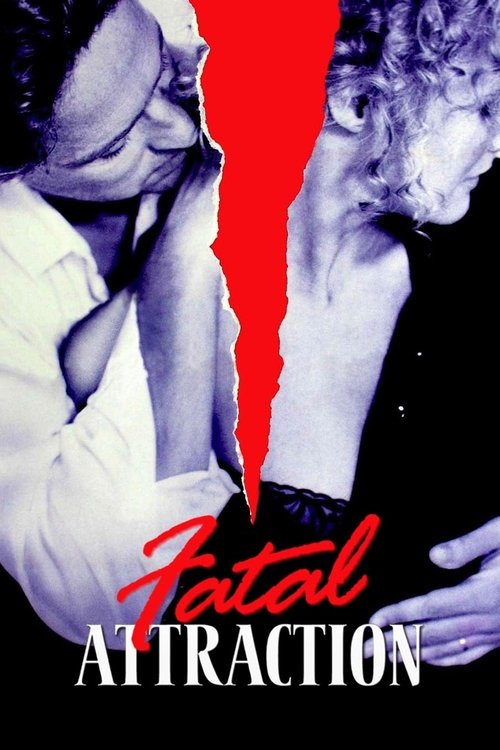
Fatal Attraction1987
Glenn Close's Alex Forrest became the template for all obsessed stalkers after this. It's a visceral thriller about how one moment of weakness can invite genuine danger. Undeniably effective, even if it became a cultural punchline.
But The film punches down at its female antagonist in ways that feel increasingly dated and uncomfortable. The moralizing is heavy-handed by modern standards.
I Can Make You Love Me1993
A television thriller starring Melissa Gilbert as a woman pursued by an obsessed fan. It lacks the artistic ambition of The Fan but understands the texture of fear and the peculiar violation of being watched.
But It's made-for-TV material from the early nineties—the production values are modest and the dialogue sometimes clanks. Expect television pacing and sensibilities.
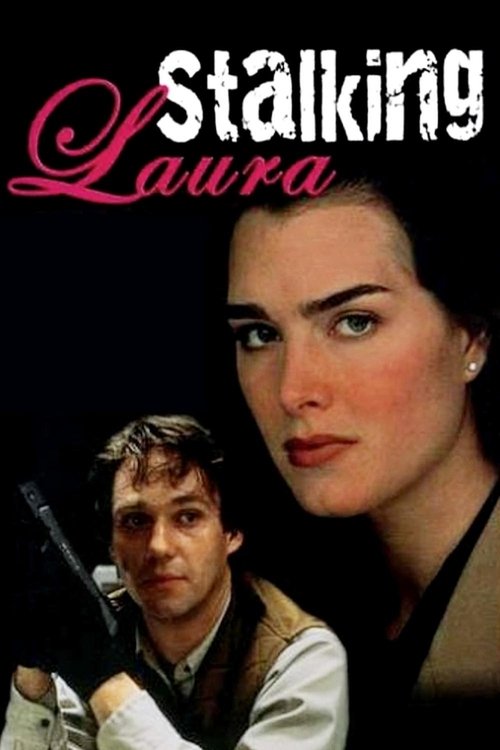
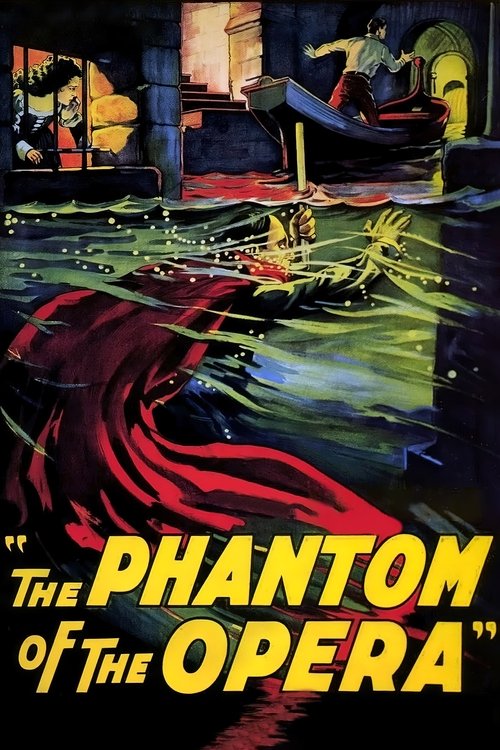
The Phantom of the Opera1925
Lon Chaney in the expressionist original. It's the Gothic ancestor of all obsessed-fan stories—a man whose love of a performer becomes a trap. Stunning visuals and genuine atmosphere.
But Silent film from 1925. If you require dialogue and modern editing, this will feel remote and slow regardless of its brilliance.
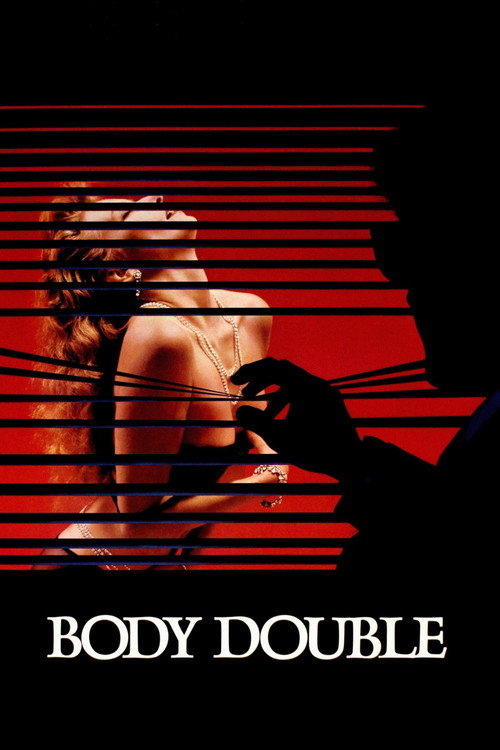
Body Double1984
Brian De Palma's Hitchcockian thriller about voyeurism and obsession. A man becomes dangerously fixated on a woman he watches through a window. It's stylish, erotic, and unsettling in equal measure.
But The film's treatment of female sexuality is provocative to the point of sleaziness. De Palma's aesthetic can feel exploitative even when the critique is intentional.
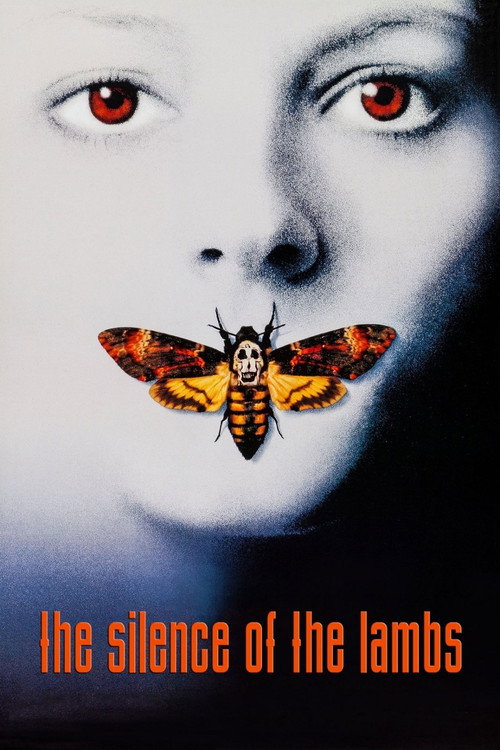
The Silence of the Lambs1991
Jonathan Demme's masterpiece features a serial killer whose obsessions drive the plot. It examines psychological fixation with precision and craft. Influential, gripping, and genuinely intelligent thriller-making.
But It's violent and graphic in its depictions. If you prefer suspense without seeing the consequences in detail, this will be difficult.
Stalker1979
Both are about the damage obsession does to the obsessed. The Fan shows it as violence; Stalker shows it as spiritual erosion. Same engine, opposite temperatures.
Andrei Tarkovsky's hypnotic science-fiction film about a guide leading travelers through a mysterious zone toward a room that grants wishes. It's meditative and metaphysical—about desire, obsession, and what we truly want. Completely different genre and mood, but the same interest in how obsession possesses the mind.
But It's 163 minutes of philosophical slow cinema. If you want plot momentum, tension, or conventional entertainment, this will feel like punishment rather than revelation.

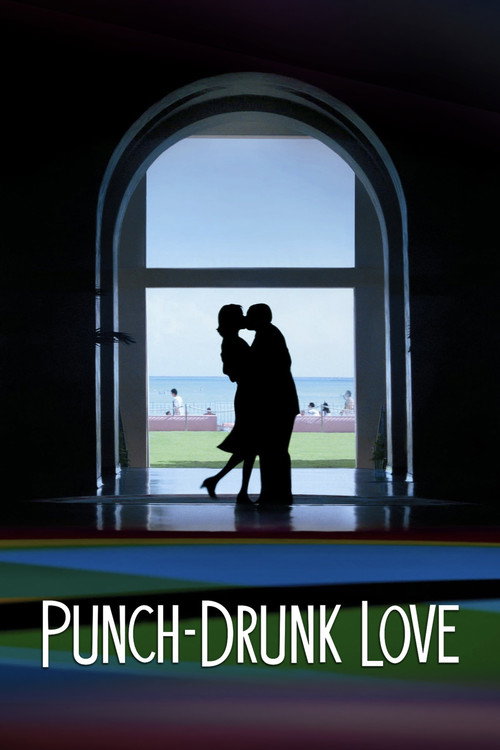
Punch-Drunk Love2002
Like The Fan, it's about a man whose isolation and social awkwardness make him a threat. But Anderson is interested in the pathos beneath the danger, not just the menace. It's Garner's character's perspective from inside his own head.
Paul Thomas Anderson's brilliant, strange film about a lonely man whose erratic personality and desperation make him dangerous. Adam Sandler is extraordinary—vulnerable, volatile, and frightening. It's about how loneliness and rejection warp perception into something that can hurt others.
But The tone is deliberately jarring—shifts between tenderness and aggression without warning. The color palette is artificial and the soundtrack intrusive. Anderson's stylization will feel precious or alienating depending on your patience.
People
Cast
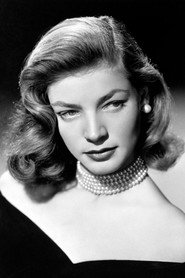 Lauren BacallSally Ross
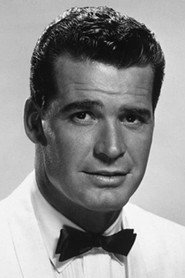 James GarnerJake Berman
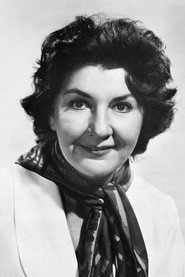 Maureen StapletonBelle Goldman
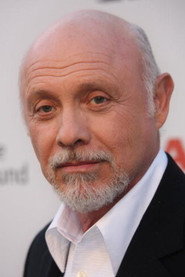 Héctor ElizondoPolice Inspector Raphael Andrews
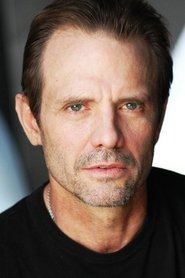 Michael BiehnDouglas Breen
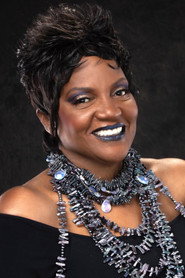 Anna Maria HorsfordEmily Stolz
- Kurt JohnsonDavid Branum
- Feiga MartinezElsa
- Reed JonesChoreographer
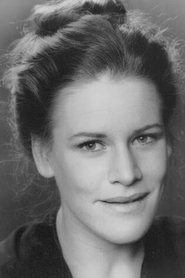 Kaiulani LeeDouglas' Sister
- Charles BlackwellJohn Vetta
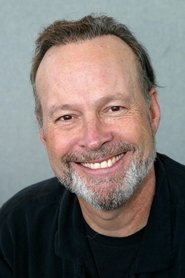 Dwight SchultzDirector
Directing
- Herb GainsAssistant Director
- Ed BianchiDirector
- B.J. BjorkmanScript Supervisor
- William EustaceSecond Assistant Director
Writing
- Bob RandallNovel
- John HartwellWriter
- Priscilla ChapmanWriter
Production
- Bill OakesAssociate Producer
- John NicolellaAssociate Producer
- Alixe GordinCasting
- Kevin McCormickExecutive Producer
- Sylvia FayExtras Casting
- Robert StigwoodProducer