
Film
The Fan
Other titles called The Fan: the 1981 film.
A deranged baseball fanatic becomes convinced he can save his idol's career through increasingly violent intervention. This '90s thriller rides the line between psychological horror and dark satire, powered by De Niro's manic intensity and a genuinely unsettling portrait of fandom as mental illness. It's nasty, smart, and deeply uncomfortable—exactly as intended.
If you liked this
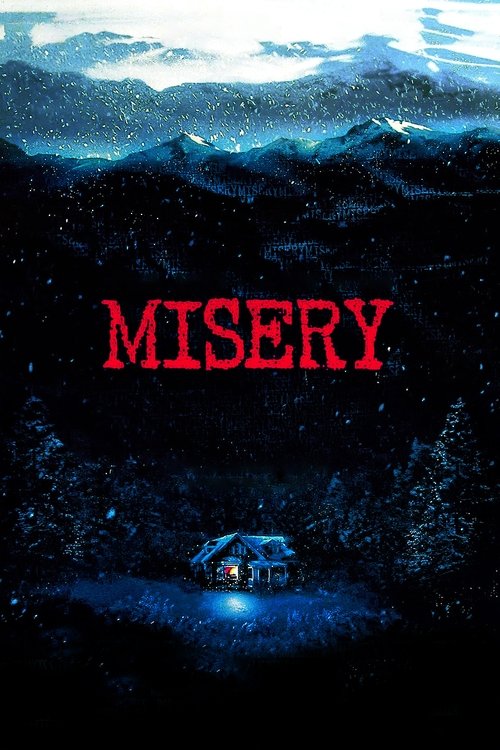
Misery1990
Kathy Bates' rabid fan holds a writer captive in her home. Like The Fan, it's a masterclass in how obsession corrupts and corrupts absolutely, with similar dread and mounting body count.
But The central relationship is mostly confinement and torture. If you need momentum or escape from claustrophobia, this suffocates deliberately.
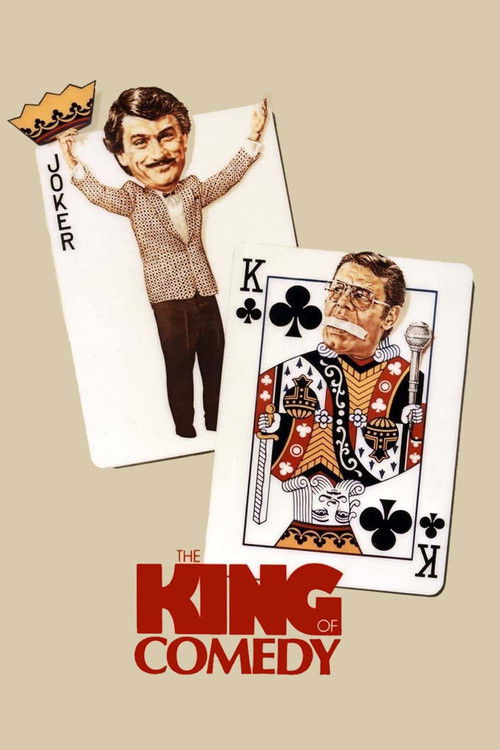
The King of Comedy1982
De Niro plays a delusional stalker obsessed with a talk-show host. Scorsese captures that same toxic fandom energy, but leavens it with dark comedy and a portrait of urban loneliness that haunts you after.
But It's deliberately flat and depressing. There's no catharsis, and the performance style can read as mannered rather than natural.
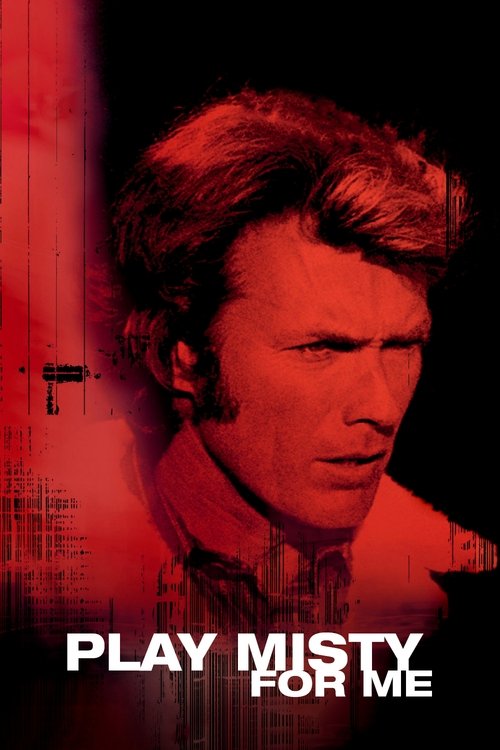
Play Misty for Me1971
Clint Eastwood directs and stars as a radio DJ terrorized by an obsessed listener. It has the same intimate horror of unwanted devotion, though with more sex and California sun than The Fan's urban decay.
But The gender dynamics and treatment of the female character reflect 1971 in ways that don't age well. It can feel leering in places.
Not sure tonight? Get a pick in a minute, starting from The Fan
The wildcard
Something you would not have found on your own.
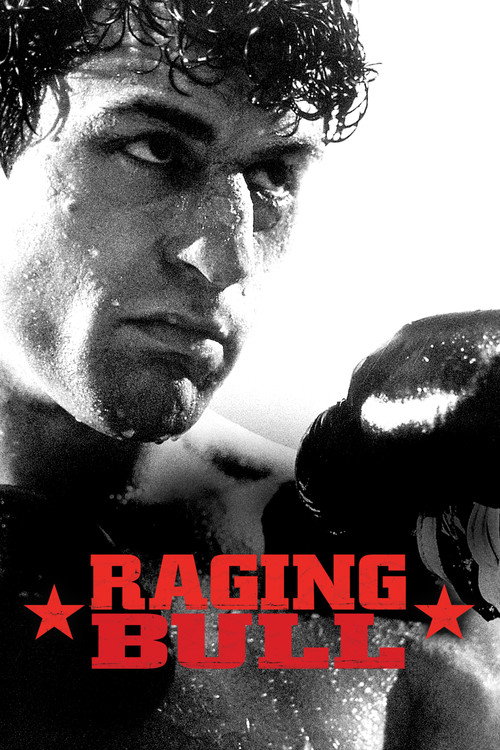
Raging Bull1980
Both track a man's complete moral collapse through the prism of sports and ego, with De Niro providing the portrait of a person who cannot control his own appetite for vindication.
De Niro's iconic role as boxer Jake LaMotta—jealous, violent, self-destructive. The connection: both films are about men whose obsession with dominance and status makes them monsters. The Fan shows you the outside violence of fandom; Raging Bull shows the internal violence of ego.
But It's in black and white, nearly three hours, and offers no heroes or redemption. The fights are brutalist rather than exciting.
More like this (7)
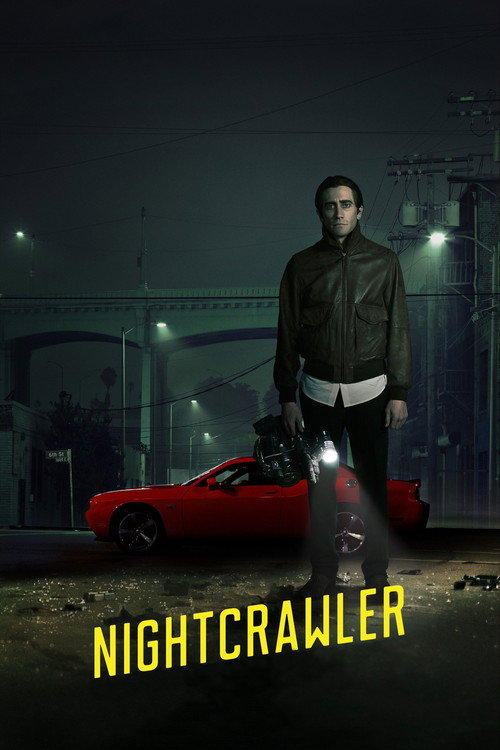
Nightcrawler2014
Jake Gyllenhaal as a sociopath clawing for relevance and status. Both films track a man's descent into moral vacancy with clinical precision and a city that enables him.
But It's relentlessly bleak and cynical. The protagonist is so contemptible you might just feel depressed rather than thrilled.
Black Swan2010
Aronofsky's portrait of obsession and splitting identity. Like The Fan, it uses a specific world—ballet instead of baseball—to explore how ambition and fandom collapse into psychosis.
But It's visually exhausting and sometimes sacrifices clarity for atmosphere. The body horror and psychological spiraling aren't for everyone.

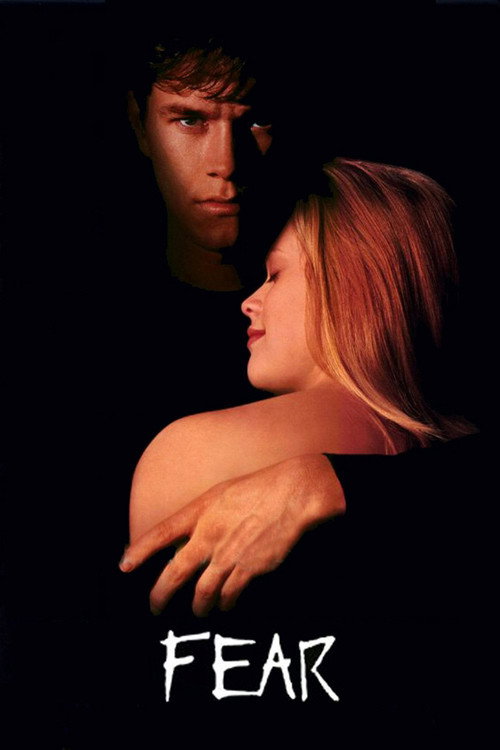
Fear1996
Released the same year as The Fan, Mark Wahlberg stalks Reese Witherspoon with similar single-minded menace. It's a taut, genuinely scary home-invasion thriller about how quickly worship turns to violation.
But The third act is more slasher than psychological study. It prioritizes shock over subtlety.
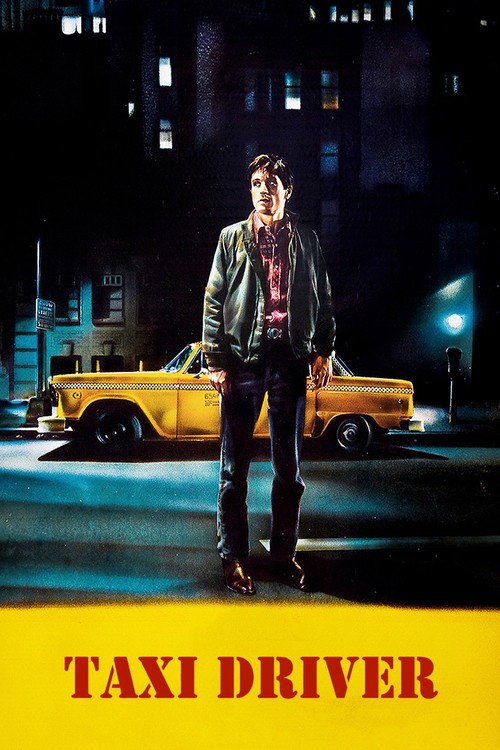
Taxi Driver1976
De Niro again, as a mentally unraveling loner who believes he alone can save the city. It's the ancestor of everything here—alienation, violence, and the myth of the righteous vigilante.
But It moves at its own pace and rewards patience over plot. Long silences and stasis aren't everyone's preferred speed.
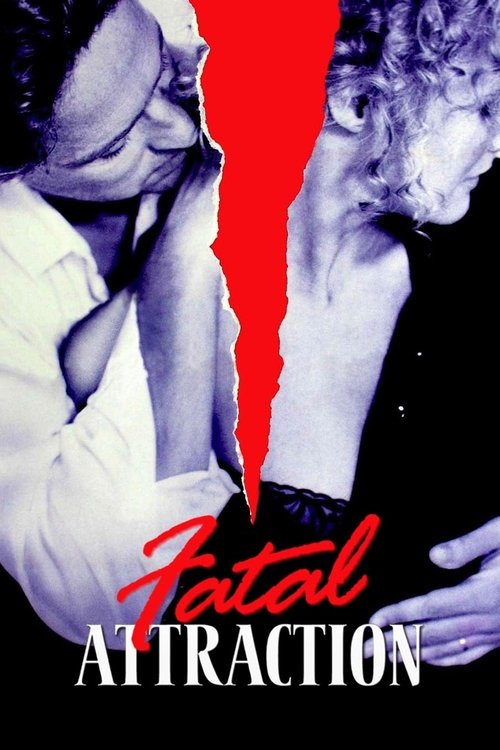
Fatal Attraction1987
Glenn Close as a woman whose desire to possess becomes murderous. It's the spiritual sibling to The Fan—same era energy, same anatomy of how attachment becomes terrorism, though with a different gender dynamic.
But It's more thriller than character study, and the ending feels designed for audience reassurance rather than insight.
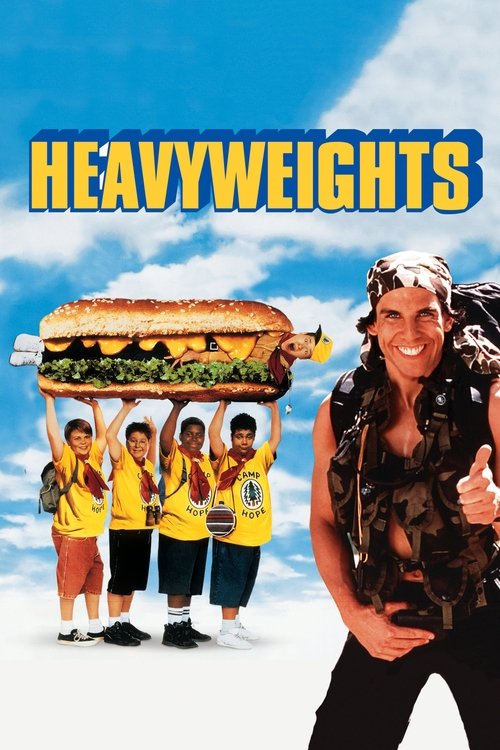
Heavyweights1995
Both feature a true believer whose methods are escalating and unmistakable, but one film treats it as tragedy and the other as comedy. It's fascinating to see how the same psychological idea reads in different registers.
A fat-camp comedy where Ben Stiller plays a fitness zealot convinced he's saving the campers through extreme intervention. It's The Fan as absurdist farce—same delusional conviction that violence or cruelty equals salvation, but played for laughs instead of dread.
But It's a '90s kids' movie. The comedy style is broad and dated, and some premise choices feel uncomfortable in hindsight.
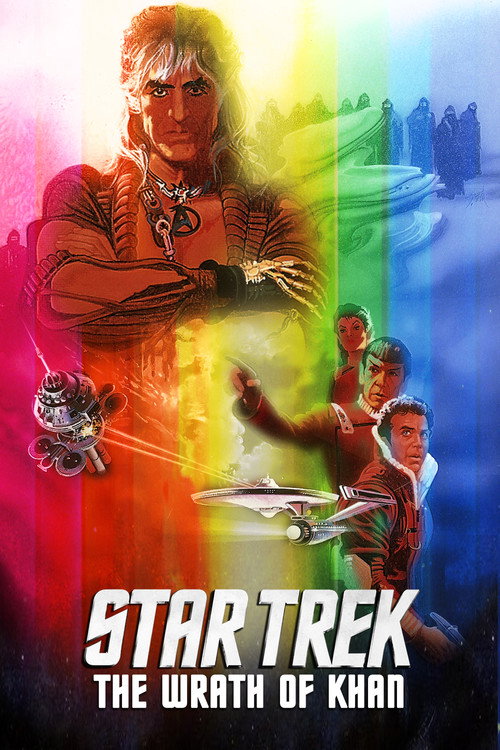
Star Trek II: The Wrath of Khan1982
The emotional engine is identical: a man whose sense of self has been consumed by resentment toward a single other person, and whose obsession becomes a form of suicide. Both are driven by the feeling that you can only matter by mattering to the person who wronged you.
Khan obsesses over Kirk, convinced that his enemy ruined his life and that destroying him will restore his worth. It's The Fan transplanted into science fiction—same monomaniacal fixation, same conviction that one man's victory/death is the solution to everything.
But It's a Star Trek film. If the reference material is a barrier, or if you need grounded realism, the space setting might read as campy rather than intense.
People
Cast
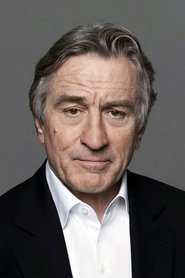 Robert De NiroGil Renard
 Wesley SnipesBobby Rayburn
 Ellen BarkinJewel Stern
 John LeguizamoManny
 Benicio del ToroJuan Primo
 Patti D'ArbanvilleEllen Renard
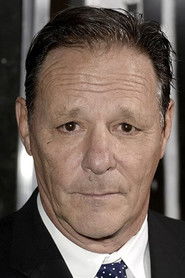 Chris MulkeyTim
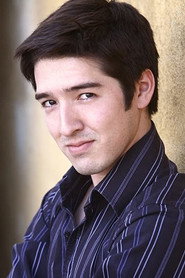 Andrew J. FerchlandRichie Renard
 Brandon HammondSean Rayburn
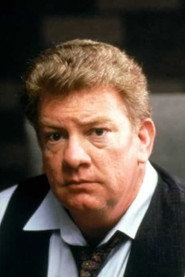 Charles HallahanCoop
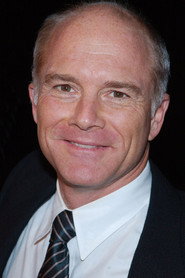 Dan ButlerGarrity
 Kurt FullerBernie
Directing
- Tony ScottDirector
- James W. SkotchdopoleFirst Assistant Director
- P.R. TookeScript Supervisor
- John WildermuthSecond Assistant Director
Writing
- Peter AbrahamsNovel
- Phoef SuttonScreenplay
Production
- Margo Hunt McKayAssistant Production Coordinator
- Greg MooradianAssociate Producer
- Ellen LewisCasting
- Margaret French-IsaacCo-Producer
- Barrie M. OsborneExecutive Producer
- Bill UngerExecutive Producer
- James W. SkotchdopoleExecutive Producer
- Wendy FinermanProducer
- James A. WestmanUnit Production Manager