
Film
Misery
Misery is claustrophobic in the best way: a snowbound cabin, a broken leg, and Kathy Bates delivering one of cinema's great villains without ever raising her voice above cheerful. It's Stephen King stripped to essentials—no supernatural cover, just a fan's devotion curdling into control. Funny, then suddenly not, then funny again. For anyone who likes their tension delivered with a smile and a sledgehammer nearby.
If you liked this
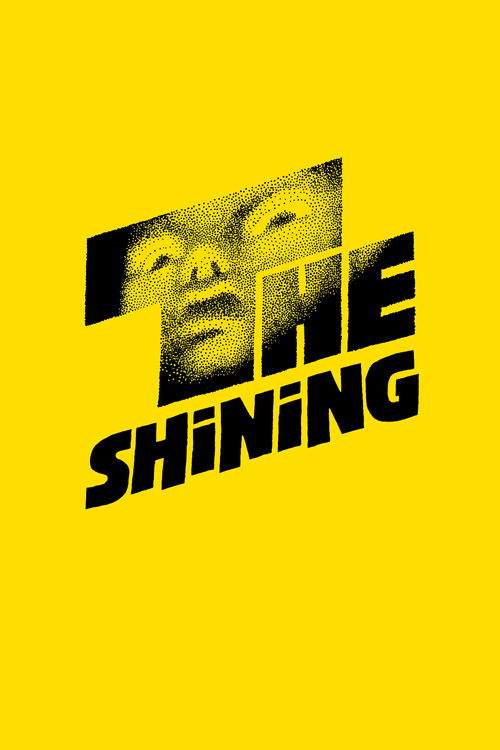
The Shining1980
Kubrick's take on King's other great 'writer trapped by isolation' story—all dread, architecture, and a marriage curdling into violence. If Misery got under your skin, this burrows deeper.
But Kubrick famously stripped out King's warmth and interiority, so if you love the novel, expect frustration rather than fidelity.
The Silence of the Lambs1991
Same era's gold standard for captor-captive tension, with performances so precise they've become cultural shorthand. The cat-and-mouse dynamic is sharpened to a scalpel's edge.
But It's more procedural and roaming than Misery's single-room dread—you're never stuck in one house with the danger.

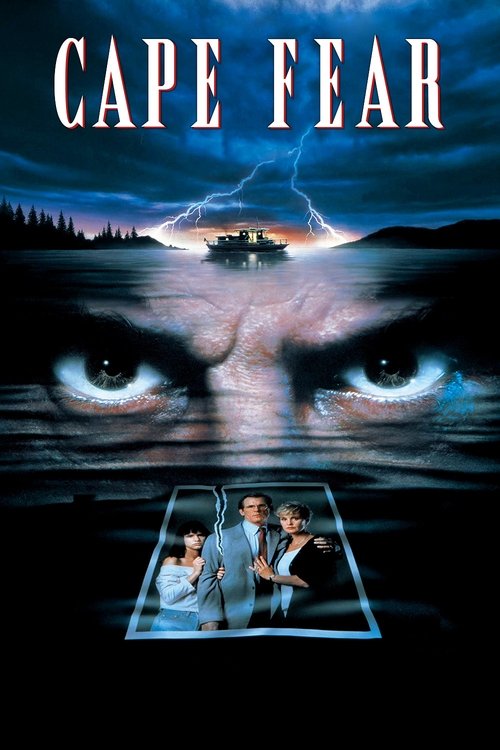
Cape Fear1991
De Niro's Max Cady is as theatrical and terrifying a screen menace as Bates's Annie—someone who enjoys tightening the screws and wants you to know it.
But Slicker and more violent, trading Misery's intimate two-hander for a full family under siege.
The wildcard
Something you would not have found on your own.
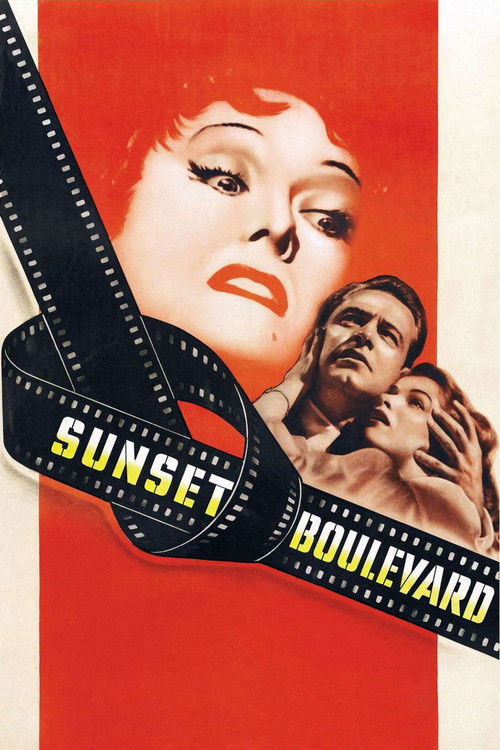
Sunset Boulevard1950
Both are about a writer trapped by a woman who needs to control his pen and rewrite her own story—Wilder got there four decades before King, minus the sledgehammer.
A washed-up silent star lures a broke screenwriter into her mansion and refuses to let him leave until he rewrites her comeback—Norma Desmond is Annie Wilkes's grand ancestor.
But Black and white, deliberately theatrical, and its horror is entirely psychological—there's no rope, no hammer, no physical captivity at all.
More like this (8)
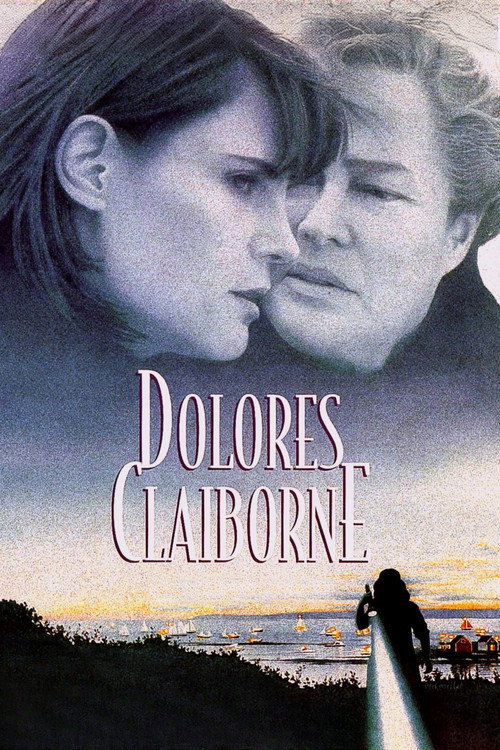
Dolores Claiborne1995
Kathy Bates again, in another King adaptation, playing a woman feared and misjudged by everyone around her—sadder, slower, and just as riveting a performance.
But This is a mournful small-town drama told in flashback, not a thriller—expect grief and guilt rather than suspense.
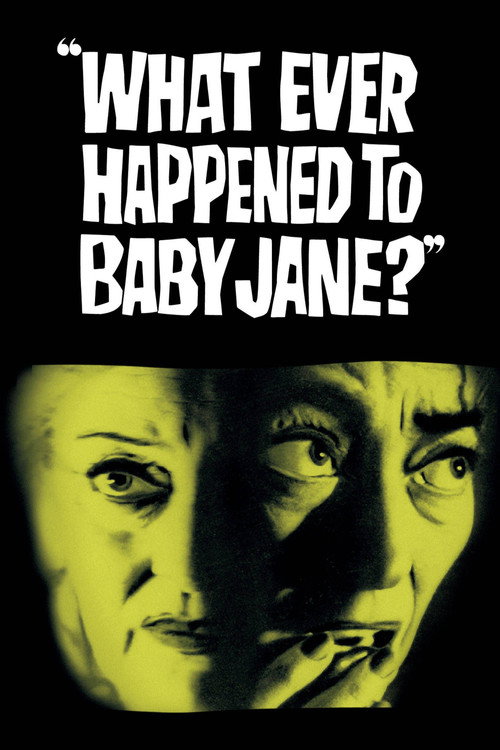
What Ever Happened to Baby Jane?1962
A domestic horror built entirely on one unraveling woman's control over a housemate she won't let leave—icy, camp, and genuinely upsetting underneath the theatrics.
But Stagier and slower by modern standards, and the camp tone occasionally undercuts the horror it's aiming for.
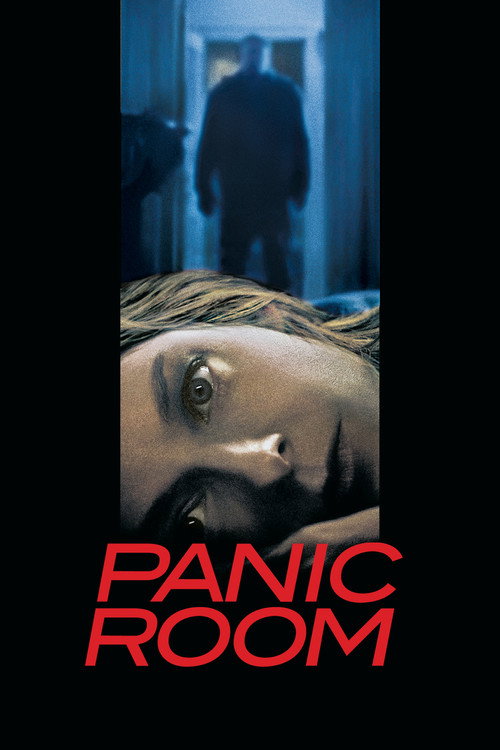
Panic Room2002
If it's the single-location claustrophobia you loved, Fincher delivers it with a camera that stalks through walls and a house that becomes its own trap.
But The threat is external (intruders, not a captor you know), losing the personal, one-on-one dynamic that makes Misery so uncomfortable.
Room2015
Another story built on captivity and control, but told entirely from inside the victim's survival—tender and devastating rather than pulpy.
But Little of Misery's dark humor or genre pleasure here; this is trauma and recovery played straight.

The Vanishing1988
A methodical, quietly devastating thriller about obsession and control that trusts patience over jump scares—one of the genre's best-kept secrets.
But Dutch and French with subtitles, deliberately paced, and it ends on a note some viewers will find unbearably bleak.
Don't Breathe2016
For pure captivity mechanics without the character depth—trapped in a house with someone who will not let you leave, fast and mean about it.
But All adrenaline, little psychological texture—this is B-movie thrills, not a character study.

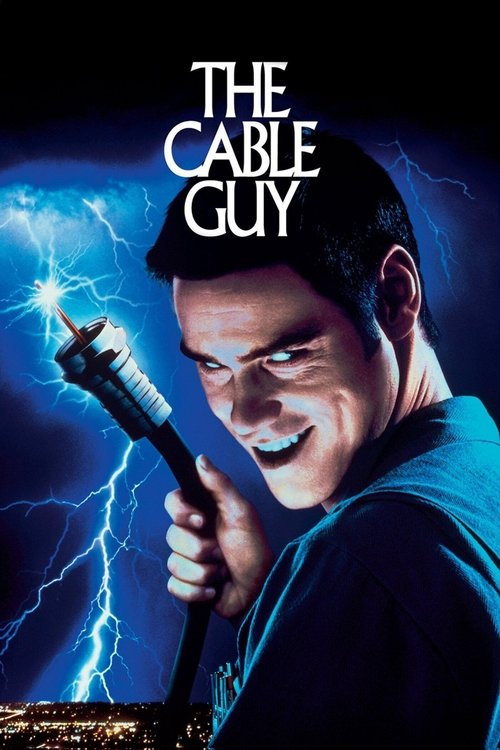
The Cable Guy1996
Strip the horror trappings out of Misery and it's just a fan who won't let go; The Cable Guy tells that exact story as farce, with Carrey doing a comic version of Annie's need to be loved back.
Same engine as Misery—a fan attaches himself to someone he admires and refuses all boundaries—run through studio comedy, with Jim Carrey genuinely unsettling underneath the jokes.
But It's marketed and mostly plays as a broad '90s comedy, so the menace is often muted by gags that don't all land.
Death and the Maiden1994no page yet
Same structure—one captor, one captive, one house—and the same question of who gets to control the ending of someone else's suffering, pitched here at real historical atrocity instead of genre thrill.
Polanski's adaptation of the stage play about a woman holding a man captive in her home to force a reckoning—same isolated-house tension, but the stakes are political torture and moral guilt rather than pulp horror.
But Talkier and more theatrical than Misery, built for argument and confession rather than scares—it demands patience, not popcorn.
People
Cast
 Kathy BatesAnnie Wilkes
 James CaanPaul Sheldon
 Richard FarnsworthBuster
 Lauren BacallMarcia Sindell
 Frances SternhagenVirginia
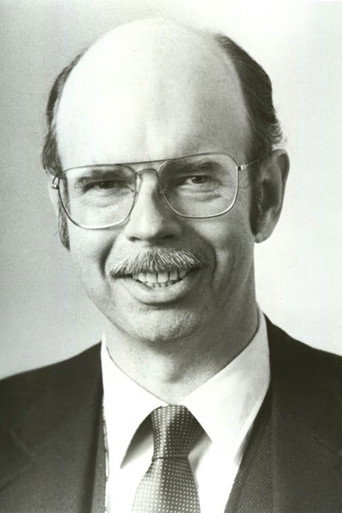 Graham JarvisLibby
 Jerry PotterPete
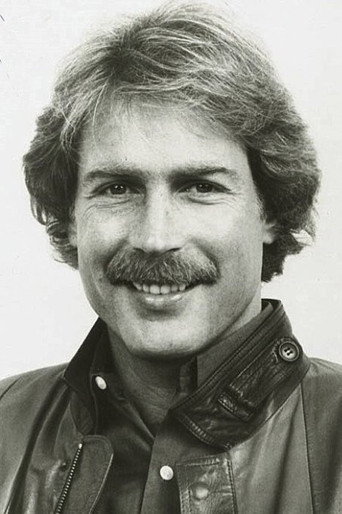 Thomas BrunelleAnchorman
 June ChristopherAnchorwoman
 Julie PayneReporter #1
 Archie HahnReporter #2
 Gregory SnegoffReporter #3
Directing
- Rob ReinerDirector
- Dennis MaguireFirst Assistant Director
- Kerry Lyn McKissickScript Supervisor
- Drew Ann RosenbergSecond Assistant Director
- Artist W. RobinsonSecond Second Assistant Director
- Barry SonnenfeldSecond Unit Director
Writing
- Stephen KingNovel
- William GoldmanScreenplay
Production
- Jane JenkinsCasting
- Janet HirshensonCasting
- Michael HirshensonCasting Associate
- Jeffrey StottCo-Producer
- Steve NicolaidesCo-Producer
- Lampton EnochsLocation Manager
- Andrew ScheinmanProducer
- Rob ReinerProducer
- K. Lenna KatichProduction Accountant
- Linda Allan-FolsomProduction Coordinator
- Steve NicolaidesProduction Manager
- Katherine T. WilsonProduction Secretary
- Suzanne LutzProduction Secretary
Recommended by
Psycho, 10 Cloverfield Lane, Wait Until Dark, What Ever Happened to Baby Jane?, Dolores Claiborne, Sunset Boulevard, Carrie, Cape Fear, Audition, The King of Comedy, Marianne, Stardust Memories, Talk to Her, Woman in the Dunes