
Film
Sunset Boulevard
Billy Wilder's poison valentine to Hollywood is narrated by a corpse and told mostly in flashback, mixing noir shadows with backstage horror. It's stylish, cruel and darkly funny in a way that stings — a film about the industry devouring its own that still feels dangerous seven decades on. Essential for anyone who loves cinema about cinema, or a persuasive argument for staying gainfully employed.
If you liked this
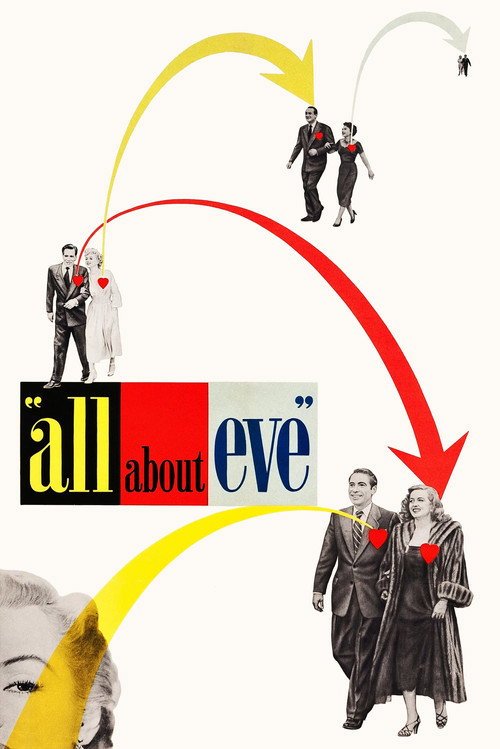
All About Eve1950
Wilder's bitter Hollywood valentine has a twin sister set in New York theatre, released the same year, with Bette Davis giving the performance of her career as an aging star watching a younger woman circle. Same wit, same knives.
But It's theatre-world talk rather than Hollywood glamour, and the pace leans closer to a play than a thriller.
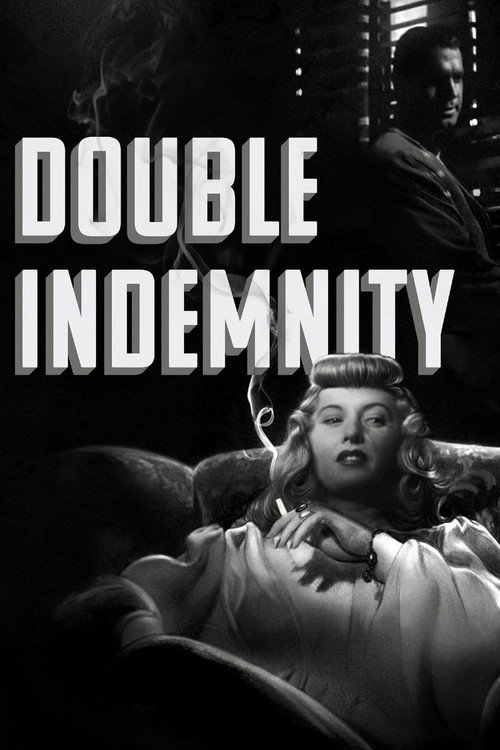
Double Indemnity1944
Wilder's earlier noir uses the same doomed-narrator trick — a man telling you from the start how badly this ends — plus Barbara Stanwyck at her most lethal. See exactly where his cynicism came from.
But Pure genre noir with none of Sunset Boulevard's showbiz self-loathing or camp; colder and more straightforward.
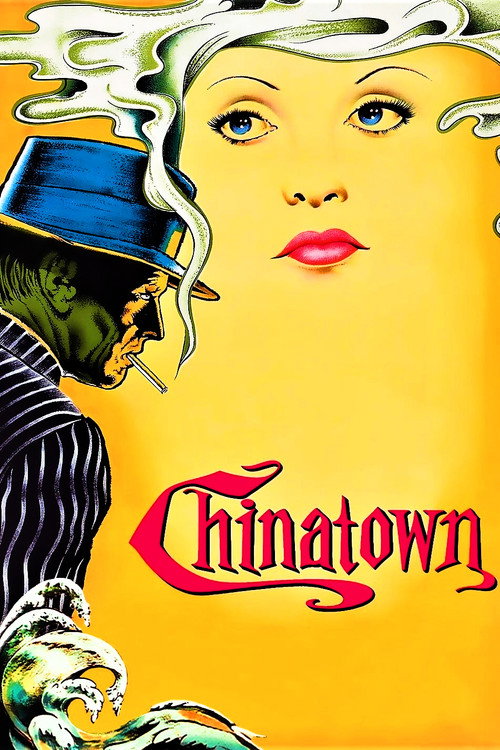
Chinatown1974
Another Los Angeles story where the past won't stay buried and the narrator walks eyes-open toward his own ruin. Same sun-bleached corruption, twenty-five years and one colour palette later.
But A plot-driven mystery rather than character study — you're solving a conspiracy, not watching a psyche collapse.
The wildcard
Something you would not have found on your own.
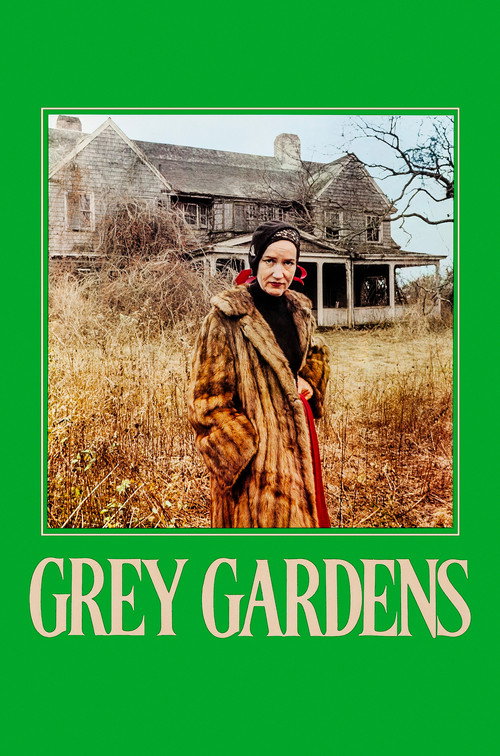
Grey Gardens1976
Real-life Norma Desmonds: two once-glamorous women, a decaying mansion, and devoted relatives playing Max to their fading spectacle — except nobody scripted it.
The Maysles brothers' documentary about a reclusive mother and daughter rotting in genteel splendor in a crumbling East Hampton mansion is stranger and sadder than any fiction could invent — and just as watchable.
But No plot, no closure — just two extraordinary, difficult people living out their delusions on camera for ninety-four minutes.
More like this (8)
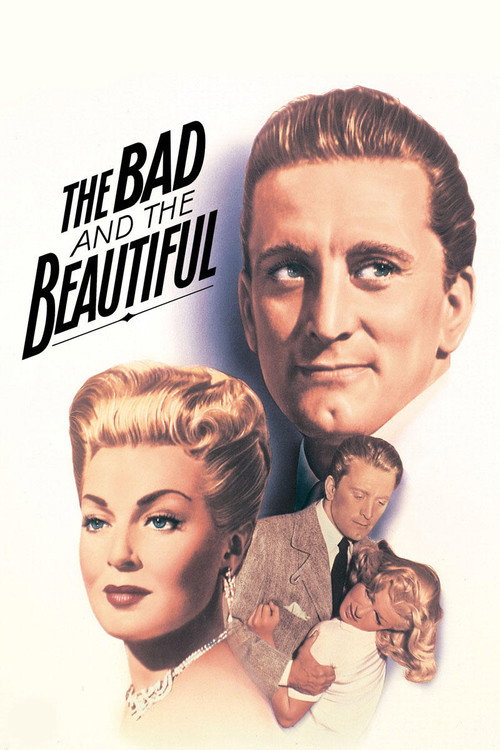
The Bad and the Beautiful1952
A Hollywood-insider drama told from inside the dream factory, following a producer who wrecks everyone who helps him climb. If you want more backlot cynicism from the exact same era, this is the other classic.
But Kirk Douglas's ambitious monster is a very different animal from Norma's tragic delusion — colder, less pity involved.
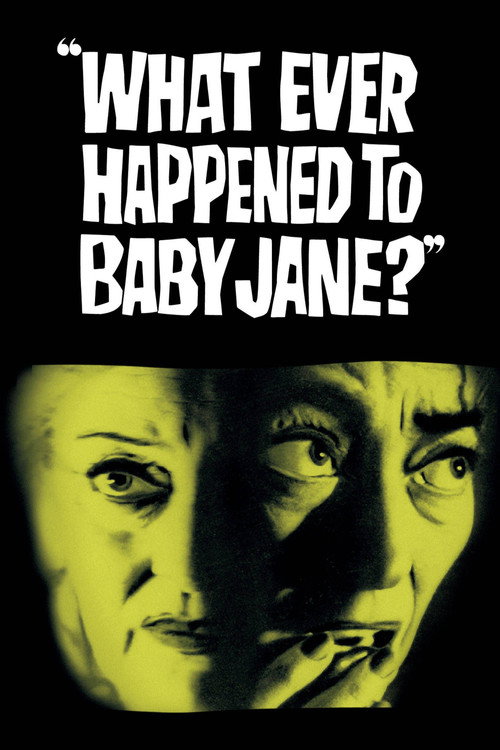
What Ever Happened to Baby Jane?1962
Takes the faded-star-trapped-in-the-past idea and turns it into full gothic horror, with Bette Davis and Joan Crawford feuding for real behind the scenes. Grotesque, campy, genuinely unsettling.
But Broader and more grotesque than Wilder's control — it wants to horrify you, not seduce you.
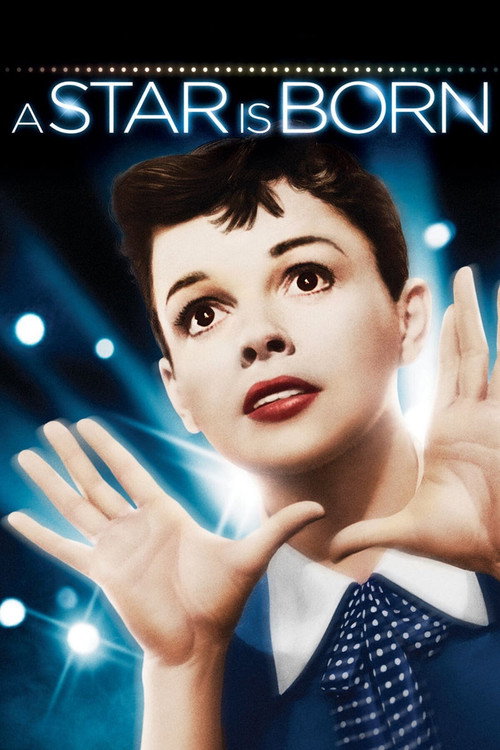
A Star Is Born1954
The other great Hollywood-decline story of the era, this time a rising star and a collapsing one sharing a marriage. Judy Garland is devastating, and the industry's cruelty gets no softer treatment.
But It's a musical melodrama at heart, longer and warmer in tone than Wilder's chilly satire.
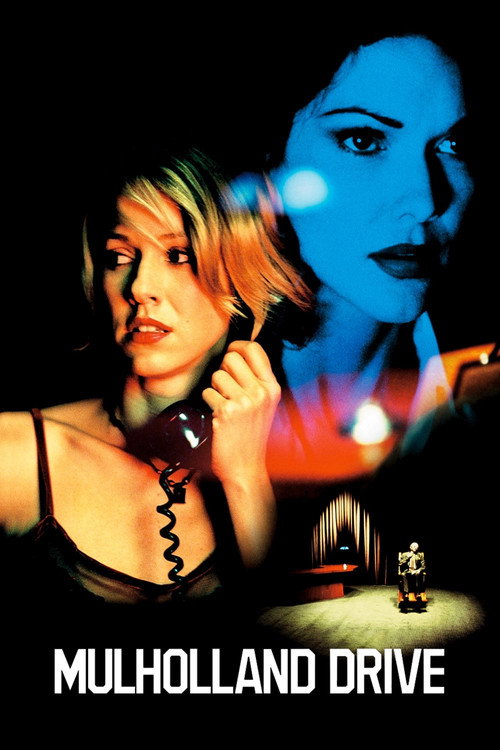
Mulholland Drive2001
David Lynch's fever dream of Hollywood ambition and identity dissolving takes Sunset Boulevard's ghost-story logic and pushes it somewhere genuinely uncanny. Same dream factory, different nightmare entirely.
But Deliberately fragmented and unresolved — if you want answers rather than atmosphere, it will frustrate you badly.
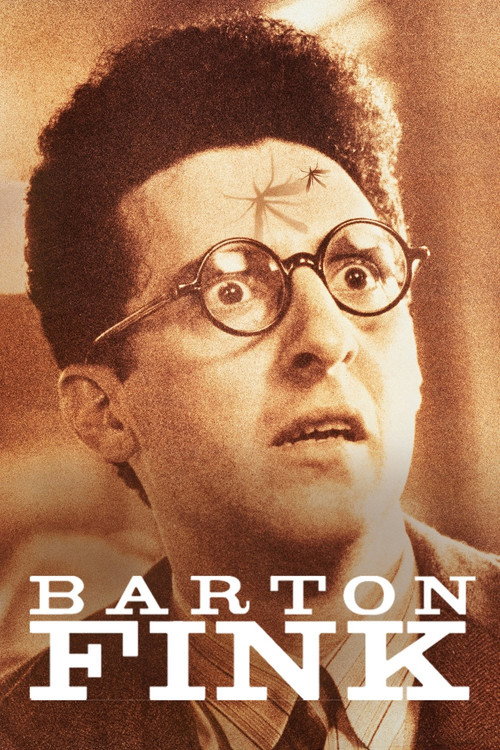
Barton Fink1991
A screenwriter drowning in Hollywood's demands, only the Coens tip it into absurdist dread rather than tragedy. Joe Gillis's exhaustion, filtered through a stranger, funnier nightmare.
But Willfully strange and inconclusive — a mood piece more than a story with a clean payoff.
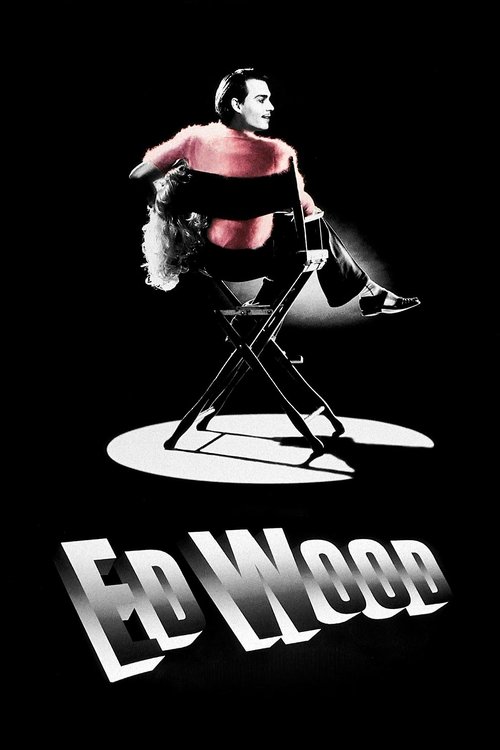
Ed Wood1994
Tim Burton's tender, black-and-white love letter to Hollywood's failures flips Wilder's cruelty into affection, following a director too untalented and too happy to know he's a joke.
But Gentle and celebratory where Sunset Boulevard is savage — if you want the knives back out, this won't deliver them.
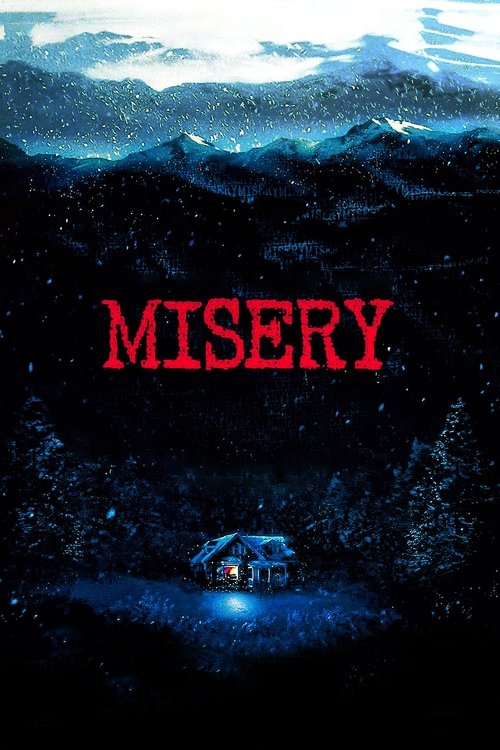
Misery1990
Same trap in a different costume: a writer held hostage by someone who loves his work more than his freedom, the fan-as-jailer idea Norma and Max embody turned into full-blown horror.
Kathy Bates, terrifying and Oscar-winning, plays a superfan who imprisons a novelist to make him write for her alone. It's Sunset Boulevard's power dynamics dragged into a genre that lets them scream.
But A broad, brutal genre thriller — the sledgehammer to Wilder's scalpel, with none of the tragic ambiguity.
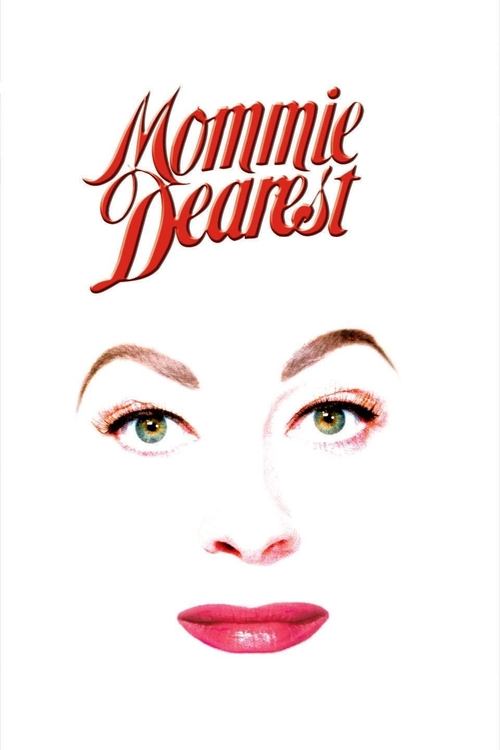
Mommie Dearest1981
The same monstrous-diva-in-decline archetype Norma originated, played with zero restraint — a camp classic about a faded star's cruelty and self-mythology that critics loathed and audiences turned into a cult object.
Faye Dunaway goes fully unhinged as Joan Crawford, an aging star terrorizing her household to preserve an image nobody believes anymore. It's trash, but glorious, purposeful trash.
But Camp rather than tragedy — it invites laughter where Wilder demanded pity, and some will find that distasteful.
People
Cast
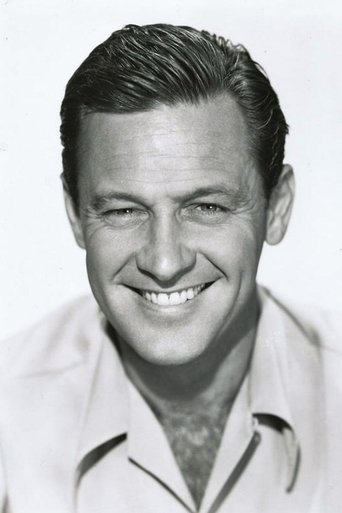 William HoldenJoe Gillis
 Gloria SwansonNorma Desmond
 Erich von StroheimMax von Mayerling
 Nancy OlsonBetty Schaefer
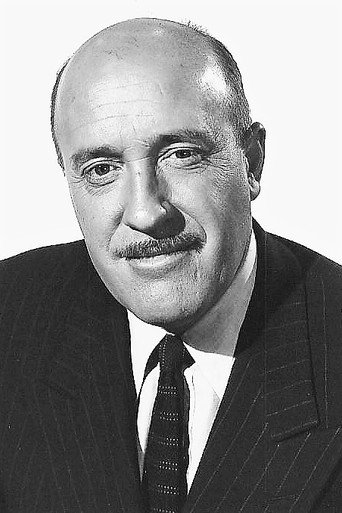 Fred ClarkSheldrake
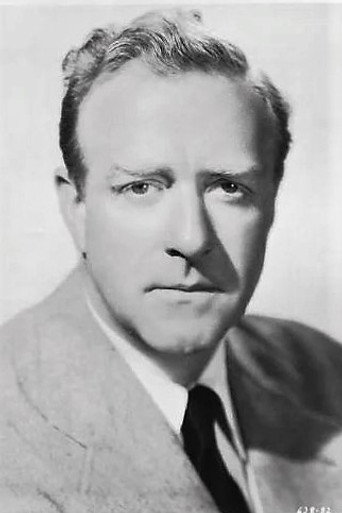 Lloyd GoughMorino
 Jack WebbArtie Green
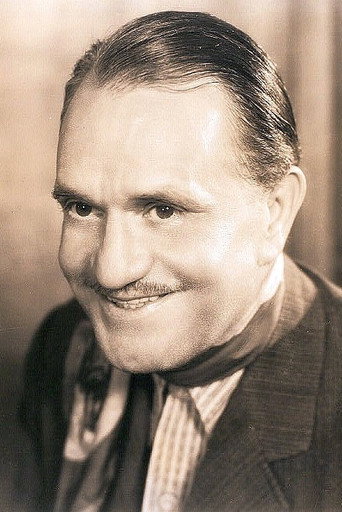 Franklyn FarnumUndertaker
 Larry J. BlakeFinance Man #1
- Charles DaytonFinance Man #2
 Cecil B. DeMilleCecil B. DeMille
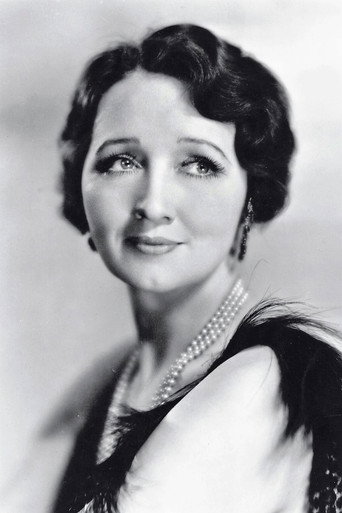 Hedda HopperHedda Hopper
Directing
- Charles C. ColemanAssistant Director
- Billy WilderDirector
- Gerd OswaldSecond Assistant Director
Writing
- Billy WilderScreenplay
- Charles BrackettScreenplay
- D.M. Marshman Jr.Screenplay
Production
- Charles BrackettProducer
- Hugh BrownProduction Manager
Recommended by
Laura, The Wrestler, Misery, Double Indemnity, Boogie Nights, BoJack Horseman, What Ever Happened to Baby Jane?, The Disaster Artist, The Kid Stays in the Picture, 8½, Tiger King: Murder, Mayhem and Madness, Extras, Episodes, All About Eve, Singin' in the Rain, The Purple Rose of Cairo, The Artist, Sullivan's Travels, All That Jazz, Barton Fink, Witness for the Prosecution, The Private Life of Sherlock Holmes, The Iron Lady, Val, The Player, Feud, A Star Is Born, Mildred Pierce, Desperate Housewives, Minions & Monsters, Call My Agent! The Movie, Teenage Sex and Death at Camp Miasma, Judy, The King of Comedy, Leave Her to Heaven, To Die For, Death Becomes Her, The Blue Angel, The Bad and the Beautiful, Generation Wealth, Millennium Actress, Great Expectations, Mommie Dearest, Stardust Memories, Once Upon a Time... in Hollywood, The Kingmaker, A Place in the Sun, Chaplin, Pandora's Box, Young Adult, Hush... Hush, Sweet Charlotte