
Film
Limelight
Chaplin's final performance as a vagabond comic: a tender, deeply felt portrait of aging, obsolescence, and the grace of giving yourself to someone else's redemption. It moves between music-hall nostalgia and genuine heartbreak, funny and aching in equal measure. For anyone who responds to old Hollywood's confidence that sentiment earned is sentiment deserved.
Should you watch it?
Watch it if you find pleasure in sentimental stage melancholy broken up by sudden physical comedy, and don't mind a tender, talky film that trusts its emotions.
Skip it if you want a brisk comedy, since this is long, talky and slow to warm, and its sentiment runs thick enough to test patience.
What it asks of you: Settle in for nearly two and a half hours of black-and-white, unhurried scenes where feeling is talked through as often as shown, drifting between wistful and farcical.
Not sure? Find tonight's pick in a minute.
If you liked this
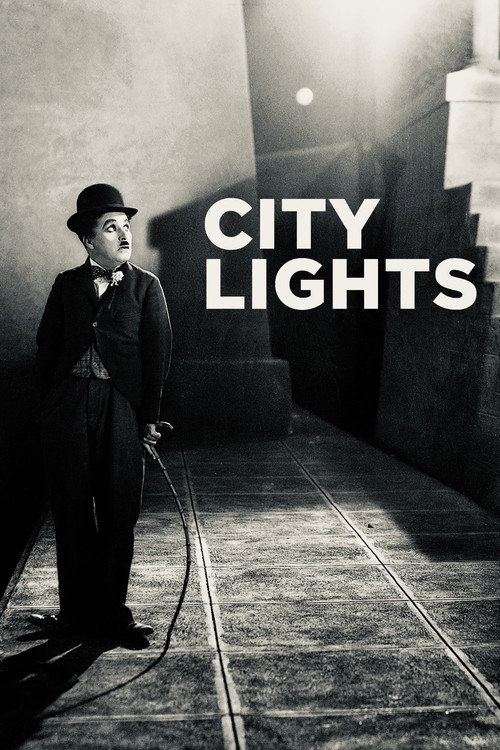
City Lights1931
Chaplin's masterpiece of silent comedy and romance: the Tramp falls for a blind flower girl, and the film balances slapstick brilliance with moments of profound tenderness. Essential viewing to understand why Chaplin matters.
But Nearly a century old now, and silent film can feel like a cultural artifact rather than living cinema to viewers raised on sound and speed.
Singin' in the Rain1952
Released the same year, it captures that same post-war energy—old performers adapting to a new era—but with Gene Kelly's exuberance instead of Chaplin's melancholy. Pure joy in motion, and proof the era had range.
But If you're in a serious mood, the relentless optimism can feel saccharine rather than earned.

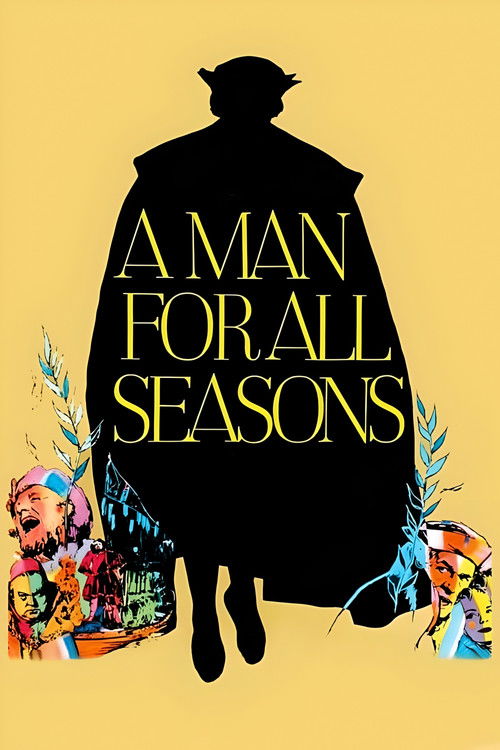
A Man for All Seasons1966
Paul Scofield as a man facing obsolescence and irrelevance with dignity and principle. Like Limelight, it's about aging and standing by your values when the world moves past you, but with intellectual rather than sentimental force.
But Dialogue-heavy period piece that moves at the pace of Elizabethan statecraft, not contemporary drama.
Not sure tonight? Get a pick in a minute, starting from Limelight
The wildcard
Something you would not have found on your own.
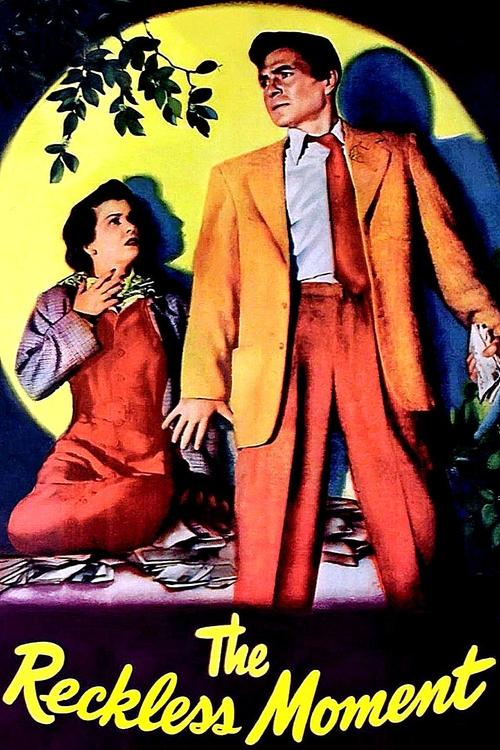
The Reckless Moment1949
Both are valedictory works about people aging into irrelevance, but where Chaplin offers grace through connection, Ophüls offers beauty through the very sensuality and desire that condemns his characters. Mirror images of 1950s melodrama.
Opulent melodrama starring James Mason and Joan Bennett, made by Max Ophüls in Hollywood exile. Lavish, morally ambiguous, deeply romantic—it proves 1940s cinema could be ornate and serious simultaneously, not just quaint.
But The plot hinges on coincidence and moral compromise that feels increasingly baroque as it unfolds; if you need logic from your drama, it will frustrate you.
More like this (8)
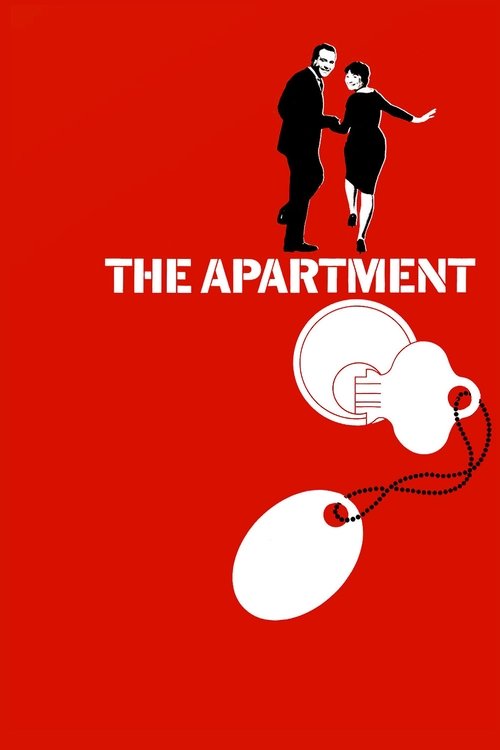
The Apartment1960
Lemmon and MacLaine navigate loneliness and connection in a film that's simultaneously funny, romantic, and genuinely sad. Proves mid-century Hollywood could do sentiment without schmaltz, and that sacrifice has real weight.
But The gender politics haven't aged perfectly, and the tonal shifts between comedy and drama can feel uneven if you're not in the mood.
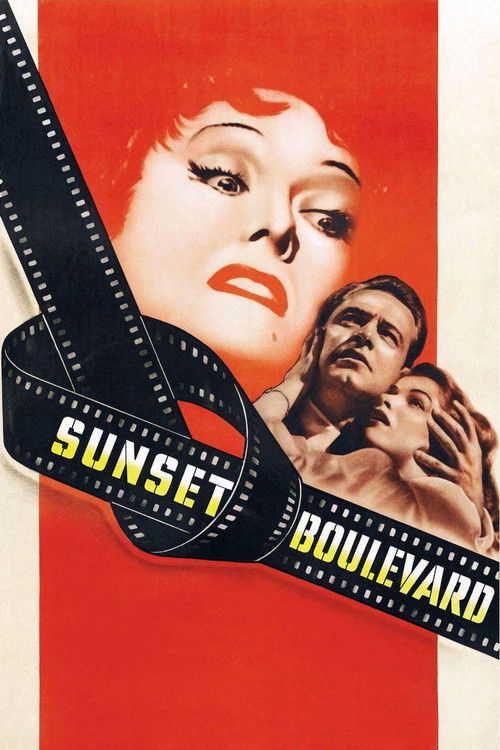
Sunset Boulevard1950
Billy Wilder's masterwork about Hollywood's cruelty to its aging performers. Darker and more cynical than Limelight, but essential if you want the full picture of what happened to people like Chaplin's Calvero.
But Relentlessly bleak; there's no warmth or redemption here, only corrosion. Can feel like being trapped in someone else's bitterness.
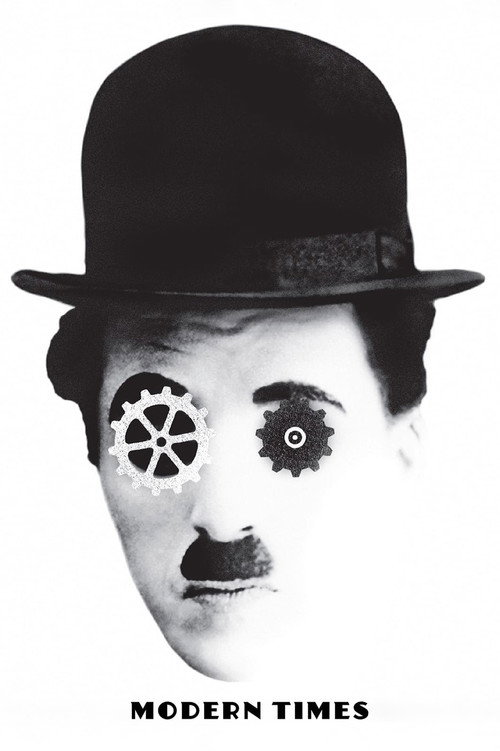
Modern Times1936
Chaplin's last silent film, a furious and funny dissection of industrial mechanization and human dignity. Shows the Tramp at peak form, fighting systems that would reduce him to a cog.
But The political message can feel didactic now, especially after the sentimentality of Limelight—it's all fury, no grace.
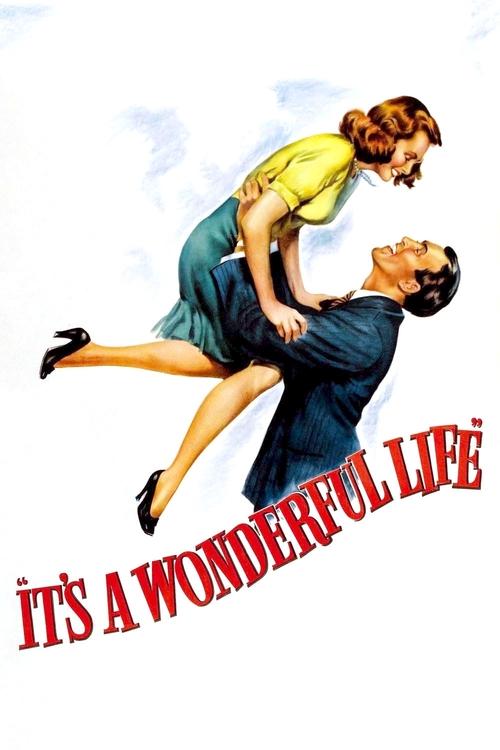
It's a Wonderful Life1946
Capra's Christmas standard operates from the same emotional core as Limelight: a life of small sacrifices redeemed by the love you've given others. Proof that sincerity about human connection was a genuine artistic choice of the era.
But Ubiquity has calcified it into decoration; you have to work to see past the greeting-card version to the film underneath.
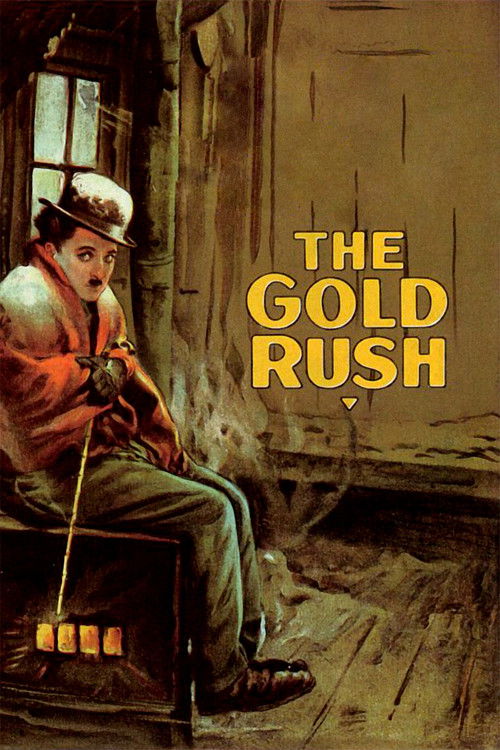
The Gold Rush1925
Chaplin's greatest silent comedy: the Tramp chasing fortune during the Klondike boom. Hilarious, visually inventive, and unexpectedly moving. The meal scene alone justifies its reputation.
But At nearly two and a half hours, it tests modern attention spans, and the pacing of silent comedy can feel glacial to viewers used to cutting rates measured in seconds.
Bicycle Thieves1948
Italian neorealism's masterpiece: a man and his son searching Rome for a stolen bicycle. Like Limelight, it's about dignity in the face of systems designed to crush you, but without sentimentality—just observation and heartbreak.
But The film's refusal to offer conventional comfort can feel punishing, and its poverty is presented without the warmth that makes Limelight's sadness bearable.

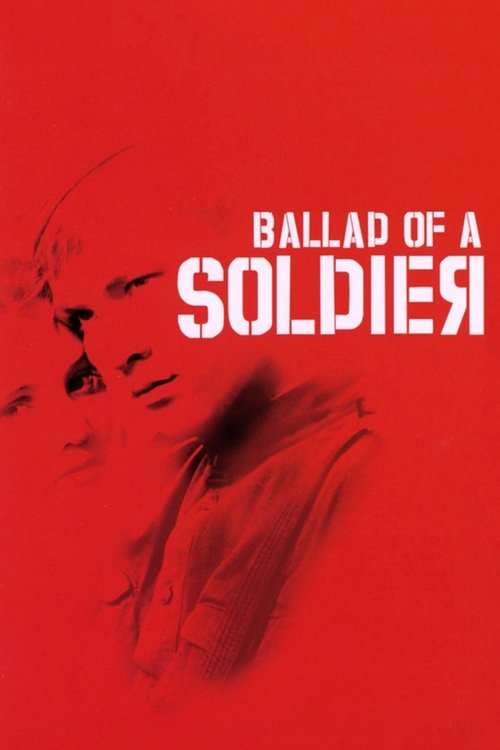
Ballad of a Soldier1959
Both films locate redemption in the small acts of attention one person gives another. Chaplin's aging comic and Ballad's soldier are both defined by what they give rather than what they take. Both argue that this is enough.
Soviet cinema at its most humanist: a young soldier gets leave during WWII and spends it reuniting with his mother. Black and white, poetic, structured like a fairy tale but emotionally devastatingly real. One of cinema's perfect films.
But It's in Russian, and the pacing is unhurried; modern viewers expecting narrative momentum will find it moves like memory, not plot.
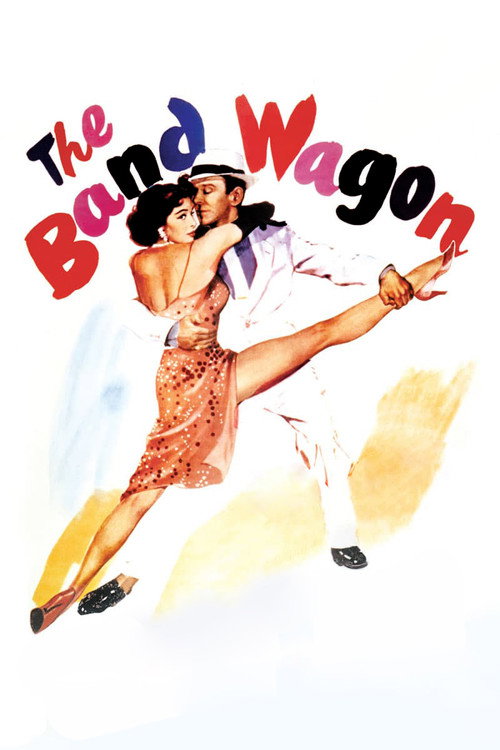
The Band Wagon1953
A year after Limelight, Hollywood offered its answer: obsolescence isn't tragic if you can still make beauty. Astaire's resilience is the opposite of Chaplin's resignation—two visions of aging in the same historical moment.
Fred Astaire plays a fading Hollywood song-and-dance man mounting a comeback on Broadway. It's a musical, so it sidesteps Limelight's melancholy in favor of production numbers and charm, but it's haunted by the same anxiety about obsolescence.
But If you don't love classic musicals, the lengthy choreography sequences will feel like the film has stopped to show off. The plot exists only to justify the dancing.
People
Cast
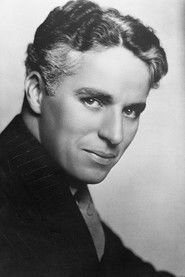 Charlie ChaplinCalvero
 Claire BloomThereza 'Terry' Ambrose
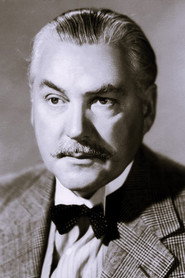 Nigel BrucePostant
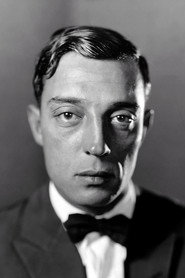 Buster KeatonCalvero's Partner
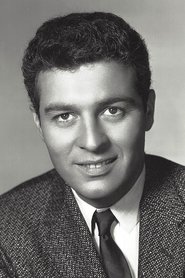 Sydney ChaplinNeville
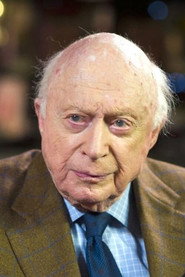 Norman LloydBodalink
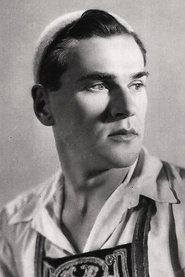 Andre EglevskyDancer - Harlequin
 Melissa HaydenDancer - Columbine
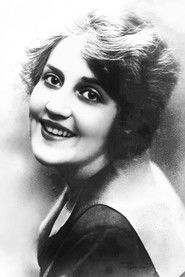 Marjorie BennettMrs. Sybil Alsop
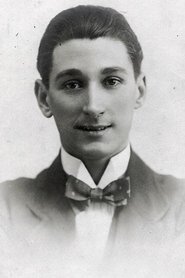 Wheeler DrydenThereza's Doctor
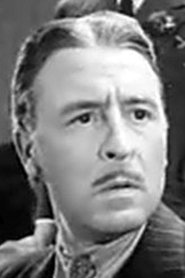 Barry BernardJohn Redfern
- Stapleton KentClaudius
Directing
- Jack VerneAssistant Director
- Robert AldrichAssistant Director
- Charlie ChaplinDirector
Writing
- Charlie ChaplinOriginal Story
- Charlie ChaplinScreenplay
Production
- Charlie ChaplinProducer
- Alfred LewinProduction Accountant
- Jerome EpsteinProduction Assistant
- Wheeler DrydenProduction Assistant
- Lonnie D'OrsaProduction Manager
- Kathleen PryorProduction Secretary
Recommended by
The Great Buster: A Celebration, Young Man with a Horn, Androcles and the Lion, The Dancing Years, A King in New York, Pagliacci