
Film
Ballad of a Soldier
A Soviet soldier earns leave to visit his mother but spends it helping strangers across a war-torn landscape. Gently paced and almost fairytale-like, it finds tenderness in rubble and grace in small acts of kindness. For anyone drawn to humanism in extremity, or to cinema that believes in goodness without being naive about suffering.
Should you watch it?
Watch it if you love slow, humane films where small kindnesses and stolen moments of tenderness carry more weight than plot, and you don't mind a war story that keeps stepping sideways into ordinary people's lives.
Skip it if you want war drama with momentum and clear stakes, since this one wanders through train rides and chance encounters, and its emotional payoff depends on patience rather than suspense.
What it asks of you: Roughly ninety minutes of unhurried, episodic travel, with long quiet stretches and a gentle pace that rewards staying present rather than waiting for the next big event.
Not sure? Find tonight's pick in a minute.
If you liked this
Come and See1985
An unflinching portrait of childhood destroyed by war's machinery. Like Ballad, it centers a young person's journey through devastation, but trades philosophical hope for psychological trauma. Spiritually connected despite their opposite registers.
But Relentlessly brutal and nihilistic. This is not a film about kindness surviving—it's about kindness being annihilated. Some find it unwatchable.

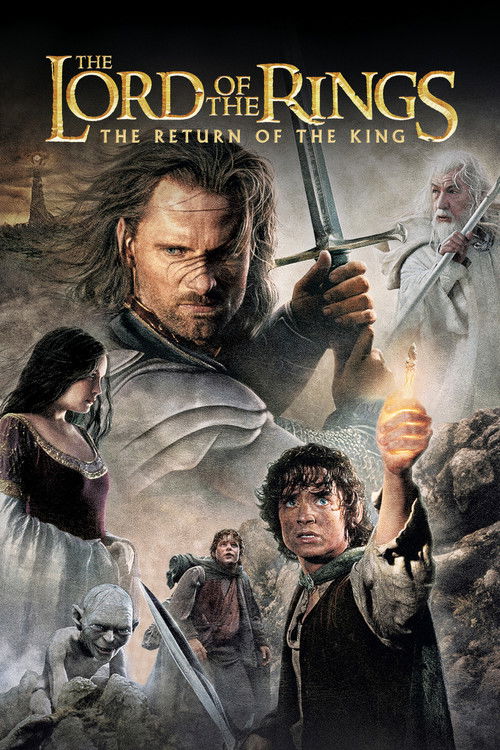
The Lord of the Rings: The Return of the King2003
A Russian father and son journey across a sparse landscape, learning to trust each other across silence and distance. Shares Ballad's belief in transformation through landscape and human connection, with similar narrative economy.
But Deliberately slow and cryptic. The father remains largely mysterious, and some viewers find the ending frustratingly ambiguous or punishing.
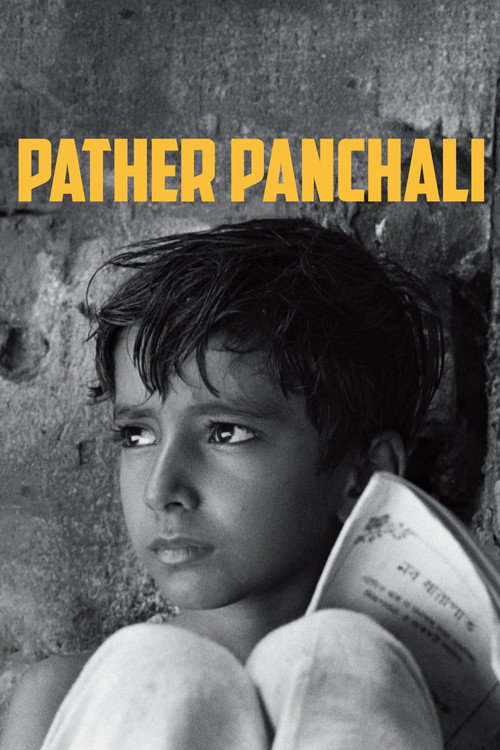
Pather Panchali1955
Another masterpiece about hardship and beauty coexisting, following a family's quiet struggles in rural India. Like Ballad, it finds profound grace in everyday moments and believes in the resilience of the human spirit.
But Episodic and contemplative rather than plot-driven. Its pace and black-and-white grain can feel remote to viewers accustomed to narrative momentum.
Not sure tonight? Get a pick in a minute, starting from Ballad of a Soldier
The wildcard
Something you would not have found on your own.
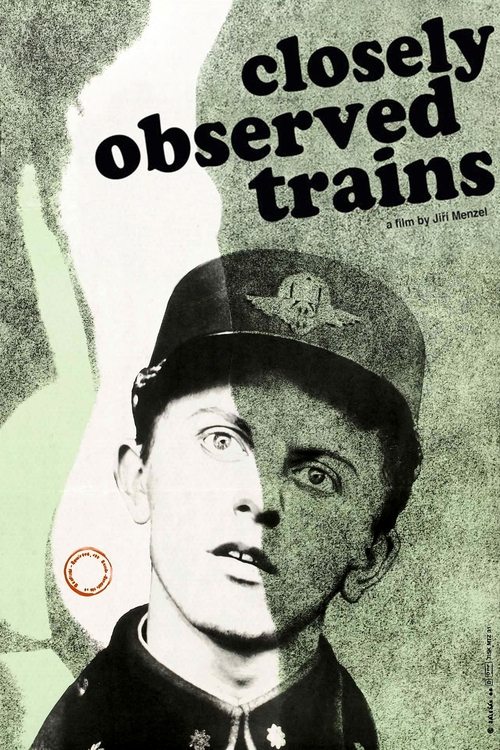
Closely Watched Trains1966
Both follow a young man's brief journey of self-discovery during WWII occupation, using his passage through society to explore how individuals preserve humanity and desire under totalitarian constraint.
A Czech New Wave film about a shy young railway worker during WWII occupation. It uses comedy and coming-of-age against the same historical backdrop as Ballad, finding dark humor and erotic discovery amid constraint. A radically different emotional register exploring the same historical moment.
But Tonally jarring if you expect Ballad's consistency—it pivots between farce, romance, and sudden gravity. Some find the sexual content gratuitous or the comedy inappropriate for wartime settings.
More like this (7)
Stalker1979
Tarkovsky's metaphysical journey into a mysterious zone shares Ballad's meditative pace and faith in human yearning. Both films find philosophy in movement across challenging terrain, and both are formally mesmerizing.
But Nearly three hours of philosophical musing. If you want plot resolution or clear answers, this will frustrate you deeply.

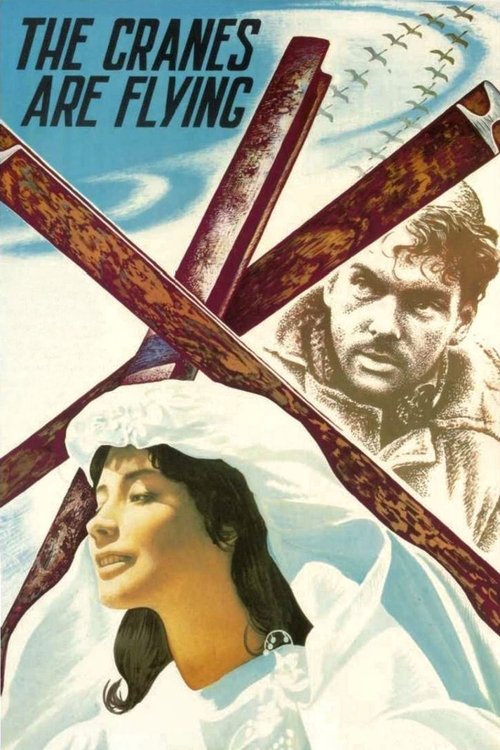
The Cranes Are Flying1957
Soviet contemporary of Ballad exploring love and loss during WWII. Like it, deeply romantic and visually stunning, but more explicitly tragic in its romance. Essential if you loved Ballad's emotional register.
But More conventionally melodramatic than Ballad. Some find its tragedy overwrought compared to Ballad's quieter sorrow.
Ikiru1952
Kurosawa's film about a dying bureaucrat finding meaning through small acts of service. Shares Ballad's conviction that helping others is the truest path to grace, set against institutional indifference.
But Structurally complex, with a lengthy second half that circles the same emotional territory. The pacing challenges some viewers' patience.

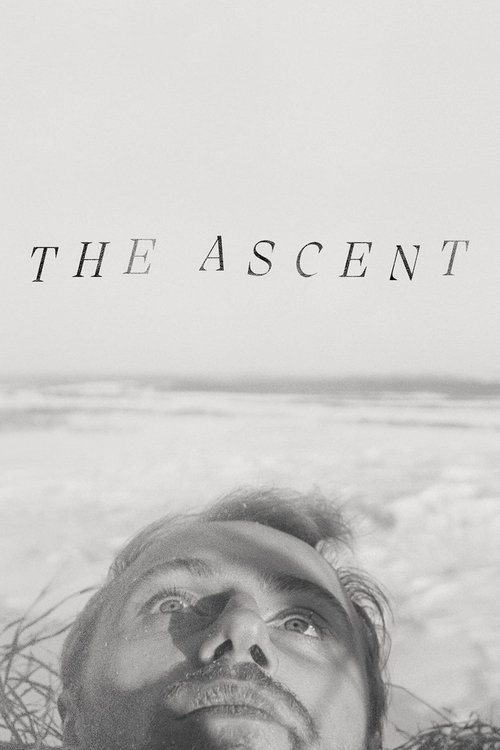
The Ascent1977
Larisa Shepitko's devastating meditation on faith and sacrifice during WWII. Like Ballad, it follows two figures through landscape and extremity, but interrogates spiritual conviction with far greater severity.
But Theologically dense and bleak. If Ballad's gentle hope is what moved you, this film's dark interrogation of faith may feel like a betrayal.
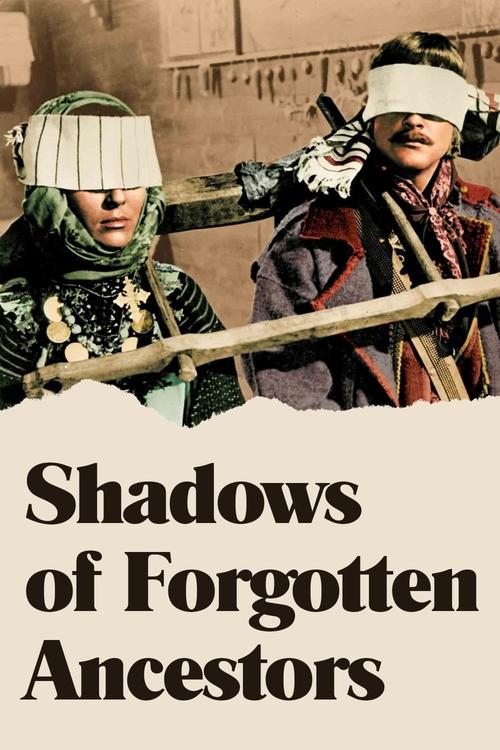
Shadows of Forgotten Ancestors1965
A visually extraordinary Ukrainian film about love and loss across generations. Shares Ballad's lyrical approach to human connection and belief in cinema's power to transcend tragedy through beauty.
But Formally experimental and deeply rooted in specific Carpathian folklore. The symbolic density and unfamiliar cultural context can feel impenetrable.
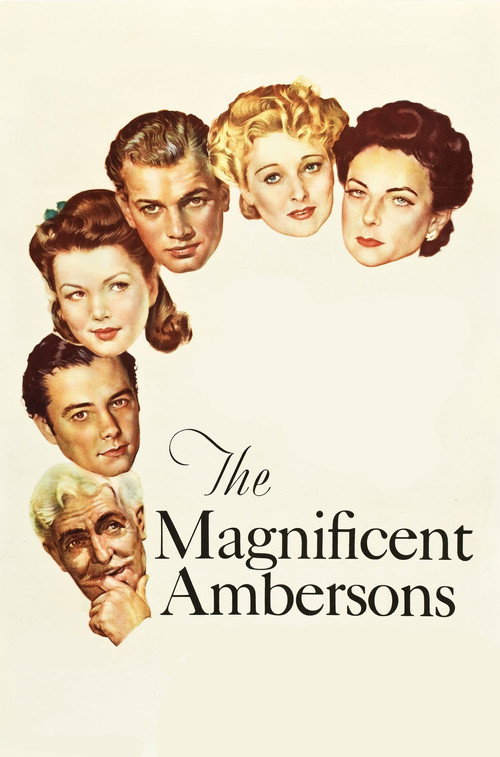
The Magnificent Ambersons1942
Both films use repeated encounters and kindnesses to reveal character, and both argue that the measure of a person is how they treat strangers and the fallen. Both find tragedy in the collision between individual goodness and historical or social forces.
Welles's American melodrama about a family's decline across decades, structured as a series of small collisions and redirected moments. Like Ballad, it believes that character emerges through what we do for others, and that grace lives in acceptance of loss.
But Studio interference truncated Welles's original vision, and it shows—the ending feels imposed. Also entirely American and domestic where Ballad is epic and war-torn.
The Seventh Seal1957
Both feature a protagonist moving through a darkened landscape encountering strangers, using those encounters to ask what goodness means when death and history are closing in. Both are about the search for meaning in a world that offers none.
Bergman's knight plays chess with Death during the plague; a film about mortality, faith, and human connection when time is running out. Shares Ballad's philosophical seriousness and its conviction that small acts of grace matter infinitely when everything else is collapsing.
But Swedish existentialism is not for everyone. If you want concrete narrative or emotional catharsis rather than meditation on meaning, this will feel abstract and punishing.

People
Cast
 Vladimir IvashovAlyosha Skvortsov
 Zhanna ProkhorenkoShura
 Antonina MaksimovaKaterina, Alyosha's Mother
 Nikolay KryuchkovThe General
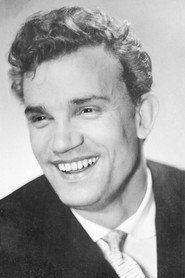 Evgeniy UrbanskiyVasya, the Invalid
 Elza LezhdeyLiza, the Invalid's Wife
- Aleksandr KuznetsovGavrilkin, the Train Sentry
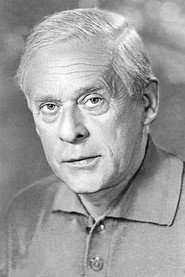 Yevgeni TeterinThe Lieutenant, 'A Terrible Beast'
 Valentina MarkovaZoya, Skvortsovs' Neighbor
- Mariya KremnevaElizaveta Petrovna, Pavlov's Wife
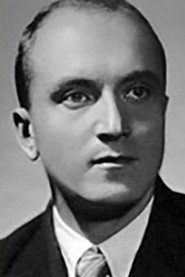 Vladimir PokrovskiyVasiliy Egorovich, Pavlov's Father
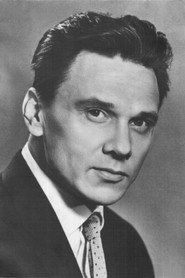 Georgiy YumatovThe Driver
Directing
- M. ChernovaAssistant Director
- Grigoriy ChukhrayDirector
Writing
- Marianna RoozScript Editor
- Grigoriy ChukhrayWriter
- Valentin EzhovWriter
Production
- Pavel DanilyantsExecutive Producer