
Film
The Cranes Are Flying
A Soviet masterpiece about love fractured by war. Tatyana Samoylova's Veronika waits for her beloved Boris as Moscow burns around her, but separation breeds misunderstanding and the slow erosion of certainty. Visually stunning, emotionally devastating, and entirely unsentimental about the cost of conflict on the heart.
Should you watch it?
Watch it if you are moved by quiet romantic longing set against historical upheaval, especially when the camera itself seems to soar with the emotion and the war arrives mostly through private loss.
Skip it if you find heightened emotion and sentimental sweep hard to take, since its feelings run hot and it asks you to ache openly rather than read between the lines.
What it asks of you: Roughly an hour and a half, with long stretches where images and faces do the talking, and a mood that drifts from hopeful to heavy with few breaks for relief.
Not sure? Find tonight's pick in a minute.
If you liked this
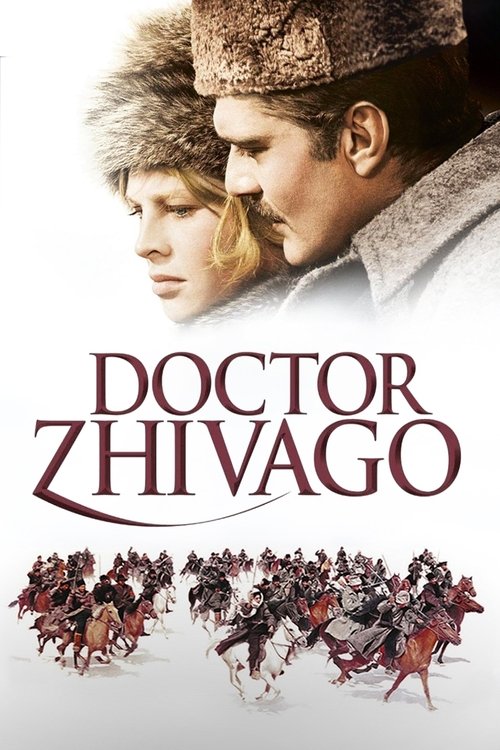
Doctor Zhivago1965
Lean's epic romance also traces love across war and revolution, with similar visual grandeur and the same question: can intimacy survive historical upheaval? The scale is larger but the emotional core is identical.
But At over three hours, it moves slowly, and the political framework can feel didactic. Some find it cold despite its sweep.
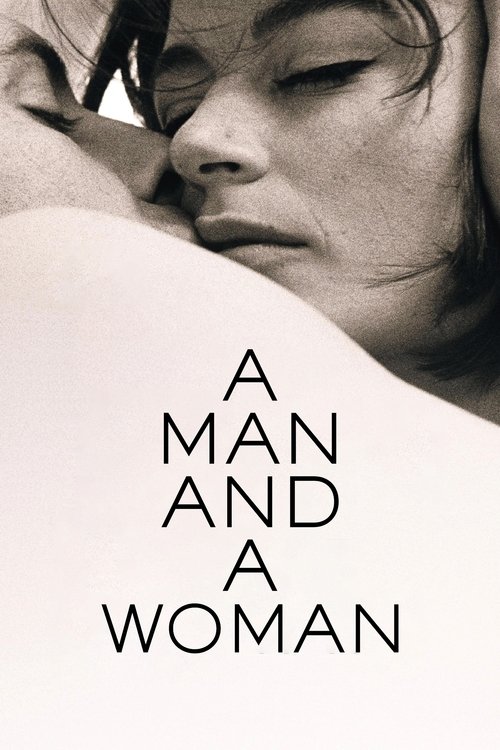
A Man and a Woman1966
Claude Lelouch's tender film about two people trying to rebuild after loss. Like Cranes, it's intimate and visually inventive, trusting the audience to feel what the characters cannot say aloud.
But The French New Wave style may feel mannered; the emotional restraint some find moving, others find distant.
Come and See1985
Elem Klimov's devastating account of a boy conscripted into WWII. It shares Cranes' unflinching view of how war destroys not just bodies but souls, with imagery that stays with you.
But It is genuinely traumatic to watch—not in an exploitative way, but in its refusal to look away. This is not evening entertainment.

Not sure tonight? Get a pick in a minute, starting from The Cranes Are Flying
The wildcard
Something you would not have found on your own.
The Seventh Seal1957
Both are 1957 European meditations on love and mortality amid historical catastrophe; both use visual poetry to show what words cannot.
Bergman's masterpiece, made the same year as Cranes, is also about figures caught between desire and death, waiting for something that may not come. Both use war and mortality to ask what love means when time is running out.
But It's abstract and philosophical where Cranes is concrete and emotional. If you want story over metaphysics, you'll find it distant.

More like this (8)
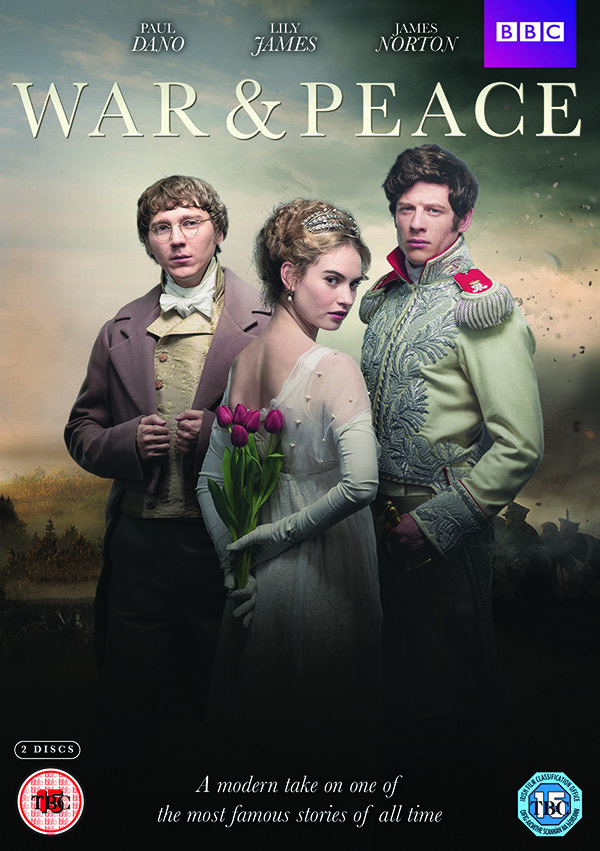
War & Peace2016
Bondarchuk's Russian miniseries adaptation captures the same epic-intimate balance: grand historical events seen through individual hearts. It has the Tolstoy depth and the visual poetry of Soviet cinema at its height.
But The pacing is deliberate and the runtime substantial. Patience required; impatience will be punished.
The Third Man1949
Reed's post-war noir set in occupied Vienna. It shares the sense of a city broken by conflict, of trust shattered, of lovers separated by circumstance and ideology. Visually it's ravishing in its decay.
But It's primarily a thriller, not a love story, so the romance feels secondary. The twist divides people on whether it earns its emotional weight.

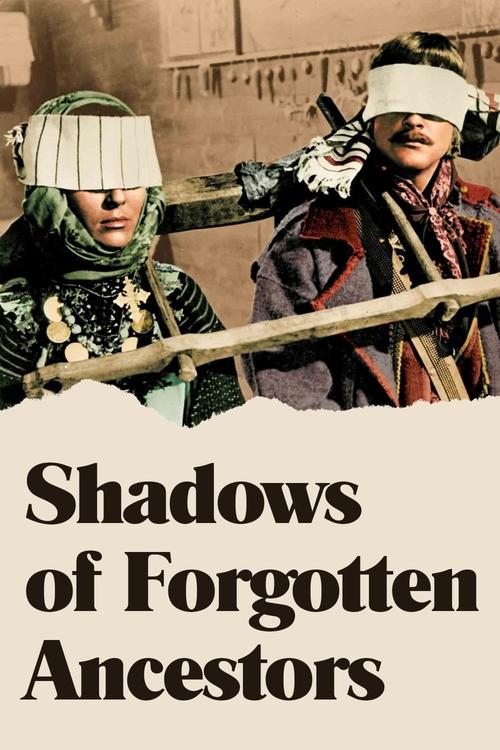
Shadows of Forgotten Ancestors1965
Sergei Parajanov's Ukrainian folk-tragedy about doomed lovers, filmed with the same chromatic intensity and poetic visual language as Cranes. A different war, a different era, but the same sense of fate and beauty.
But It's hermetic and demands surrender to its own logic. If you need plot clarity, this will frustrate you.
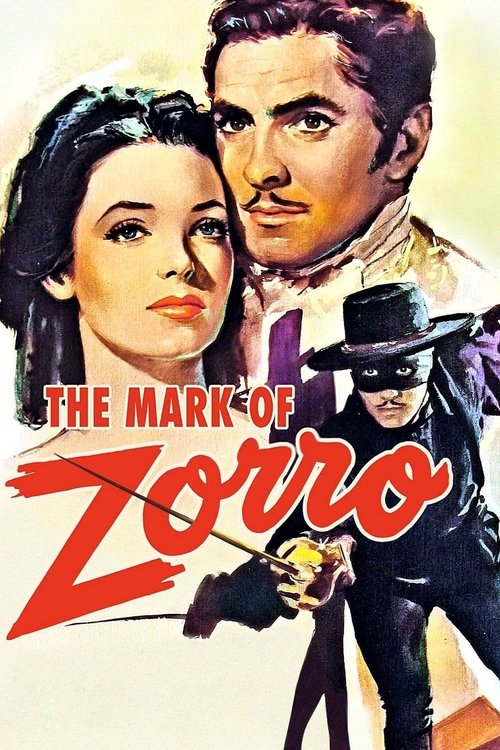
The Mark of Zorro1940
Tyrone Power in a swashbuckler about duty versus desire, heroism versus love. Lighter in tone, but structurally similar: a man torn between his mission and the woman waiting.
But It's an adventure film first, so the emotional stakes feel lower. If you want realism, this gilded approach will seem evasive.
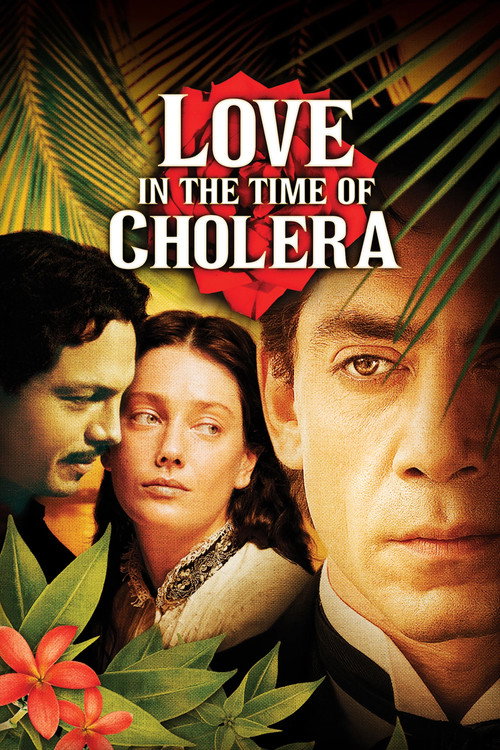
Love in the Time of Cholera2007
Márquez's meditation on love that endures across decades and separation. Like Cranes, it asks whether love can survive unchanged by time, or whether we love the person or the idea of them.
But The pacing is glacial and the romance mythologized. Some find it beautiful, others find it precious and slow.
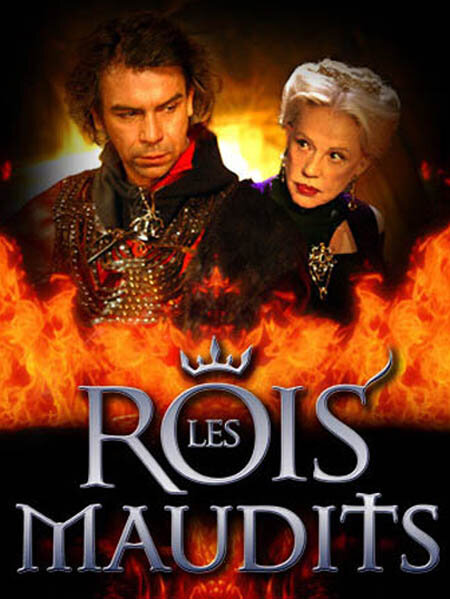
Les Rois Maudits2005
French miniseries spanning generations, with political upheaval and impossible love woven through. If you want that same sense of individuals caught in historical currents, with romance as the human counterweight to power.
But It's sprawling and soap-operatic in places. The historical framework may feel heavy-handed, and the quality varies across episodes.
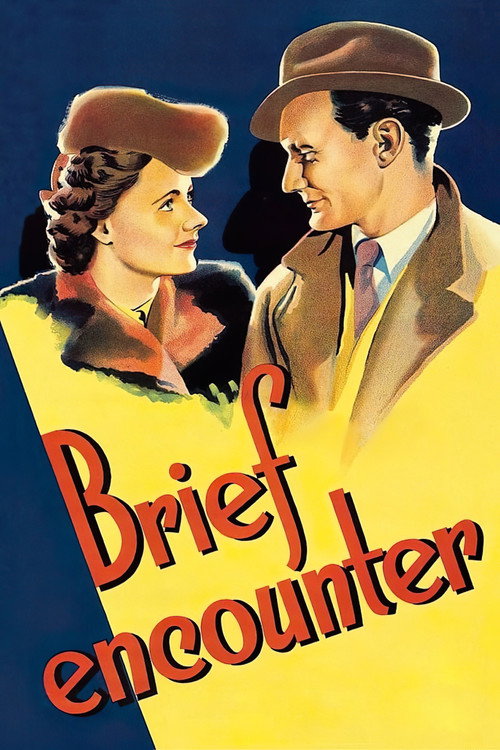
Brief Encounter1945
Both films argue that the most devastating separations are the quiet ones—that unspoken grief is deeper than any declaration.
Coward's British classic about lovers separated by circumstance and social obligation, told with restraint and unbearable tenderness. It's the same story—two people, an impossible gap, the slow acceptance that reunion may not happen—but in a drawing room instead of wartime Moscow.
But The upper-class English restraint can read as repression rather than emotion. The melodrama is all internal; if you need outward display, you'll feel cheated.
Stalker1979
Both films trust silence and duration to convey what cannot be rushed; both are about waiting as a spiritual act, not a narrative flaw.
Tarkovsky's science-fiction meditation on desire and faith. Like Cranes, it's about people journeying toward something they can never be certain exists, and whether the longing matters more than arrival. Slow, hypnotic, visually extraordinary.
But It is profoundly slow—163 minutes of philosophical patience. If you watch it as a plot, you will be bored and furious.

People
Cast
 Tatyana SamoylovaVeronika
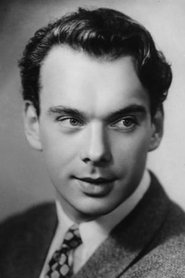 Aleksey BatalovBoris
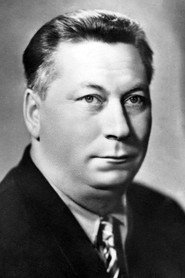 Vasili MerkuryevFyodor Ivanovich
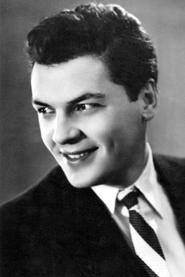
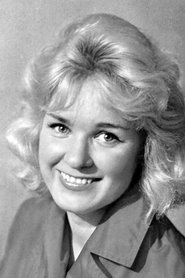 Svetlana KharitonovaIrina
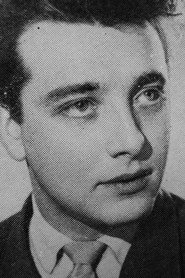 Konstantin KadochnikovVolodya
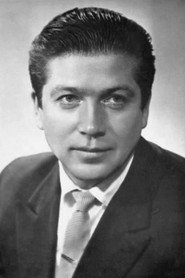 Valentin ZubkovStepan
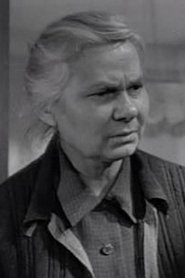 Antonina BogdanovaGrandmother
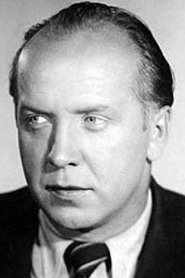 Boris KokovkinChernov
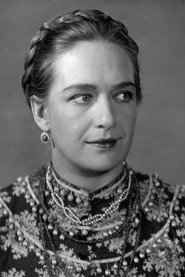 Ekaterina KupriyanovaAnna Mikhaylovna
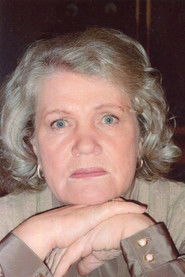 Valentina AnaninaLyuba
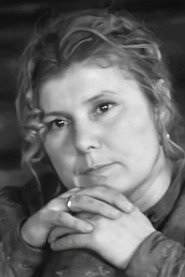 Valentina VladimirovaWoman Soldier
Directing
- Mikhail KalatozovDirector
- Bela FridmanFirst Assistant Director
Writing
- Vadim KorostylyovLyricist
- Viktor RozovScreenplay
- Viktor RozovTheatre Play
Production
- Igor VakarExecutive Producer
Recommended by
Mrs. Miniver, In This Corner of the World, Ivan's Childhood, Letter Never Sent, Мёртвые души, Hell's Hinges, The Childhood of Maxim Gorky, News from Home, The Agony and the Ecstasy, Earth, When the Tenth Month Comes, The Mother, The Fifth Seal, Days of Glory, Ballad of a Soldier, Air Crew, The Forty-First, One Step Beyond, Admiral, Quiet Flows the Don, The Young Guard, Bezhin Meadow: Sequences from an Unfinished Film