
Film
The Seventh Seal
Bergman's black-plague fable about a knight who buys time by challenging Death to chess. It's slow, austere, soaked in medieval dread, and unexpectedly witty in bursts. Less horror film than philosophy staged as pageant — questions of faith, meaning, and whether life without God can still hold grace. For patient viewers who want cinema as meditation, not distraction.
If you liked this
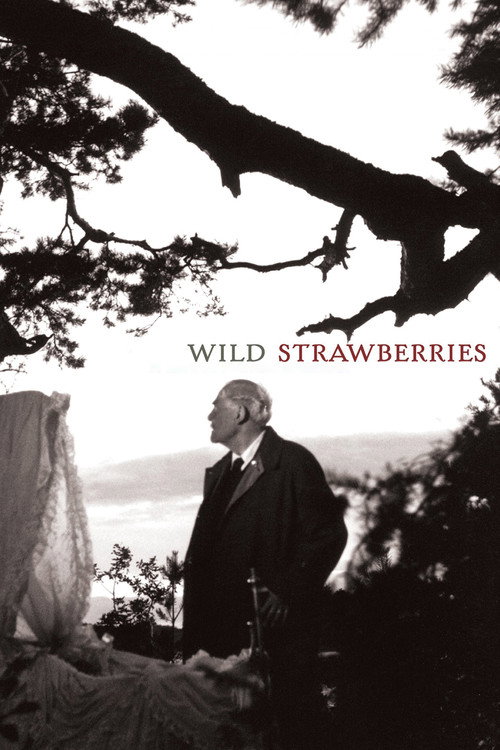
Wild Strawberries1957
Bergman's other great meditation on mortality, made the same year — an old man's road trip through memory and regret as death approaches. Warmer than Seventh Seal, but just as unflinching about what a life adds up to.
But Its gentleness and dream-logic structure can feel meandering if you want the stark allegory of Death himself.
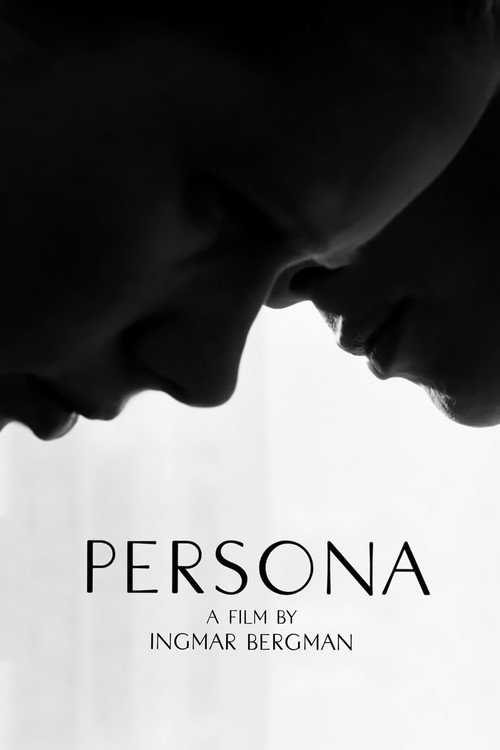
Persona1966
Bergman at his most formally daring — two women's identities dissolving into each other in a film that rewired what psychological cinema could look like. If Seventh Seal asks about God, this asks about the self.
But Deliberately opaque and fragmented; it resists explanation more than it offers one, which frustrates viewers wanting narrative footing.
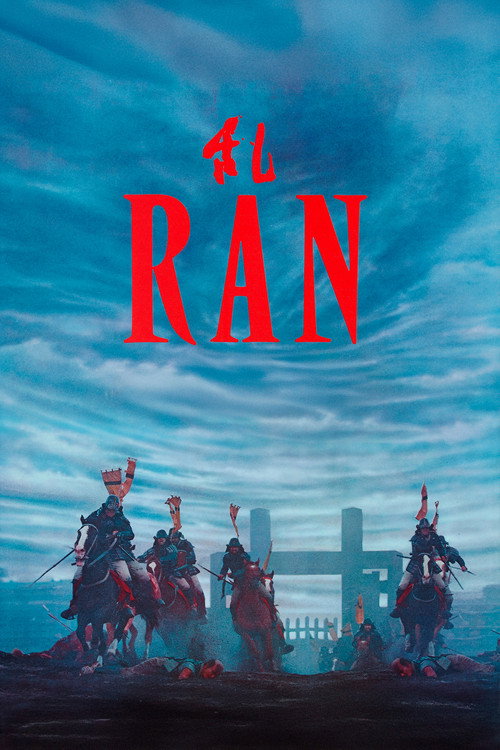
Ran1985
Kurosawa's late-life Lear adaptation, a medieval epic soaked in mortality, betrayal, and the futility of power — gorgeous, operatic, and just as haunted by the emptiness at the end of a violent life.
But Nearly three hours of tragedy on an epic Technicolor scale; it's grand where Seventh Seal is austere and spare.
The wildcard
Something you would not have found on your own.
Faust1926no page yet
Same bargain-with-death structure, same medieval plague backdrop, same question of whether a soul can be saved by one act of grace — Murnau got there thirty years earlier, and Bergman surely knew it.
The silent film that arguably invented Bergman's imagery — a man bargains with a demon over his soul while plague and death stalk a medieval town, rendered in astonishing German Expressionist visuals decades before Death played chess.
But Silent, melodramatic, and paced very differently; it demands patience for intertitles and grand gesture over dialogue.
More like this (8)
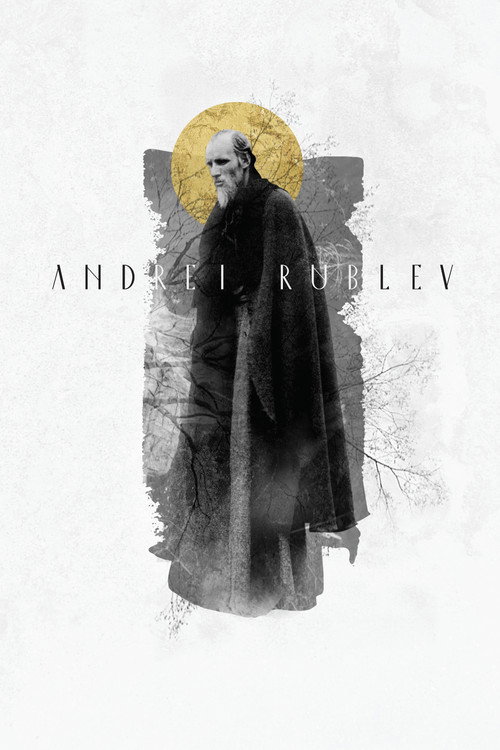
Andrei Rublev1966
Tarkovsky's monk-painter wanders a plague-scarred medieval Russia asking whether faith and art can survive atrocity — the closest thing to Bergman's chessboard theology, filmed on an even larger, muddier canvas.
But Three hours, long wordless stretches, and a pace that tests even devoted arthouse audiences.
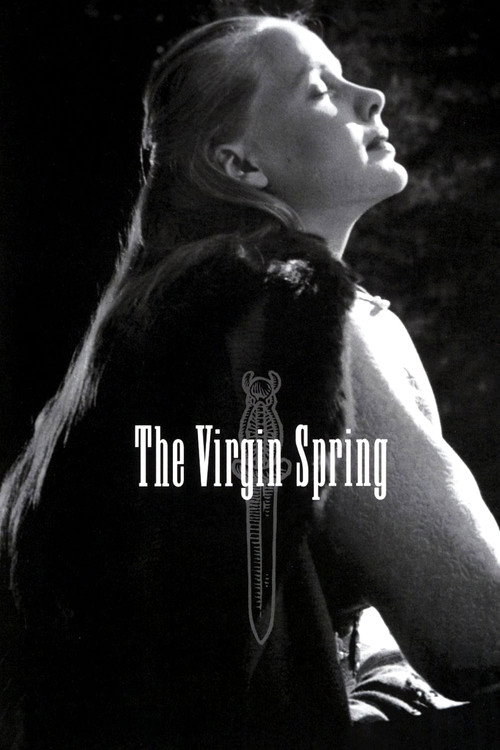
The Virgin Spring1960
Bergman again, a year later, telling a brutal medieval parable about violence, faith, and divine silence — leaner and harsher, like Seventh Seal's grim younger cousin.
But The violence at its centre is upsetting and unambiguous; there's less of the first film's wit to soften it.
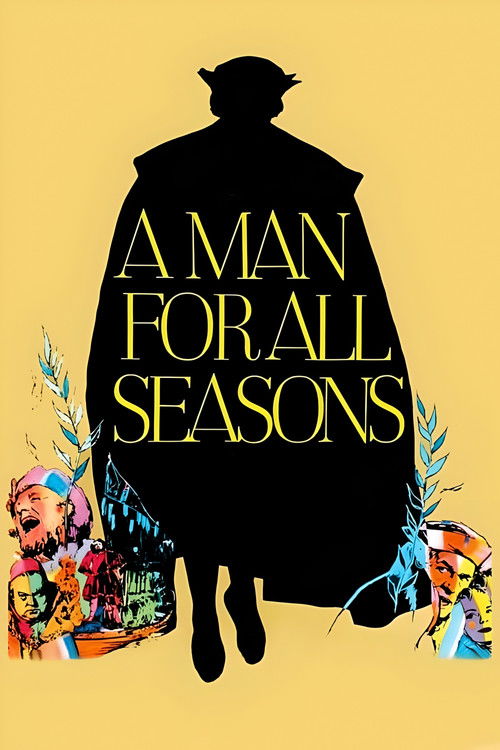
A Man for All Seasons1966
Thomas More stakes his life on conscience against a king who'll take everything to break him — a quieter, more historical wrestling match with faith, integrity, and mortality.
But It's talkier and more courtroom-drama than allegory; the stakes are political rather than cosmic.
The Name of the Rose1986no page yet
A plague-era monastery murder mystery starring Sean Connery, mixing medieval dread with real mystery-plot pleasures — a way into the period's atmosphere without Bergman's philosophical weight.
But It trades theology for plot; if you wanted existential dread, this is more pulpy detective story than meditation.
Meet Joe Black1998no page yet
Death, embodied by Brad Pitt, comes to collect a dying man and falls in love instead — glossy, sentimental, a strange soft-focus American answer to Bergman's chess match.
But Three hours of studio-era romance where Bergman gave you ninety-six minutes of dread; the tone is pure Hollywood sincerity.
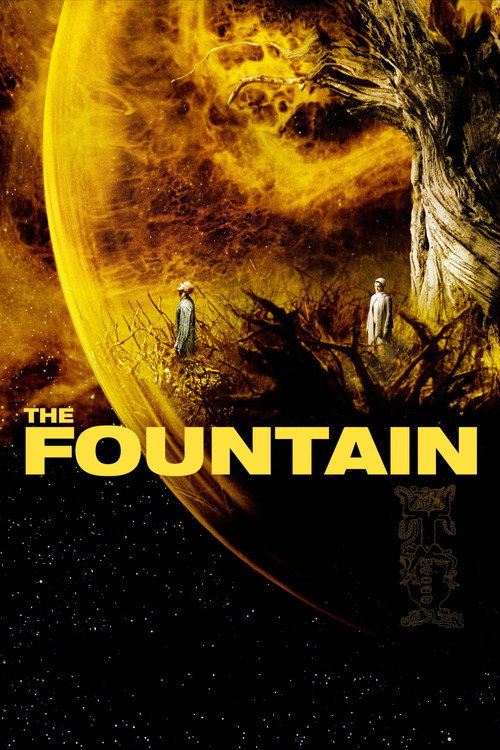
The Fountain2006
Aronofsky's fractured, visually strange meditation on love and mortality across three timelines — a modern, mystical echo of Bergman's refusal to accept death quietly.
But Its structure is deliberately confusing and its mysticism sincere to the point of alienating; not everyone's patience survives it.
Bill & Ted's Bogus Journey1991no page yet
It literally restages the chess-with-Death scene as slapstick, using the same core idea — you can stall mortality if you're clever enough at games — but means it as a joke, not a prayer.
Death himself, cloak and all, loses at Battleship, Clue, and Twister to two idiot rock musicians in a scene that directly, lovingly parodies Seventh Seal's chess match — proof the image is durable enough to survive total silliness.
But It is, deliberately, a dumb teen comedy; if you want reverence for the source material, this offers none whatsoever.
The Sandman2022no page yet
Both give Death a face and a personality you can bargain, joke, and sit with — Bergman's grim opponent and Gaiman's kind sister are the same idea in wildly different registers.
Neil Gaiman's Death is a gentle, wise, black-clad young woman who sits with the dying and talks them through it kindly — a fantasy series that treats mortality as intimate conversation rather than chess-match confrontation.
But It's serialized fantasy with dreams, monsters, and comic-book plotting; the tone is far cosier and less austere than Bergman's dread.
People
Cast
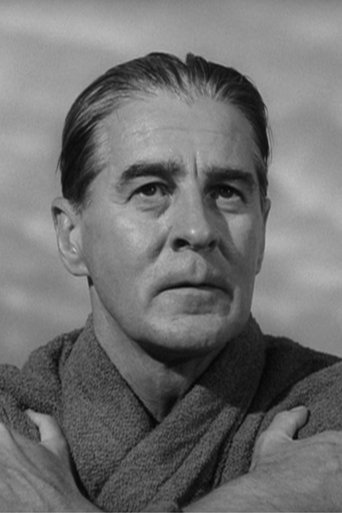
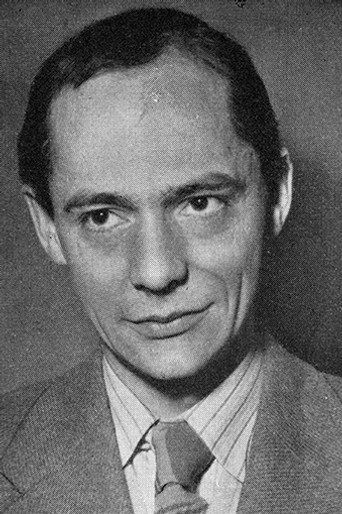 Bengt EkerotDeath
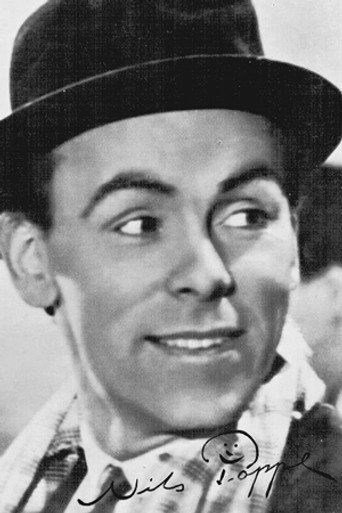 Nils PoppeJof
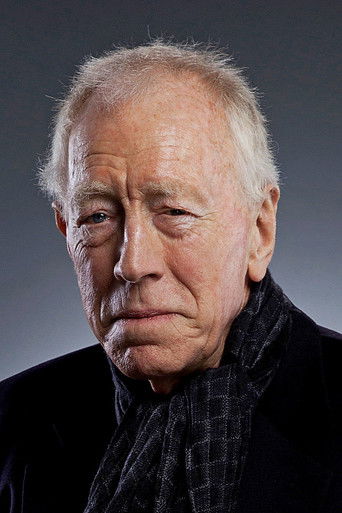 Max von SydowAntonius Block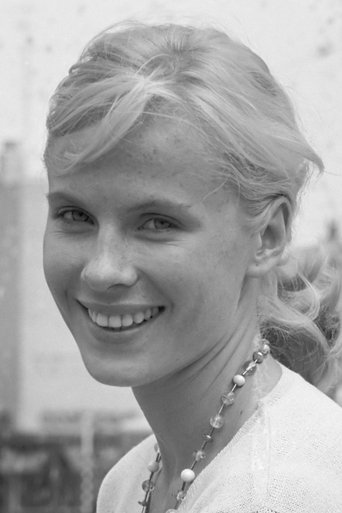
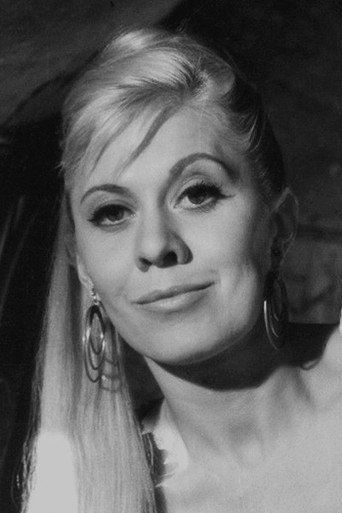 Inga GillLisa
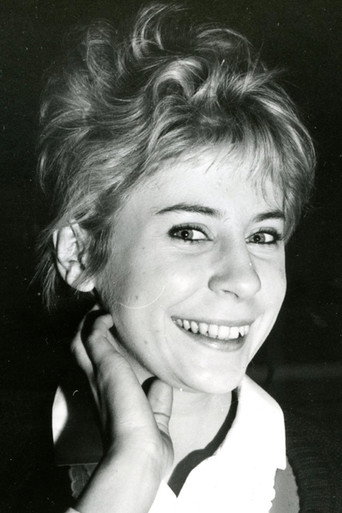 Maud HanssonWitch
 Inga LandgréKarin
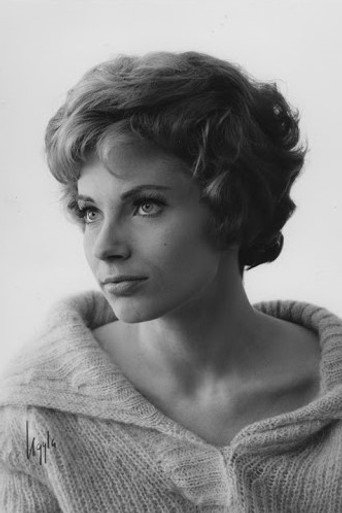 Gunnel LindblomMute Girl
- Bertil AnderbergRaval
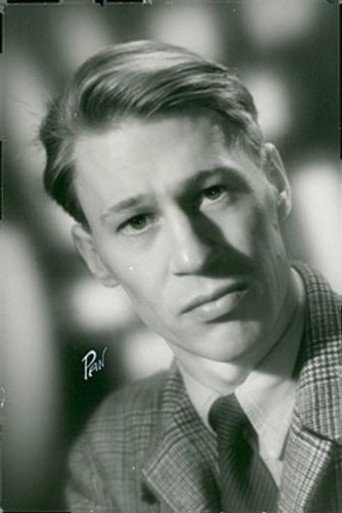 Anders EkMonk
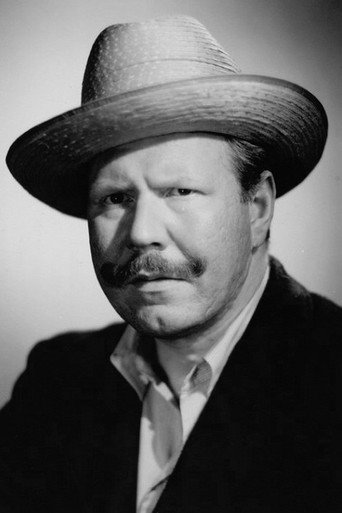 Åke FridellPlog
Directing
- Lennart OlssonAssistant Director
- Ingmar BergmanDirector
- Katinka FaragóScript Supervisor
Writing
- Ingmar BergmanAuthor
- Ingmar BergmanScreenplay
Production
- Allan EkelundProducer
- Carl-Henry CagarpUnit Manager
Recommended by
A Knight's Tale, Midnight Mass, Station Eleven, Vikings, Ordet, Monty Python and the Holy Grail, A Matter of Life and Death, The Last Unicorn, Puss in Boots: The Last Wish, Contagion, Longtime Companion, The Green Knight, The Ninth Gate, Bleach, Nosferatu, Andrei Rublev, Final Destination, The Virgin Spring, Nosferatu the Vampyre