
Film
Sitcom
- Dark comedy
- Strange
François Ozon's debut feature is a blackly comic demolition of the bourgeois family unit. A rat arrives in a suburban home and everything—repression, desire, cruelty, longing—spills out in eighty minutes of escalating absurdism. It's wickedly funny and genuinely disturbing, for viewers ready to laugh at what polite society tries to hide.
Should you watch it?
Watch it if you enjoy provocation that stays playful, like a middle-class household sliding into absurdity with a grin, and you're happy with a film that treats taboo as a joke to poke at.
Skip it if you want a story with steady momentum or characters you can settle into, since this is a loose, episodic run of shocks where people can feel like mouthpieces for ideas.
What it asks of you: Roughly eighty minutes of brisk, sly escalation that keeps swerving abruptly from farce to unsettling stillness, without much time to get comfortable.
Not sure? Find tonight's pick in a minute.
If you liked this
The Seventh Seal1957
Bergman's masterpiece about mortality and meaning, where philosophical dread meets darkly comic scenarios. The chess match with Death is iconic, but the whole film thrums with existential unease wrapped in gallows humour.
But Its pace is glacial by modern standards, and the bleakness can feel relentless. You need patience and a tolerance for 1950s Swedish cinema's deliberate rhythms.

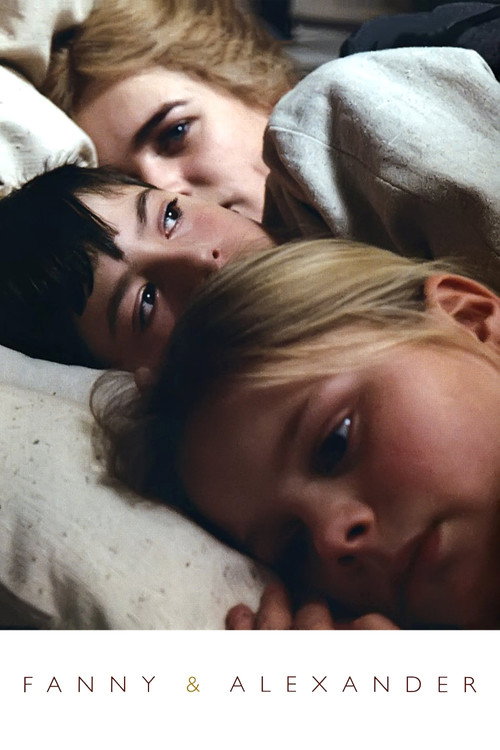
Fanny and Alexander1982
Bergman's final film is a sprawling family saga where childhood wonder, adult cruelty, and theatrical magic collide. It's intimate and operatic, tender and vicious—a perfect summation of how families wound and sustain us.
But It's nearly three and a half hours long, and some stretches feel indulgent. The tonal shifts between whimsy and abuse can feel jarring if you're not in the right headspace.
Come and See1985
Elem Klimov's Soviet war film is a harrowing descent into horror. It doesn't depict violence as spectacle—it shows the soul-death of witnessing it. A masterwork of accumulated trauma and human fragility.
But This is genuinely difficult to watch. It's not entertainment; it's confrontation. The last ten minutes may stay with you in ways you don't want.

Not sure tonight? Get a pick in a minute, starting from Sitcom
The wildcard
Something you would not have found on your own.
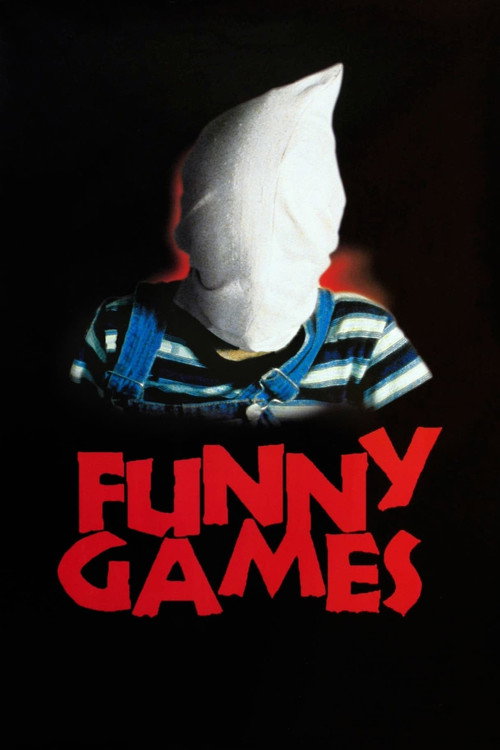
Funny Games1997
Both films use transgression and the violation of bourgeois normalcy to expose what's hidden beneath decorum. They're comedies of horror disguised as something else.
Michael Haneke's Austrian home-invasion film uses genre conventions to interrogate audience complicity. Two young men terrorize a family, and the film becomes a meta-commentary on why we watch violence for entertainment. Brilliant and morally rigorous.
But It's deliberately antagonistic toward the viewer. The violence is casual and prolonged, and Haneke refuses catharsis or conventional justice. Some will find it exploitative despite its intentions.
More like this (8)
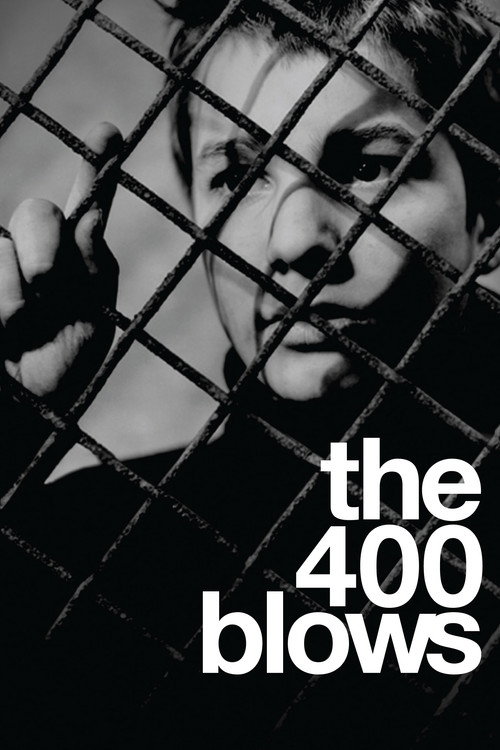
The 400 Blows1959
Truffaut's debut captures the specific cruelty of childhood and the adult indifference that permits it. Tender, observant, and mordant about how families and institutions fail the young.
But It's measured and quiet—there's no plot in the Hollywood sense. If you need propulsive narrative, this will feel slight.
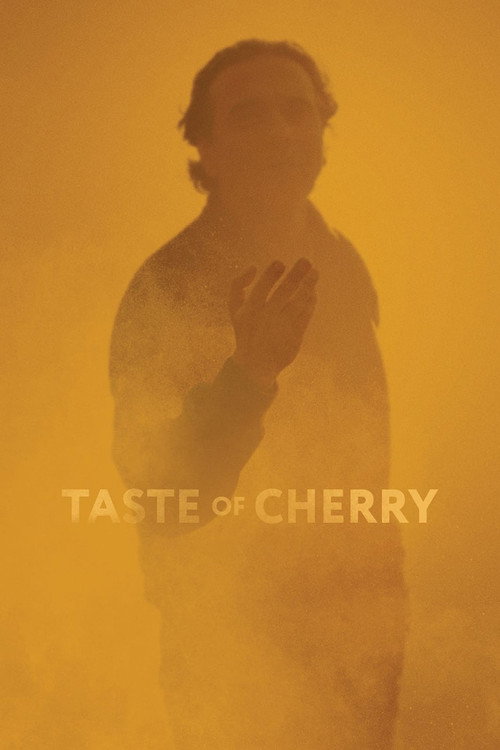
Taste of Cherry1997
Kiarostami's film about a man seeking someone to bury him is meditative and strange. Shot almost entirely in a car, it's a conversation about meaning, duty, and the small gestures that keep us human.
But Nothing happens. There's no conventional drama, just philosophical rambling with a stranger. The ending is deliberately ambiguous in a way some find pretentious.
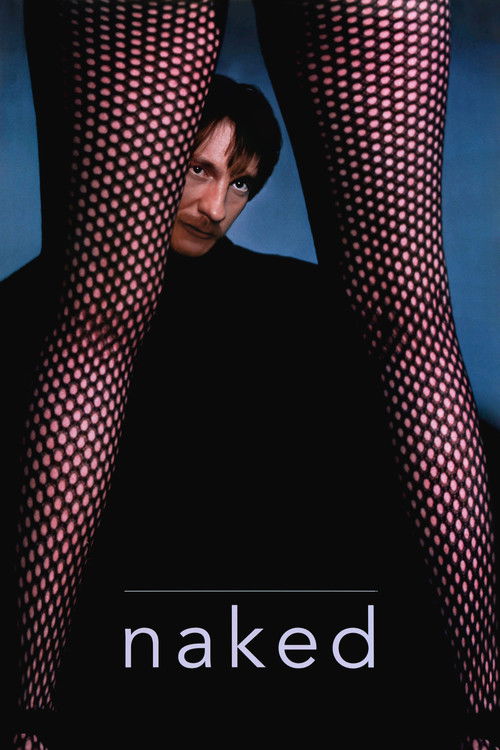
Naked1993
Mike Leigh's bleakest film follows a brilliant, furious misanthrope through London's underbelly. It's savage and funny, grotesque and weirdly profound—a portrait of pain expressed as cruelty.
But The protagonist is nearly impossible to like, and the sexual violence is brutal and unflinching. It's not cathartic; it's punishing to watch.
Mulholland Drive2001
Lynch's hallucinogenic Los Angeles nightmare refuses coherence. It's beautiful, sexy, and utterly disorienting—a film that rewrites itself halfway through and trusts you to find meaning in the wreckage.
But The narrative is deliberately fractured and doesn't resolve. If you need a film to make sense, this will infuriate you.

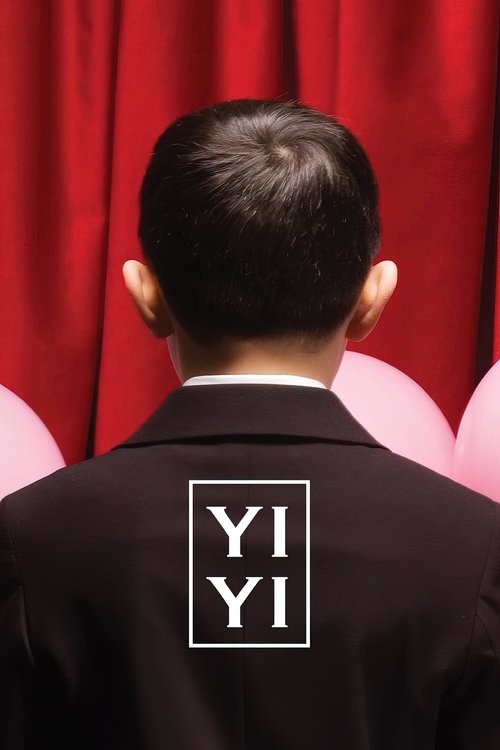
Yi Yi2000
Edward Yang's three-hour family chronicle moves gently through lives, capturing the small moments where connection fails and tenderness emerges. It's patient, wise, and quietly devastating.
But Three hours of suburban Taipei life. There's no crisis, no climax—just time passing. It demands your full attention and never rewards you with catharsis.
In the Mood for Love2000
Wong Kar-wai's film about two neighbours discovering their spouses are having an affair is achingly beautiful. Longing without consummation, filmed like a dream in jewel tones and mirrors.
But Plot is secondary to mood and cinematography. If you watch for story momentum, you'll be frustrated by its deliberate, mournful pacing.

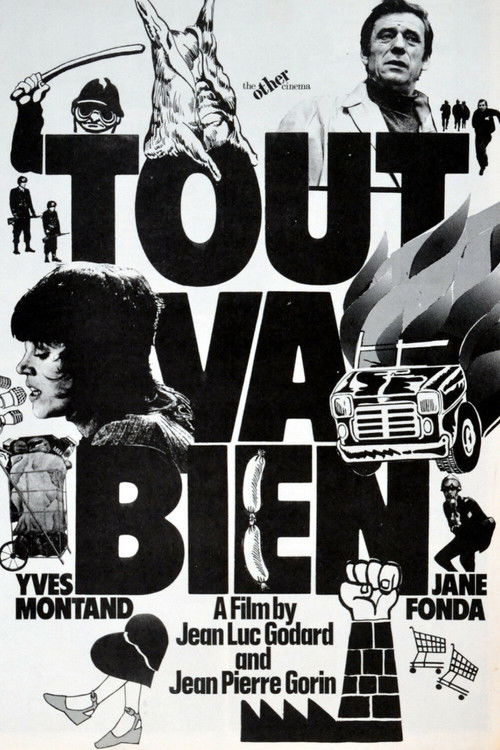
Tout Va Bien1972
Both attack the family and the home as sites of hidden violence and repression. Both mix comedy with ideology, refusing easy sentiment.
Godard and Gorin's barely-fictionalized account of a factory strike and a marriage crumbling is a Brechtian demolition of the couple form and capitalist domesticity. It's disorienting, funny, and formally radical—a film that argues with you.
But Godard's late-period work is fractured and didactic. There's no plot, no catharsis, just dialectical provocation. Many find it cold and inaccessible, even alienating.
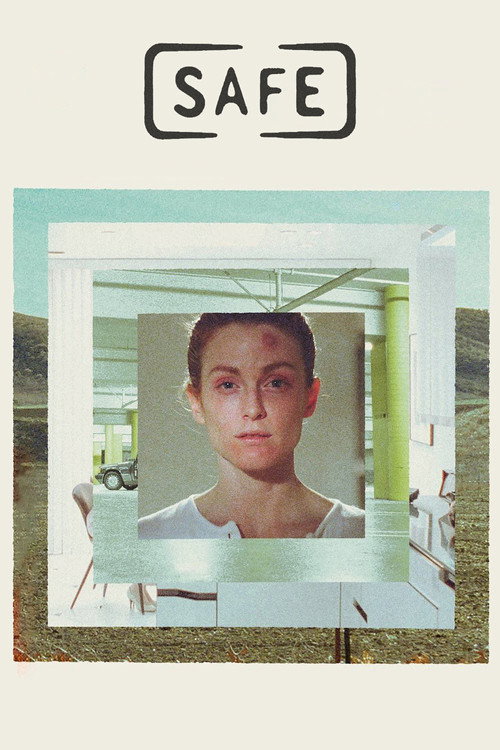
Safe1995
Like Sitcom, it treats suburban complacency as a kind of contamination. Both films suggest that respectability itself is the disease, and that attempting to restore order only deepens the horror.
Todd Haynes's terrifying portrait of a woman developing mysterious environmental illnesses in suburban California. It's a horror film masquerading as a medical drama—a critique of wellness culture, gender, and the body as battleground.
But Julianne Moore's character is passive and sometimes insufferable. The film offers no medical explanation and ends in a deeply unsettling place. It's claustrophobic and offers no resolution or relief.
People
Cast
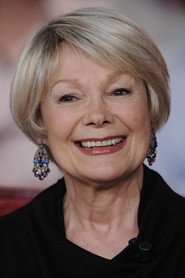 Évelyne DandryThe Mother
 François MarthouretThe Father
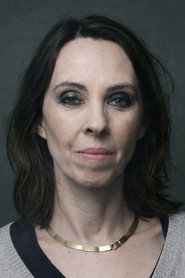 Marina de VanSophie
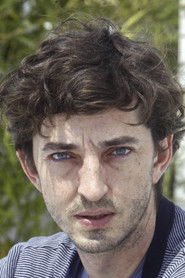 Adrien de VanNicolas
 Stéphane RideauDavid
 Lucía SánchezMaria
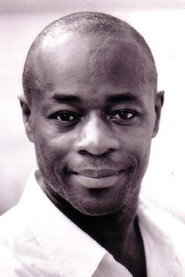
 Jean DouchetPsychotherapist
 Sébastien CharlesZucchini Boy
- Vincent ViziozRed-haired Boy
- Kiwani CojoPiercing Boy
- Gilles FrilayMustache Man
Directing
- François OzonDirector
Writing
- François OzonScreenplay
Production
- Marc MissonnierProducer
- Olivier DelboscProducer