
Film
Tout Va Bien
Godard's 1972 essay-film follows a filmmaker and journalist couple whose marriage fractures during a factory strike in Paris. Shot in bright, flattening colour, it treats the personal and political as inseparable: their arguments happen alongside union negotiations, picket lines, and the machinery of capitalism. It's a work of radical cinema that feels like overhearing a debate, not watching a story. For people hungry for ideas and unafraid of surfaces.
Should you watch it?
Watch it if you love films where political argument and long, deliberate tracking shots carry as much weight as the plot, and you like ideas being argued out loud rather than explained.
Skip it if it leans on long stretches of talky, self-consciously didactic material, so if you want a story that builds momentum you will likely feel it drag.
What it asks of you: Ninety-five minutes of long unbroken takes and heavy talk; it moves at a factory's pace and asks you to sit with a situation instead of chasing plot.
Not sure? Find tonight's pick in a minute.
If you liked this
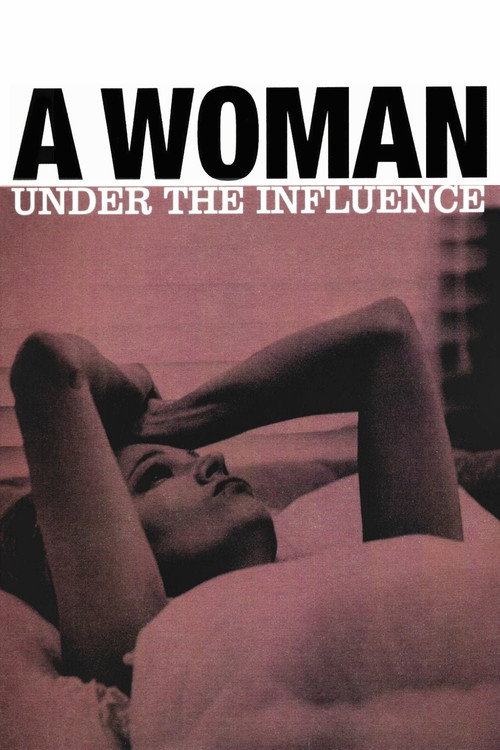
A Woman Under the Influence1974
Cassavetes captures marital breakdown with unbearable intimacy—the way small moments of disconnection compound into crisis. Like Godard, he's interested in how private pain speaks to larger social questions about gender and labour.
But It's exhausting and claustrophobic by design. Long scenes of awkward family dinner feel less like cinema and more like being trapped in someone's living room.
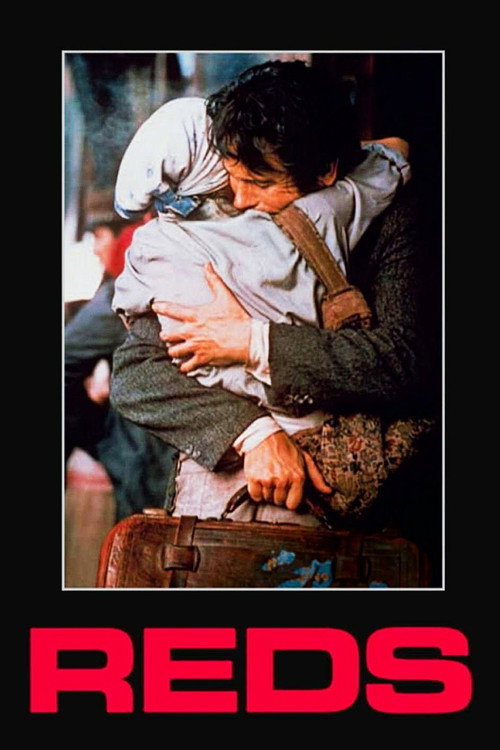
Reds1981
Warren Beatty's ambitious epic about American communist journalists in Russia mirrors Godard's fascination with how personal lives intersect with political conviction. Beautifully composed and genuinely moving.
But Three and a half hours, and the second half gets caught between romance and manifesto in ways that can feel unfocused.
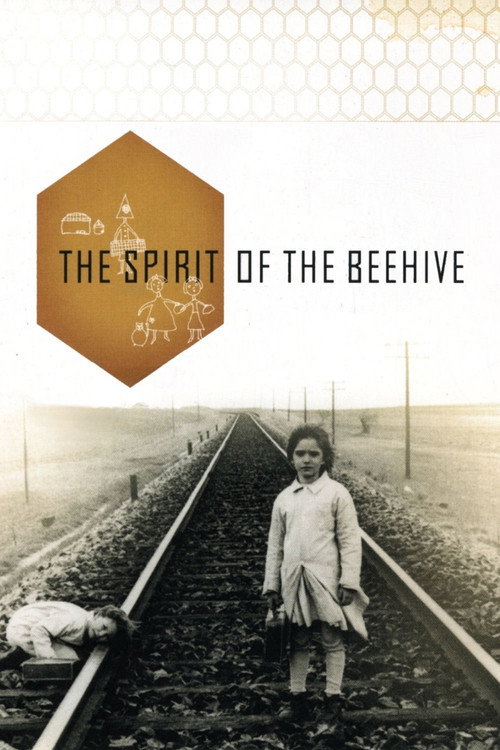
The Spirit of the Beehive1973
Víctor Erice's Spanish masterpiece is quiet where Godard is confrontational, but both films use landscape and domestic space to explore how ideology shapes childhood and family. Hypnotic cinematography and a mysterious, lingering mood.
But Plot barely exists. It's a meditation, not a narrative. Patience required; impatience will be punished.
Not sure tonight? Get a pick in a minute, starting from Tout Va Bien
The wildcard
Something you would not have found on your own.
Contempt1963
Same director, same marriage crisis, but Contempt uses narrative and beauty where Tout Va Bien uses argument and flattening. They're the two sides of Godard's method.
Godard's earlier, more accessible film about a marriage dissolving on a film set uses colour and architecture in similarly bold ways. If Tout Va Bien feels too militant, Contempt is the door to understanding why he made it.
But It's a film about cinema for people interested in cinema. If you don't care about Homeric references or the death of classical Hollywood, you'll find it abstract and self-indulgent.

More like this (6)
Jeanne Dielman, 23, quai du Commerce, 1080 Bruxelles1976
Chantal Akerman's three-hour film about a woman's daily routine (cooking, cleaning, sex work) uses deadpan formalism to make the invisible labour of existence visible. Political in exactly Godard's way: the personal *is* the political.
But Almost nothing happens. You will watch someone peel potatoes for what feels like an eternity. It is not for everyone and it knows this.

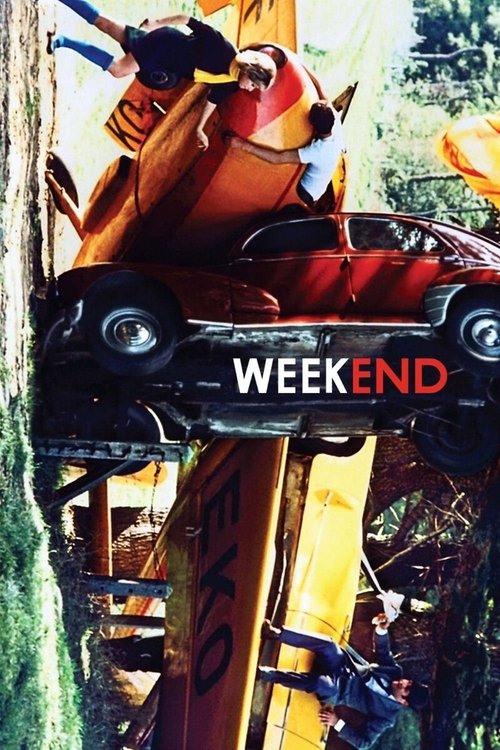
Weekend1967
Godard's own earlier masterpiece—a descent into chaos during a traffic jam that becomes a parable of capitalist society collapsing. More purely cinematic than Tout Va Bien; a fever dream instead of a lecture.
But It's deliberately hostile to viewers. Car crashes, graphic violence, and a tone that shifts from comedy to horror without warning will alienate many.
The Battle of Algiers1966
Pontecorvo's black-and-white documentary-style film about urban insurgency during colonialism shares Godard's conviction that cinema can be a weapon. Formally brilliant and politically urgent without ever feeling didactic.
But It's relentlessly grim. The violence, even when justified narratively, accumulates into something exhausting.

Stalker1979
Tarkovsky's meditative science-fiction film about desire and belief uses long takes and philosophical digression much as Godard uses disruption—both filmmakers distrust easy answers. A masterpiece of patient cinema.
But It moves at a glacial pace. Some viewers will experience this as profound; others as a test of endurance they didn't agree to take.

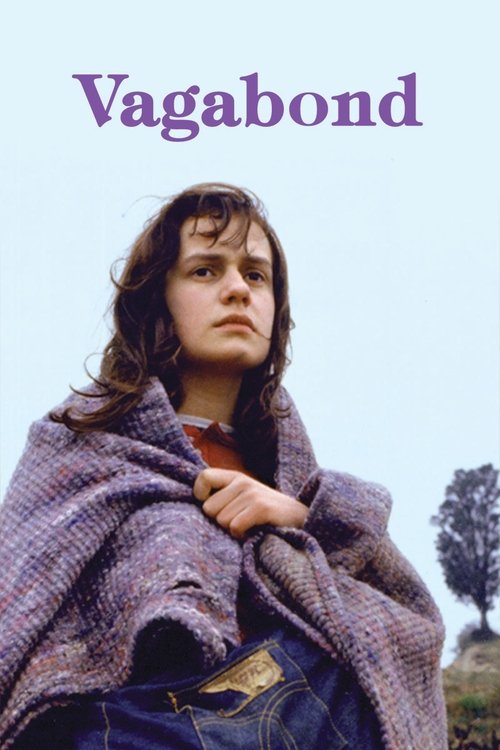
Vagabond1985
Agnès Varda's film about a young drifter uses fragmented narrative and interviews to explore how society fails its most vulnerable. Like Godard, she respects complexity and refuses to sentimentalise.
But The protagonist is deliberately unsympathetic. If you want to root for someone, look elsewhere.
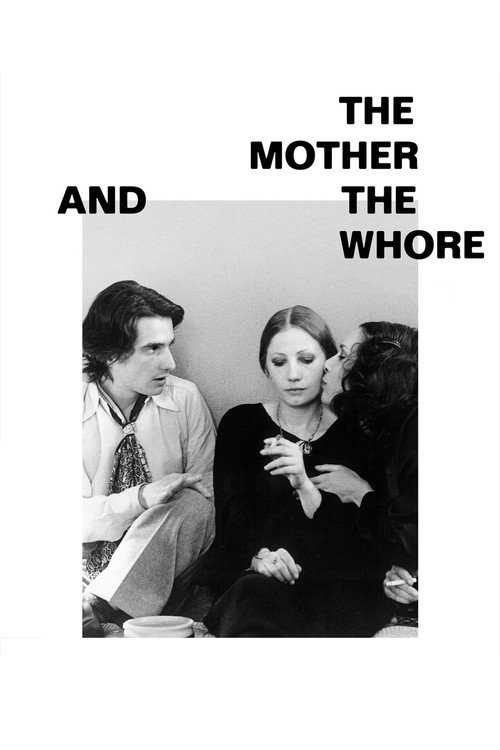
The Mother and the Whore1973
Eustache's three-hour character study of two men and a woman navigating desire and commitment in Paris is novelistic and exhausting—a conversation film that trusts actors and ideas over plot.
But Nearly dialogue-only, set in a few rooms, with a protagonist so self-absorbed he becomes difficult to tolerate. Patience and interest in psychology are prerequisites.
People
Cast
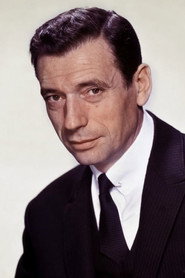 Yves MontandHim, Jacques
 Jane FondaHer, Suzanne
 Vittorio CaprioliFactory Manager
- Elizabeth ChauvinGenevieve
- Castel CastiJacques
- Éric ChartierLucien
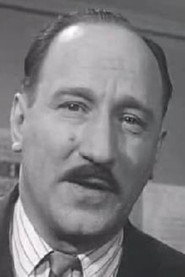 Louis BugetteGeorges
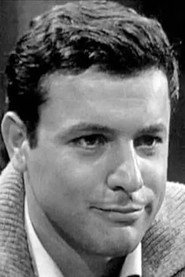 Yves GabrielliLéon
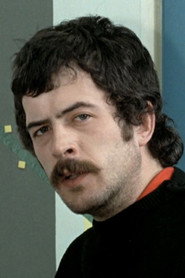 Pierre OudreyFrederic
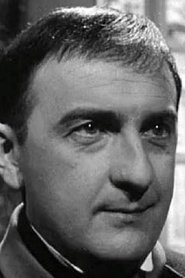 Jean PignolDelegate
 Anne WiazemskyLeftist Woman
Directing
- Isabelle PonsAssistant Director
- Jean-Hugues NelkeneAssistant Director
- Jean-Luc GodardDirector
- Jean-Pierre GorinDirector
- Marie-Noëlle BonScript Supervisor
Writing
- Jean-Luc GodardWriter
- Jean-Pierre GorinWriter
Production
- Alain CoiffierAdministration
- Annette CarducciAdministration
- Pierre MilouxAdministration
- Jean-Pierre RassamExecutive Producer
- Armand BarbaultProduction Manager
- Jacques PerrierProduction Manager
- Philippe VenaultProduction Manager
- Volker LemkeProduction Manager
Recommended by
Mona Lisa Smile, Native Land, Bill Cunningham New York, La Chinoise, Sitcom, The Nightcleaners