
Film
La Chinoise
Godard's 1967 film follows radical French students cramped in a Paris apartment, arguing ideology while debating whether violent action matches their communist principles. It's a formally playful, oddly funny essay on revolutionary conviction and youthful certainty—less plot than a series of debates, provocations and tableaux. For viewers who prize style and ideas over narrative comfort.
If you liked this
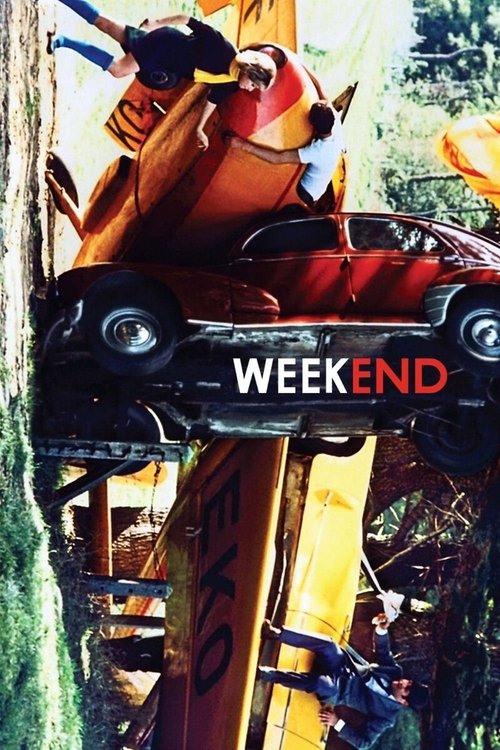
Weekend1967
Godard's other 1967 masterpiece: a middle-class couple's car journey becomes a descent into civilisational collapse and Marxist chaos. Formally radical, anarchically funny, and genuinely disturbing about what revolution costs.
But Deliberately ugly to watch, deliberately alienating, with a traffic-jam sequence that tests your patience as a deliberate artistic choice.
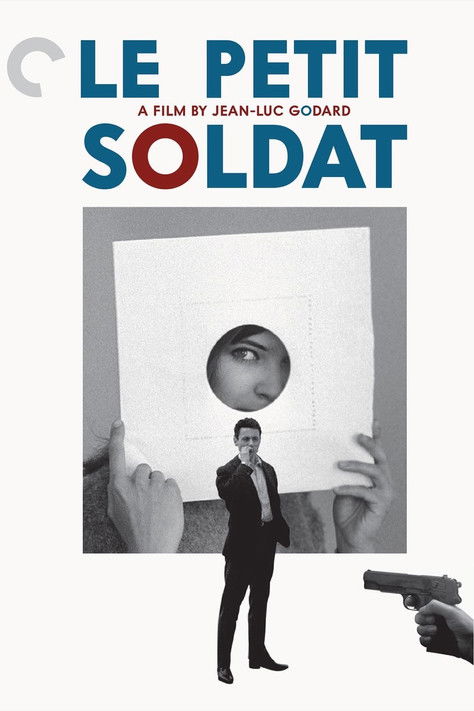
Le Petit Soldat1963
Godard's earlier film about a young man caught between Algerian revolutionaries and French intelligence. It shares La Chinoise's obsession with political commitment as performance, doubt disguised as conviction.
But The romance subplot moves glacially, and Godard's interest in the lover is thinner than his interest in ideology. It can feel abstract where you want emotional stakes.
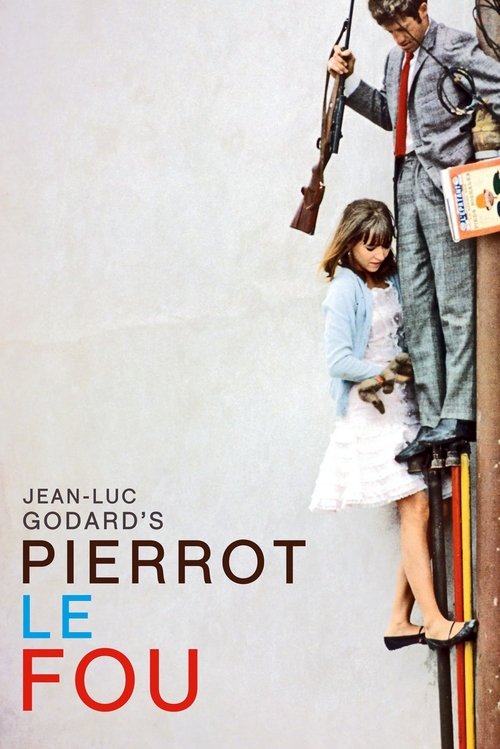
Pierrot le Fou1965
Belmondo and Karina flee bourgeois life into a violent, colourful romance that becomes increasingly abstract and political. A predecessor to La Chinoise's blend of playfulness and radicalism, with better chemistry between the leads.
But The tone whips between comedy, melodrama and abstraction so rapidly some find it exhausting rather than exhilarating.
Not sure tonight? Get a pick in a minute, starting from La Chinoise
The wildcard
Something you would not have found on your own.
Lara Croft: Tomb Raider - The Cradle of Life2003
Both watch young radicals from anthropological distance, finding the contradiction between revolutionary conviction and the seduction of being watched performing that conviction. Neither judges them harshly; both find them faintly ridiculous and somehow touching.
Assayas' film of a radical cell planning action they don't fully believe in, shot with detachment and surprising humour. It's La Chinoise 36 years later: the same fascination with how ideology becomes beautiful performance.
But Made for French TV and rarely shown; it prioritises cold observation over either Godardian playfulness or thriller momentum. Very few people have seen it, and the pacing won't convince you to fight for it.
More like this (7)
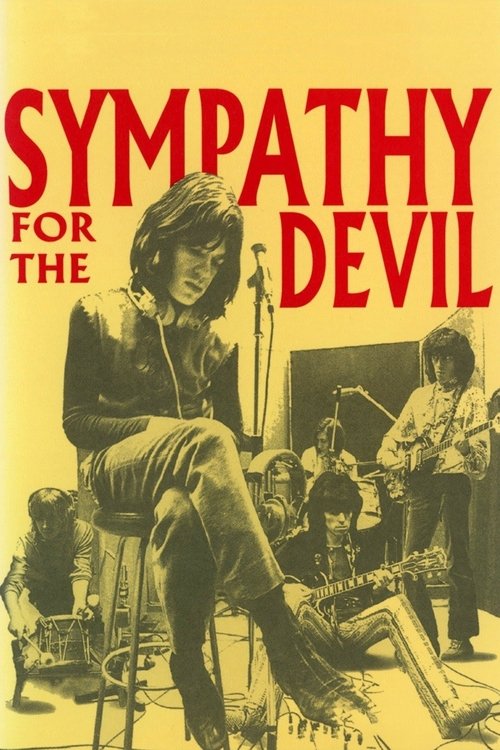
Sympathy for the Devil1968
Godard's documentary-essay tracking the Rolling Stones recording while revolutionary rhetoric collides with capitalism. As politically furious and formally experimental as La Chinoise, more visually daring.
But Structurally it's a mess—some see that as the point, others as pretension masquerading as substance.
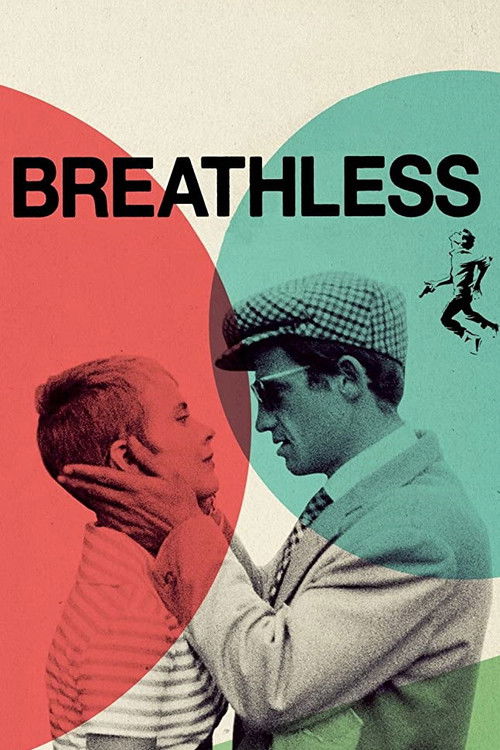
Breathless1960
The Godard that made him famous: a young criminal and an American girl in Paris, shot with radical energy and jump cuts that rewrote cinema grammar. It shows where his restlessness began.
But Once you know what the jump cuts were inventing, it plays safer than La Chinoise. Some find it the more watchable Godard, others a starting point you outgrow.
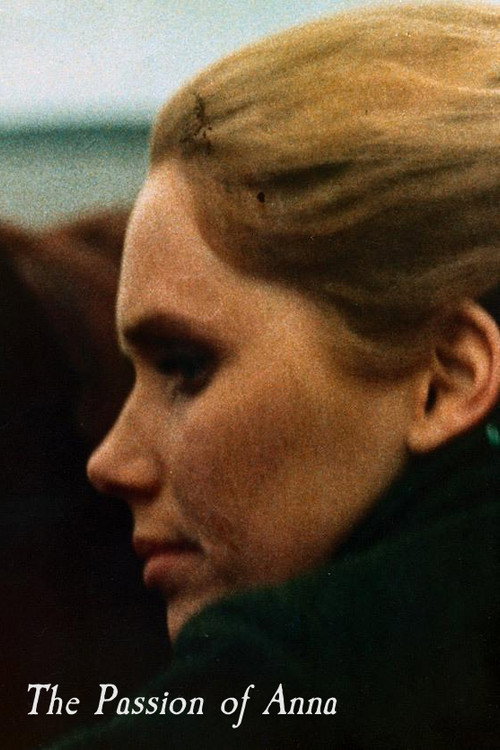
The Passion of Anna1969
Bergman's response to late-60s political turbulence: a group isolated on an island, ideology colliding with desire and fragile sanity. Shares La Chinoise's focus on conviction as seduction and performance.
But Bergman's register is austere where Godard is playful. The mood is grey and claustrophobic—emotionally demanding rather than intellectually bracing.
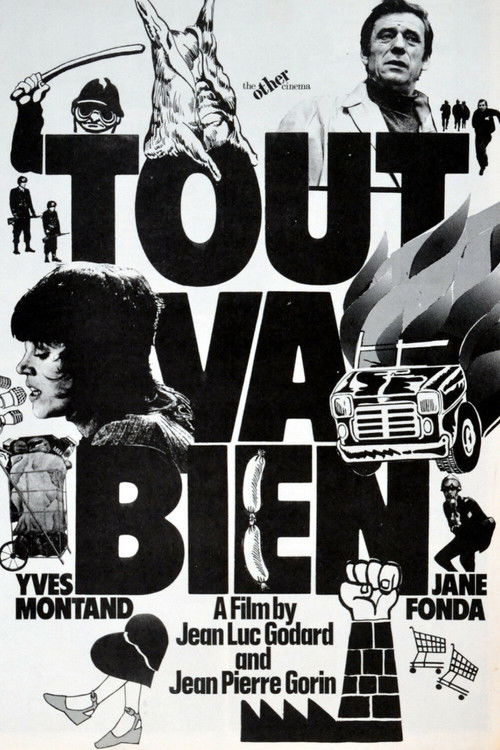
Tout Va Bien1972
Godard and Gorin's post-May 1968 film about a strike at a sausage factory, with Yves Montand. La Chinoise's ideas matured: it asks whether revolutionary rhetoric translates to actual change, with less purity and more sadness.
But It's fragmented and often didactic. The formalist beauty of La Chinoise is replaced by deliberate awkwardness that not all audiences want to work through.
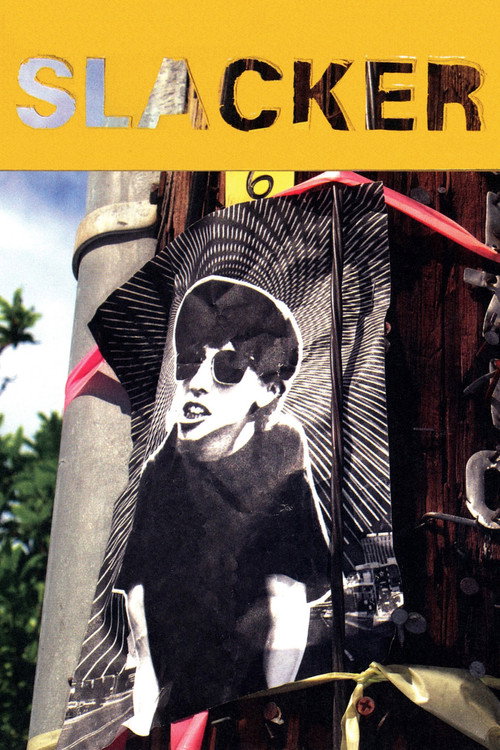
Slacker1990
Linklater's Austin odyssey of idle intellectuals debating theory, desire and the shape of the world. Not politically radical like La Chinoise, but structured as a series of ideological conversations among the uncommitted.
But The lack of narrative spine is deliberate, but for viewers who want dramatic momentum, it's infuriating rather than liberating.
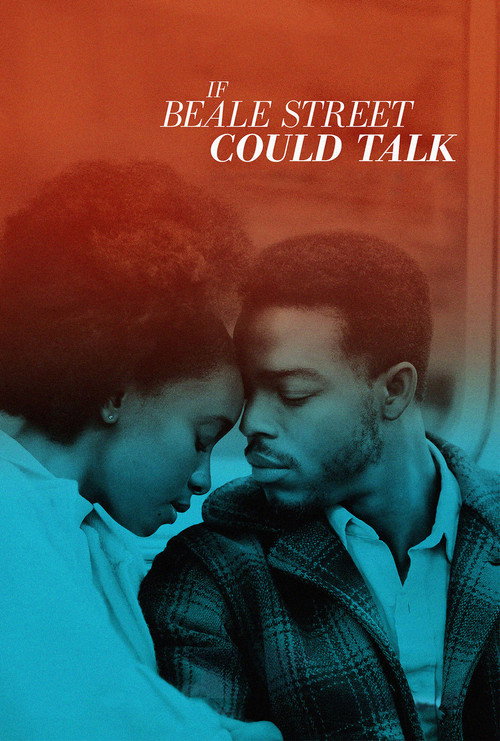
If Beale Street Could Talk2018
Both films argue that revolution lives in daily life and intimate choice, not speeches. Both use color and composition to make ideology visible, felt rather than argued.
Barry Jenkins' adaptation moves through protest and injustice as lived experience rather than idea. It's formal and lyrical like La Chinoise, but about collective grief and solidarity rather than abstract theory. Equally structured around what bodies believe.
But It's a love story foremost, and if you came for revolutionary politics, the film's commitment is to intimate emotion. Some find the beauty overrides the outrage.
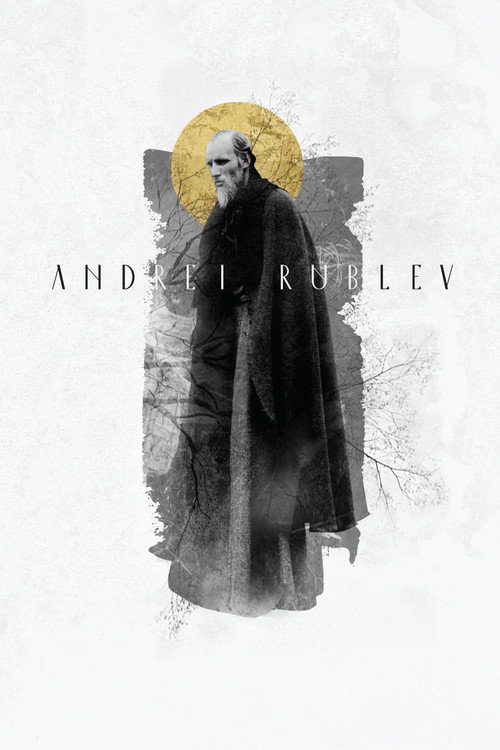
Andrei Rublev1966
Both films ask what commitment costs, and whether action or silence is the morally serious choice. Both distrust rhetoric and watch closely how conviction lives in the body—how it looks, how it moves, what price it extracts.
Tarkovsky's three-hour meditation on an icon painter in medieval Russia, weighing commitment, suffering, silence and artistic faith. It's formal like La Chinoise—long takes, composed images—but about conviction in a metaphysical key rather than political.
But It moves glacially and demands patience with abstraction and suffering. Three hours of Tarkovsky is not for viewers who want incident or entertainment.
People
Cast
 Anne WiazemskyVéronique
 Jean-Pierre LéaudGuillaume
 Juliet BertoYvonne
- Michel SemeniakoHenri
- Lex De BruijnKirilov
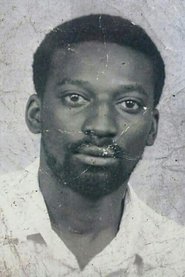 Omar DiopOmar
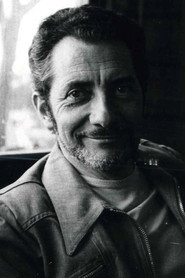 Francis JeansonFrancis
- Blandine JeansonBlandine
- Eliane GiovagnoliSon Ami
- Charles L. BitschSelf - Assistant Director (uncredited)
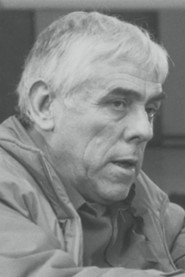 Raoul CoutardSelf - Cinematographer (uncredited)
- René LevertSelf - Sound Recordist (uncredited)
Directing
- Charles L. BitschAssistant Director
- Jean-Luc GodardDirector
- Suzanne SchiffmanScript Supervisor
Writing
- Jean-Luc GodardWriter
Production
- Philippe DussartProduction Manager
- Claude MillerUnit Manager
Recommended by
Staged, Claire's Knee, The Mother and the Whore, The Sand Pebbles, The Swinging Cheerleaders