
Film
The Sand Pebbles
A three-hour epic about American naval gunboat diplomacy in 1926 China, where idealistic engineer Jake Holman clashes with shipboard corruption and the moral quagmire of Western imperialism. Steve McQueen carries the weight of this sprawling, thoughtful war film that never quite resolves its hero into a tidy package. It's methodical, sometimes deliberately slow, but gripping for those willing to sink into its world.
Should you watch it?
Watch it if you like slow-burning, morally tangled period dramas where the politics sit in the background of small human friction, and a loner who resists every system around him.
Skip it if you want brisk pacing or a tidy story, since at over three hours this moves at the pace of the river and lingers over its routines.
What it asks of you: Settle in for a long, unhurried sit with a slow build, where the quiet stretches between tense moments carry as much weight as the action.
Not sure? Find tonight's pick in a minute.
If you liked this
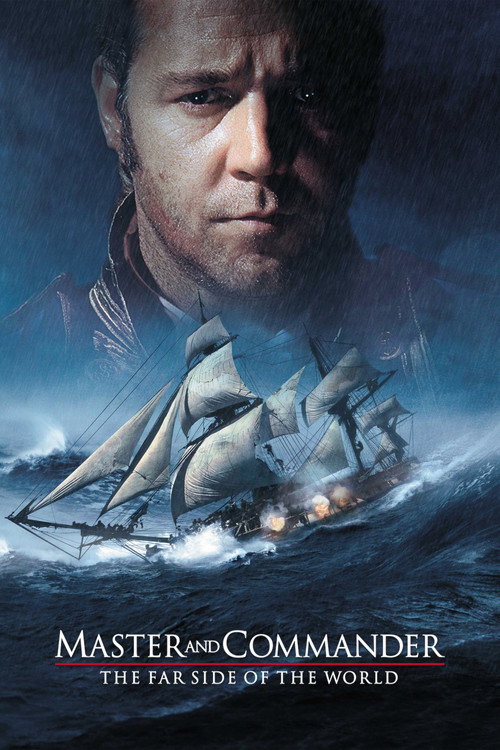
Master and Commander: The Far Side of the World2003
Russell Crowe commands a warship far from home with the same tension between duty, morality, and impossible orders. Beautiful naval sequences and a similar sense of men trapped by circumstance and empire.
But It's also long and can feel like a history lecture when it's not action. The politics matter more than the plot.
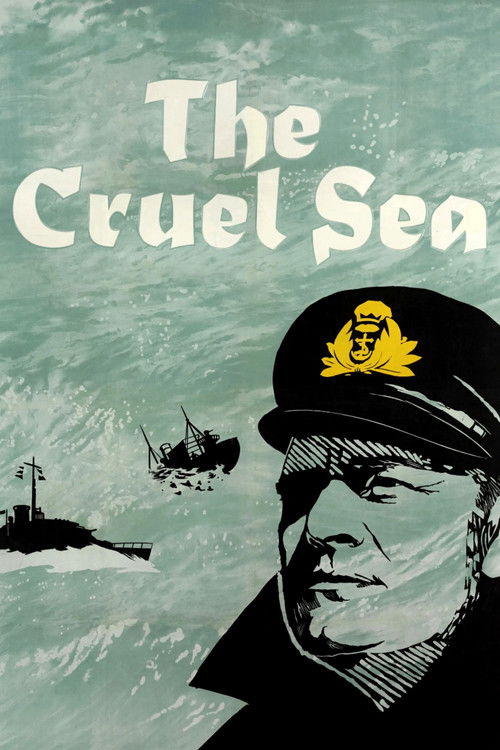
The Cruel Sea1953
A British naval drama with comparable depth about small-ship warfare and the moral cost of command. Jack Hawkins carries the weight of impossible decisions with quiet dignity, much like McQueen here.
But Black and white, even slower paced, and the scope is tighter. It demands patience and rewards it unevenly.
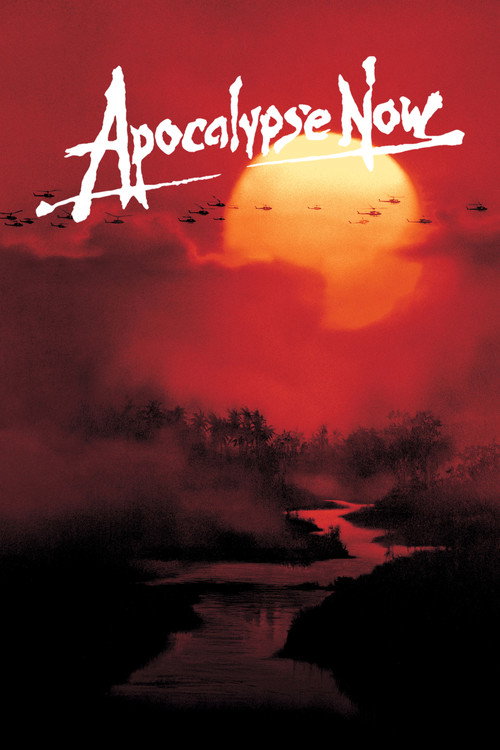
Apocalypse Now1979
Coppola's epic also uses a river journey through a war zone to interrogate American intervention, power, and the corruption of ideals. Visually and thematically it's the spiritual heir to *The Sand Pebbles*.
But It's deliberately chaotic and hallucinogenic where *The Sand Pebbles* is orderly. The pacing and tone shift wildly. It can feel self-indulgent.
Not sure tonight? Get a pick in a minute, starting from The Sand Pebbles
The wildcard
Something you would not have found on your own.
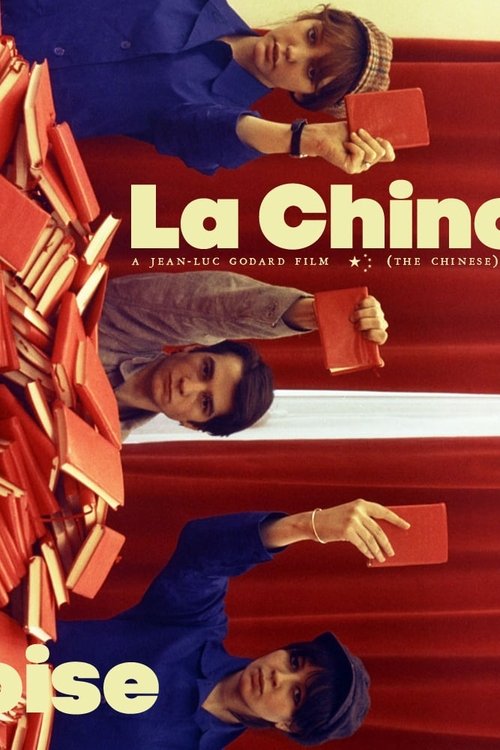
La Chinoise1967
Where *The Sand Pebbles* shows Americans on the Yangtze, Godard shows Parisians in a room dreaming about revolution. Same historical moment, opposite register—one visceral and traditional, one abstract and modernist.
Godard's essay-film about French revolutionaries obsessed with China, made the year after *The Sand Pebbles*. Instead of dramatizing Western presence in China, it dramatizes Western fantasies *about* China. A formal and thematic mirror.
But It's deliberately cold, fractured, and anti-narrative. You're reading ideology, not watching a story. Godard is an acquired taste and this tests the patience even of admirers.
More like this (7)
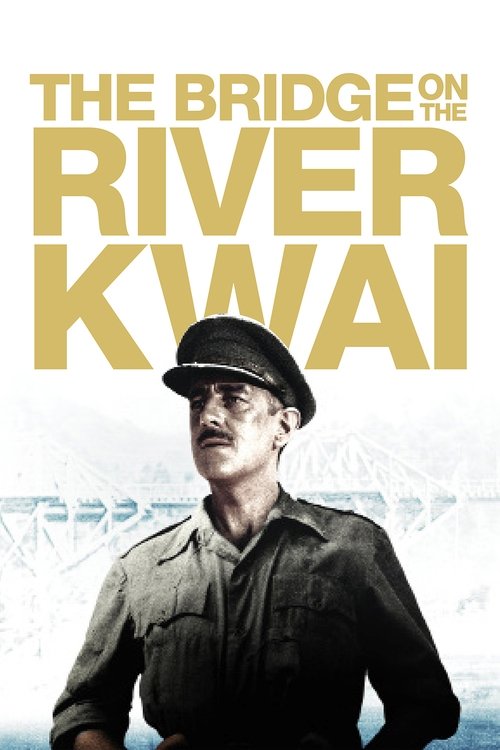
The Bridge on the River Kwai1957
Another colonial-era military drama about duty versus morality, with a similar moral ambiguity about which side the protagonist belongs on. Lean's direction is precise and the themes echo throughout.
But The ending feels neater than *The Sand Pebbles*' murkier conclusion. It's more cleanly a war film than a political one.
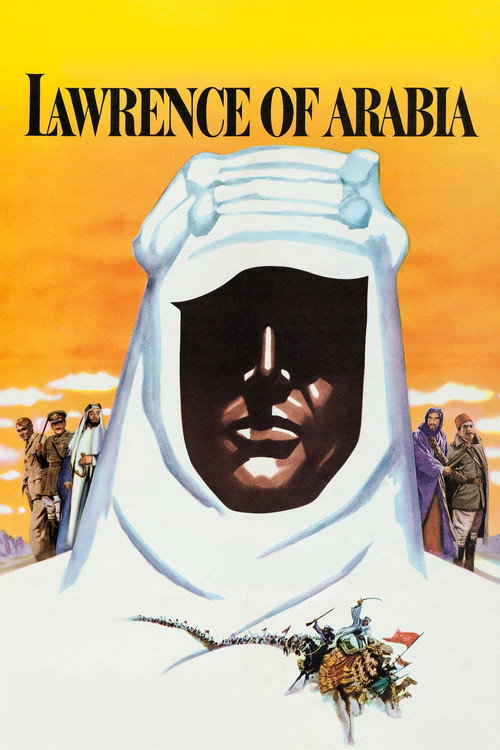
Lawrence of Arabia1962
Lean and McQueen's contemporary, examining another outsider trying to navigate between cultures during imperial decline. The scope and ambition match, and the question of personal integrity versus historical forces is identical.
But Nearly four hours and deliberately mythic in tone. If you want realism over legend, this isn't it. Some find Peter O'Toole's performance mannered.
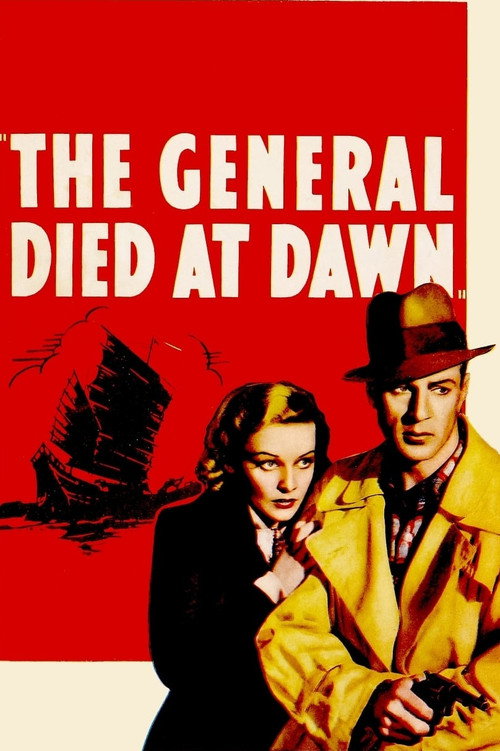
The General Died at Dawn1936
An earlier American adventure in China with similar themes of idealism meeting colonial reality. Gary Cooper brings similar moral weight. It's zippy where *The Sand Pebbles* is deliberate, but the DNA is there.
But It's pulpier and less serious. The politics are murkier because the film itself isn't as interested. Some sequences feel dated in a cheesy way.
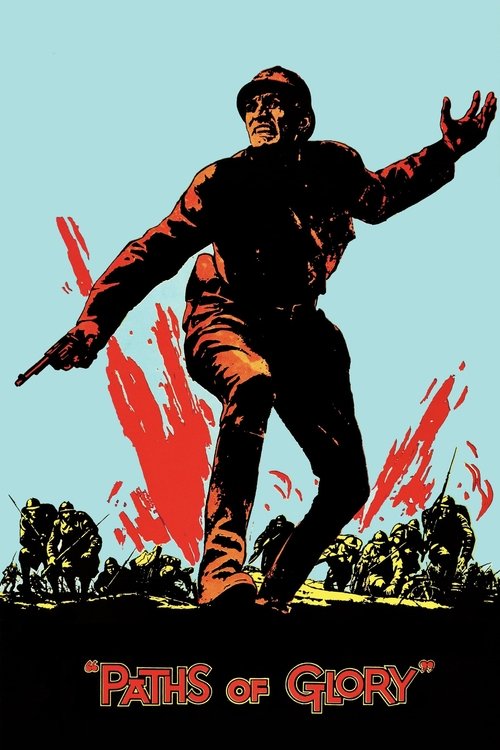
Paths of Glory1957
Kubrick's anti-war masterpiece with Kirk Douglas as an officer caught between orders and conscience. The same unflinching look at institutional brutality and the individual's powerlessness.
But It's bleaker and more obviously a polemic. If you want a film that lets you sit with ambiguity, this one judges you. Also shot in black and white.
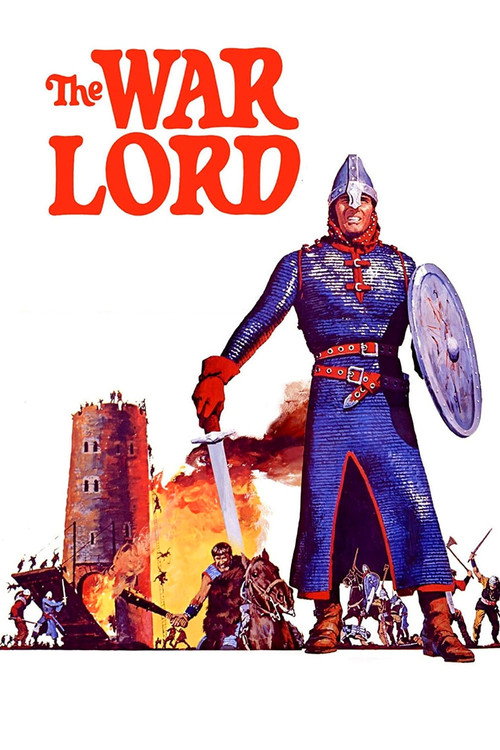
The War Lord1965
Charlton Heston in a medieval colonial drama—a Norman lord navigating power, desire, and the impossibility of ruling justly. It's a parallel structure to *The Sand Pebbles* with different costumes.
But Lesser known and less confidently made. The tone wavers between epic and B-movie. Heston can be theatrical in a way McQueen never is.
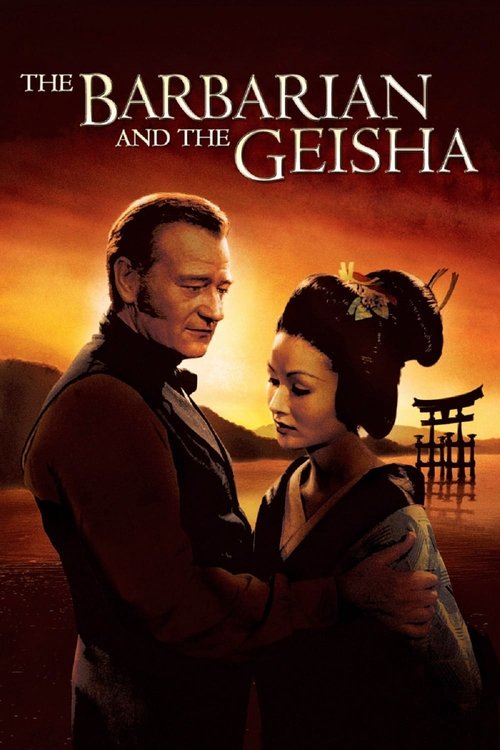
The Barbarian and the Geisha1958
John Wayne as a diplomat in 1850s Japan negotiating between cultures. It's about the same impossible position—representing an empire while questioning its rightness.
But It's more of a romance than a war film, and less intellectually rigorous. The cultural politics are simpler. Wayne's persona can overwhelm the nuance.
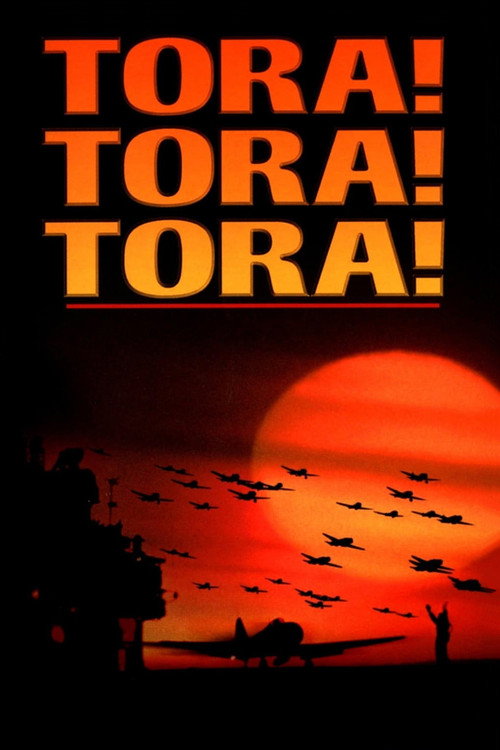
Tora! Tora! Tora!1970
Both are slow, methodical films about imperial systems colliding and ordinary men caught in the gears. Neither is about heroes; both are about how institutions fail and what that costs the person inside them.
Not a war film but a reconstruction of a war *moment*—Pearl Harbor from both American and Japanese perspectives. Like *The Sand Pebbles*, it's interested in institutional systems, miscommunication, and how empires stumble into catastrophe through bureaucracy and pride rather than malice.
But It's a procedural about military miscalculation, not about human stakes. The emotional core is diffuse. Some find it pedantic. It lacks the moral weight that pulls *The Sand Pebbles* forward.
People
Cast
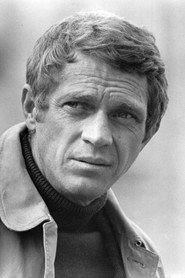 Steve McQueenJake Holman
 Richard AttenboroughFrenchy Burgoyne
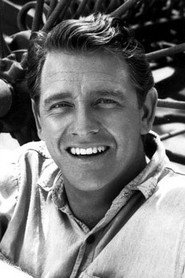 Richard CrennaCaptain Collins
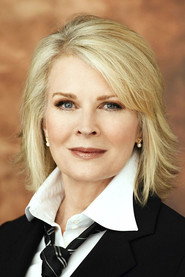 Candice BergenShirley Eckert
 MakoPo-han
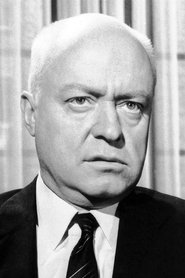 Larry GatesJameson
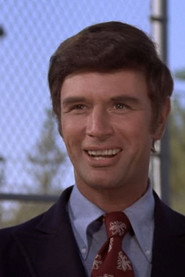 Charles RobinsonEnsign Bordelles
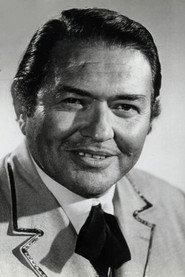 Simon OaklandStawski
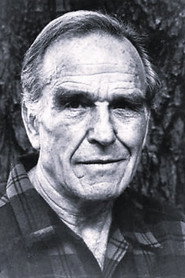 Ford RaineyHarris
 Joe TurkelBronson
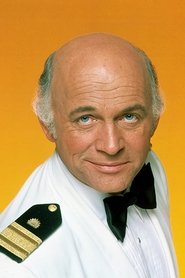 Gavin MacLeodCrosley
- Joe Di RedaShanahan
Directing
- Ridgeway CallowAssistant Director
- Robert WiseDirector
- Charles H. MaguireSecond Unit Director
Writing
- Richard McKennaNovel
- Robert AndersonScreenplay
Production
- Charles H. MaguireAssociate Producer
- Steve McQueenExecutive Producer
- Robert WiseProducer
- Saul WurtzelUnit Production Manager