
Film
Tora! Tora! Tora!
A 1970 epic reconstructing the lead-up to Pearl Harbor from both American and Japanese perspectives. Directed by two teams on opposite sides, it's a meticulously crafted historical drama that treats admirals and commanders as thinking people caught in diplomatic collapse. Intelligent, absorbing, and genuinely moving—a war film that trusts you to care about the human cost of decisions.
Should you watch it?
Watch it if you love meticulous period recreations where the pleasure is watching two bureaucracies and two militaries misread each other, piece by piece, until the machinery clicks into place.
Skip it if you want a single hero, a steady stream of action, or a film that lets you settle in; its long stretches of briefings, cables and ministry rooms can feel like homework.
What it asks of you: It asks for patience and a tolerance for dense, overlapping dialogue across roughly two and a half hours, with the big set pieces arriving late and the tension built in quiet rooms.
Not sure? Find tonight's pick in a minute.
If you liked this
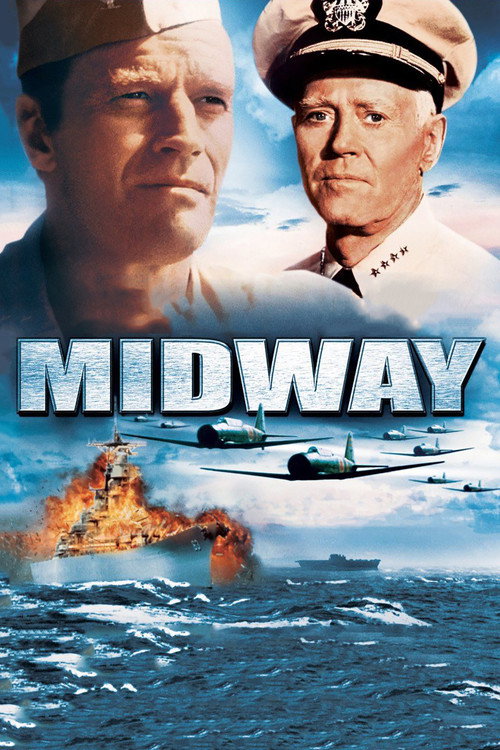
Midway1976
Another all-star WWII naval epic from the same era, following the American perspective on a pivotal battle. Features similar documentary precision and ensemble cast delivering serious historical drama without melodrama.
But Longer than Tora! at 156 minutes, and the naval battle sequences are less vivid than the attack itself. Some performers vanish into their roles rather than elevate them.
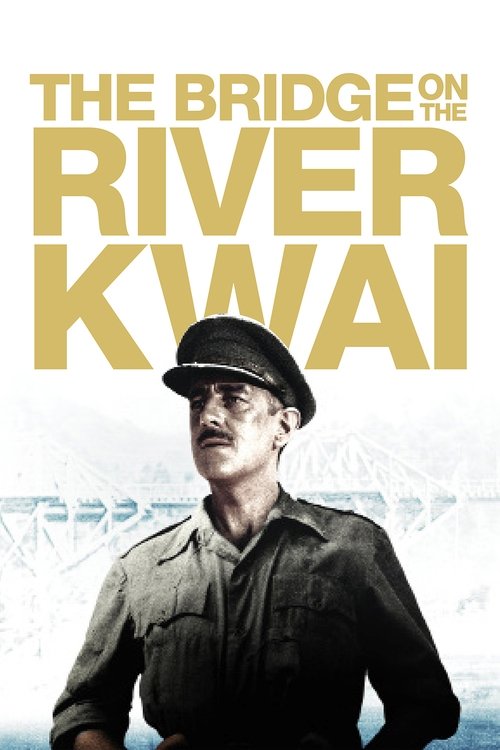
The Bridge on the River Kwai1957
A masterwork about military men—some brilliant, some broken—contending with impossible circumstances during war. Same intellectual weight, same focus on command decisions and their human echoes.
But The central moral paradox may frustrate viewers wanting a clearer villain. Slower burn than its reputation suggests.
All the President's Men1976
Both films respect the audience's intelligence and let drama emerge from procedure, process, and the weight of consequence. Measured pacing, ensemble cast, the careful reconstruction of days that changed everything.
But No action sequences. If you need momentum built from outside events rather than from inside conversation and decision-making, you'll find it static.

Not sure tonight? Get a pick in a minute, starting from Tora! Tora! Tora!
The wildcard
Something you would not have found on your own.
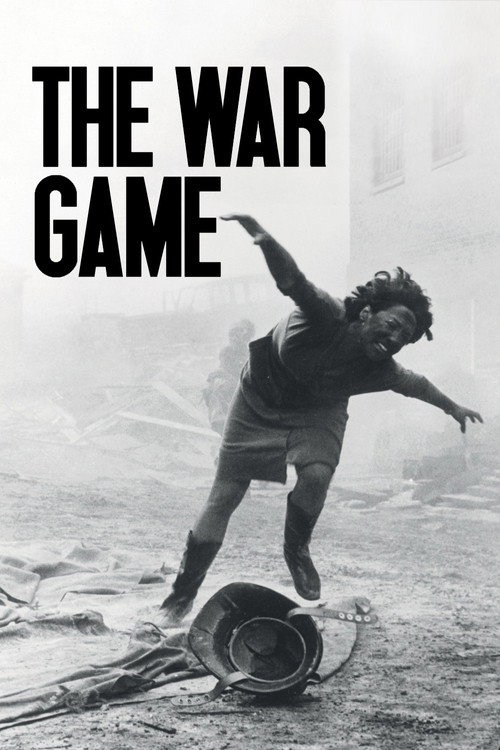
The War Game1966
Both use bureaucratic precision and the perspectives of command to make abstract historical horror concrete and real. Both trust you to sit with dread rather than flinch away from it.
Peter Watkins' banned BBC documentary-drama imagining a nuclear strike on Britain. Same obsession with procedural detail and authentic command structures, but applied to a hypothetical catastrophe that never happened. Harrowing and brilliant.
But It's a mockumentary of total nuclear war. Bleak, difficult, intentionally upsetting. Some scenes show graphic civilian suffering. The BBC refused to broadcast it for twenty years.
More like this (6)
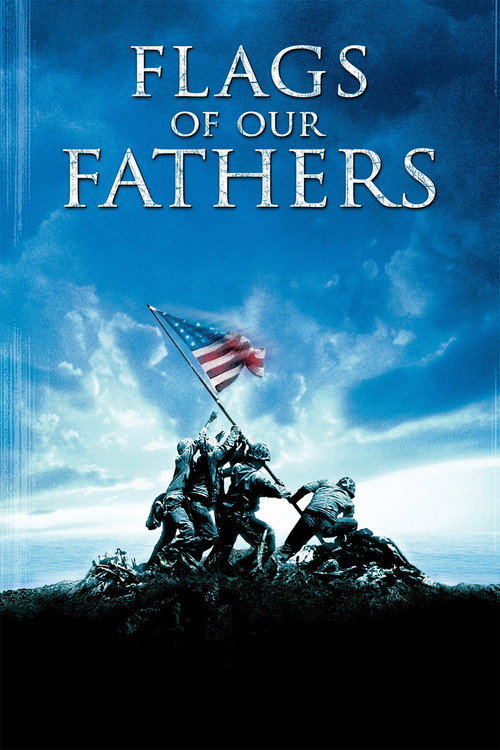
Flags of Our Fathers2006
Clint Eastwood's meditation on war, heroism, and the stories nations tell themselves. Balances combat with the moral cost, and shifts perspective to show how the same events look from different sides.
But More pessimistic in tone than Tora!. Heavy on melancholy and regret. Some find it drifting rather than gripping.
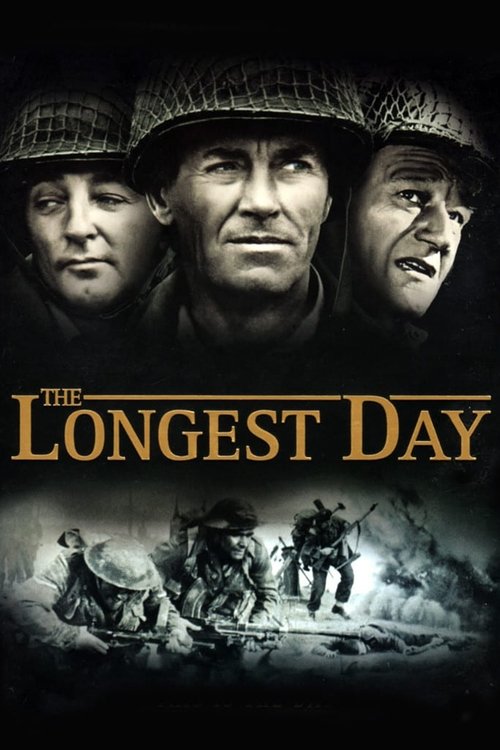
The Longest Day1962
Sprawling D-Day epic with a similar approach: multiple national perspectives, real commanders alongside actors, meticulous period detail, and the sense of enormous historical machinery in motion.
But At 180 minutes it's a commitment. The sheer number of storylines means none develops deeply. Can feel more like a pageant than a drama.
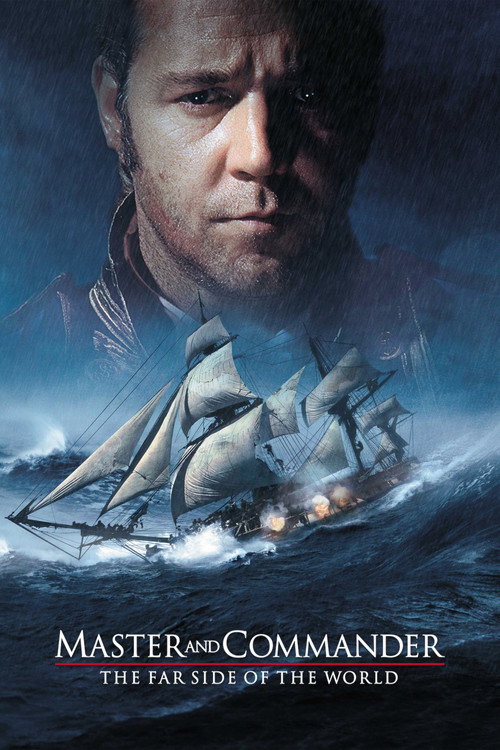
Master and Commander: The Far Side of the World2003
A thinking-person's war film about naval command, strategy, and the isolation of leadership. Quieter than expected, more interested in how men under pressure think than in heroics.
But The battle scenes are brief and sometimes hard to follow. Period authenticity sometimes overwhelms character development.
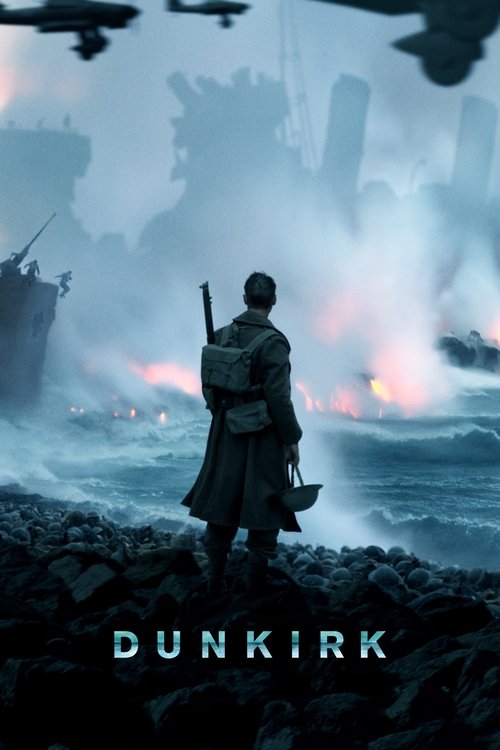
Dunkirk2017
Three perspectives on the same catastrophe unfolding across different timescales. Experimental structure, historical weight, and a willingness to show competent people responding to overwhelming odds with no easy answers.
But The framing device is gimmicky. The relentless tension exhausts some viewers. Dialogue gets swallowed by the score in crucial moments.
The Battle of Algiers1966
A masterpiece of procedural war cinema showing both occupiers and insurgents with equal complexity and moral seriousness. Documentary-like precision applied to a colonial conflict, no good guys needed.
But The violence is unflinching. Some find the deliberate style distant. It's not a comfortable film, and doesn't pretend to be.

Come and See1985
Where Tora! shows how commanders see the war from above, Come and See shows how the lowest-ranked human beings experience the decisions those commanders make. The same war, opposite perspectives on its weight.
Elem Klimov's Soviet film follows a boy conscripted into WWII from innocence into something shattered. The opposite of Tora!'s bird's-eye view—this is the cost of wars decided in rooms, experienced in the mud.
But Unrelentingly brutal and traumatic. Some of the violence is hard to watch. It's a film that damages you. Not recommended if you're seeking any comfort from WWII cinema.

People
Cast
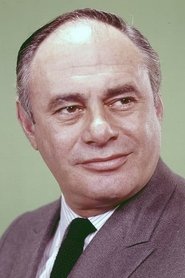 Martin BalsamAdmiral Husband E. Kimmel
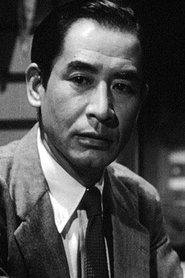 So YamamuraAdmiral Isoroku Yamamoto
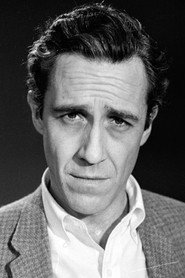 Jason RobardsGeneral Walter C. Short
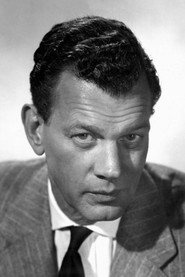 Joseph CottenHenry L. Stimson
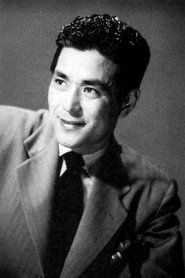 Tatsuya MihashiCommander Minoru Genda
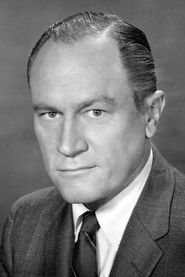 E.G. MarshallColonel Rufus S. Bratton
 Takahiro TamuraLt. Commander Mitsuo Fuchida
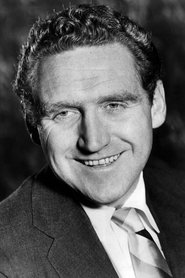 James WhitmoreAdmiral William F. Halsey
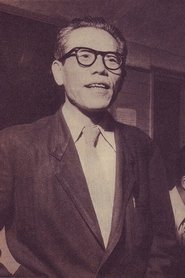 Eijirō TōnoAdmiral Chuici Nagumo
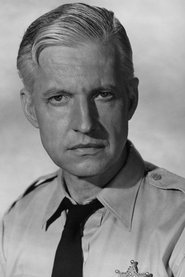 Wesley AddyLt. Commander Alwin D. Kramer
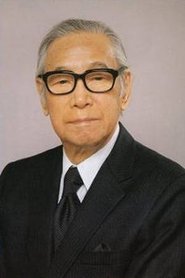 Shōgo ShimadaAmbassador Kichisaburo Nomura
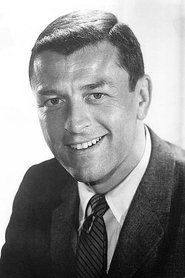 Frank AletterLt. Commander Thomas
Directing
- Elliot SchickAssistant Director
- Harrold WeinbergerAssistant Director
- Hiroshi NagaiAssistant Director
- Shunsuke KariyaAssistant Director
- Kinji FukasakuDirector
- Richard FleischerDirector
- Toshio MasudaDirector
- Duane TolerScript Supervisor
- Al MurphySecond Assistant Director
- Ray KelloggSecond Unit Director
- Robert EnriettoSecond Unit Director
Writing
- Gordon W. PrangeNovel
- Ladislas FaragoNovel
- Hideo OguniScreenplay
- Larry ForresterScreenplay
- Ryuzo KikushimaScreenplay
Production
- Keinosuke KuboAssociate Producer
- Masayuki TakagiAssociate Producer
- Otto LangAssociate Producer
- Richard D. ZanuckExecutive In Charge Of Production
- Darryl F. ZanuckExecutive Producer
- Arthur WildernOther
- E. P. StaffordOther
- George WatkinsOther
- Jack CanaryOther
- Elmo WilliamsProducer
- Richard FleischerProducer
- Randee Lynne JensenProduction Assistant
- Maurice UngerProduction Coordinator
- Theodore TaylorProduction Coordinator
- Lou DyerPublicist
- Jack StubbsUnit Production Manager
- Masao NamikawaUnit Production Manager
- Stanley GoldsmithUnit Production Manager
- William EckhardtUnit Production Manager
Recommended by
Pearl Harbor, From Here to Eternity, Patton, The Longest Day, A Bridge Too Far, King Rat, December 7th, Sink the Bismarck!, Run Silent, Run Deep, Midway, Memphis Belle, Battle of Britain, Midway, In Harm's Way, The Memphis Belle, The Thousand Plane Raid, Command Decision, Target for Tonight, The War Lover, Above and Beyond, Thirty Seconds Over Tokyo, Ike: Countdown to D-Day, The Secret War, The Gallant Hours, Men of the Fighting Lady, The Sea Wolves, Victory at Sea, The Sand Pebbles, Black Sheep Squadron, 12 O'Clock High, The Flying Misfits