
Television series
12 O'Clock High
A World War II military drama that tracks the 918th Bombardment Group flying dangerous missions from an English airbase. Less about heroics than the grinding psychological toll of command: fractured units, fraught command decisions, and the weight of sending men to probable death. Gripping, character-driven, for anyone who values authenticity over action spectacle.
If you liked this
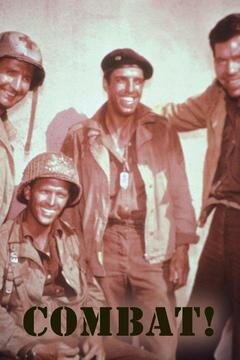
Combat!1962
A fellow ABC war series with similar focus on recurring characters under fire, exploring the human costs of combat rather than celebrating it. Claustrophobic, tense, respectfully made.
But Episodic pacing; some episodes are stronger than others, and you may hit weaker ones before finding your rhythm with the show.
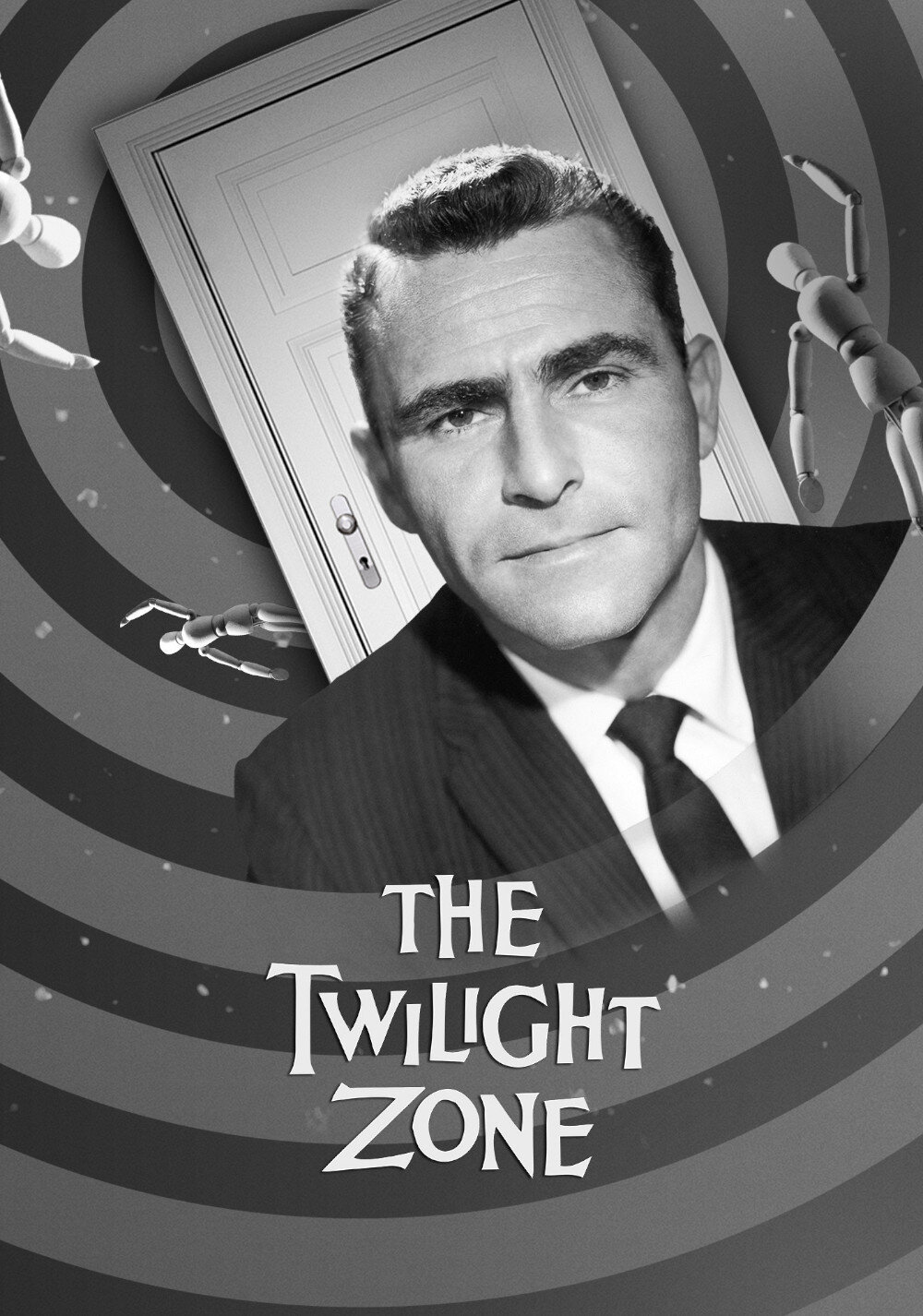
The Twilight Zone1959
Rod Serling's thoughtful, adult approach to television storytelling—the same era, same moral seriousness, same willingness to let ambiguity sit. Different genre, identical DNA.
But Sci-fi conceit might feel distant if you're after grounded realism. Some episodes are dated; the anthology format means zero character continuity.
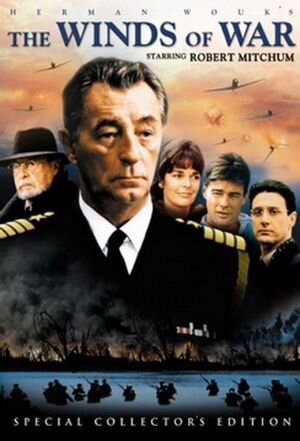
Herman Wouk's The Winds of War1983
A sprawling, character-rich World War II narrative that spans years and follows a military family through real history. Prestige-TV seriousness applied to the same era and conflicts.
But Miniseries length means a huge time commitment. Romance subplots and soap-opera dynamics might undercut the military focus you're seeking.
Not sure tonight? Get a pick in a minute, starting from 12 O'Clock High
The wildcard
Something you would not have found on your own.
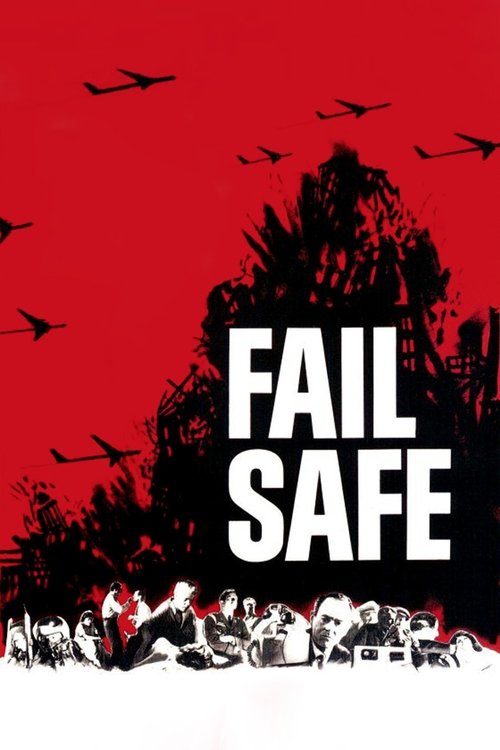
Fail Safe1964
Both are about competent officers watching systems fail despite their best judgment—the true horror of war is not battle but bureaucracy and mechanical inevitability.
Released the same year as 12 O'Clock High's premiere: a nuclear-terror thriller about military command systems breaking down in real-time. Both shows understand that the real drama is command paralysis, not heroics.
But Black-and-white, deliberately theatrical. The plot hinges on a mechanical premise that feels quaint now, and the ending is designed to devastate rather than satisfy.
More like this (8)
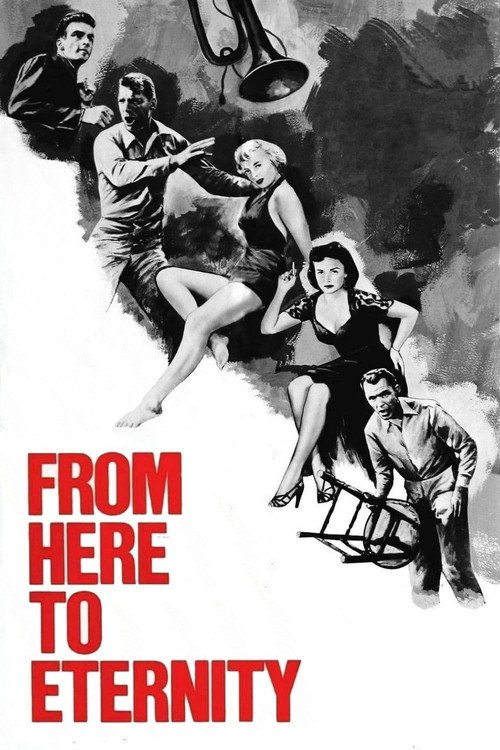
From Here to Eternity1953
Pre-war Hawaii, military life under pressure, stars Frank Sinatra and Deborah Kerr. A film about men and women caught in institutional systems, with real dramatic stakes.
But Romance is central to the plot in ways it isn't in 12 O'Clock High. Pacing feels slow by modern standards; much of the power comes from restraint.
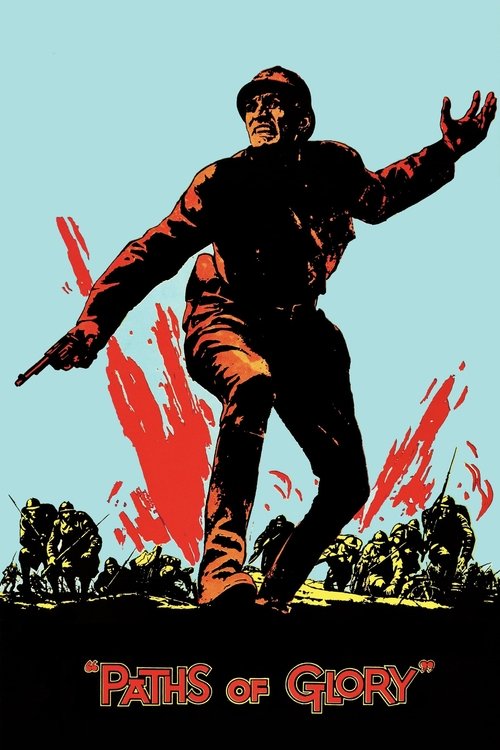
Paths of Glory1957
Kubrick's unflinching examination of military command, court-martials, and the machinery that grinds soldiers into cannon fodder. Morally serious in exactly the way 12 O'Clock High is.
But Relentlessly bleak and angry; there's no relief valve. Black-and-white, 1950s filmmaking—if you need visual spectacle, this won't provide it.
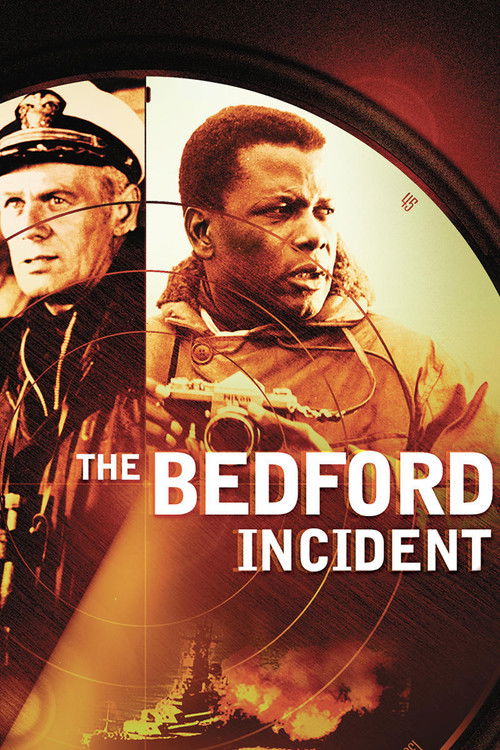
The Bedford Incident1965
A taut Cold War thriller about command breakdown aboard a destroyer, with Richard Widmark as a captain whose judgment corrodes under pressure—thematically the inverse of 12 O'Clock High's moral officers.
But Claustrophobic one-location premise. Deliberately slow-burn; nearly all tension is psychological rather than action-based.
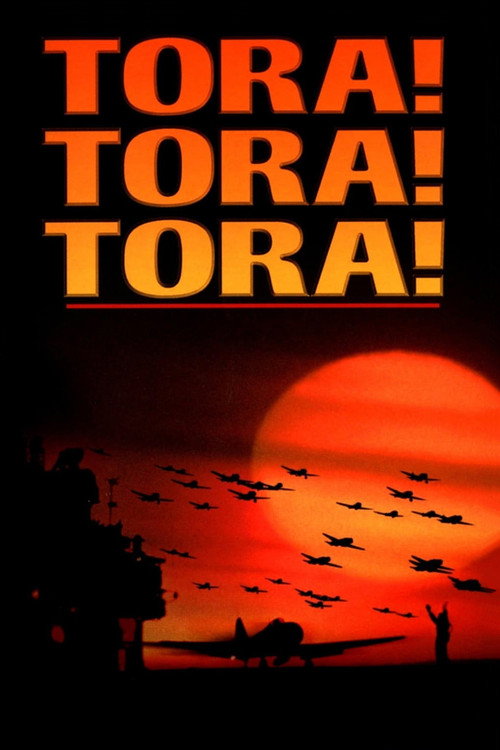
Tora! Tora! Tora!1970
Meticulously detailed account of the Pearl Harbor attack from both American and Japanese perspectives. Docudrama precision about military operations and the fog of command decisions.
But Massive ensemble means minimal character development. More interested in historical reconstruction than drama; can feel static.
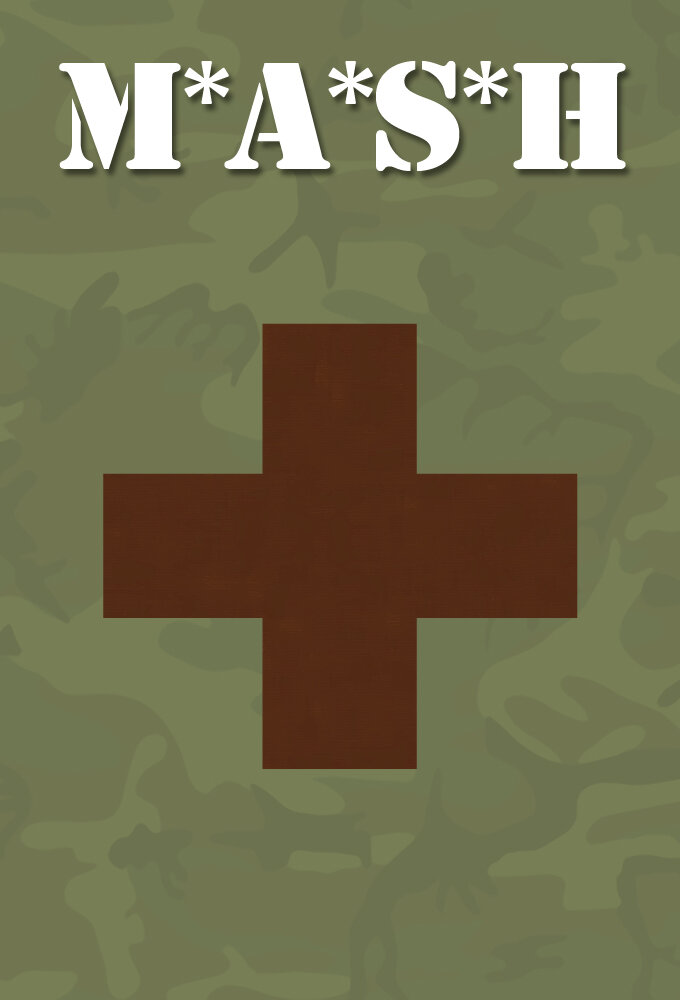
M*A*S*H1972
A war-zone ensemble that treats military hierarchy as tragic comedy. Character-driven, sentimental without being maudlin, and understands that gallows humor is how soldiers survive.
But Tonal shifts from dark comedy to genuine pathos; if you want consistency, it'll frustrate you. Later seasons lean more comedy than early ones.
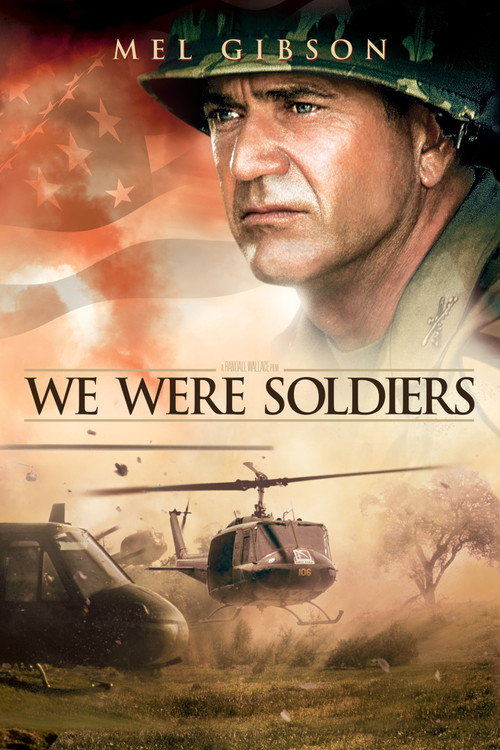
We Were Soldiers2002
A modern action film that respects military command structure and the moral weight of sending men to die. Emotionally honest about combat and its aftermath without exploitation.
But Vietnam-era setting may feel distant if you're after WWII. Mel Gibson leads it; his star power and action-movie framing flatten some nuance.
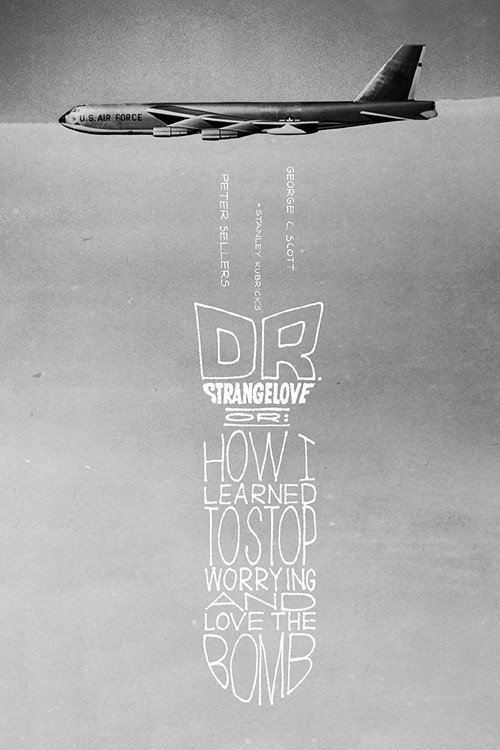
Dr. Strangelove or: How I Learned to Stop Worrying and Love the Bomb1964
The flip side of 12 O'Clock High's earnest command drama—same institutions, same male panic, same powerlessness, but shot through with gallows laughter instead of gravitas.
Kubrick's savage comedy about military command, strategic thinking gone wrong, and men in systems beyond their control. Pitch-black satire of the exact military machinery 12 O'Clock High treats seriously.
But Comedy dressed as nightmare; tonal whiplash if you're seeking realism. Nuclear annihilation as the punchline—darkly misanthropic in ways some find unbearable.
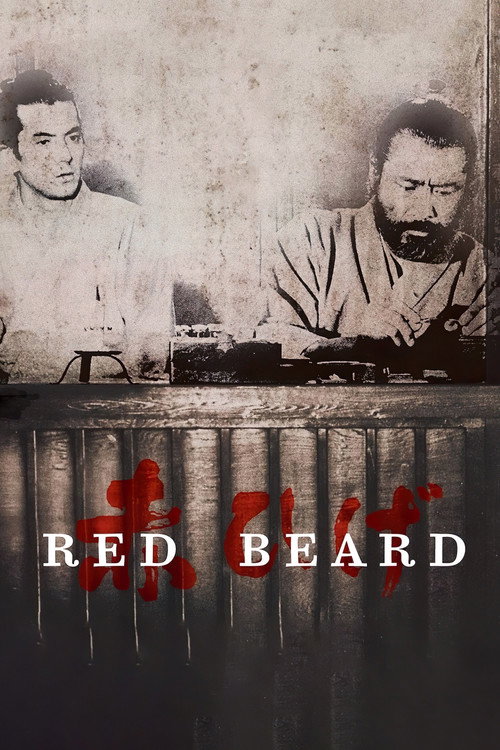
Red Beard1965
Both shows prize structure, duty, and the relationship between seasoned commanders and their charges. Both believe institutions are where character is tested and forged.
Kurosawa's meditation on teaching, mentorship, and institutional power in a 19th-century Japanese medical clinic. Episodic, character-driven, about older men training younger ones under moral pressure. A foreign film about command structure and human dignity.
But Nearly three hours and entirely in Japanese. Episodic rather than plot-driven; patience required. The setting is hospitals not warfare—if you want military specificity, this isn't it.
People
Cast
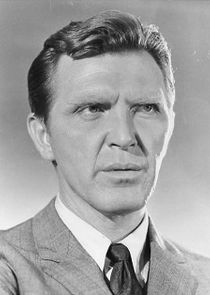
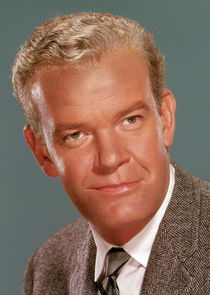
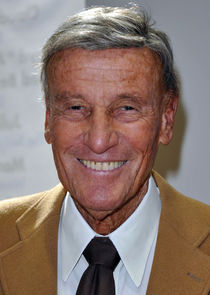
Directing
- Al WestenAssistant Director
- Bud GraceAssistant Director
- Fred R. SimpsonAssistant Director
- Jack AldworthAssistant Director
- Paul WurtzelAssistant Director
- Robert DaleyAssistant Director
- Victor VallejoAssistant Director
Writing
- William KoenigStory Editor
Production
- Al C. WardAssociate Producer
- Charles LarsonAssociate Producer
- Don IngallsAssociate Producer
- Philip SaltzmanAssociate Producer
- Adrian SamishExecutive Producer
- Arthur FellowsExecutive Producer
- Quinn MartinExecutive Producer
- William SelfExecutive Producer
- Frank GlicksmanProducer
- William D. GordonProducer