
Film
Red Beard
Kurosawa's final masterpiece in black-and-white: a young doctor arrives at a rural clinic expecting easy money, instead finding a gruff mentor who teaches him medicine is about serving the poor with dignity. It's a quietly devastating portrait of vocation, humility, and the gap between ambition and meaning. Slow, thoughtful, utterly humane.
Should you watch it?
Watch it if you like slow, humane films about a stubborn mentor slowly wearing down a proud young man, and you don't mind sitting with poverty and sickness until the characters earn your patience.
Skip it if you need a brisk story, since at just over three hours it moves deliberately and lingers on suffering far longer than a lighter evening can comfortably hold.
What it asks of you: Expect patience: long scenes, a measured rhythm, and stretches of quiet clinic routine before the drama that matters is allowed to surface.
Not sure? Find tonight's pick in a minute.
If you liked this
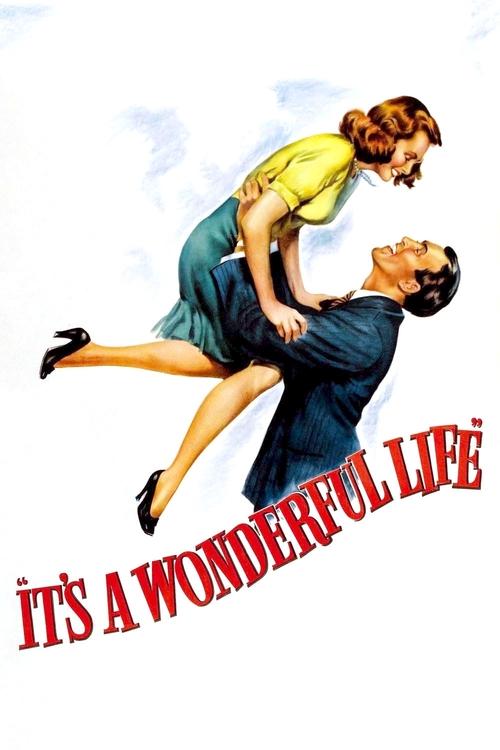
It's a Wonderful Life1946
A man learns what his life means by seeing what would happen without him. Like Red Beard, it's about the invisible weight of service and how small acts ripple outward. Both films believe ordinary decency is the greatest thing a person can do.
But Sentimental in ways that can feel heavy-handed if you're not in the mood. The ending is engineered to make you cry, which some find manipulative.
Ikiru1952
Another Kurosawa film about a man discovering what his life should have meant all along. It shares Red Beard's quiet, devastating argument that meaning comes through service to others, not status or comfort. Equally humanist, equally profound.
But Bleak for much of its length, and the pace is glacial. If you need plot momentum, this will feel like it's barely moving.

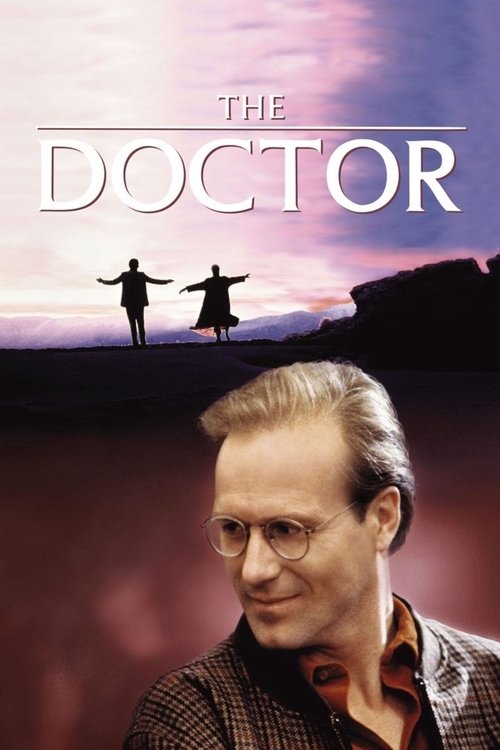
The Doctor1991
A successful physician becomes a patient and learns humility the hard way. It covers similar ground to Red Beard—the gap between medical training and actually seeing the person in front of you—but through a Western lens. Both films ask what doctors owe their patients.
But The 1990s earnestness dates it. It's more schematic than Red Beard, spelling out its lessons rather than letting them unfold.
Not sure tonight? Get a pick in a minute, starting from Red Beard
The wildcard
Something you would not have found on your own.
The Remains of the Day1993
Both are about the quiet devastation of unexamined service, and the moment when a devoted servant glimpses what he might have chosen instead.
A butler spends his life in service, never questioning his vocation until it's too late. Like Red Beard, it's about a man learning that duty without examining its purpose is a kind of death. Both films hinge on the moment someone asks: was this life well spent?
But It's subtle to the point of heartbreak—nothing is stated, everything must be inferred. Some find it frustratingly restrained.

More like this (8)
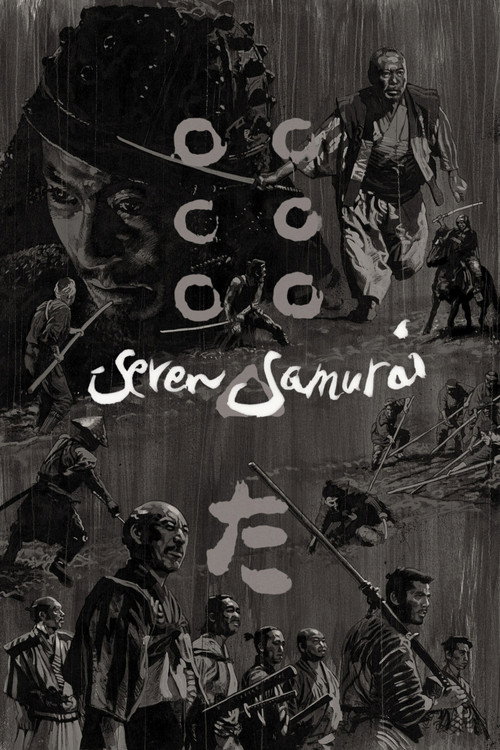
Seven Samurai1954
Kurosawa's masterpiece, also about duty to the vulnerable. The old samurai code and the young doctor's journey are mirror images: both films argue that real strength means protecting those who can't protect themselves, not pursuing personal gain.
But At three and a half hours, it's a commitment. The middle can feel repetitive if you're not hooked early.
Tokyo Story1953
Ozu's quiet epic about an aging couple visiting family. Like Red Beard, it finds profundity in ordinary human moments and minor disappointments. Both films trust silence and know that wisdom looks like patience, not drama.
But Almost nothing happens. The entire film is people in rooms talking quietly. If you need propulsive narrative, you'll be fighting the form.

The Seventh Seal1957
A medieval knight confronts death and searches for meaning. Red Beard and Bergman's film both ask what makes a life worth living. Where Red Beard finds the answer in service, Seal finds it in connection and presence. Companion pieces in darkness.
But Notoriously heavy with allegory and dread. Some viewers find it pretentious or simply grim without payoff.

Stalker1979
Tarkovsky's haunting film about a guide leading others toward truth they don't understand they need. Like Red Beard, it's about mentorship, vocation, and the spiritual weight of helping others see clearly. Both move at the pace of genuine understanding.
But Three hours of Russian science fiction where almost nothing happens. The meditative style will lose anyone who wants conventional drama.

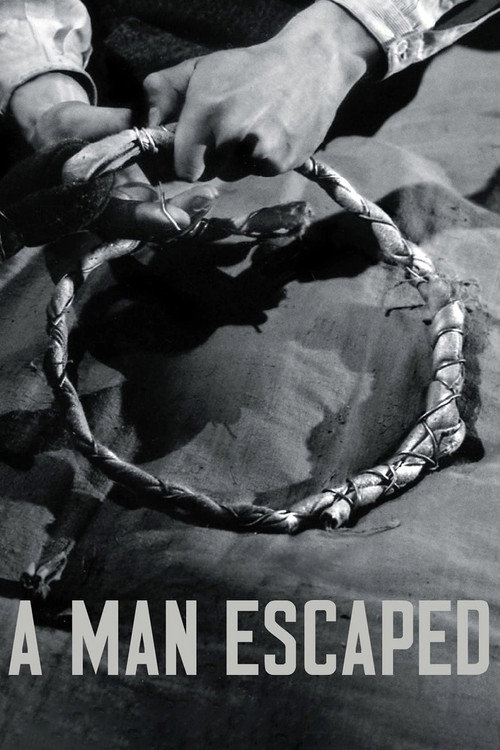
A Man Escaped1956
Bresson's austere prison film about ingenuity, patience, and quiet dignity under oppression. Like Red Beard, it's about maintaining humanity and moral purpose in difficult circumstances. Both films believe grace lives in small, unglamorous acts.
But Bresson's minimalism can feel cold. If you need emotional expression rather than restraint, the film won't give it to you.
The Ballad of Little Jo1993
A woman survives the American frontier by passing as a man. It shares Red Beard's interest in outsiders—prostitutes, the poor, the socially invisible—and in people who refuse to be defined by circumstance. Both are about dignity reclaimed.
But The Western genre and low budget can feel unfamiliar or minor-league. The pacing is deliberate rather than gripping.

Chungking Express1994
Both see human connection as the only antidote to isolation, though one finds it in a rural clinic and the other in a neon-soaked city.
Wong Kar-wai's kaleidoscopic Hong Kong film about loneliness, connection, and the small moments that redeem a life. It's formally the opposite of Red Beard—neon, pop music, fractured narrative—yet both films argue that meaning is found in witnessing other people's suffering and choosing compassion anyway.
But The visual style is maximalist and can be exhausting. The plot is deliberately vague and the timeline nonlinear. If you need clarity, this will frustrate you.

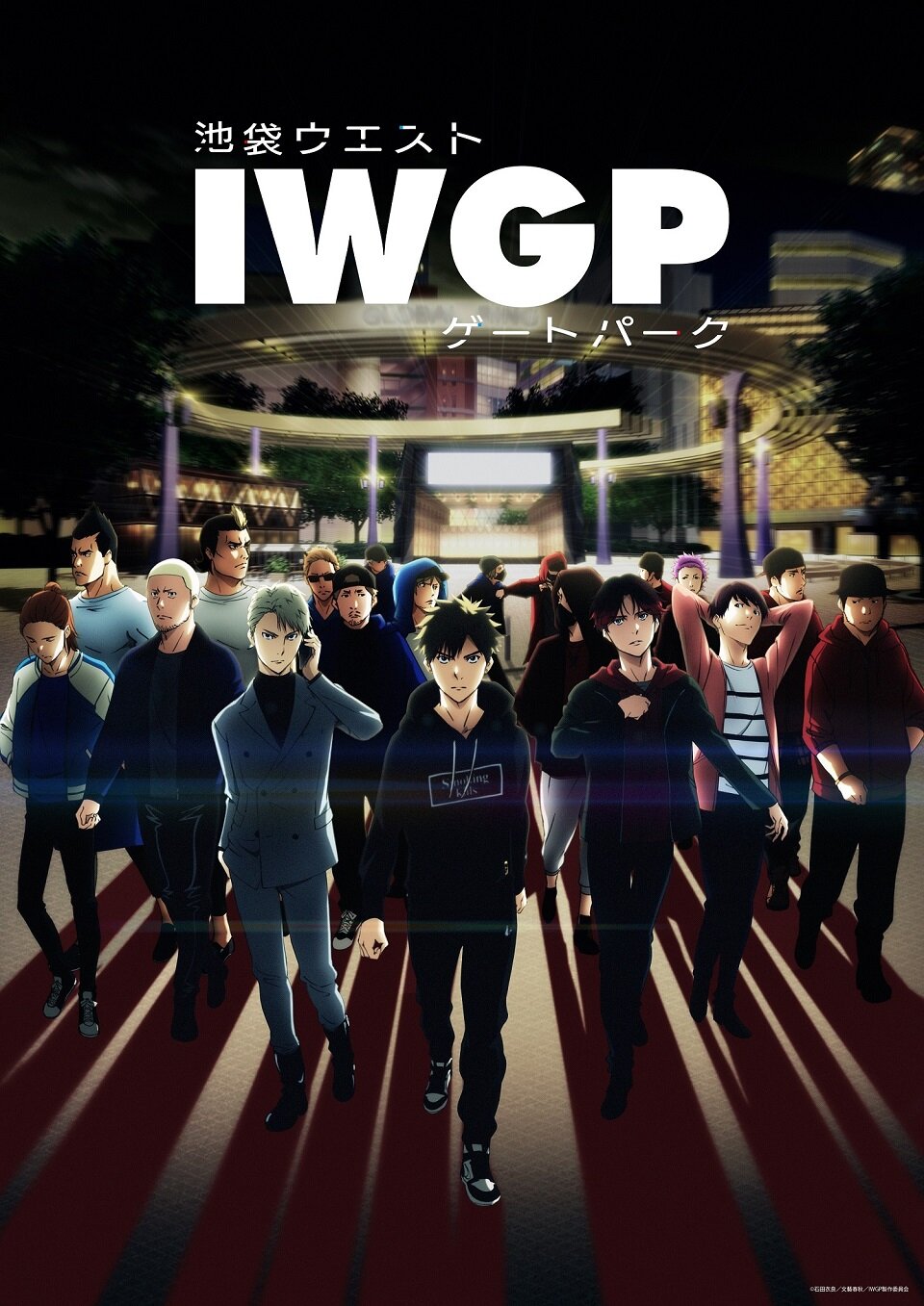
Ikebukuro West Gate Park2020
Both follow a version of the same argument: that real strength means protecting others, and that this work—unglamorous, constant, undervalued—is the only life worth living.
A 12-episode Japanese series about teenagers protecting their neighborhood from gangs. Like Red Beard, it's about someone with power choosing to serve the vulnerable instead of exploiting them, and finding that vocation in unexpected places. But it swaps the clinic for the streets and gruffness for camaraderie.
But It's low-budget 90s TV with dated production values. The action scenes are scrappy and the dialogue is blunt. If you need slick production, you're in the wrong era.
People
Cast
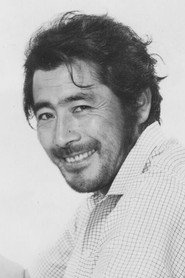 Toshirō MifuneDr. Kyojio Niide ("Red Beard")
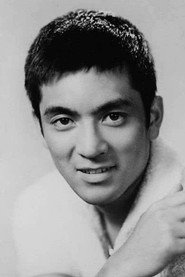 Yūzō KayamaDr. Noboru Yasumoto
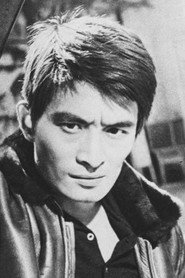 Tsutomu YamazakiSahachi
 Reiko DanOsugi
 Miyuki KuwanoOnaka
 Kyōko KagawaMadwoman ("The Mantis")
 Tatsuyoshi EharaGenzô Tsugawa
 Terumi NikiOtoyo
 Akemi NegishiOkuni
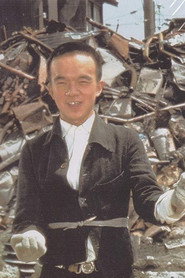 Yoshitaka ZushiChobo
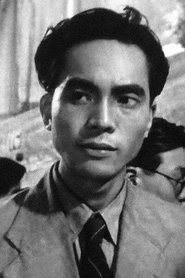 Yoshio TsuchiyaDr. Handayû Mori
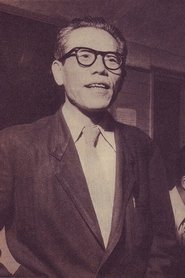 Eijirō TōnoGoheiji
Directing
- Kenjirô OhmoriAssistant Director
- Masanobu DemeAssistant Director
- Shirō MoritaniAssistant Director
- Yōichi MatsueAssistant Director
- Akira KurosawaDirector
- Teruyo NogamiScript Supervisor
Writing
- Shūgorō YamamotoNovel
- Akira KurosawaScreenplay
- Hideo OguniScreenplay
- Masato IdeScreenplay
- Ryuzo KikushimaScreenplay
Production
- Ryuzo KikushimaProducer
- Tomoyuki TanakaProducer
Recommended by
The Bounty, Mifune: The Last Samurai, Samurai Rebellion, Humanity and Paper Balloons, Female Prisoner Scorpion: Beast Stable, Wings of Defeat, Welcome to Me, Antarctica, Daughter of Shanghai, Pigs and Battleships, The Room, Stray Cat Rock: Sex Hunter, Living, Hanzo the Razor: Sword of Justice, Neecha Nagar, Graveyard of Honor, Go for Broke!, Zatoichi and the Fugitives, 12 O'Clock High