
Film
Seven Samurai
Kurosawa's founding text for the team-assembles-for-one-last-job movie: seven mismatched swordsmen, no money to speak of, defend a farming village from bandits who will return with the harvest. Three and a half hours of mud, rain, and unglamorous violence, built around the question of what warriors are actually for once the war that made them is over. Patient, physical, and enormously moving.
If you liked this
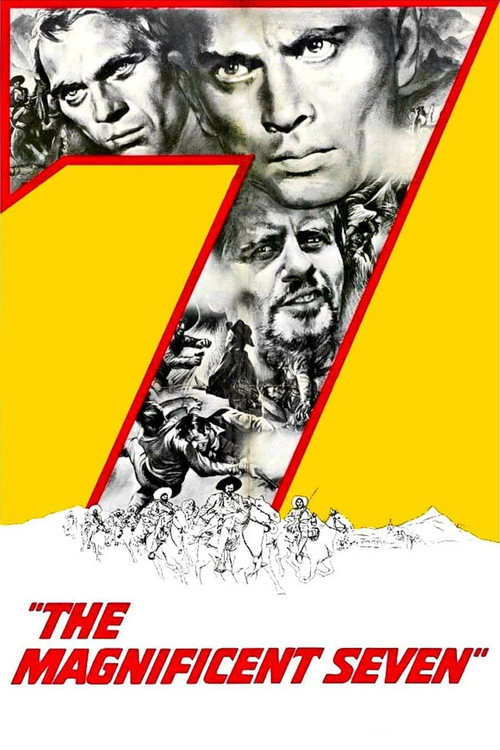
The Magnificent Seven1960
The direct American remake, transplanted to the Old West with a stacked cast led by Yul Brynner and Steve McQueen. Watching the same bones reassembled as a Western is its own pleasure.
But Slicker and shorter, it trades some of the moral weight and grubby realism for star wattage and a jauntier score.
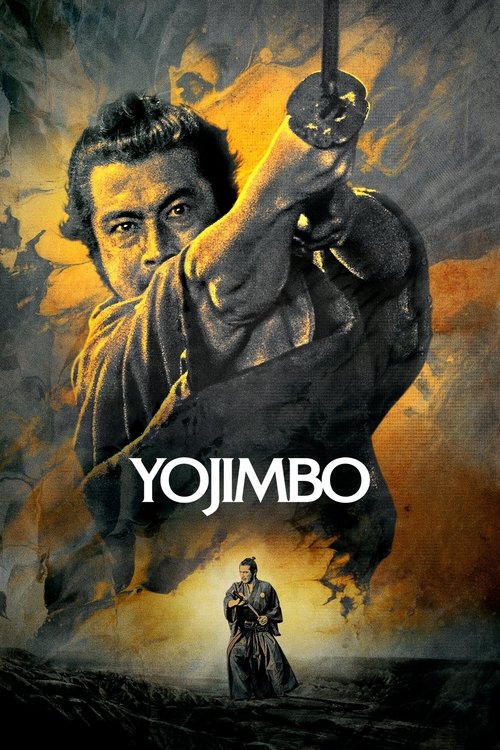
Yojimbo1961
Kurosawa and Mifune again, but leaner and funnier: one wandering swordsman plays two rival gangs against each other. Mifune's scratching, shrugging performance is one of cinema's great comic-tough-guy turns.
But Much smaller in scope and cast — if it's the ensemble and the village you loved, this is a different, sharper kind of pleasure.
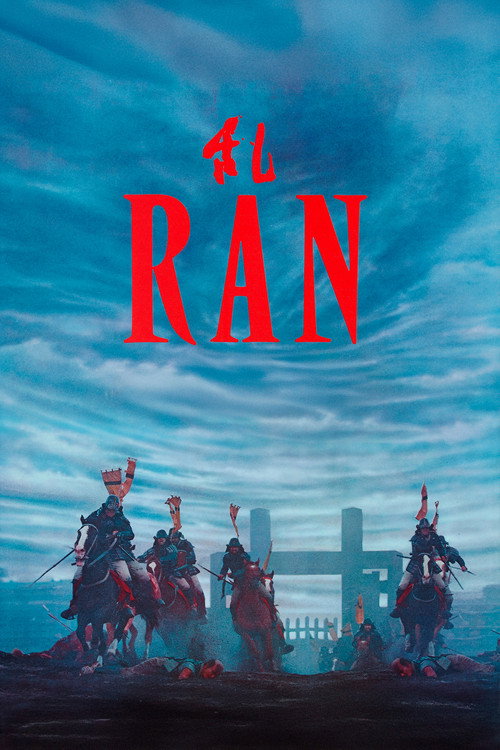
Ran1985
Kurosawa's late-career King Lear, in colour, on an even more staggering scale. If Seven Samurai made you want more feudal Japan and more epic battle choreography, this is the summit.
But Bleaker and more operatic — less about camaraderie, more about the total collapse of a family and a country.
The wildcard
Something you would not have found on your own.
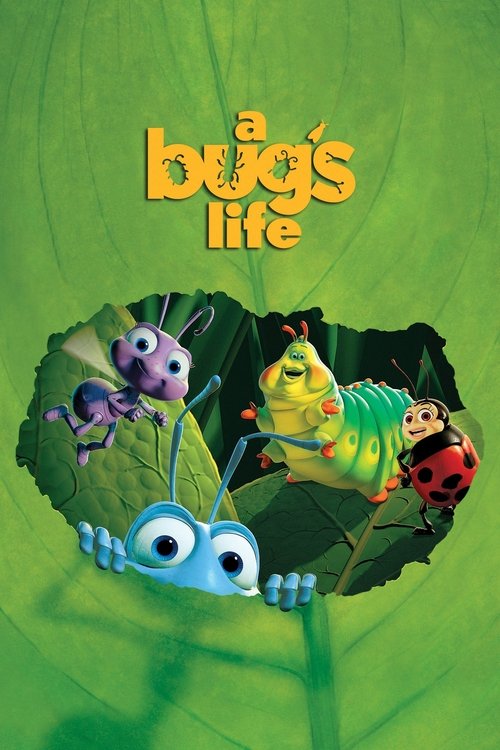
A Bug's Life1998
It borrows Kurosawa's exact premise — a community pools its meagre resources to hire warriors against recurring predators — and runs it as slapstick, proving how sturdy that story engine is.
A Pixar comedy about ants who hire outside fighters to defend their colony from seasonal raiders — the plot of Seven Samurai, played completely straight, for children, with bugs instead of swordsmen.
But It's a bright, jokey kids' film with none of the danger or grief — this is the structure with all the weight removed.
More like this (8)
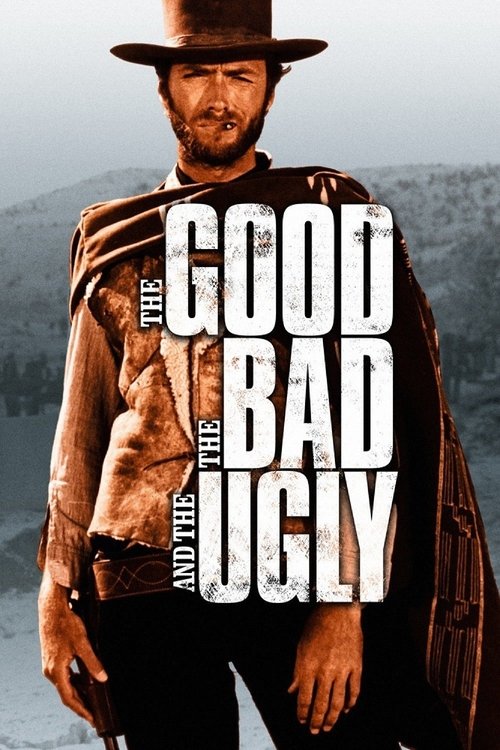
The Good, the Bad and the Ugly1966
Leone's widescreen Western owes a visible debt to Kurosawa's staging and patience with silence. Epic length, epic landscapes, and a similar interest in men whose skills have outlived their usefulness.
But More cynical and stylised, with almost no interest in community — it's about survival and greed, not sacrifice.
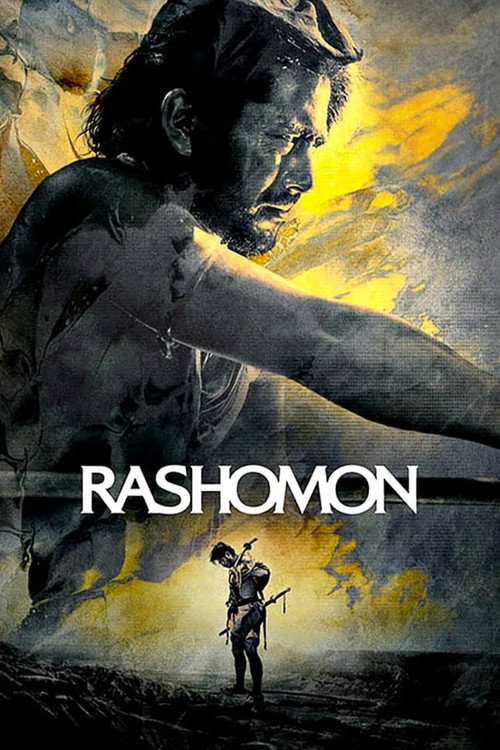
Rashomon1950
The Kurosawa/Mifune film that made the West notice, told through four contradictory accounts of the same crime. Short, strange, and endlessly discussed for good reason.
But Barely 90 minutes and almost entirely dialogue-driven — nothing like the scale or physical spectacle of the battles you just watched.
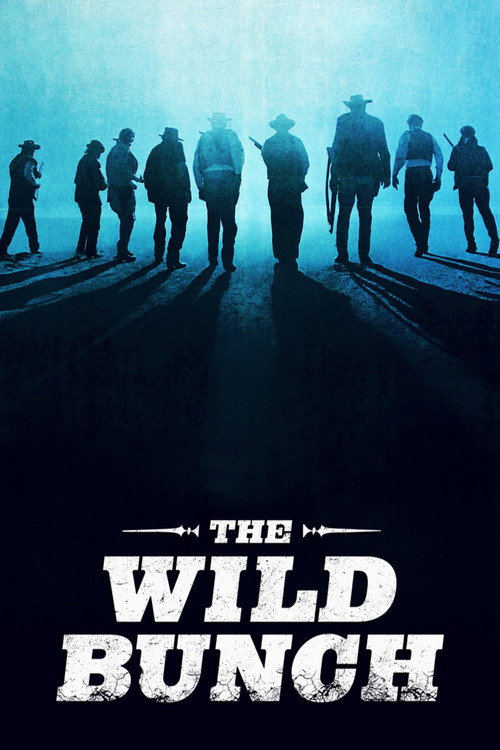
The Wild Bunch1969
Peckinpah's ageing outlaws, one last job, a code that no longer fits the world. Same elegiac note as Seven Samurai's ending, but with blood squibs and a rawer American nihilism.
But Considerably more violent and considerably less warm — there's no village here to make the fighting feel worth it.
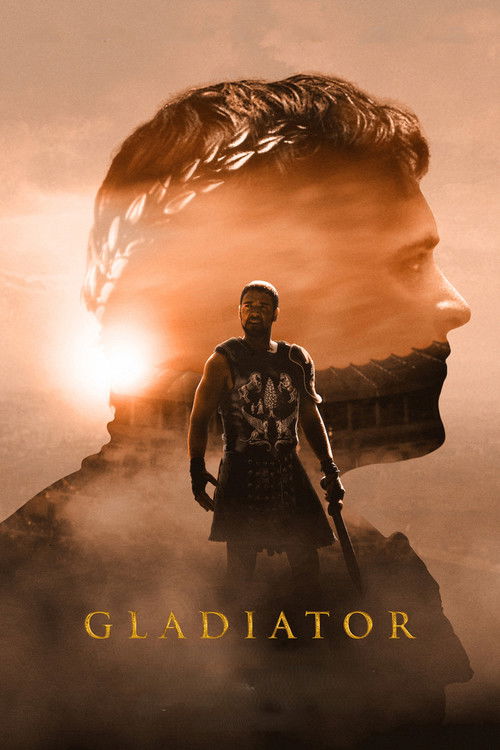
Gladiator2000
A trained fighter with nothing left to lose, thrown into a cause bigger than himself, filmed with real weight and grandeur. Scratches the same itch for honour under pressure and mud-and-blood spectacle.
But Far more of a one-man revenge story than an ensemble piece, and considerably less interested in the people being protected.
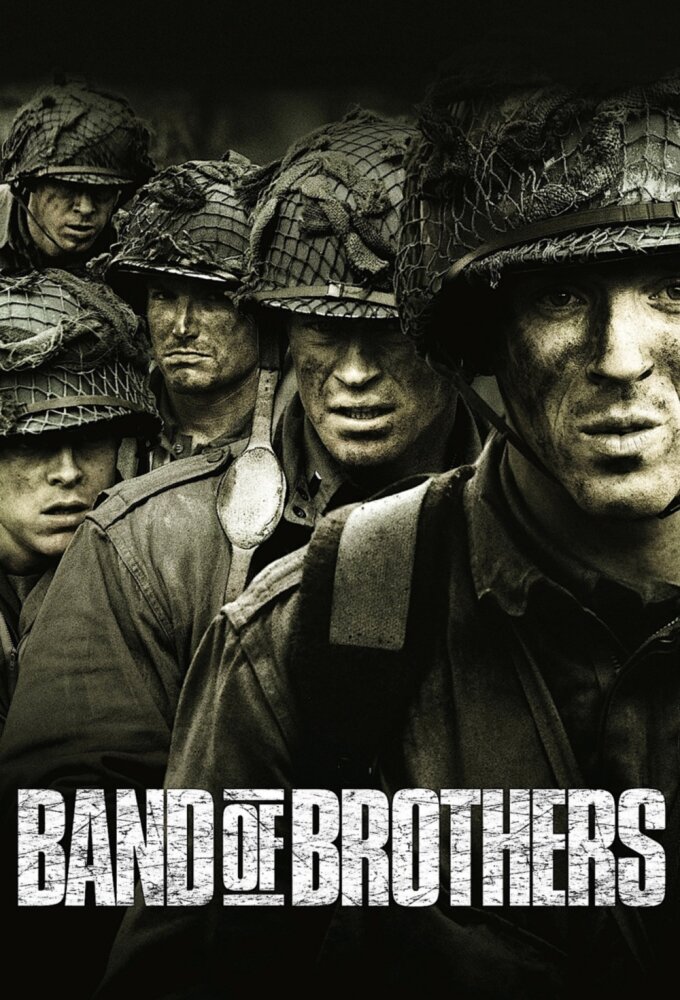
Band of Brothers2001
Ten hours of a fighting unit becoming a family, shot with the same unglamorous respect for exhaustion and mud that Kurosawa gave his samurai. Huge ensemble, every face given a moment.
But A ten-hour commitment across a whole miniseries, and it's real history rather than the moral fable Kurosawa is telling.
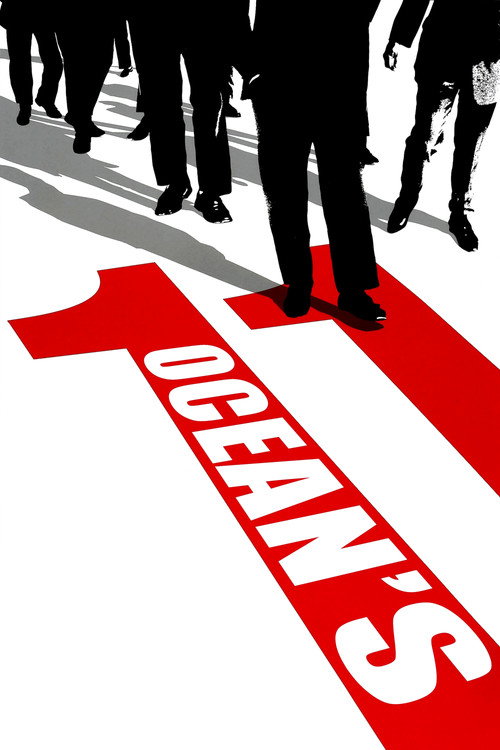
Ocean's Eleven2001
The recruitment-montage structure Seven Samurai basically invented, played here for style and wit instead of survival. Pure pleasure in watching specialists get assembled and given their jobs.
But Weightless by comparison — nobody's really in danger, and the stakes are a casino heist, not a village's survival.
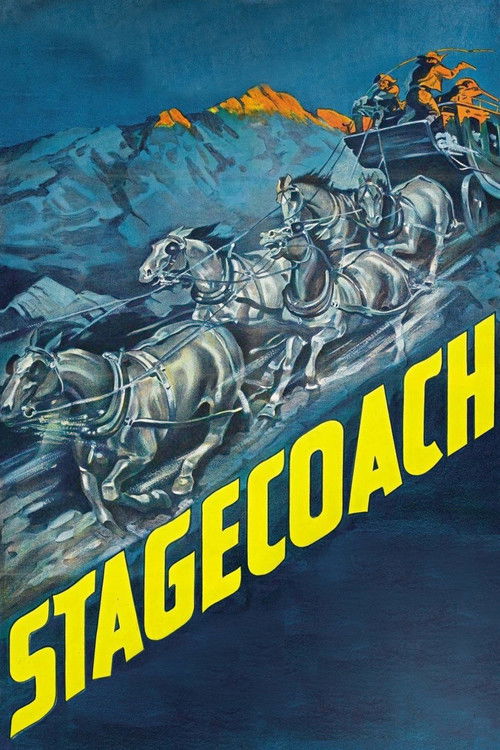
Stagecoach1939
Kurosawa cited Ford as a direct influence on his group staging and landscape framing — this is where some of Seven Samurai's visual grammar actually comes from.
John Ford's Western, fifteen years earlier: a disparate group thrown together, travelling through hostile territory, tested by danger and by each other. The compositions Kurosawa openly studied and loved are right there.
But Much shorter, tamer by modern standards, and rooted in an American frontier mythology that hasn't aged as gracefully as Kurosawa's film.
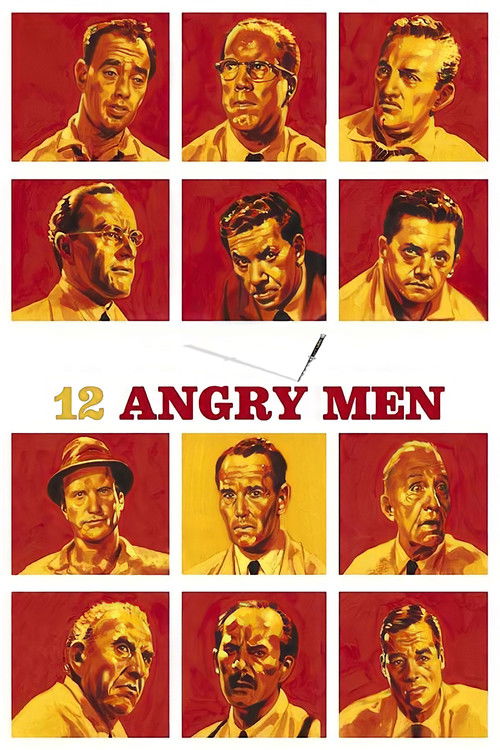
12 Angry Men1957
Strip away the spectacle and Seven Samurai is a film about a group of men negotiating duty, courage, and moral compromise under pressure — this is that same engine with the violence replaced entirely by argument.
Same era, same interest in a group of men working out, under pressure, who they really are and what they owe each other — but here it's one room, one afternoon, all talk and no swords.
But There is no action whatsoever — if what you loved was the mud and the battles, this offers none of that.
People
Cast
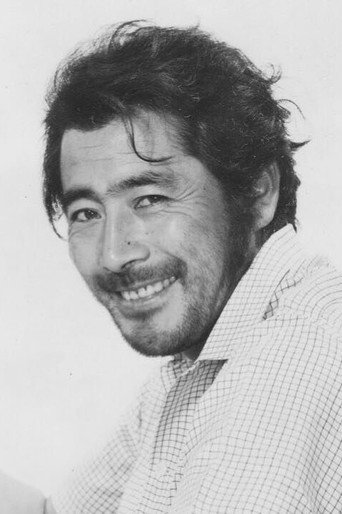 Toshirō MifuneKikuchiyo
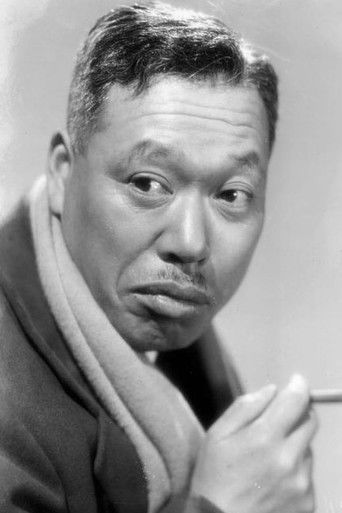 Takashi ShimuraKambei Shimada
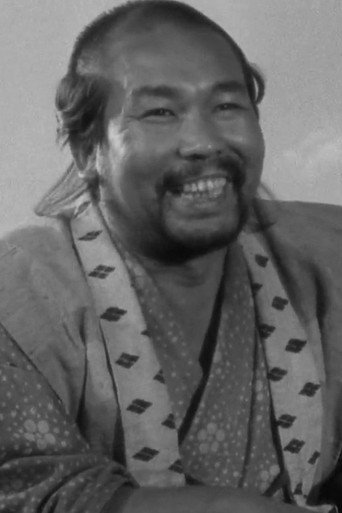 Yoshio InabaGorobei Katayama
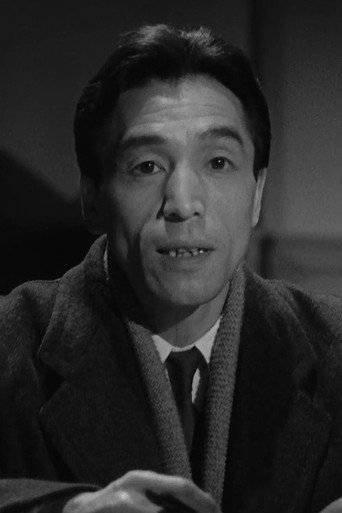 Seiji MiyaguchiKyuzo
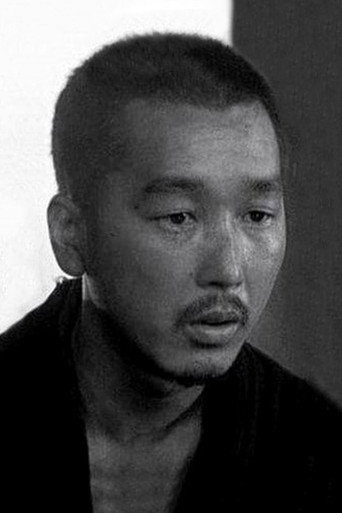 Minoru ChiakiHeihachi Hayashida
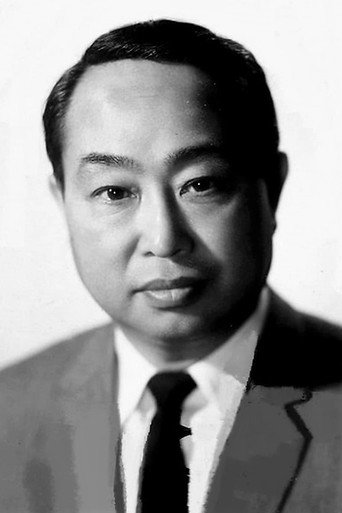 Daisuke KatōShichiroji
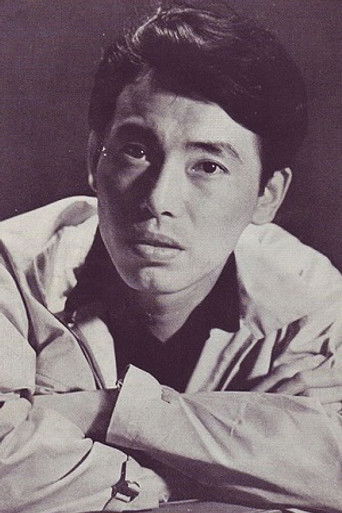 Isao KimuraKatsushiro Okamoto
 Keiko TsushimaShino
 Yukiko ShimazakiRikichi's Wife
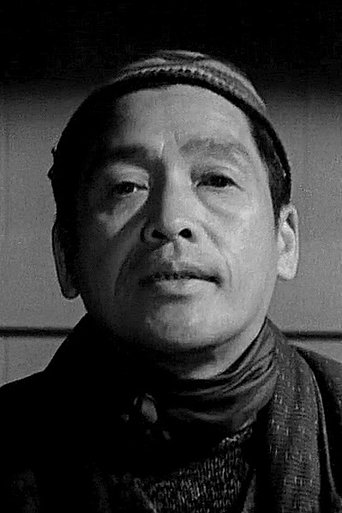 Kamatari FujiwaraManzô - Father of Shino
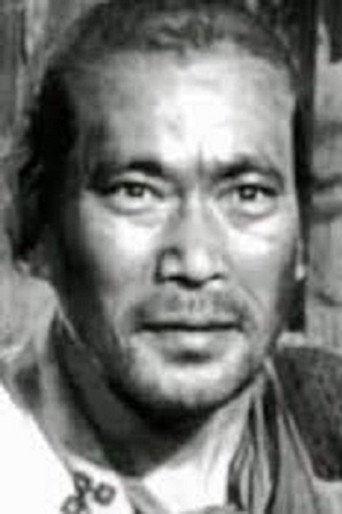 Yoshio KosugiMosuke
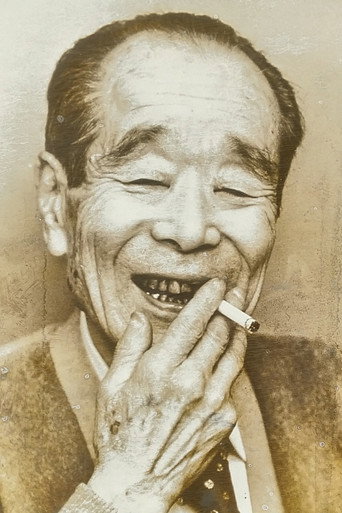 Bokuzen HidariYohei
Directing
- Hiromichi HorikawaAssistant Director
- Masaya ShimizuAssistant Director
- Sakae HirosawaAssistant Director
- Toshi KanekoAssistant Director
- Yasuyoshi TajitsuAssistant Director
- Akira KurosawaDirector
- Teruyo NogamiScript Supervisor
Writing
- Akira KurosawaScreenplay
- Hideo OguniScreenplay
- Shinobu HashimotoScreenplay
Production
- Yuji HamadaAccountant
- Sōjirō MotokiProducer
- Teruyo NogamiProduction Assistant
- Hiroshi NezuProduction Supervisor
- Kōhei EzakiResearcher
Recommended by
Dersu Uzala, The Last Samurai, Ran, The Hidden Fortress, The Dirty Dozen, The Avengers, Avengers: Infinity War, Avengers: Endgame, The Lord of the Rings: The Return of the King, The Lord of the Rings: The Fellowship of the Ring, Yojimbo, Rio Bravo, ¡Three Amigos!, The Magnificent Seven, Battle Beyond the Stars, Sanjuro, 13 Assassins, Sansho the Bailiff, The Wild Bunch, Hunter x Hunter, Vinland Saga, Sword of the Stranger, The Adventures of Robin Hood, Kagemusha, Shane, The Three Musketeers, Robin Hood: Prince of Thieves, The Big Country, Lonesome Dove, Harakiri, Stories of the Century, Naruto, Voltron: Legendary Defender, Avatar: The Last Airbender, Demon Slayer: Kimetsu no Yaiba Infinity Castle, The Lord of the Rings: The Two Towers, Sholay, A Bug's Life, Ugetsu, Goblin Slayer, The Raid 2, Samurai Rebellion, Triple Threat, Ivanhoe, Rurouni Kenshin Part I: Origins