
Film
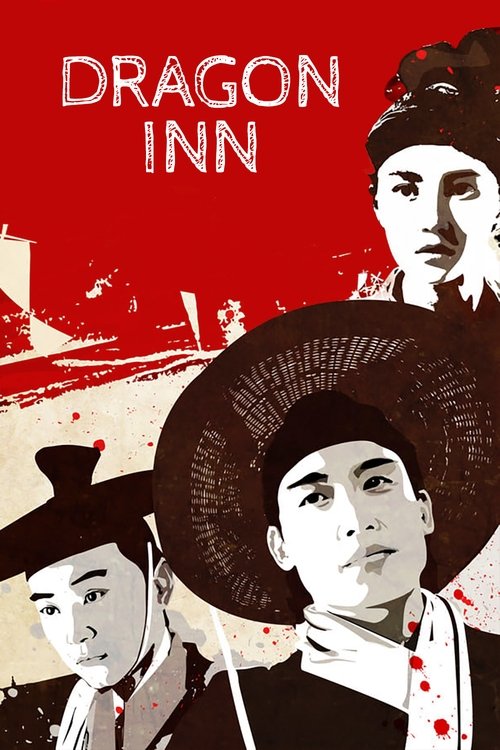
Dragon Inn
A 1967 Hong Kong wuxia classic where exiled orphans find refuge at a remote inn while assassins close in. It's all graceful sword violence, moral clarity, and an ensemble cast discovering courage under fire. For anyone craving action where the fighting means something and the hero moments land clean.
Should you watch it?
Watch it if you love slow-burn wuxia where tension lives in silences, long stares and a stormy inn at night, and you prize atmosphere and staging over constant sword clashes, much like a patient King Hu picture.
Skip it if you want brisk, kinetic fights from the first minute, since this one lingers on waiting, lighting and wind, and its 1960s pacing and dated look can feel stiff to modern eyes.
What it asks of you: Under two hours, it rewards stillness: you need to settle in, let scenes breathe and tolerate long gaps between bursts of action before the payoff arrives.
Not sure? Find tonight's pick in a minute.
If you liked this
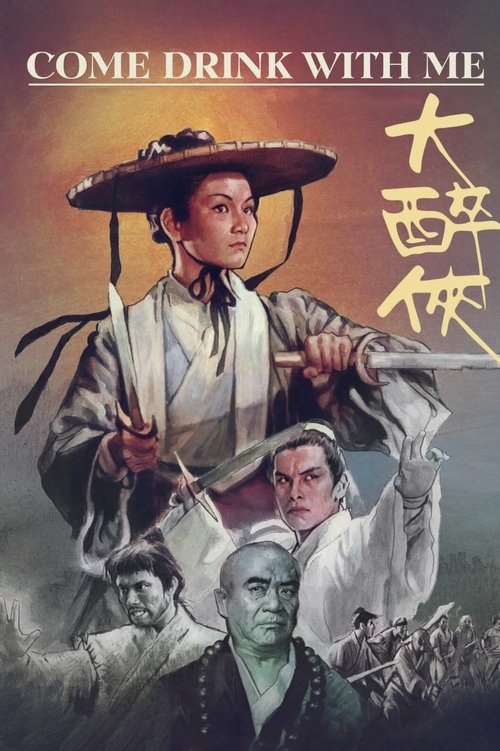
Come Drink with Me1966
King Hu's masterpiece and Dragon Inn's spiritual cousin—a female swordmaster faces an army of villains at a remote inn. If you loved Dragon Inn's ensemble heroism and balletic combat, this is essential watching.
But The pacing is deliberate and meditative; it's more interested in silence and landscape than constant action.
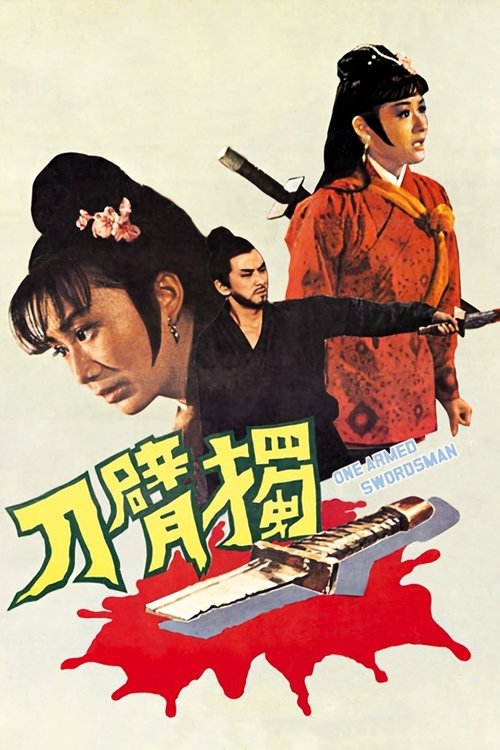
The One-Armed Swordsman1967
Chang Cheh's landmark film that defined the sword-and-blood wuxia formula. Raw, visceral, with a disabled hero who becomes unstoppable—it has Dragon Inn's moral core but cranks the revenge plot to eleven.
But Grittier and more violent than Dragon Inn; the hero's journey is more traumatic and less triumphant.
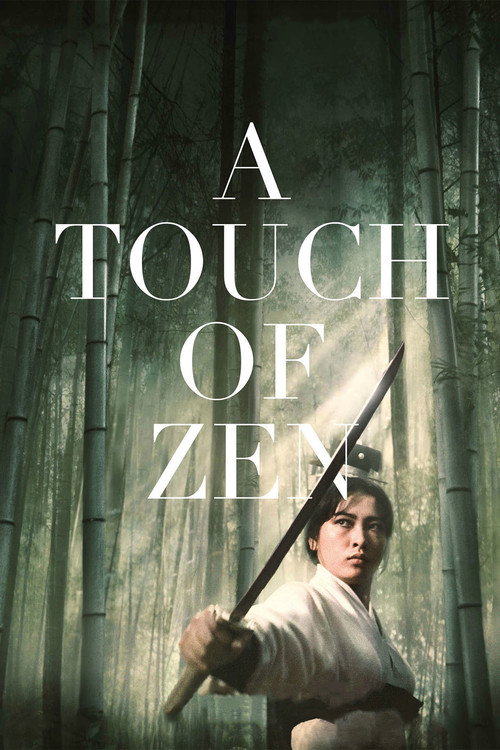
A Touch of Zen1970
King Hu again, now at feature length. A group of righteous fighters protects refugees from tyrannical forces in an abandoned fortress. The action sequences are staggering—some of cinema's greatest sword choreography.
But At 190 minutes it demands patience; the middle section is slow-burn conspiracy and character work before the climactic siege.
Not sure tonight? Get a pick in a minute, starting from Dragon Inn
The wildcard
Something you would not have found on your own.
Harakiri1962
Both use an inn or fortress as crucible where strangers' lives converge; both make you understand why people would die for principle.
Masaki Kobayashi's samurai masterpiece uses a siege-like structure—a man enters a warlord's fortress to challenge him, and the past collides with the present in tragedy. Like Dragon Inn, it's about honor and sacrifice, but it refuses to let violence feel satisfying.
But It's a film about futility and systemic cruelty; the beauty is in the cinematography and moral architecture, not the action.

More like this (8)
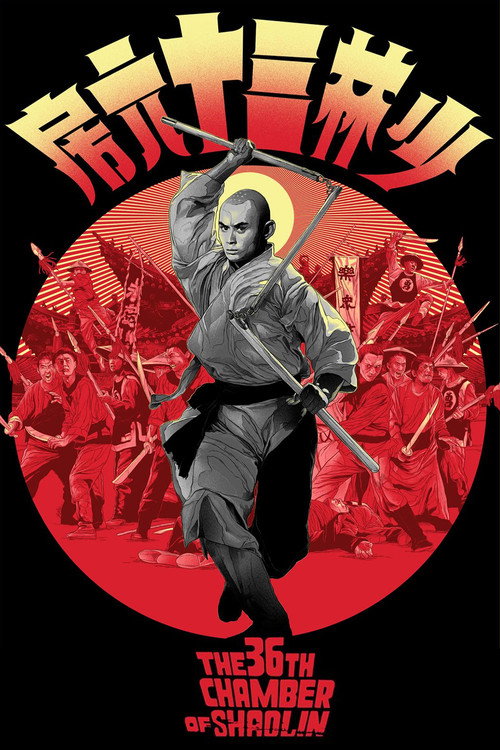
The 36th Chamber of Shaolin1978
Gordon Liu's journey from refugee to master becomes the template for decades of kung fu cinema. It has Dragon Inn's theme of the powerless learning to fight back, but with the added pleasure of a training montage.
But More comedy and lighter in tone than Dragon Inn; some will find the mood whimsical where they expected gravitas.
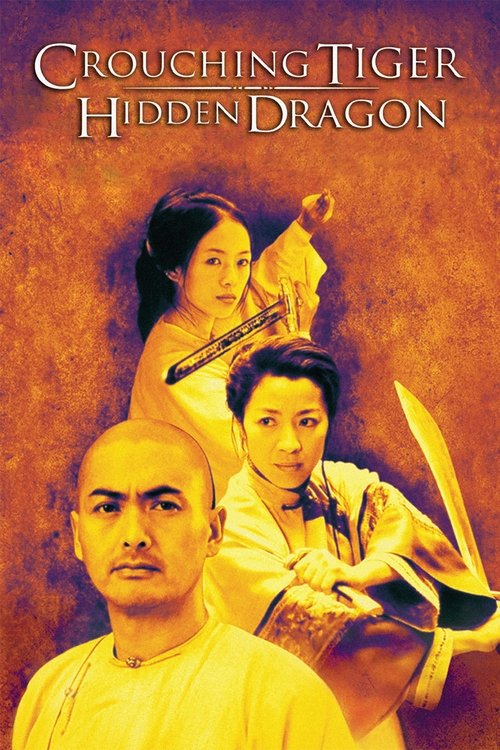
Crouching Tiger, Hidden Dragon2000
Ang Lee synthesizes everything that Dragon Inn pioneered—ensemble heroism, moral complexity, impossible choreography, a siege where strangers become allies. It proved wuxia could reach a global audience without losing its soul.
But A century separates it from Dragon Inn; the film is more painterly and introspective, less immediately thrilling.
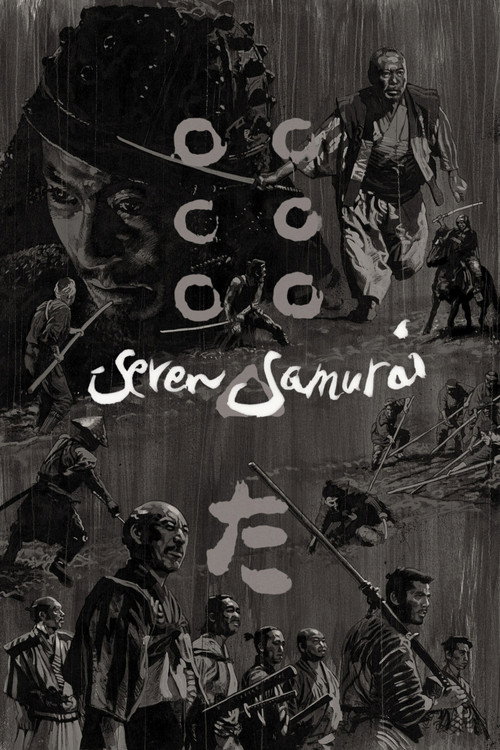
Seven Samurai1954
Kurosawa's masterwork about warriors defending villagers against bandits. The DNA is identical to Dragon Inn's structure—strangers gather, stakes are clear, action erupts—but in a different tradition and setting.
But It's three-and-a-half hours of Japanese cinema from the 1950s; the pacing will feel glacial to modern eyes.
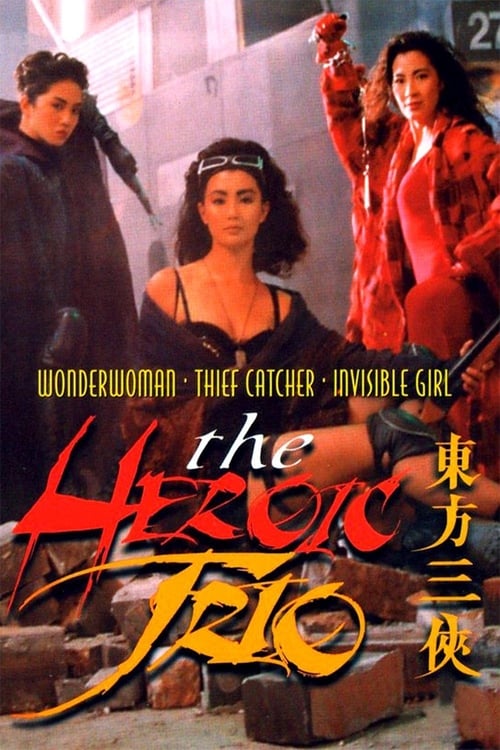
The Heroic Trio1993
Three masked female heroes move as a unit through Hong Kong chaos, facing down corruption and impossible odds. It captures Dragon Inn's ensemble energy but in neon and modern mayhem, with genuine wit.
But The plot is genuinely convoluted; sometimes the spectacle matters more than narrative clarity.
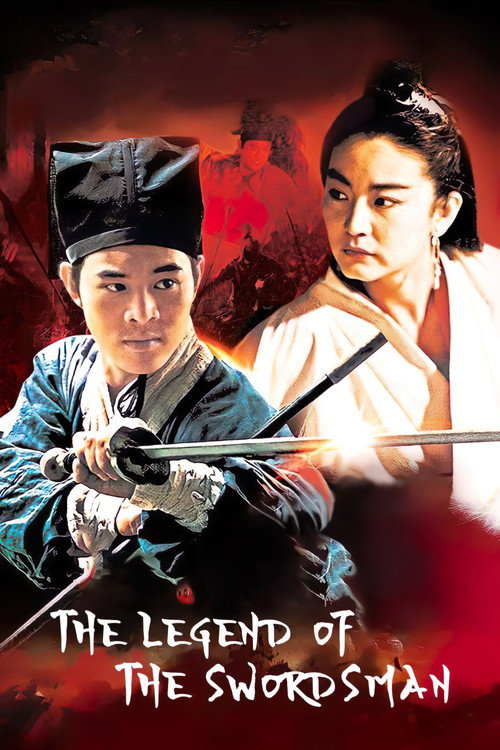
The Legend of the Swordsman1992
Tsui Hark's fever dream of a wuxia film—wild, inventive, with an antagonist who may be the hero. It's Dragon Inn's universe remixed by someone on another planet, visually audacious throughout.
But Tonal whiplash; it swings from deadly serious to camp comedy without warning, which some find delightful and others chaotic.
New Dragon Gate Inn1992
Raymond Lee remakes Dragon Inn with modern effects and sensibilities—faster cuts, higher stakes, but honoring the original's ensemble heroism and clear-eyed morality about who deserves saving.
But Remakes always invite comparison; some prefer the original's restraint to this version's hyperactivity.
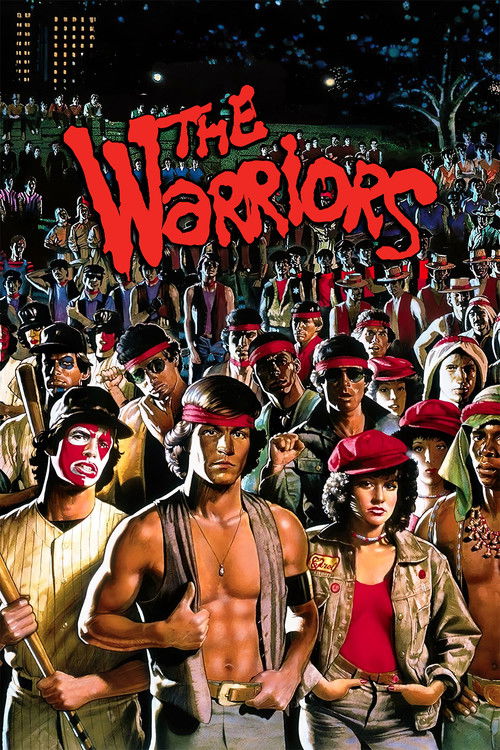
The Warriors1979
Identical plot engine: refugees must traverse hostile territory while assassins hunt them; both build siege tension through geography and numbers.
Walter Hill's neon-soaked New York odyssey follows a gang hunted across the city by an army of enemies. It's Dragon Inn's structure—a small group, impossible odds, enemies everywhere—transplanted to 1970s urban chaos with a punk rock heartbeat.
But Stylized to the point of surrealism; some will find it too arch, more comic-book than cinema.
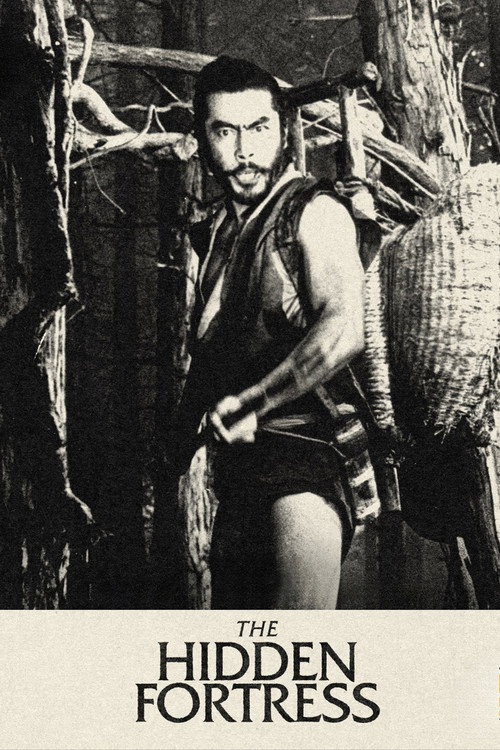
The Hidden Fortress1958
Both films use the journey/refuge structure to explore how ordinary people become heroes when conscience demands it.
Kurosawa's adventure film follows two peasants protecting a princess and general fleeing enemy territory—a journey where the powerless become complicit in nobility. It's wuxia DNA in samurai form: ensemble, clear stakes, moral simplicity, extraordinary action.
But The pacing is unhurried; Kurosawa trusts you to sit with scenes longer than modern cinema trains you to expect.
People
Cast
 Shih ChunHsiao Shao-Tzu
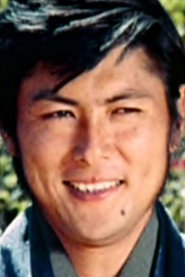 Pai YingTsao Shao Chin
 Polly Shang-Kuan Ling-FengMiss Chu Huei
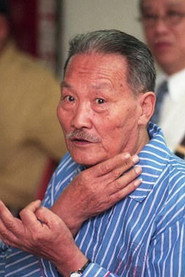 Miao TianPi Shao-Tung
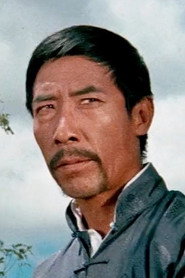 Han Ying-ChiehMao Zong-Xian
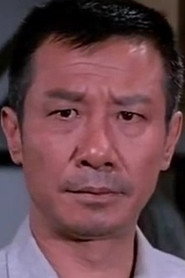 Tsao ChienGeneral Wu Ning
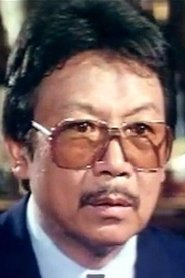 Hsueh HanChu Chi
- Go MingBookkeeper at Inn
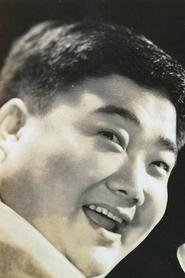 Ko Hsiao-PaoWaiter at Inn
- Ko FeiKuei Yu Chang
 Hsu FengYu Chien's Daughter
- Wan Chung-ShanTou La
Directing
- Han Ying-ChiehAction Director
- Tu Chong-HsunAssistant Director
- King HuDirector
Writing
- King HuWriter
Production
- Sha Rong-FengExecutive Producer
- L.S. ChangProducer
- Shih-Ching YangProduction Manager