
Film
A Touch of Zen
King Hu's 1970 wuxia epic starts as a haunted-house mystery, turns into a swordplay film, and ends up somewhere near religious cinema. Painterly, patient, and built around one bamboo-forest duel that rewrote what martial arts choreography could look like. Three hours long and slow by modern standards, it asks for patience but repays it with images that lodge permanently.
Should you watch it?
Watch it if you love a fight scene framed like a painting, and you don't mind waiting through long, quiet stretches of forest and temple before the blades come out.
Skip it if you want brisk plotting and tight, fast combat, since this runs three hours and its story is loose, leisurely and more interested in mood than explanation.
What it asks of you: Settle in for a full three hours at an unhurried pace, with long held shots and stretches where little seems to happen, and let the atmosphere do the work.
Not sure? Find tonight's pick in a minute.
If you liked this
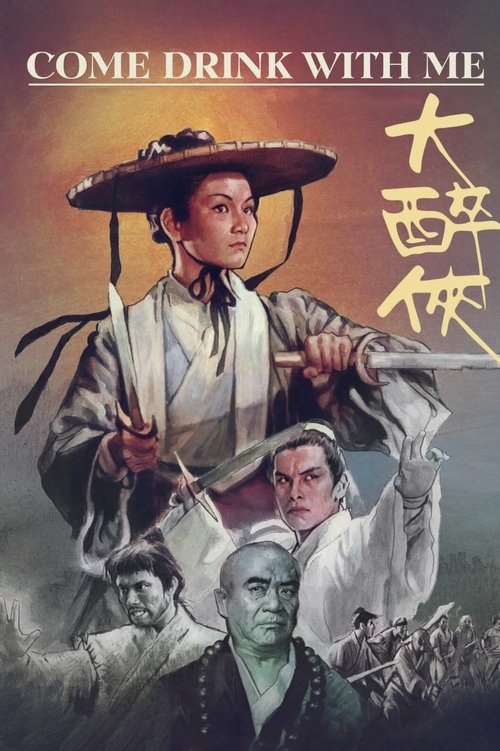
Come Drink with Me1966
King Hu's earlier film, introducing the regal swordswoman archetype and the compositional eye he'd perfect four years later. Tighter, pulpier, and the clear blueprint for everything A Touch of Zen builds on.
But Rougher edges, more conventional revenge plotting, none of the meditative sprawl that makes the later film so strange.
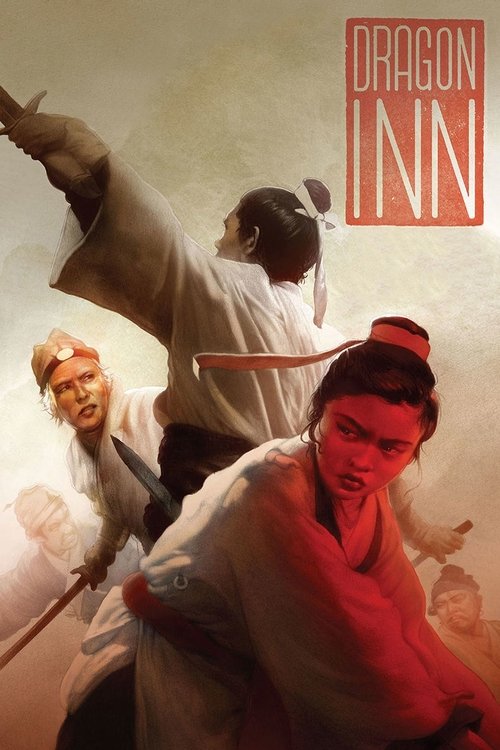
Dragon Inn1967
A single-location siege thriller from the same director — all coiled tension inside an inn full of hidden agendas. Proof King Hu could do claustrophobic as well as expansive.
But Talkier and more plot-heavy in stretches; the action arrives sparser than the poster suggests.
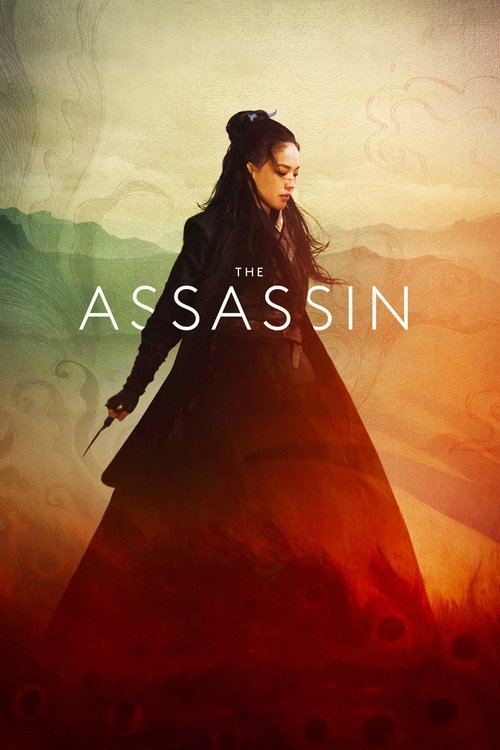
The Assassin2015
The closest thing modern cinema has made to King Hu's patience and painterly stillness — a Tang dynasty assassin story told mostly in silence, fog, and landscape.
But Deliberately opaque plotting and long wordless stretches; some find it transcendent, others find it inert.
Not sure tonight? Get a pick in a minute, starting from A Touch of Zen
The wildcard
Something you would not have found on your own.
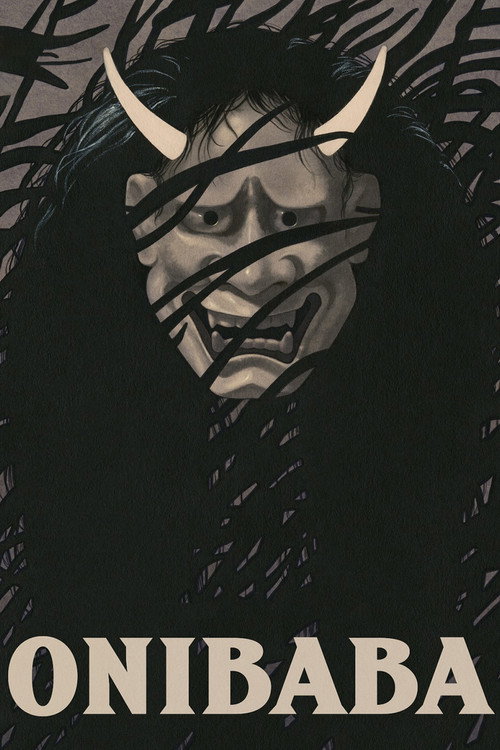
Onibaba1964
Both films stage their central moral crisis in a field of tall grass or bamboo where predator and prey become indistinguishable — Onibaba just answers the question with horror instead of grace.
Kaneto Shindo's Japanese horror film shares the tall-grass battlefield imagery and moral rot beneath a feudal setting, but strips away the spirituality for pure animal desperation and dread.
But Genuinely unsettling and sexually frank in ways that will surprise anyone expecting the wuxia genre's usual restraint.
More like this (8)
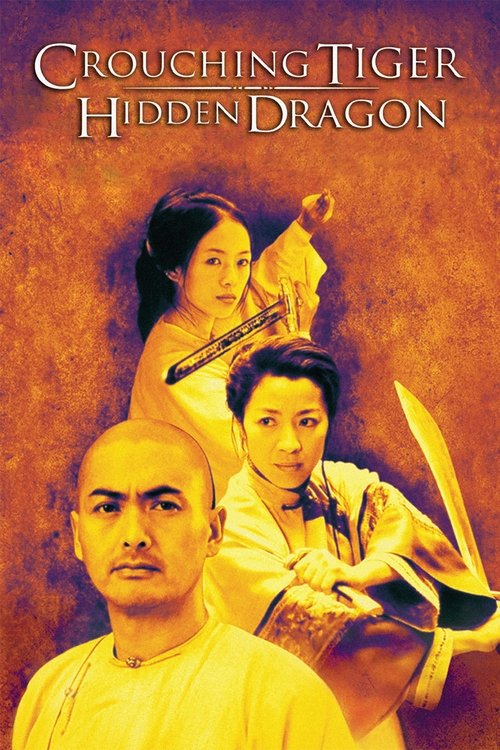
Crouching Tiger, Hidden Dragon2000
Ang Lee's bamboo-forest duel is a direct, loving quotation of A Touch of Zen's most famous scene, and the whole film carries the same romantic, elegiac charge.
But More polished and internationally friendly, which purists feel sands off the rougher textures of the genre's roots.
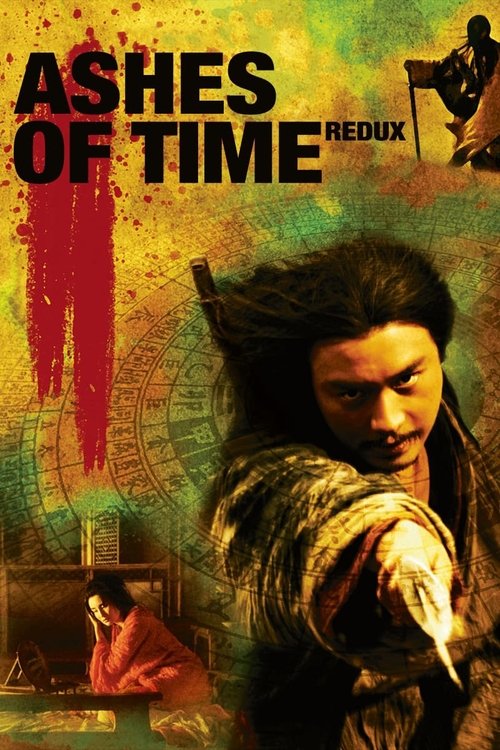
Ashes of Time1994
Wong Kar-wai turns wuxia inward — swordsmen as heartbroken poets stranded in a desert of regret. Gorgeous, fractured, and just as interested in stillness as spectacle.
But Nearly plotless and confusing on first watch; it rewards patience far more than most action fans expect going in.
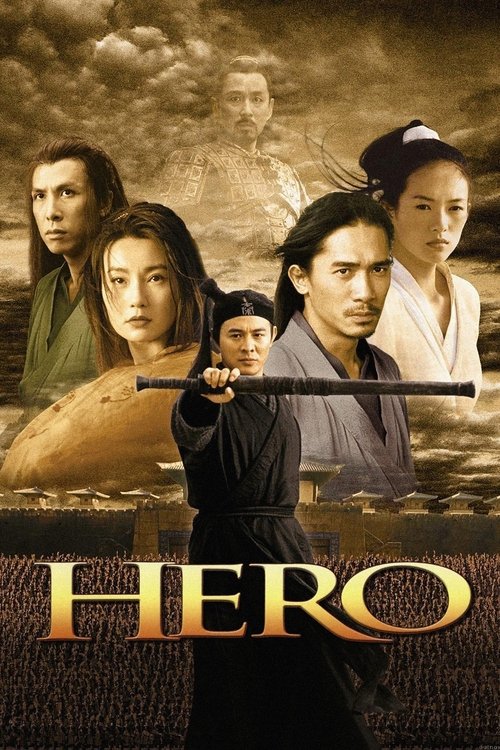
Hero2002
Zhang Yimou's color-coded, Rashomon-structured epic offers the same scale and painterly ambition, with fight choreography staged as formally as ballet.
But Its politics have aged awkwardly for some viewers, and the repeated-story structure can feel more clever than moving.
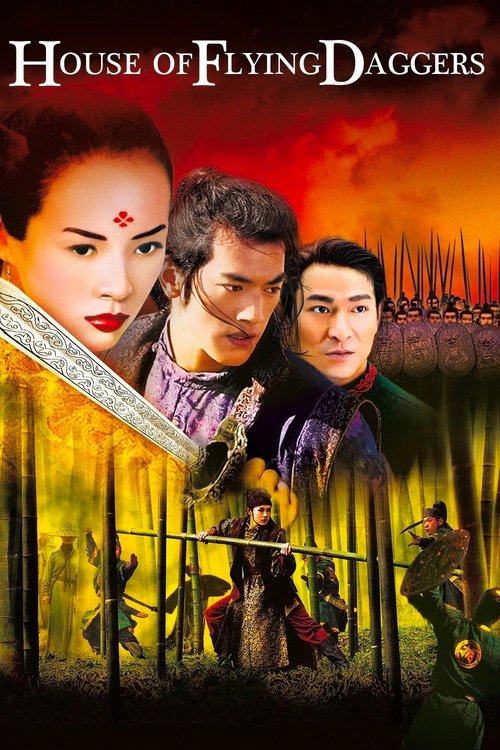
House of Flying Daggers2004
Zhang Yimou again, this time pure melodrama and color — a doomed love triangle staged through some of the most beautiful action choreography ever filmed.
But Leans hard into romance and spectacle over the spiritual weight A Touch of Zen slowly builds toward.
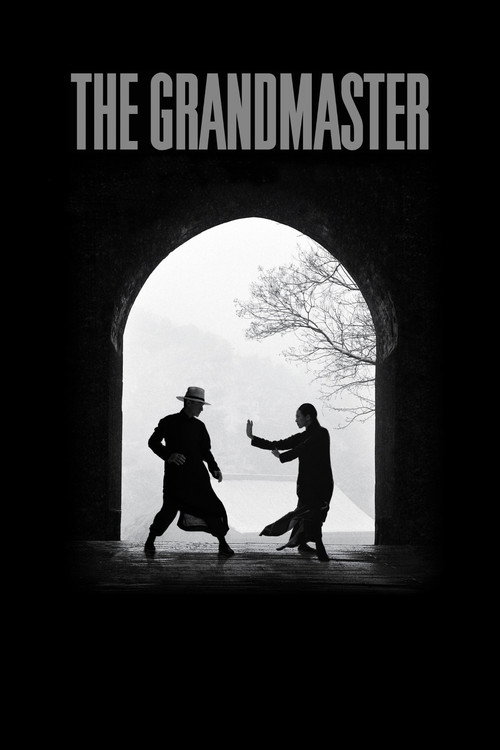
The Grandmaster2013
Wong Kar-wai's take on Ip Man is less biopic than mood piece — regret, discipline, and gorgeous slow-motion violence held in careful balance.
But Fractured chronology and a romance that can overshadow the martial arts for long stretches at a time.
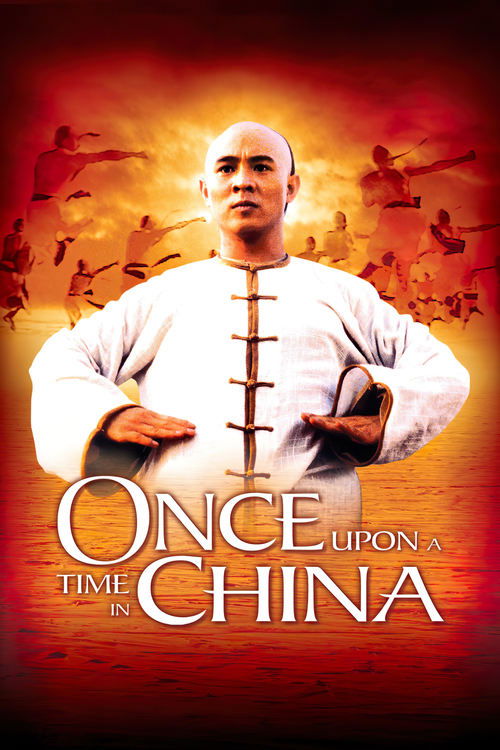
Once Upon a Time in China1991
Tsui Hark's rowdier, more purely entertaining take on the genre — Jet Li at his most kinetic, with none of the meditative slowness.
But Broader and goofier than anything in A Touch of Zen; if you came for spiritual gravity, this won't give it to you.
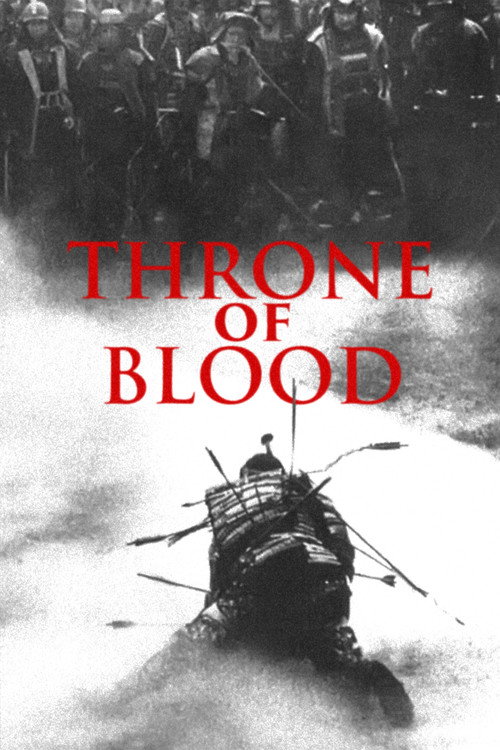
Throne of Blood1957
Both directors use landscape and elemental forces as active moral participants rather than backdrop, treating the swordplay film as a vessel for something closer to religious inquiry.
Kurosawa's Macbeth-in-feudal-Japan predates King Hu's spiritual ambitions by over a decade, using fog, wind, and formal composition to turn swordplay into moral reckoning rather than spectacle.
But Black-and-white and theatrical in its performances, closer to Shakespearean tragedy than martial arts thrill.
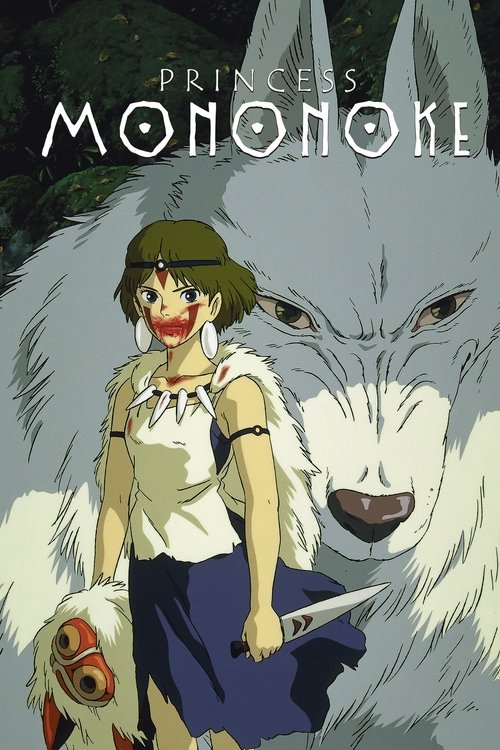
Princess Mononoke1997
Both end with the natural world — forest, spirits, bamboo — becoming the true battleground, where human corruption gets answered not by cleverer swordplay but by something closer to the sacred.
A hunted, morally serious warrior-woman defends a sacred forest against corrupt human ambition — Miyazaki's animated epic hits nearly every beat of A Touch of Zen's final act, rendered in ink and cel.
But It's a Studio Ghibli film aimed partly at younger audiences, which some adults dismiss before giving it real credit.
People
Cast
 Hsu FengYang Hui-zhen
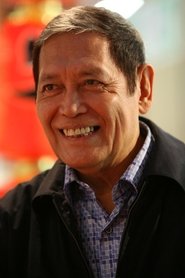 Shih ChunGu Sheng-zhai
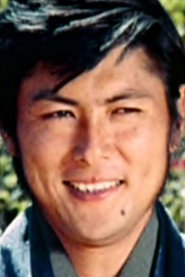 Pai YingGeneral Shi Wen-qiao
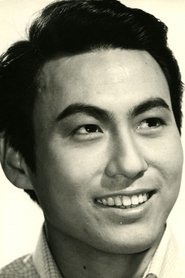 Tien PengOuyang Nian
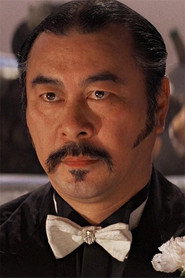 Roy ChiaoAbbot Hui-yuan
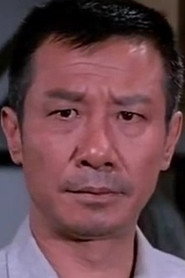 Tsao ChienMagistrate Xu Zheng-qing
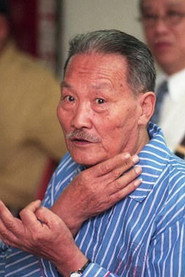 Miao TianNie Qiu (Men Da's Advisor)
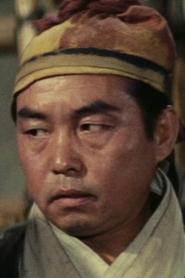 Melvin Chang Yun-WenTao Lung
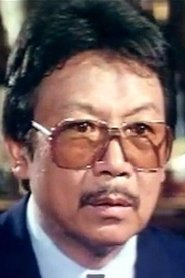 Hsueh HanGeneral Lu Ding-an
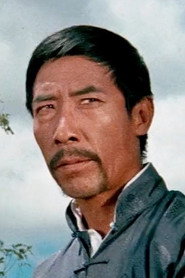 Han Ying-ChiehChief Commander Xu Xian-chun
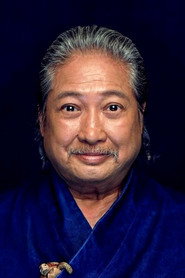 Sammo HungCommander Xu's Bodyguard (uncredited)
- Chang Ping-YuGu Sheng-zhai's Mother
Writing
- Pu SonglingNovel
- King HuScreenplay
Production
- Yang Hsi-ChingExecutive Producer
- Ha Ng Leung-FongProducer
Recommended by
House of Flying Daggers, Come Drink with Me, Word of Honor, The Assassin, Dragon Inn, New Dragon Gate Inn, The Road Home, The Hidden Sword, The Duel, Duel to the Death, Winners & Sinners, Butterfly Lovers