
Film
Once Upon a Time in China
A gorgeously staged folk-hero myth wearing an action film's clothes: Jet Li's Wong Fei-hung defends Canton against gunboats, opium and colonial swagger using fists, wirework, and enormous style. Tsui Hark choreographs it like a musical of violence — bamboo-scaffold brawls, group formations, nationalist fervour, and a surprising streak of comedy. For anyone who wants their kung fu operatic, political, and ridiculously fun.
If you liked this
Fist of Legend1994no page yet
Jet Li plays a student avenging his master against contemptuous foreign fighters — same fury at colonial arrogance, but stripped of wires, faster, meaner, and often cited as the decade's finest pure martial-arts choreography.
But Grittier and colder than Wong Fei-hung's warmth — less myth and humour, more clinical brutality.
Iron Monkey1993no page yet
A gleeful prequel-in-spirit to the Wong Fei-hung legend, with young Fei-hung himself as a supporting character, and Yuen Woo-ping's airborne, gravity-mocking action at its most joyous.
But Thinner plot and broader comedy — pure pleasure but with less ambition than Tsui Hark's film.
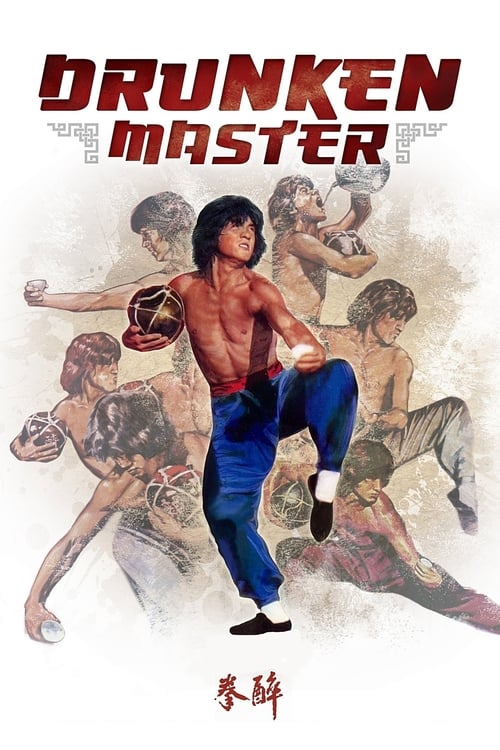
Drunken Master1978
Jackie Chan's breakout as a young, reckless Wong Fei-hung, decades before Li's version — slapstick, brutal training sequences, and the drunken-boxing style that made him a star.
But Rougher production values and a much goofier tone; this is comedy first, myth second.
The wildcard
Something you would not have found on your own.
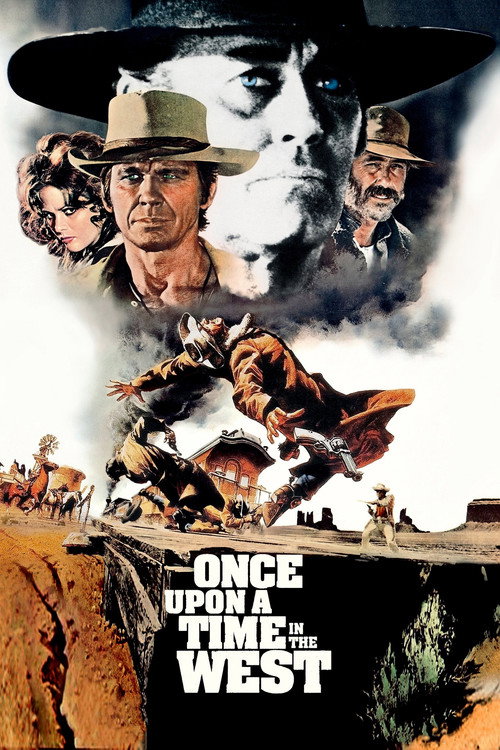
Once Upon a Time in the West1968
Both ask whether an old way of fighting can survive the arrival of guns and outside money — Tsui Hark just answers with kung fu instead of a six-shooter.
Leone's operatic Western tells the same story in a different hat: old codes of honour crushed by railroads, guns and foreign capital, at epic, unhurried scale with Morricone's score doing half the work.
But Nearly three hours of slow-burn silence and stares; if you came for fists, the violence here is all gunpowder.
More like this (7)
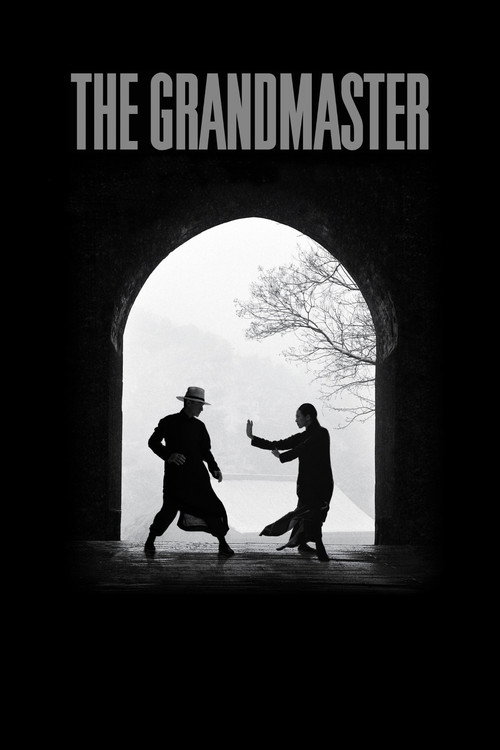
The Grandmaster2013
Wong Kar-wai's Ip Man biography treats kung fu as memory and heartbreak rather than spectacle — same turbulent China, same threatened schools, slowed into something achingly beautiful.
But Fragmented and melancholic, with fewer fights than the trailer promised — a mood piece, not an actioner.
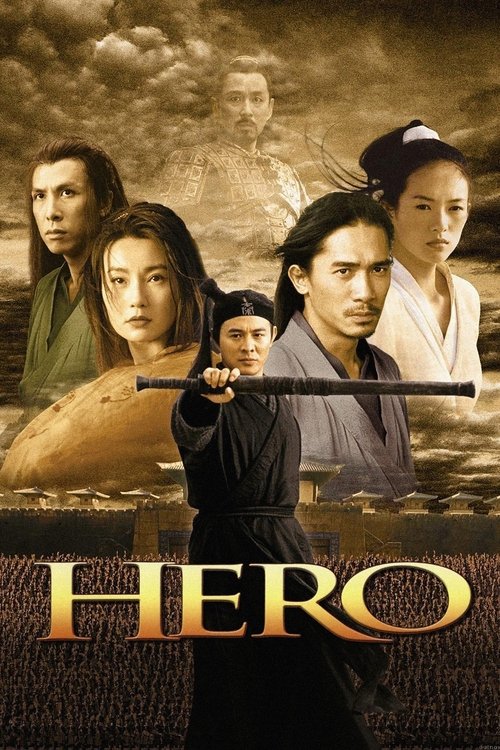
Hero2002
Zhang Yimou's wuxia epic trades Canton's alleyways for imperial China and turns every duel into a colour-coded painting — gorgeous, mythic, and unafraid of grand political ideas.
But Cooler and more abstract than Tsui Hark's earthy chaos; some find its symmetry a little airless.
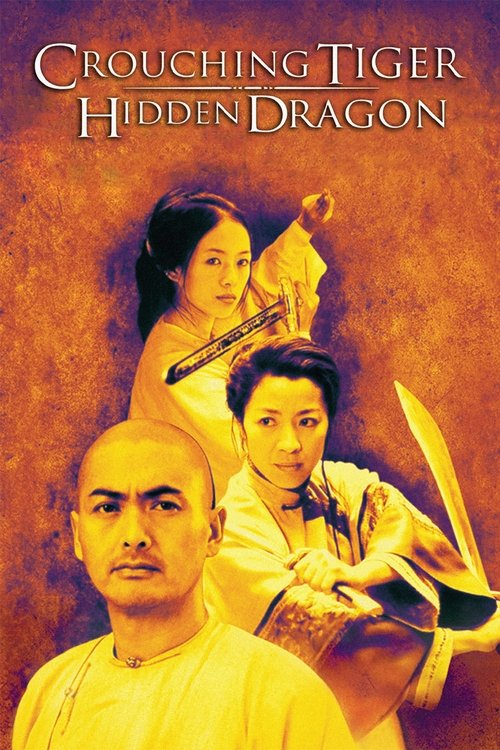
Crouching Tiger, Hidden Dragon2000
The wuxia film that introduced most Western audiences to the genre — tragic romance, treetop swordplay, and a sense of honour and loss that lingers long after the fights end.
But Elegant and mournful rather than rowdy; if you wanted more Fei-hung swagger, this is quieter company.
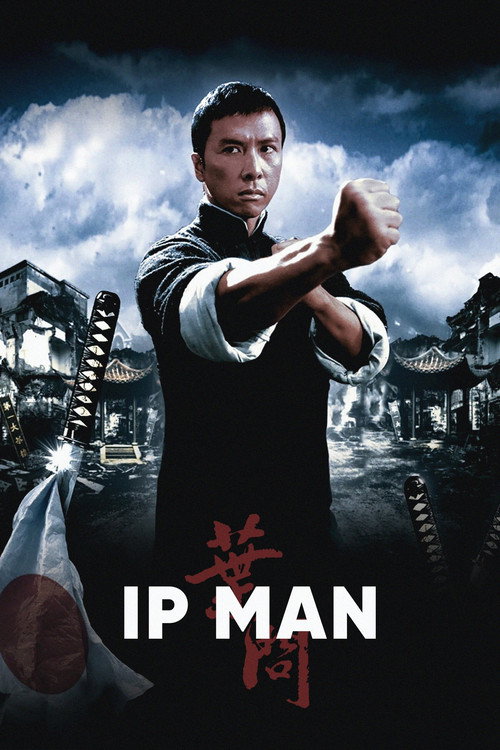
Ip Man2008
Donnie Yen's take on another real Cantonese kung fu legend defending his community against foreign brutality — the direct spiritual cousin of Wong Fei-hung's story, told with brutal efficiency.
But More nationalist and single-minded, with less of Tsui Hark's playfulness or comic relief.
The Legend of Drunken Master1994no page yet
Jackie Chan's late, great return to Wong Fei-hung, smashing colonial art thieves through a glass factory — pure stunt-comedy joy with an anti-imperial backbone.
But Broader and sillier than Li's version; treat it as a companion piece, not an equivalent.
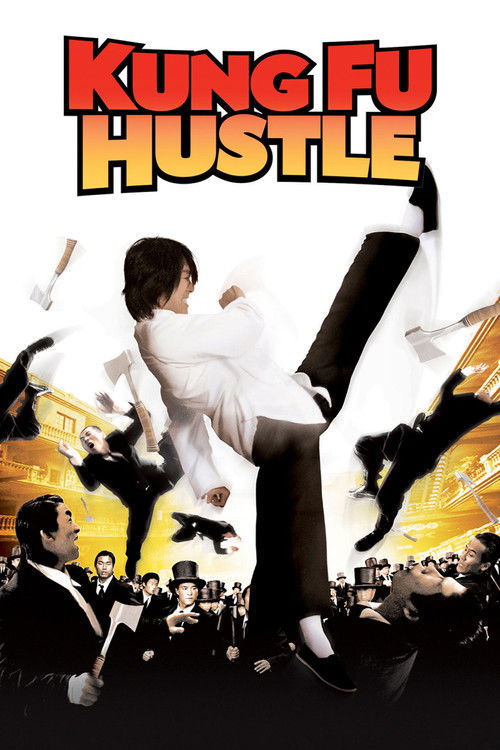
Kung Fu Hustle2004
Stephen Chow's cartoonish tribute to the whole genre, gleefully quoting Wong Fei-hung-style heroics while turning the volume up to absurd — the myth played as slapstick opera.
But So broadly comic it barely resembles the earnest original spirit; pure silliness, little pathos.
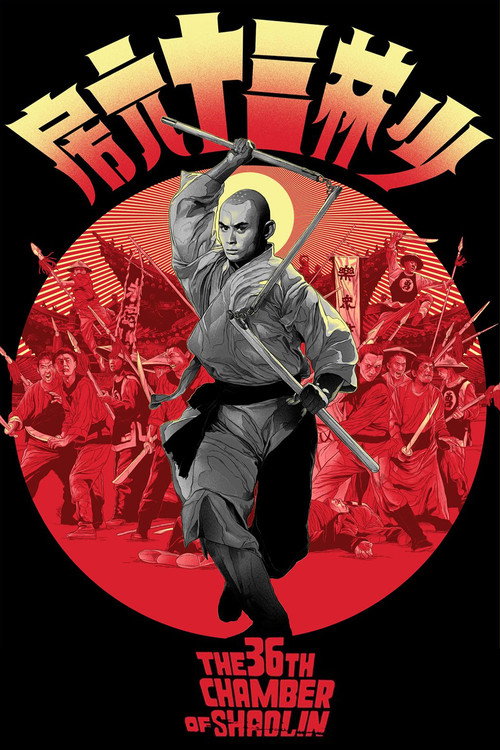
The 36th Chamber of Shaolin1978
Wong Fei-hung's school and its rituals descend directly from this earlier temple-and-discipline template — same DNA, over a decade before Tsui Hark polished it into myth.
The Shaw Brothers classic that invented the training-hall mythology Tsui Hark is riffing on — rougher, slower, and utterly sincere about discipline itself as a form of resistance.
But Dated effects and a much plainer visual style; this is the ancestor, not the remaster.
People
Cast
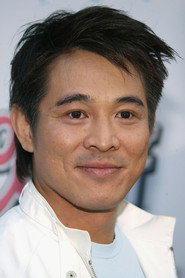 Jet LiWong Fei Hung
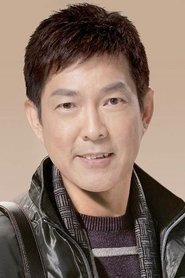 Yuen BiaoLeung Foon
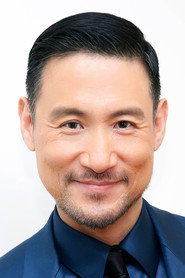 Jacky Cheung Hok-YauBuck Teeth So
 Rosamund Kwan Chi-Lam13th Aunt
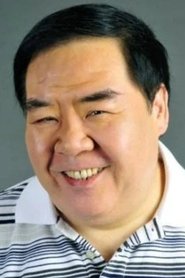 Kent Cheng Jak-SiPorky Wing
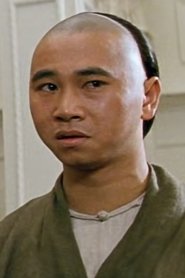 Yuen Gam-FaiLing Wan Kai
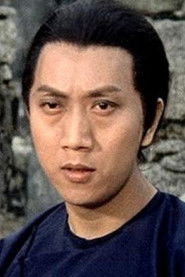 Yen Shi-KwanIron Robe Yim Chun Tung
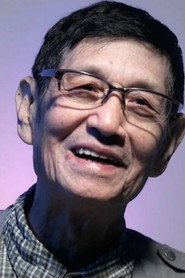 Lau ShunNaval Commander Lau
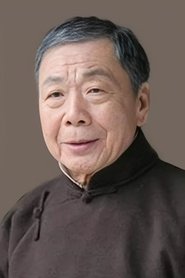 Wu MaGrand Uncle Chueng
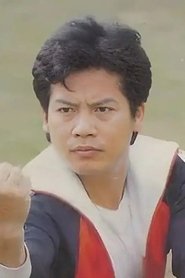 Yau Gin-GwokShaho Gang Leader
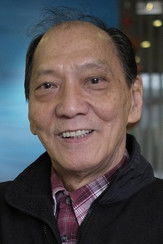 Yuen Cheung-YanYim's Opponent
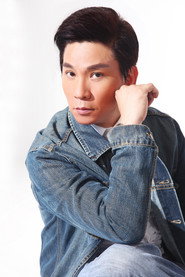 Karel Wong Chi-YeungGovernor
Directing
- Tsui HarkDirector
Writing
- Edward Leung Yiu-MingWriter
- Elsa Tang Bik-YinWriter
- Tsui HarkWriter
- Yuen Kai-ChiWriter
Production
- Raymond ChowProducer
- Tsui HarkProducer
Recommended by
Kung Fu Hustle, Come Drink with Me, Project A, Drunken Master, Ip Man, Police Story 3: Super Cop, Drunken Master III