
Film
A Chinese Ghost Story II
A 1990 Hong Kong fantasy-action romp where heartbreak meets martial mayhem. Leslie Cheung's lovesick swordsman stumbles into chaos with a pair of feisty women, battling supernatural forces with wire work, comedy, and genuine emotion tangled together. It's opera-level melodrama meets Jackie Chan-style invention: operatic, visually dazzling, unapologetically sincere about longing and loss.
If you liked this
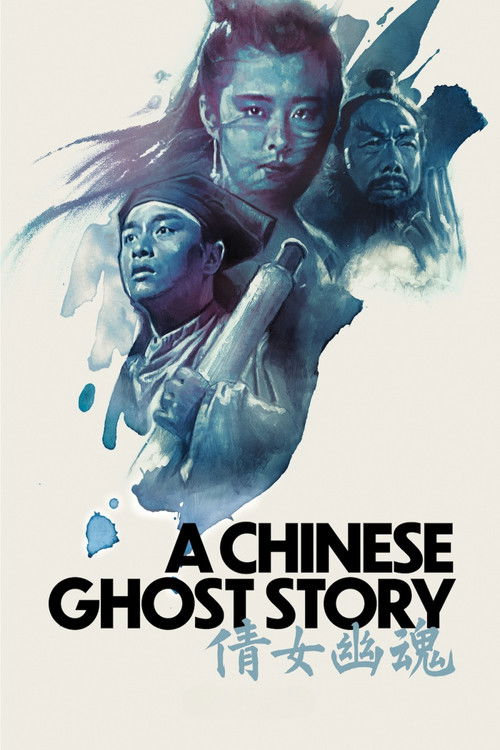
A Chinese Ghost Story1987
The original that started it all. Combines tragic romance, horror, and acrobatic action into something that feels genuinely invented. Leslie Cheung is magnetic, the mood swings are real, and it moves like nothing else from its era.
But Subtitled, visually dense, and tonal whiplash that takes adjustment. The romantic tragedy can feel overwrought if you're expecting pure action.
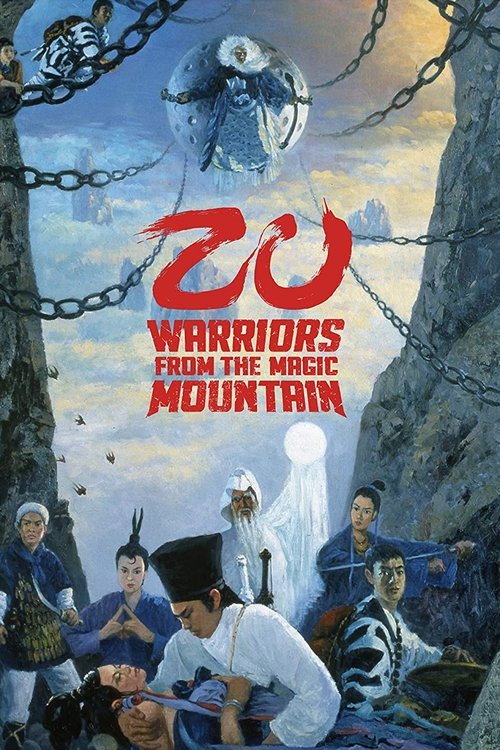
Zu: Warriors from the Magic Mountain1983
Tsui Hark's maximalist fantasy breakthrough: impossible wire work, surreal creature design, and pure visual storytelling. If Ghost Story II's energy appeals, this is where that energy was born. Wildly inventive and unforgettable.
But Genuinely chaotic plotting and dated effects that don't always land. Requires active watching; it won't hold your hand.
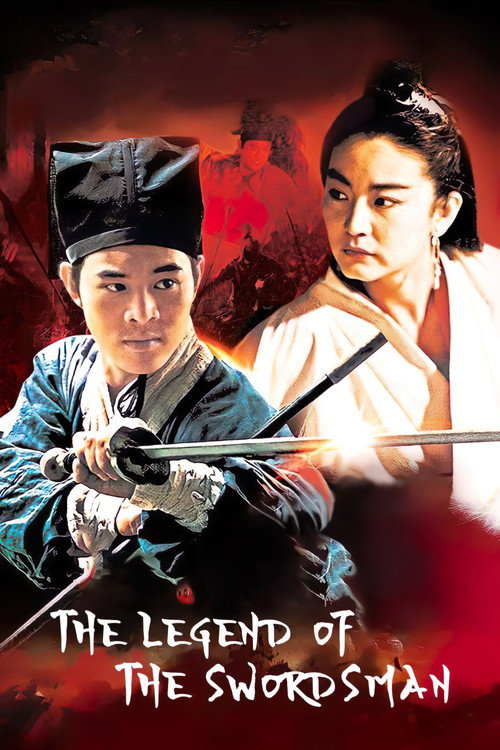
The Legend of the Swordsman1992
Another Tsui Hark masterpiece, starring Jet Li in one of his most explosive roles. Gender-bending villainy, impossible action sequences, and the same gleeful tone-mixing that makes Ghost Story II sing. Visually baroque and genuinely funny.
But Sequel-itis and some dated comedy styling. The high-wire action-comedy can feel exhausting if you're not in the right headspace.
Not sure tonight? Get a pick in a minute, starting from A Chinese Ghost Story II
The wildcard
Something you would not have found on your own.
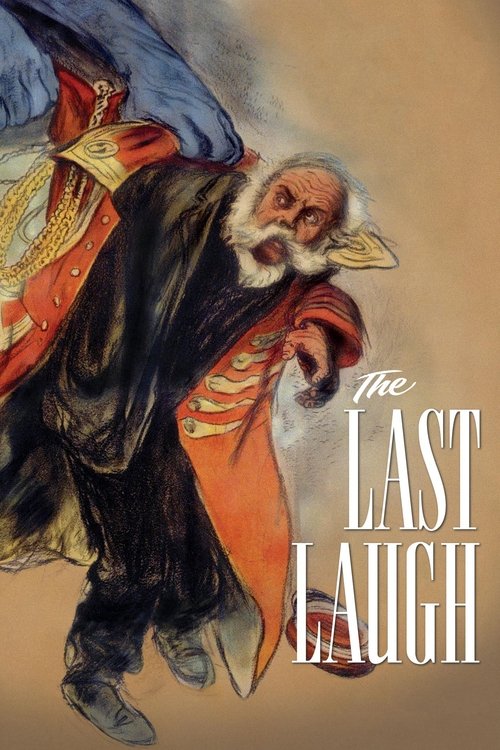
The Last Laugh1924
Both films reject tonal consistency as a liability. Heartbreak, comedy, and spectacular action coexist in the same frame. Both prove cinema's power lies in visual invention, not exposition.
F.W. Murnau's silent masterpiece: no plot exposition cards, pure visual storytelling. Like Ghost Story II, it trusts the image to convey heartbreak and redemption. The tone shifts—dignity to slapstick to tragedy—are handled with devastating grace.
But Silent film. No dialogue. If you've never engaged with silent cinema, the pacing and acting conventions require recalibration. 96 minutes that feel longer than they are.
More like this (7)
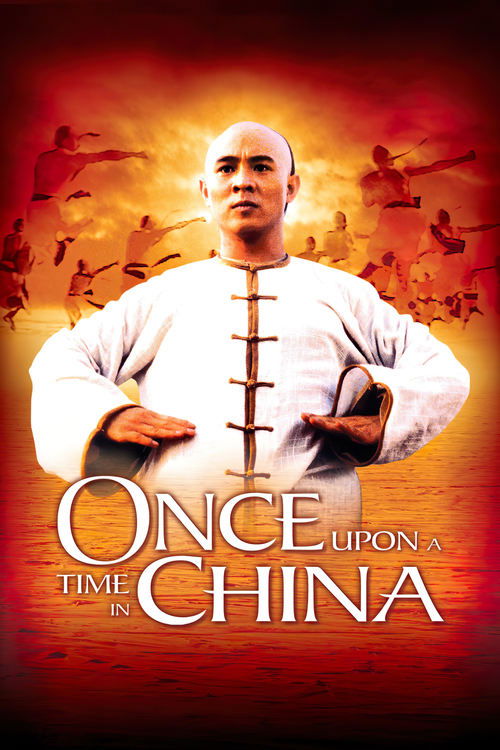
Once Upon a Time in China1991
Jet Li as Wong Fei-hung: balletic action, historical fantasy blended seamlessly, and genuine charisma. The choreography rivals Ghost Story II's wire work, and the emotional stakes feel earned beneath the spectacle.
But Subtitled. The pacing is deliberate; action fans wanting wall-to-wall combat will find slower stretches.
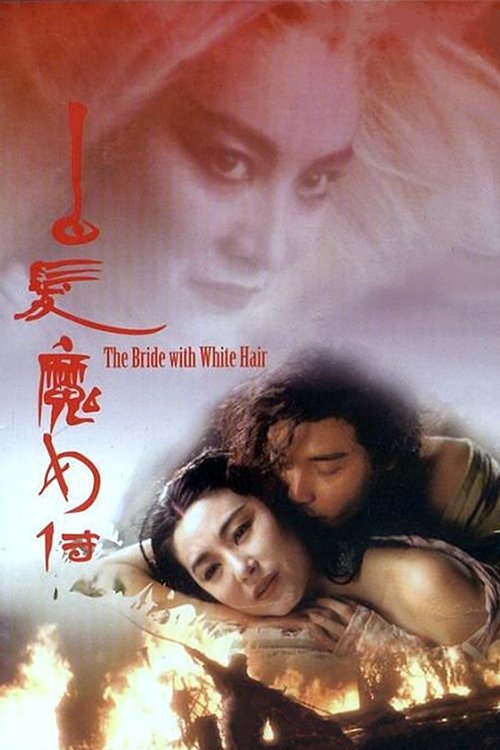
The Bride with White Hair1993
A tragedy-soaked martial arts romance with astonishing visuals and committed performances. The doomed love echoes Ghost Story II's heartbreak, but cranks the atmosphere and production design into the stratosphere. Genuinely haunting.
But Slower and more Gothic than Ghost Story II's comedy. Expects patience with melancholy. Some violence is brutally unglamorous.
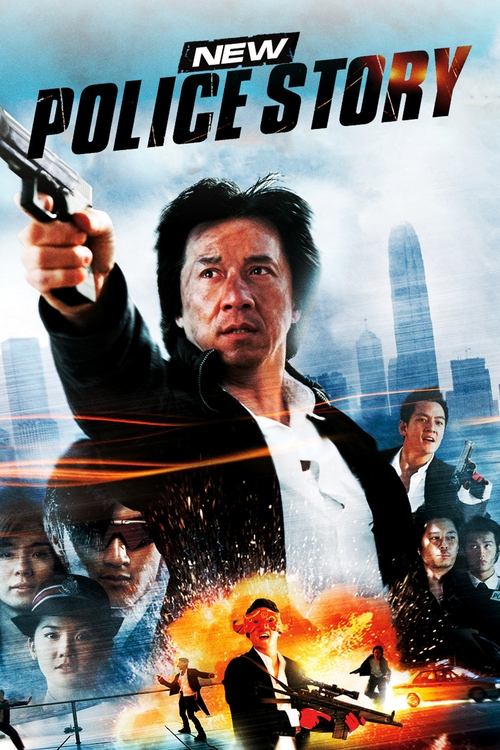
New Police Story2004
Jackie Chan's later masterpiece. Brutal action, real emotion, and genre-blending that recalls Tsui Hark's 80s work. Chan's aging cop carries genuine trauma beneath the spectacle. The set pieces are inventive feats.
But Darker and more serious than Ghost Story II. Some viewers find post-2000 Chan films repetitive in structure.
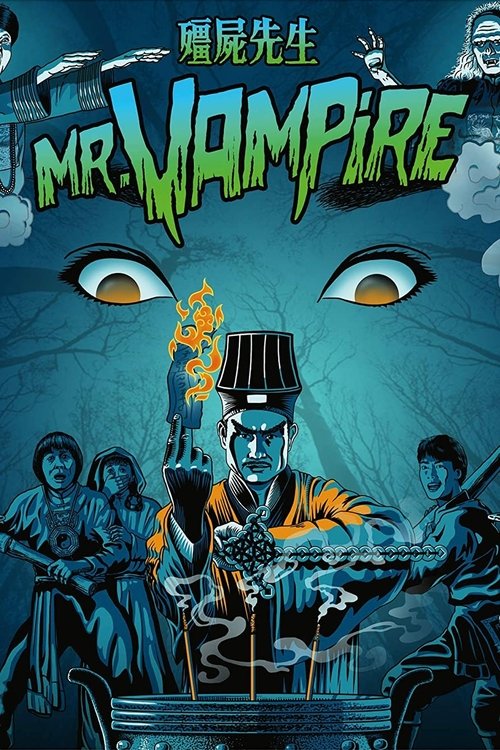
Mr. Vampire1985
The comedy-horror-action template Hong Kong perfected. Ricky Hui, Lam Ching-ying, and Chow Yun-fat battling jiangshi with deadpan slapstick and genuine scares. Tonally fearless and endlessly inventive.
But Broad comedy that hasn't aged as smoothly. Subtitles essential. Some gags land softly now.
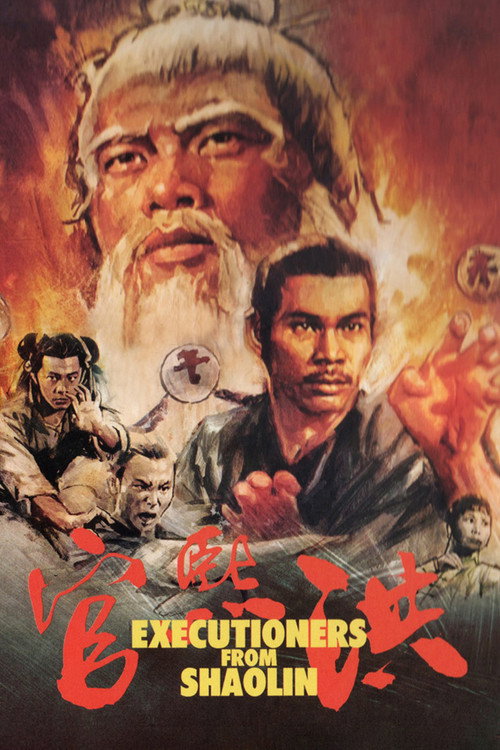
Executioners from Shaolin1977
A proto-Ghost Story II: martial arts, supernatural elements, emotional depth, and surprising comedy. Shows how 80s Hong Kong began mixing tones. Gordon Liu's intensity grounds the spectacle.
But Less polished effects than Ghost Story II. Pacing is uneven. Some action sequences feel dated.
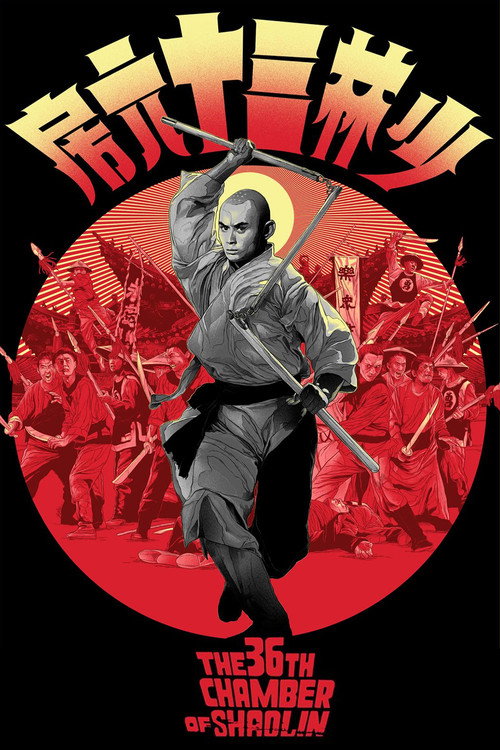
The 36th Chamber of Shaolin1978
Where Ghost Story II blends registers wildly, 36th Chamber commits absolutely to one. Both are about mastery—one through chaos, one through discipline. Both prove you don't need Hollywood structure to make cinema transcendent.
Gordon Liu's methodical kung-fu ballet. Unlike Ghost Story II's wire-assisted chaos, this is grounded martial arts—pure discipline and repetition, then released in combat. The structure is precise, the payoff earned. Hypnotic.
But Minimal plot. Entire middle hour is training montage. If you need narrative drive, this will feel glacial. Very serious tone.
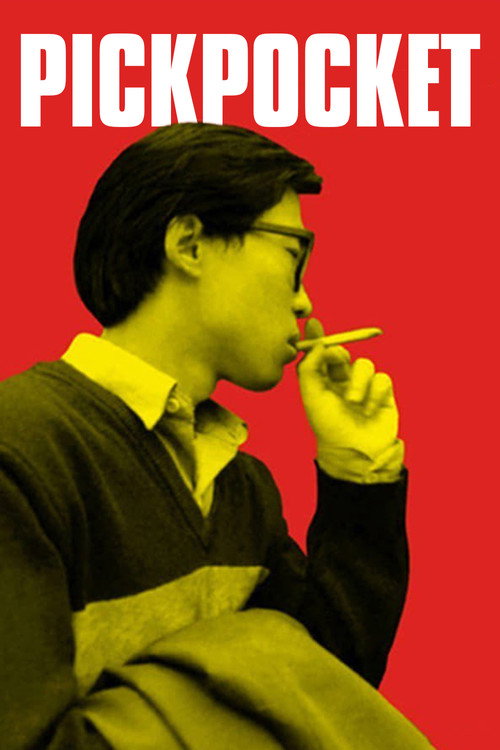
Pickpocket1997
Both are unmistakably Chinese cinema, but Ghost Story II exports ancient mythology and emotion through fantasy spectacle. Xiao Wu exports them through absolute realism. Same culture, opposite languages. Both trust the audience to feel without being told.
Jia Zhangke's handheld portrait of a declining pickpocket in contemporary China. Quiet, observational, devastating—the inverse of Ghost Story II's operatic excess. Shot on video, almost documentary-like, it captures genuine emotional alienation with no sentimentality.
But No plot momentum. No spectacle. Deliberately slow and anti-dramatic. If you watch Ghost Story II for the action and comedy, this will feel like punishment.
People
Cast
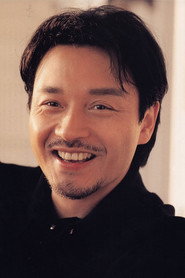 Leslie CheungLing Choi-san
 Joey WongWindy Fu Ching Fung
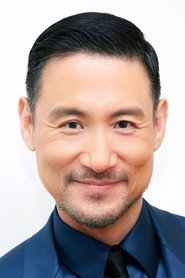 Jacky Cheung Hok-yauAutumn
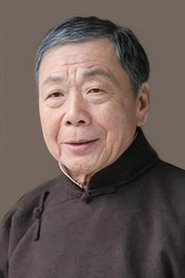 Wu MaSwordsman Yan
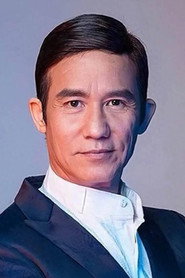 Waise Lee Chi-HungSwordsman Hu
 Michele ReisMoon Fu Yuet Chi
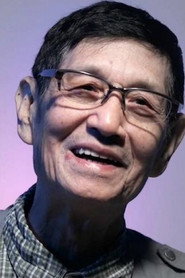 Lau ShunImperial High Priest
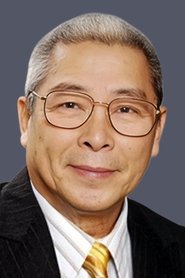 Lau Siu-mingLord Fu Tin Chau
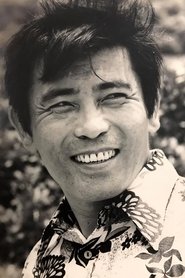 Ku FengElder Chu
- Lau Siu-HungHigh Priest's Disciple
- Wong Yue-ChunHigh Priest's Disciple
 Do Siu-ChunOne of Windy's Men
Directing
- Tony Ching Siu-TungDirector
Writing
- Edward Leung Yiu-MingWriter
- Jason Lam Kee-ToWriter
- Lau Tai-MukWriter
Production
- Tsui HarkProducer