
Film
Pickpocket
Other titles called Pickpocket: the 1959 film.
Jia Zhangke's debut follows a small-town pickpocket in 1990s China as his world contracts. Xiao Wu is skilled but stuck, watching friends graduate to bigger crimes while he remains tethered to petty theft. It's a film about economic anxiety, shame, and the distance between people who once were close. Quietly devastating.
If you liked this
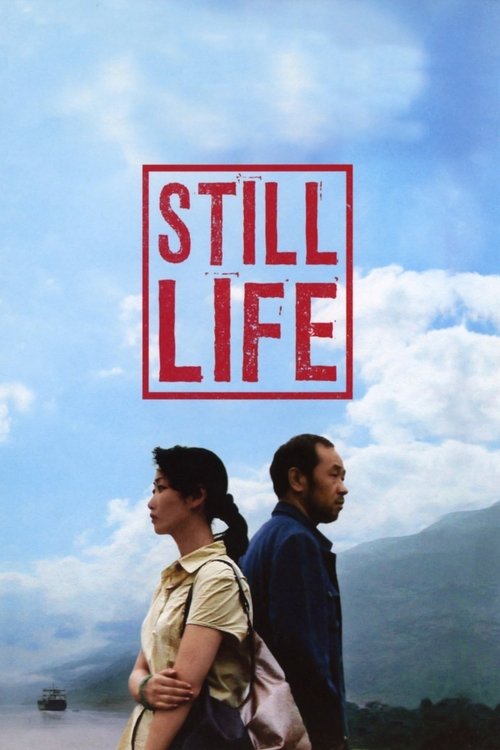
Still Life2006
Also by Jia Zhangke, this one captures a flooded town and its displaced residents with the same patient humanism. A masterwork about people caught between worlds, filmed with extraordinary beauty and stillness.
But Glacially paced and plotless in the conventional sense. If you need narrative momentum or conventional drama, you'll struggle.
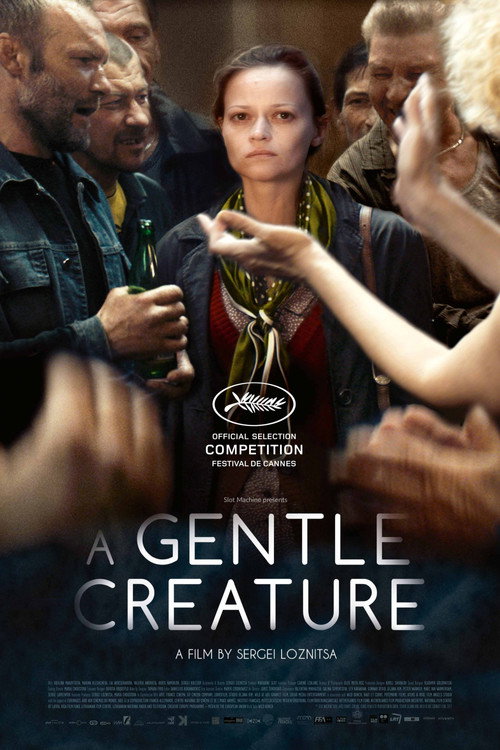
A Gentle Creature2017
Valérie Bruni Tedeschi in a Bresson-inspired film about a woman visiting her imprisoned husband. Understated, psychologically precise, and deeply moving. Hangs entirely on what's unsaid between people.
But French cinema about emotional constriction and long takes. Can feel airless if you're not in the mood for restraint and ambiguity.
Bicycle Thieves1948
The foundational neo-realist film: a father searches Rome for his stolen bicycle. It's about desperation, dignity, and the casual cruelty of poverty. Every frame justifies why cinema exists.
But Post-war Italian neorealism means non-professional actors, minimal plot, and a specific historical moment. If you prefer plot to observation, skip it.

Not sure tonight? Get a pick in a minute, starting from Pickpocket
The wildcard
Something you would not have found on your own.
Come and See1985
Both use economy of dialogue and observational framing to chart a character's moral and spiritual dissolution. Both are about young men in systems that grind them down. Both believe in cinema's capacity to document human damage without sentimentality.
Elem Klimov's apocalyptic film about Soviet children in WWII Belarus. A spiritual sibling to Pickpocket: both are about watching a person's inner world collapse through external pressure. This one is a masterpiece of trauma, sight, and loss.
But One of cinema's most harrowing films. Not hyperbole. Designed to wound and it succeeds. Requires serious emotional fortification and a reason to put yourself through it.

More like this (7)
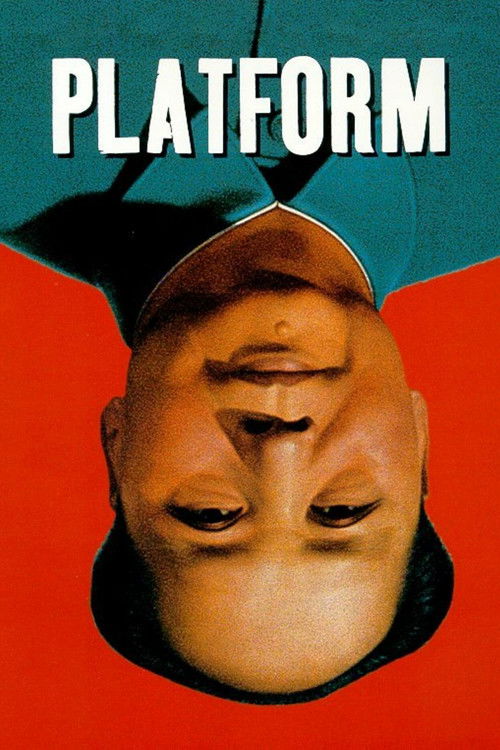
Platform2001
Another Jia film, even more ambitious: follows a traveling theatre troupe through the 1980s as China transforms. It's a chronicle of cultural vertigo, beautifully shot and deeply sad about lost possibility.
But Nearly three hours of long takes and sparse dialogue tracking characters' slow drift apart. Demands patience and rewards it, but demands it first.
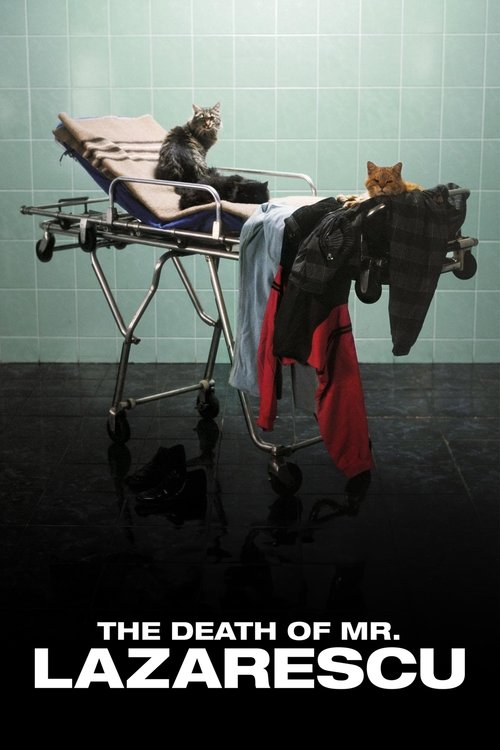
The Death of Mr. Lazarescu2005
A Romanian film about an old man's night in a hospital. Sounds bleak, and it is, but it's also darkly funny and humane. Cristi Puiu observes bureaucracy and indifference with surgical precision and unexpected tenderness.
But Shot in real time, mostly in fluorescent hallways. Medical waiting-room cinema is as unglamorous as it sounds, and it drags intentionally.
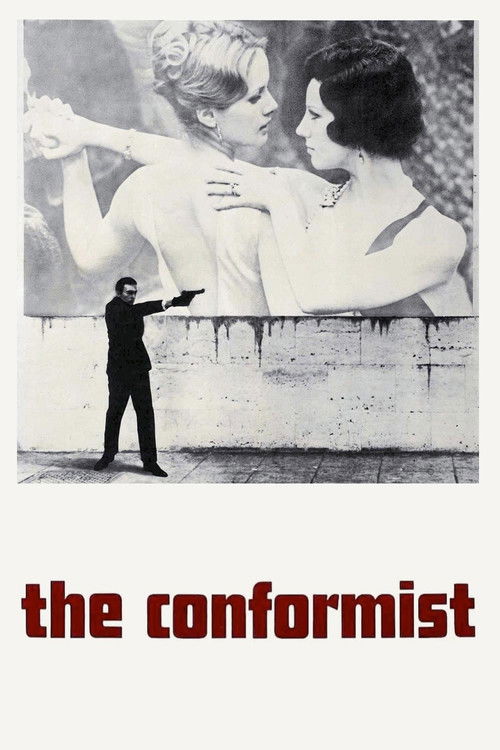
The Conformist1971
Bertolucci's masterpiece about a man's spiritual and moral paralysis under fascism. Dense, visually gorgeous, psychologically complex—about the seductive ease of going along, and what it costs.
But European art cinema that requires active decoding. The plot matters less than the symbology, which can feel like work if you're tired.
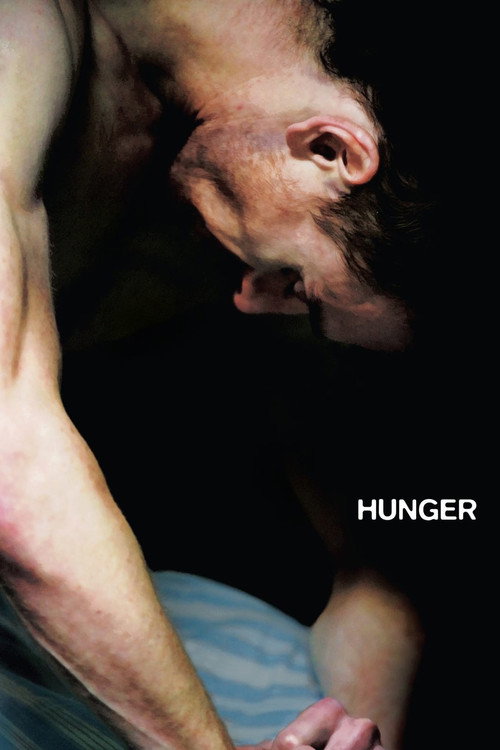
Hunger2008
Steve McQueen's debut: a portrait of Bobby Sands' hunger strike in Long Kesh prison. Formally audacious, morally serious, and never exploitative about suffering. One of the great political films.
But Graphic depictions of bodily degradation and a difficult final act that tests every viewer. It's meant to unsettle you, and it will.
A Prophet2009
Jacques Audiard's prison film about a young man's rise and moral compromise. Superbly acted, thrillingly shot, and surprisingly entertaining while staying serious about power and corruption.
But A conventional narrative in prison-drama form. If you've seen several prison films already, it hits familiar notes even though it executes them brilliantly.

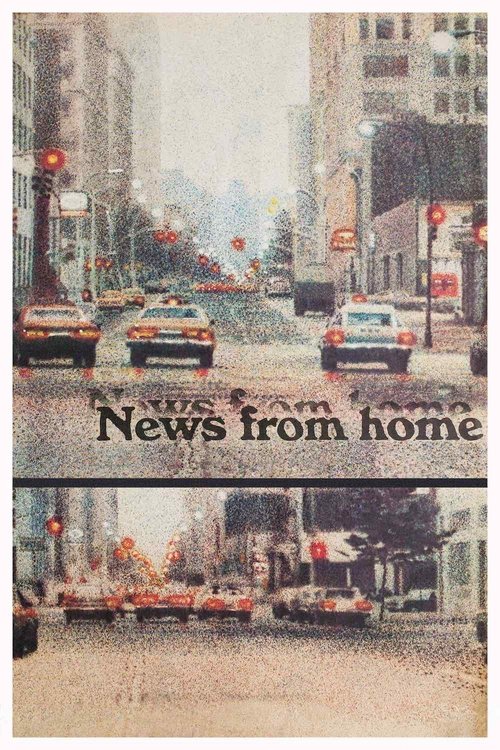
News from Home1976
Both are about absence and small betrayals. Both use formal constraint to capture emotional life. Akerman's film is what happens if you film Jia Zhangke's emotional register but strip away plot entirely. Both trust the audience to sit with loneliness.
Chantal Akerman's experimental essay-film: letters from her mother read over fixed shots of New York streets. Sounds glacial, and it is, but it's also achingly intimate—about distance, time, and how we fail each other.
But Structurally anti-narrative. Fifty-six minutes of static shots with voiceover. Requires patience to the point of meditation. Not a film; an endurance event that rewards that endurance.
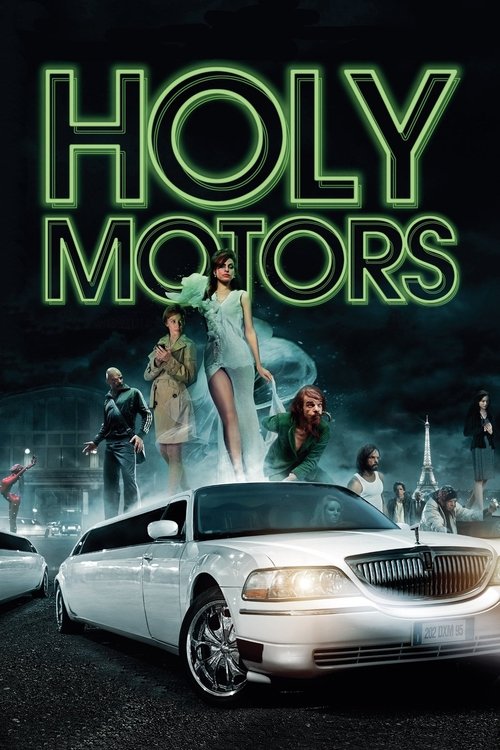
Holy Motors2012
Both films center on a protagonist moving through urban space in a kind of spiritual crisis. Both are about transformation and performance. But where Jia documents the slow death of one self, Carax celebrates multiplication and reinvention. They're opposites about the same underlying fear: that we don't have a solid center.
Leos Carax's fever dream about an actor traveling through Paris in a limousine, slipping into different identities. Looks like chaos but it's precisely choreographed. A film about performance, mortality, and the mask we wear to survive.
But Surreal, stylized, operatic. The opposite of Pickpocket's naturalism. Requires you to surrender to its dream logic rather than decode it. Alienating if you need social realism.
People
Cast
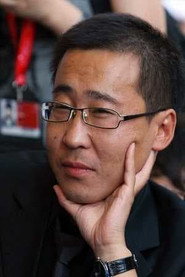 Wang HongweiXiao Wu
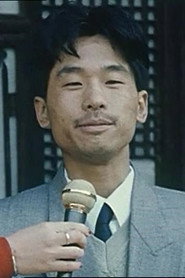 Hao HongjianJin Xiaoyong
- Baitao ZuoHu Meimei
- An QunyanPharmacy Owner
Directing
- Jia ZhangkeDirector
Writing
- Jia ZhangkeWriter
Production
- Jia ZhangkeProducer
- Li Kit-MingProducer
- Wang HongweiProduction Manager