
Film
Holy Motors
- Fantasy
- Strange
Denis Lavant is a shape-shifter ferried through Paris in a limousine, stepping into different bodies and lives for brief, surreal episodes. Leos Carax's fever dream rejects plot and logic for pure cinema: gorgeous, strange, sometimes grotesque, occasionally transcendent. It's for viewers hungry for pure style and willing to sit with mystery.
Should you watch it?
Watch it if you love performance as a kind of shapeshifting magic, where one actor's restless transformations matter more than any tidy plot, and you don't mind being left delightfully unsure what it all means.
Skip it if you want a story that builds steadily toward something; this wanders through disconnected episodes, and its surreal stop-start rhythm can feel more like a puzzle you're left solving alone.
What it asks of you: Nearly two hours sit loose and episodic, each vignette a sealed box that opens onto something odd, so you must surrender to the rhythm rather than track a plot.
Not sure? Find tonight's pick in a minute.
If you liked this
Synecdoche, New York2008
Charlie Kaufman's baroque collapse of identity and creation. Like Holy Motors, it drowns you in nested realities where the artist becomes everything and nothing, and meaning dissolves the harder you chase it.
But It's three hours of controlled chaos that can feel suffocating rather than liberating. Some find it self-indulgent rather than profound.

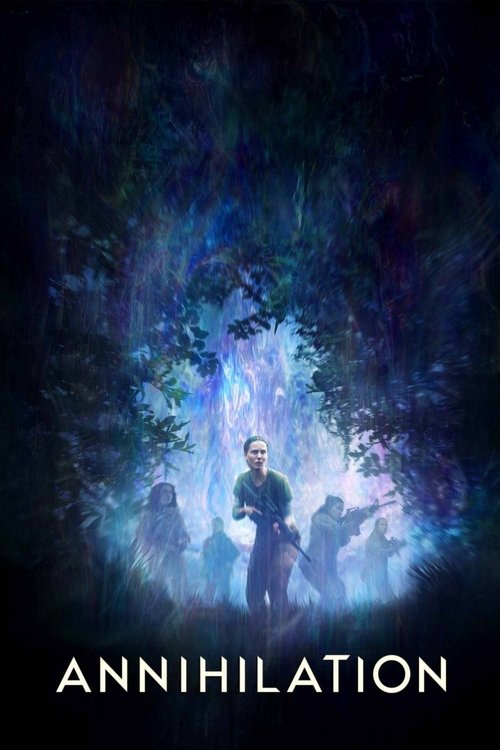
Annihilation2018
Alex Garland's shimmer-logic science fiction about transformation and infiltration. Both films treat the impossible as visual fact and refuse to explain themselves, prioritizing atmosphere over comprehension.
But Its measured, deliberate pacing will feel slow to anyone wanting plot momentum, and the ending confuses as many as it illuminates.
A Ghost Story2017
David Lowery's meditation on time, loss, and persistence. Like Holy Motors, it's formally strange (a ghost under a bedsheet), but uses that strangeness to approach something genuinely profound about being.
But It moves at a glacial pace, and the central conceit—a man as a sheet—can feel gimmicky rather than moving.

Not sure tonight? Get a pick in a minute, starting from Holy Motors
The wildcard
Something you would not have found on your own.
Paprika2006
Both use visual metamorphosis and fractured identity as their central grammar. Where Holy Motors is performed transformation, Paprika is drawn transformation—same ontology, different medium.
Satoshi Kon's animation about dreams bleeding into reality. Lavant's chameleonic reinvention finds its mirror in Kon's impossibly fluid visuals: both films treat consciousness as cinema itself, shape-shifters by nature.
But Anime can feel gimmicky to some. The plot tangles deliberately, and what works as dreamlike abstraction to some reads as incoherent nonsense to others.

More like this (7)
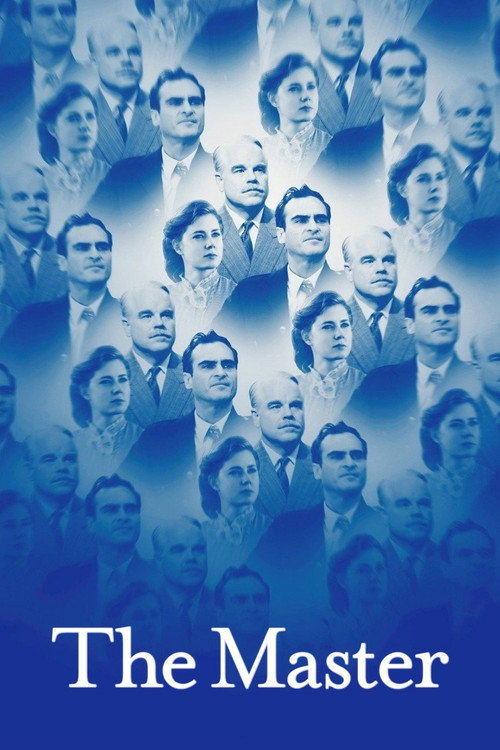
The Master2012
Paul Thomas Anderson's baroque character study of manipulation and reinvention. Phoenix and Hoffman are chameleons in ways that echo Lavant's multiplicity, and Anderson shoots it all with hypnotic precision.
But Its narrative is deliberately opaque, and the power dynamics between the characters can feel tedious rather than fascinating.
Under the Skin2014
Jonathan Glazel's hypnotic sci-fi uses minimal dialogue and maximum image-music dissonance. Like Holy Motors, it trusts viewers to feel rather than understand, and rewards patient, open attention.
But It has virtually no plot and many will find it boring or pretentious, or both. The tonal shifts can feel arbitrary.

Mulholland Drive2001
David Lynch's fractured Los Angeles romance explores identity collapse and reinvention across two realities. The same mood of beautiful, mounting dread, and the same refusal to knit everything into sense.
But It's deliberately frustrating, and three hours of ambiguity can feel like punishment rather than art if you're not in the right headspace.

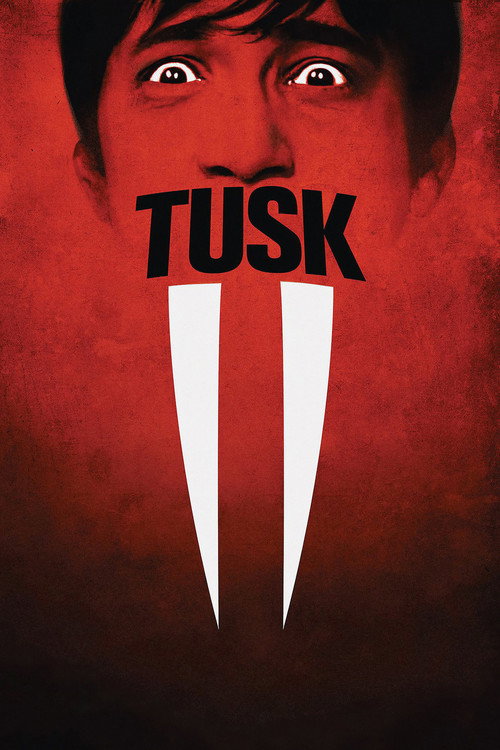
Tusk2014
Kevin Smith's body-horror nightmare about transformation and monstrosity. Takes Denis Lavant's shape-shifting into grotesque, visceral territory where the strangeness becomes almost unbearably physical.
But It's disgusting, absurd, and lacks Holy Motors' grace. Many will find it a waste of time rather than an experience worth having.
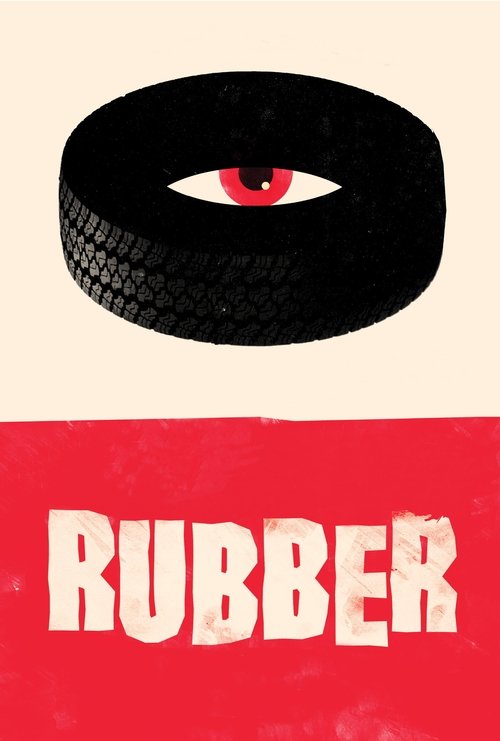
Rubber2010
Quentin Dupieux's deadpan surrealism about a sentient tire. Shares Holy Motors' willingness to ignore logic entirely and just *be*, with dark humor and a shrug toward narrative sense.
But It's a feature film about a killer tire with no real point. If that doesn't immediately appeal to you, ninety minutes will feel like a long joke at your expense.
Come and See1985
Both films feature a protagonist moved through landscapes being transformed by forces they don't control. But where Holy Motors is Paris as surrealist playground, Come and See is history as apocalypse. Same structure inverted: one celebrates transformation, the other documents its horror.
Elem Klimov's Soviet war film follows a boy through apocalypse with hallucinatory intensity. The same vertiginous sense that reality is unstable, that a body can be broken and remade by circumstances beyond control.
But It is genuinely punishing to watch. This is about atrocity, not abstraction. Many will find it too brutal and too real to sit with for two hours.

The Ballad of Little Jo1993
Both treat identity as something you can assume like a suit. But Lavant's transformations are magical, instantaneous, consequences-free. Jo's transformation is hard, permanent, costly. The same question asked—who do we become?—gets asked in the register of fairy tale versus frontier survival.
Maggie Greenwald's revisionist Western about a woman who becomes a man to survive the frontier. Like Holy Motors, it's about identity as costume, as choice, as survival—but rooted in real American history and gender's material weight.
But It's a low-budget period film with a quiet, methodical pace. Those wanting spectacle or conventional narrative thrust will find it austere, even boring.

People
Cast
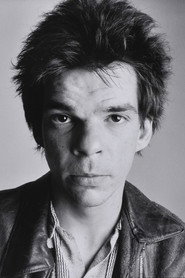 Denis LavantMr. Oscar / Banker / Beggar / Father / Accordionist / Killer
 Édith ScobCéline
 Eva MendesKay M
 Kylie MinogueEva Grace

 Jeanne DissonAngèle
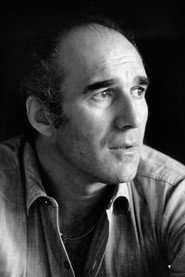 Michel PiccoliMan with the Wine Stain
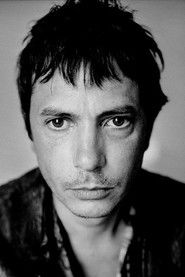 Leos CaraxThe Sleeper / Limousine (voice)
 Nastya Golubeva CaraxLittle Girl
 Reda OumouzouneMo-Cap Acrobat
 ZlataCyber Woman
 Geoffrey CareyHarry T-Bone, Photographer / Limousine (voice)
Directing
- Basile JullienAdditional Third Assistant Director
- Carole ReinhardAssistant Director
- Nadège CatenacciAssistant Director
- Leos CaraxDirector
- Julie GouetFirst Assistant Director
- Yann CheminSecond Assistant Director
- Daniel DarmonSecond Second Assistant Director
- Alexia de KhovrineThird Assistant Director
- Thomas BobrowskiThird Assistant Director
Writing
- Leos CaraxWriter
Production
- Gilles de CaevelAssistant Production Manager
- Jean-Charles BerlanAssistant Unit Manager
- Tristan MinaultAssistant Unit Manager
- Antoinette BoulatCasting
- Elsa PharaonCasting
- Rémi BurahCo-Producer
- Albert PrévostProducer
- Jasbinder Singh MannProducer
- Martine MarignacProducer
- Maurice TinchantProducer
- Albert PrévostProduction Manager
- Paula AmbrosiniProduction Secretary
- Didier AbotUnit Production Manager
- Olivier JacobUnit Production Manager
Recommended by
Vortex, The Man Who Killed Don Quixote, JCVD, Near Death, The Sacrifice, Eraserhead, Swimming Pool, 9 Songs, Lourdes, Divines, Salò, or the 120 Days of Sodom, Winter Song, Shadows of Forgotten Ancestors, The Guest, Annette, La Belle Noiseuse, The Idiots, The Woman in the Fifth, Love Exposure, Resurrection, Father and Son, In My Skin, Lucia, Nazarín, Mauvais Sang, Taxidermia, Kaamyaab, Elena, The Dance of Reality, Nanpakal Nerathu Mayakkam, For Ever Mozart, Pickpocket, Paradise Now, Let the Corpses Tan, Closed Curtain, Pizza