
Film
Father and Son
- Drama
- Slow-burning
Sokurov's 2003 film is a hypnotic, painterly meditation on male intimacy and the terror of separation. A father and son in St. Petersburg navigate the arrival of romantic love and military conscription, their bond tested by the outside world's demands. It's formal, oblique, and emotionally devastating—for viewers patient with ambiguity and visual poetry over plot.
If you liked this
A Prophet2009
Jacquot's masterpiece about a young man's transformation in prison shares Sokurov's fascination with how institutions reshape identity and male relationships. Devastating, beautifully acted, and morally complex.
But It's a two-and-a-half-hour French prison drama with brutal violence. Not everyone's idea of evening entertainment, and it demands attention.

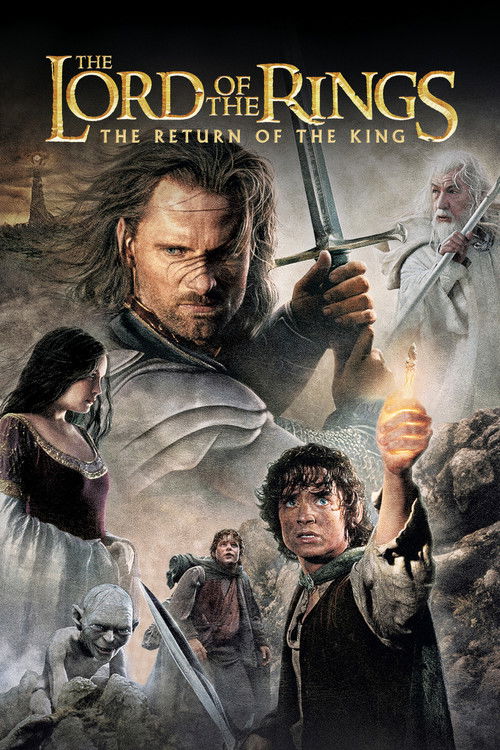
The Lord of the Rings: The Return of the King2003
Zvyagintsev's film about a father returning to his sons after a decade explores masculine silence, authority, and the violence hidden in family bonds. Equally mysterious and heartbreaking.
But The father is unknowable and sometimes harsh. There's real tension here, not comfort, and it ends ambiguously.
Come and See1985
Elem Klimov's Belarusian war film captures the same sense of a young man's innocence colliding with institutional horror. One of cinema's most unflinching portraits of conscription.
But It's genuinely traumatizing. Not a film you recover from quickly, and its violence serves the theme—there's no distance from it.

Not sure tonight? Get a pick in a minute, starting from Father and Son
The wildcard
Something you would not have found on your own.
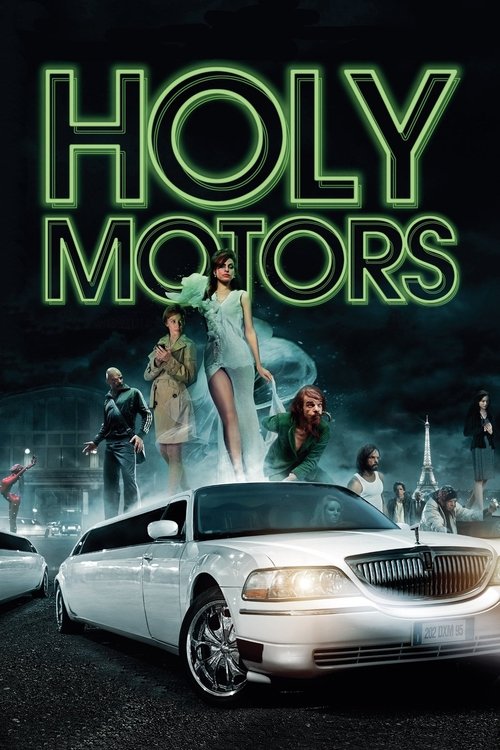
Holy Motors2012
Both films prioritize visual and emotional abstraction over narrative clarity. Each asks what remains true about human connection when plot dissolves.
Carax's hallucinatory film about identity and performance shares Sokurov's dreamlike visual language and formal ambition. Denis Lavant transforms through multiple roles, exploring what intimacy means when identity is fluid.
But It's cryptic to the point of opacity. You'll leave unsure what you've seen, and some interpret that as pretension.
More like this (8)
Stalker1979
Tarkovsky shares Sokurov's patience with duration and visual contemplation. A three-hour metaphysical journey that prioritizes mood and philosophical mystery over narrative.
But It moves at its own pace entirely. Some viewers find it glacial; others consider that the point.

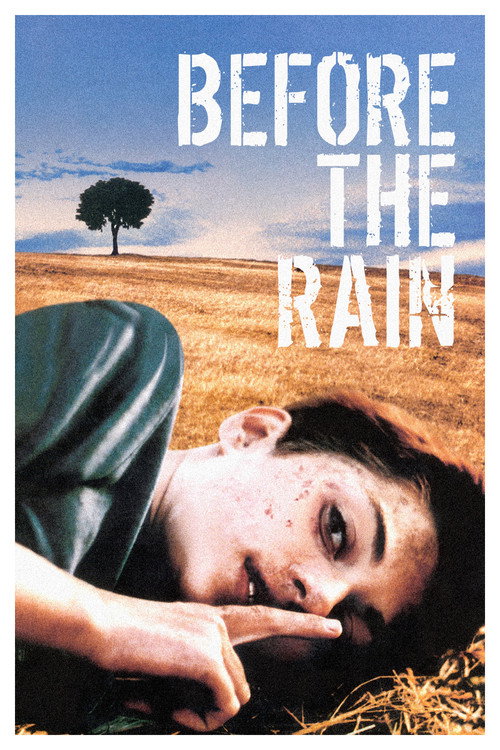
Before the Rain1994
Manchevski's Macedonian film examines love and war with the same poetic formalism. Three interlocking stories about desire, faith, and mortality told in mirror structure.
But It's structurally complex and asks you to sit with loss. The ending is bleak and offers no resolution.
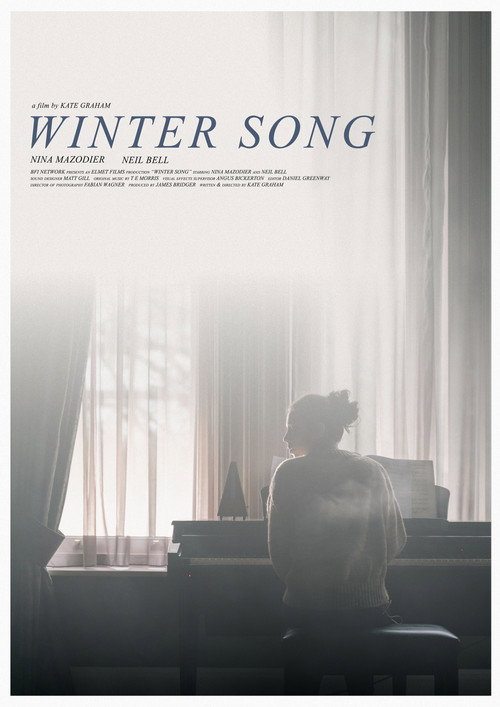
Winter Song2023
Larsen's Danish film about a father and son in isolation echoes the intimacy and claustrophobia of Sokurov's world. Sparse, tender, and quietly devastating.
But Almost nothing happens. It's a mood piece, and a mournful one. Patience required.
Requiem for a Dream2000
Aronofsky's formal inventiveness and exploration of dependency—chemical, emotional, relational—shares Sokurov's interest in how bonds can become traps.
But It's visceral and ugly in ways Father and Son is not. The style can feel manipulative if it doesn't move you.

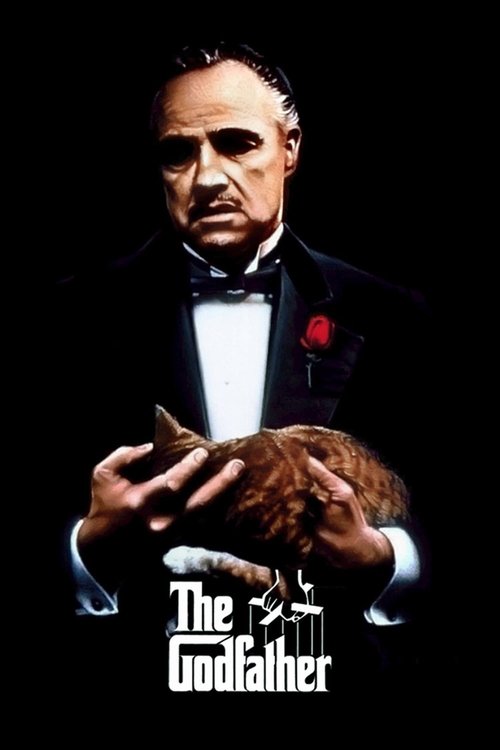
The Godfather1972
Coppola's meditation on fathers and sons as a corrupting legacy. Operatic where Sokurov is dreamlike, but equally focused on how men pass damage down.
But It's three-and-a-half hours and requires patience. Also, everyone's seen it—you might want something fresher.
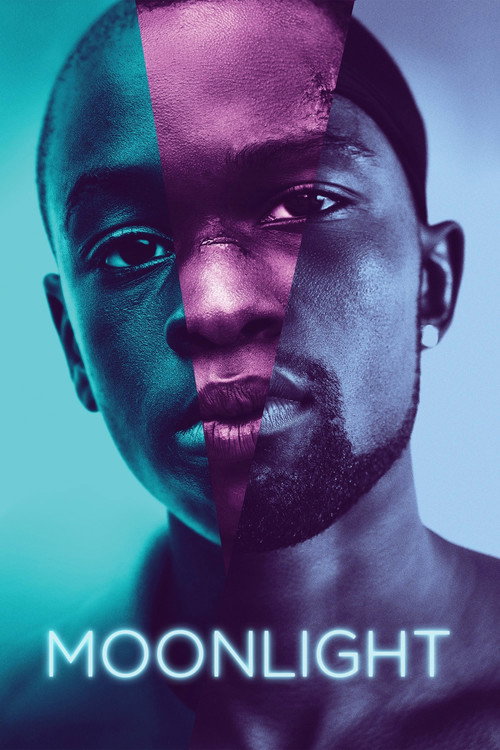
Moonlight2016
Jenkins' three-part film follows a boy into manhood, exploring how masculinity is performed and inherited. Painterly cinematography, sparse dialogue, emotional precision.
But It's fragmented and non-linear. If you want a conventional story, this isn't it.
The Seventh Seal1957
Both are formally austere meditations on absence and separation. Sokurov was reared on Bergman; the emotional architecture is similar, though Sokurov's is more visual and less verbal.
Bergman's medieval parable about death and meaning uses formalist black-and-white composition and philosophical dialogue to create something dreamlike and grave. A father-figure confronts mortality.
But It's Bergman in full existential mode—dialogue-heavy, bleak, and offers no comfort. The style is deliberate in a way that demands you meet it.

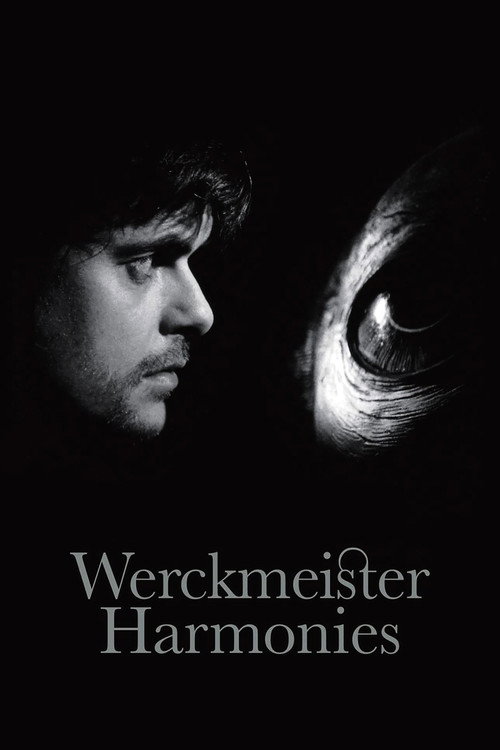
Werckmeister Harmonies2001
Both Tarr and Sokurov use formalist visual style—stillness, long takes, painterly composition—to explore emotional states words can't reach. Both films prioritize atmosphere and metaphor over story.
Béla Tarr's Hungarian epic uses extreme long takes and grayscale cinematography to explore how communities and relationships fracture. Hypnotic, mournful, and visually overwhelming.
But It's nearly three hours of slow cinema with minimal conventional plot. A whale appears inexplicably. This is not mainstream.
People
Cast
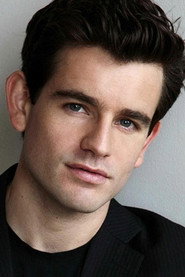
 Andrei ShchetininFather
- Aleksei NeymyshevAleksei, the son
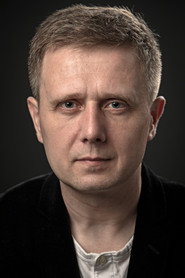 Aleksandr RazbashSasha
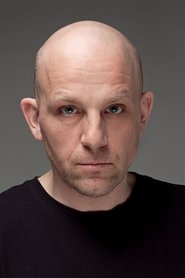 Fyodor LavrovFyodor
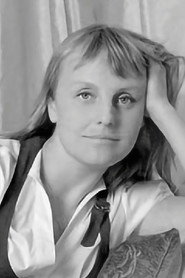
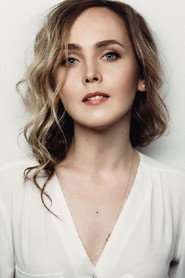 Marina Zasukhinagirl
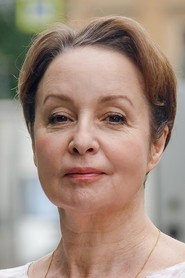 Anna AleksakhinaAnna
Directing
- Aleksandr SokurovDirector
Writing
- Sergei PotepalovScreenplay
Production
- Tatyana KomarovaCasting Director
- Evgeniy GrigorevExecutive Producer
- Fernando CenteioLine Producer
- Thomas KufusProducer