
Film
Turtles Can Fly
- War drama
- Very dark
Bahman Ghobadi's devastating portrait of childhood in a refugee camp near the Turkey-Iraq border, where orphaned children survive by dismantling landmines. It observes their resilience, cruelty, tenderness and moral complexity with unflinching clarity. Essential and harrowing.
Should you watch it?
Watch it if you are drawn to stories where children carry adult-sized burdens, and you want a film that finds dark humor and fierce hope in a war-scarred border town without ever asking for pity.
Skip it if you need a clear plot engine or steady momentum, since it wanders through its village scenes in loose, episodic fragments and leans on mood and image more than on narrative drive.
What it asks of you: Ninety-eight minutes of patient, observational pacing, with a tone that swings between bleak and playful, and it expects you to read faces and small gestures as closely as you would dialogue.
Not sure? Find tonight's pick in a minute.
If you liked this
Come and See1985
Soviet masterpiece about a boy soldier in WWII. Like Turtles Can Fly, it refuses sentimentality while showing how war destroys childhood itself. Visually overwhelming and structurally brilliant.
But Extremely graphic violence and disturbing imagery. Long stretches are almost unwatchable in their intensity.

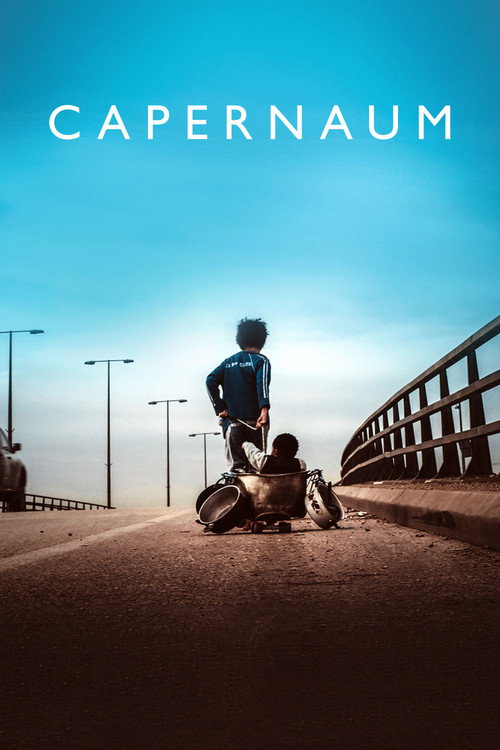
Capernaum2018
Lebanese film about a street child suing his parents for being born into poverty. Shares Turtles' unflinching look at childhood desperation and systemic cruelty, with dark humour breaking the weight.
But The handheld realism can feel relentless. Some viewers find its argument about suffering exploitative rather than illuminating.
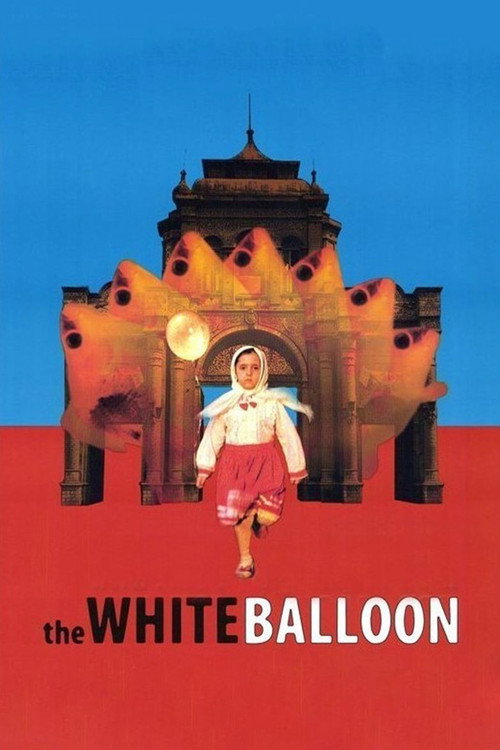
The White Balloon1995
Jafar Panahi's Iranian film follows a girl trying to buy a goldfish on New Year's Eve. Like Turtles, it finds profound humanity in small moments and uses a child's perspective to reveal social structures.
But Very slow pacing. The plot is genuinely thin if you're expecting narrative momentum rather than observation.
Not sure tonight? Get a pick in a minute, starting from Turtles Can Fly
The wildcard
Something you would not have found on your own.
Bicycle Thieves1948
Both are uncompromising documentary-realist portraits of orphaned and abandoned children navigating survival in geopolitically fractured places, told with visual poetry rather than explanation.
Latvian documentary following street children in Riga. Direct observational cinema that shows the same milieu—childhood survival in post-conflict space—through the medium's most honest form. Devastating and unmediated.
But No narrative structure. Difficult to watch children in genuine distress without the distance fiction provides.

More like this (7)
A Prophet2009
French prison drama about a young immigrant's survival and moral compromise. Both films show how systems force children and young people into impossible positions, and how they adapt.
But Brutal prison violence. The protagonist's moral descent may frustrate those wanting a clearer hero.

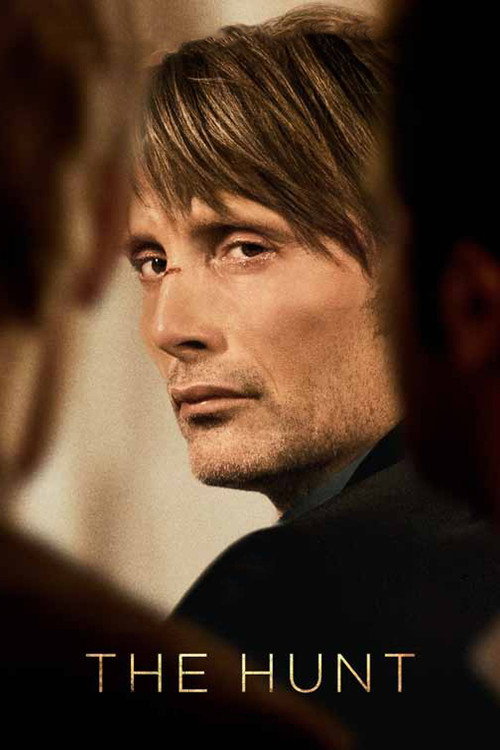
The Hunt2012
Danish film about a man falsely accused of child abuse in a small town. Examines how communities turn on the vulnerable with the same devastating clarity Turtles brings to childhood desperation.
But Difficult viewing about false accusations and mob justice. The ending leaves you hollowed out rather than resolved.
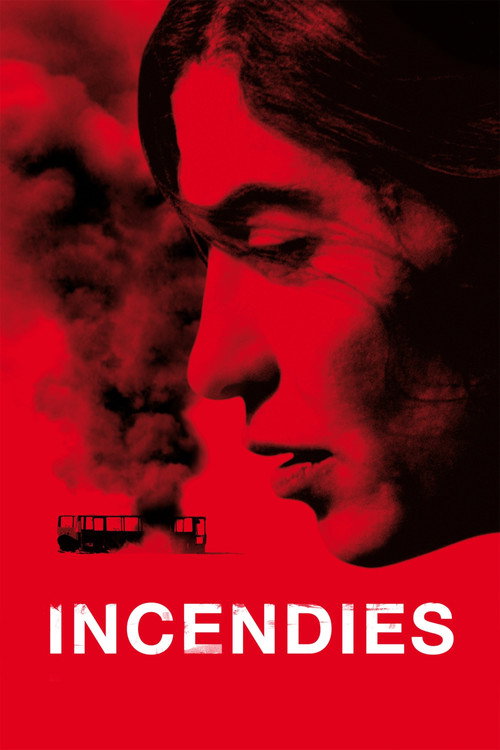
Incendies2010
Denis Villeneuve's Lebanese family tragedy unfolds like a mystery. Both films capture how political violence shatters family bonds and how children inherit their parents' suffering.
But Complex, non-linear structure. The final revelation may feel manipulative rather than moving to some viewers.
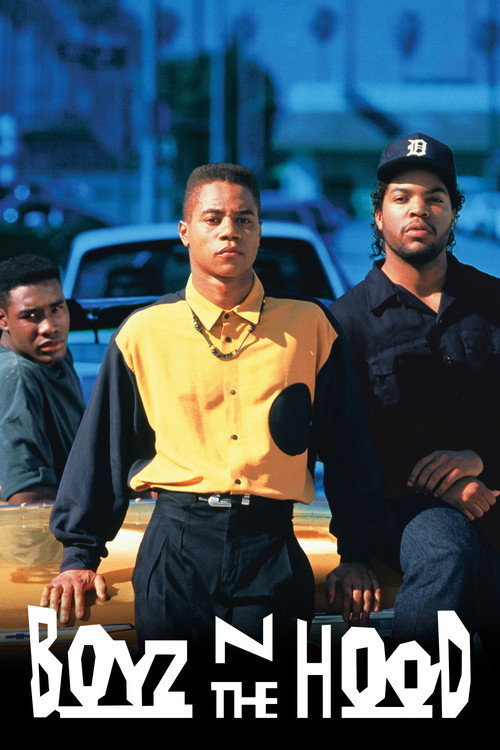
Boyz n the Hood1991
Singleton's LA gang film shows how poverty and systemic racism trap young people into violence. Shares Turtles' refusal to romanticize survival or blame its victims for their circumstances.
But Dated in some visual choices. The didactic dialogue can feel preachy compared to Turtles' subtlety.
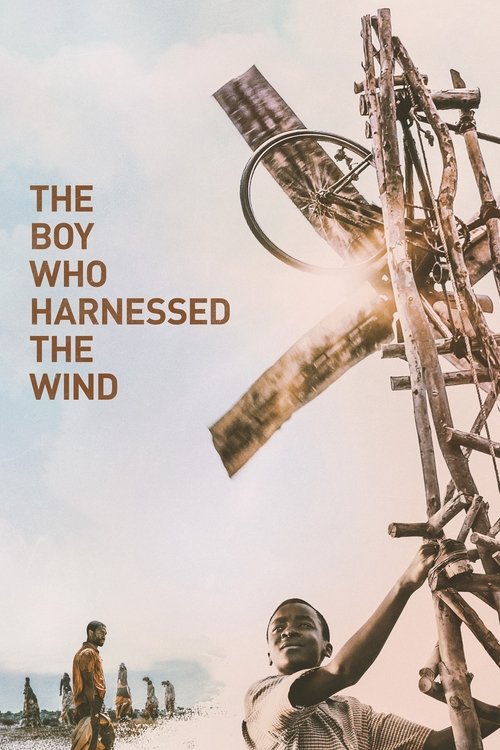
The Boy Who Harnessed the Wind2019
Malawian coming-of-age about ingenuity and survival. Like Turtles, it respects children's intelligence and agency rather than positioning them as passive victims of circumstance.
But Uplift narrative may feel thin or saccharine if you're seeking something darker. Less aesthetically ambitious than Ghobadi's work.
Phoenix2014
Both examine how historical trauma and political violence scar individuals across years, showing how the past refuses to stay buried through carefully controlled formal precision.
German drama about a concentration camp survivor's return. Entirely different setting and era, but excavates the same question: how do the traumatized navigate a world that wants to move on? Tense, philosophical, devastating.
But Slow psychological drama. Very little happens on the surface; all the conflict is interior and tonal.

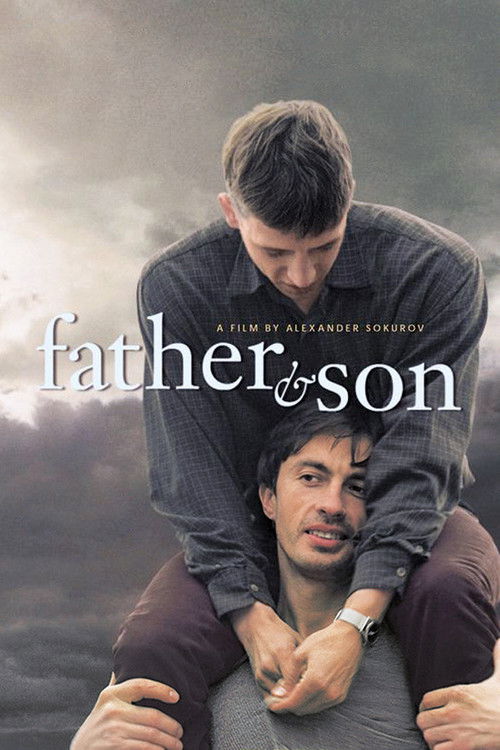
Father and Son2003
Both use children as their moral centre and deploy visual formalism—colour, composition, long takes—to express emotional and psychological states that dialogue cannot reach.
Aleksandr Sokurov's Russian film about a father and son in St. Petersburg, shot in colour grading that feels like old cinema. Completely abstract but shares Turtles' rigorous attention to how bonds form and fracture.
But Intensely avant-garde and opaque. There's no conventional plot; it's pure visual and emotional texture. Some find it incomprehensible.
People
Cast
 Soran EbrahimMr. Satellite (Soran)
- Avaz LatifAgrin
- Saddam Hossein FeysalPashow
- Hiresh Feysal RahmanHengov
- Ajil ZibariShirkooh
Directing
- Jalal Saed PanahAssistant Director
- Shahram Shah HosseiniAssistant Director
- Bahman GhobadiDirector
Writing
- Bahman GhobadiScreenplay
Production
- Abbas GhazaliExecutive Producer
- Babak AminiProducer
- Bahman GhobadiProducer
- Batin GhobadiProducer
- Hamid GhavamiProducer
- Sadegh SourchiProduction Manager
- Sheyk MohammadProduction Manager