
Film
Persepolis
Persepolis turns Marjane Satrapi's own childhood into stark, hand-drawn black-and-white animation, tracing her Iran from the last days of the Shah through revolution and war to a French exile. It's funny, aching and pointedly personal — history experienced sideways, through family dinners and playground taunts rather than newsreels. For anyone who wants politics rendered as memory, not lecture.
If you liked this
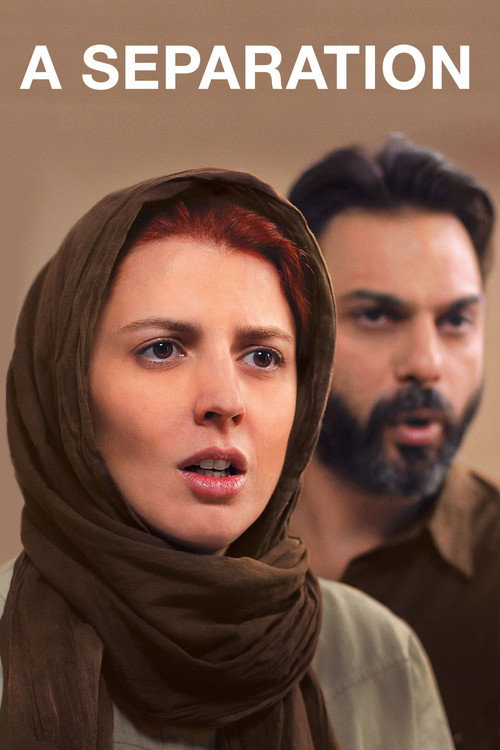
A Separation2011
Asghar Farhadi's Oscar-winning drama shows the same Iran Marji left behind decades later — ordinary people squeezed between personal duty and an inflexible state, with the moral complexity Persepolis only had time to sketch.
But No animation, no dark jokes — it's a slow-burn courtroom-adjacent drama that demands patience rather than charm.
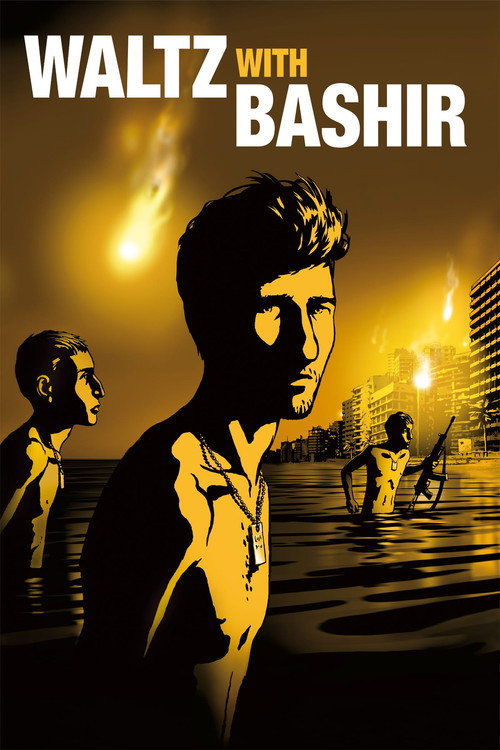
Waltz with Bashir2008
An Israeli animated documentary reconstructing suppressed memories of the 1982 Lebanon War — like Persepolis, it uses drawn imagery to reach trauma photographs can't touch, filtered through one soldier's fractured recollection.
But Heavier and more clinical than Persepolis; the animation serves horror rather than warmth, with little of its humor.
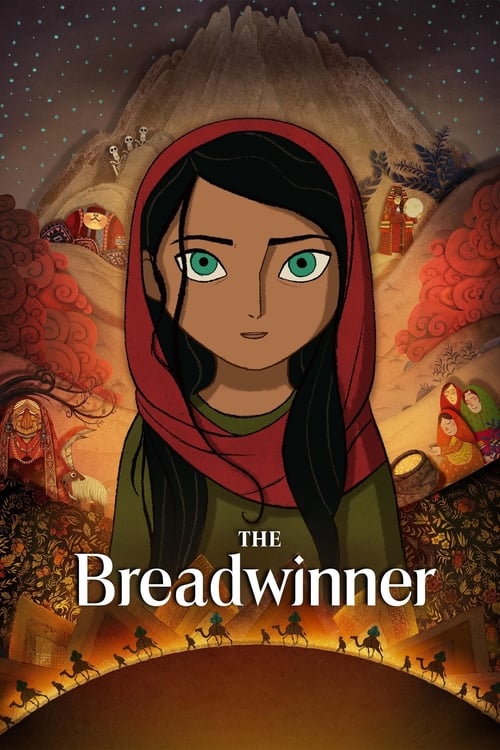
The Breadwinner2017
An animated Afghan girl disguises herself as a boy to support her family under Taliban rule — the same instinct as Persepolis, using animation to smuggle a child's political awakening past despair.
But Aimed a little younger and gentler than Persepolis; the visual style is softer and the politics less confrontational.
The wildcard
Something you would not have found on your own.
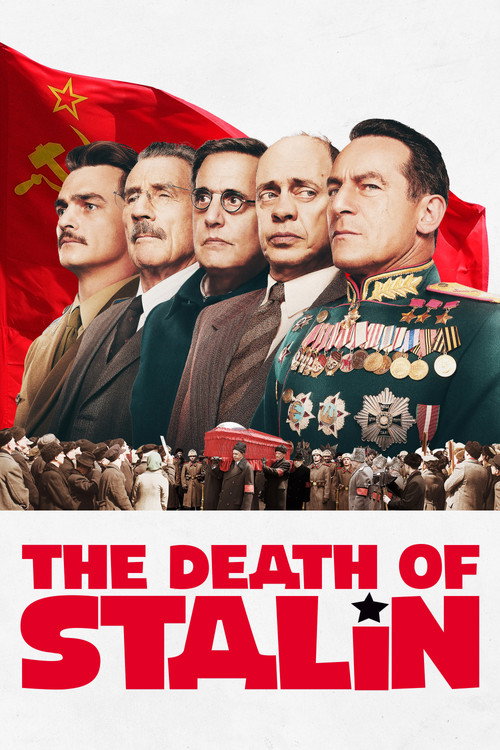
The Death of Stalin2017
Both use humor as a weapon against terror, turning the machinery of a repressive state into something you laugh at even as you flinch — Persepolis just does it from a child's memory instead of a satirist's ensemble.
A pitch-black farce about Soviet officials scrambling for power after Stalin's death — proof that satire can carry the same truth about authoritarian absurdity that Persepolis reaches through memoir.
But Broader and more slapstick than Persepolis; anyone wanting sincerity over comedy might find its irreverence jarring.
More like this (8)
Wadjda2012no page yet
Saudi Arabia's first female-directed feature follows a girl saving up for a bicycle in a society built to say no to her — Persepolis's rebellious streak transplanted somewhere even more restrictive.
But Live-action and quietly observational rather than stylised or funny; some may find its pace slow after Persepolis's propulsive energy.
Offside2006no page yet
Jafar Panahi's comedy-drama follows Iranian women who disguise themselves as men to sneak into a football match — the same absurdist defiance as Marji's rebellious teenage years, played out in real time.
But Shot almost documentary-style with non-actors; it's looser and less shaped than Persepolis's tightly drawn narrative.
Turtles Can Fly2004no page yet
Children in a Kurdish border village awaiting the American invasion of Iraq, scavenging landmines to survive — a bleaker cousin to Persepolis's wartime childhood, unflinching about what conflict actually costs kids.
But Genuinely harrowing with almost none of Persepolis's wit or warmth; this one offers little comfort.
The Kite Runner2007no page yet
A friendship shattered by the Soviet invasion of Afghanistan, followed into guilt-ridden American exile — the same arc of homeland lost and imperfectly rebuilt that gives Persepolis its ache.
But More melodrama than Persepolis's dry humor, and its treatment of trauma is broader, less carefully calibrated.
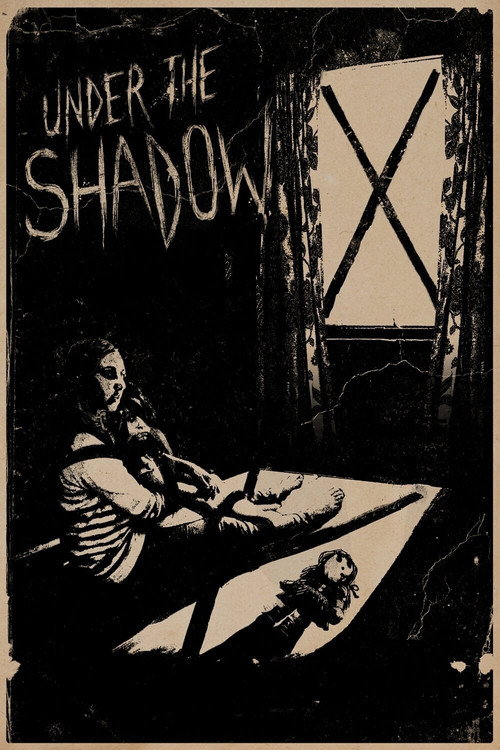
Under the Shadow2016
A mother and daughter besieged by both the Iran-Iraq War and a malevolent djinn in 1980s Tehran — genre horror used, like Persepolis, to dramatize living under constant threat and control.
But It's a horror film first; if you came for memoir and satire, the supernatural elements may feel like a detour.
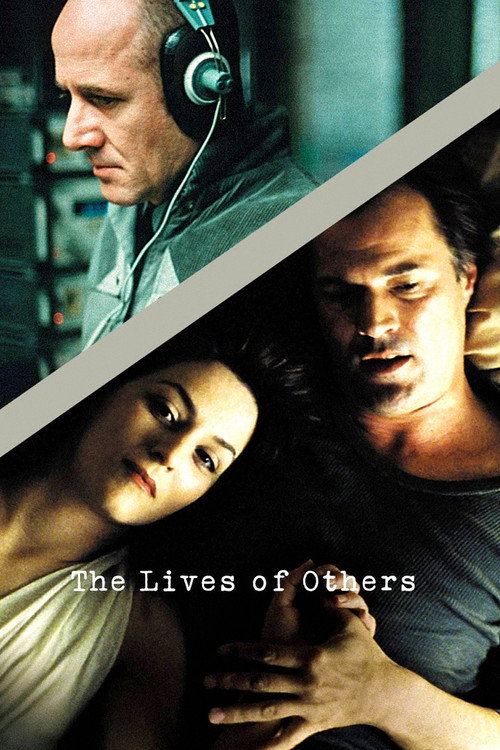
The Lives of Others2006
A Stasi surveillance drama that shows the machinery of a totalitarian state from the watcher's side — a colder companion piece to Persepolis's more personal account of living under one.
But German, live-action, and utterly serious — none of Persepolis's animated wit or first-person warmth here.
The 400 Blows1959
Persepolis's animated Marji and Truffaut's Antoine share the same trick: turning the filmmaker's own unhappy childhood into cinema, using a child's stubborn interiority to indict the adult world around them.
Truffaut's autobiographical debut follows a boy suffocating under indifferent parents and rigid institutions in 1950s Paris — the black-and-white ancestor of every coming-of-age film that treats a child's inner life as serious history.
But No politics, no revolution — just one restless boy, shot in a quieter, more melancholic register than Persepolis.

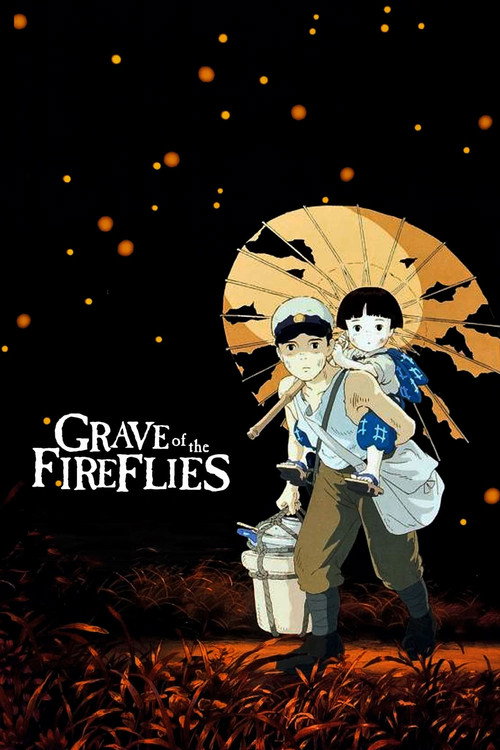
Grave of the Fireflies1988
Both prove animation isn't a softening device but a way to get closer to a child's-eye view of history than live action usually manages — though this one refuses Persepolis's humor entirely.
A Japanese animated film following two siblings starving through the firebombing of Kobe — animation used, decades before Persepolis, to make historical atrocity feel unbearably intimate rather than distant.
But There is no irony, no exile, no survival at the end — just devastation, delivered with almost no relief.
People
Cast
 Chiara MastroianniMarjane (voice)
 Danielle DarrieuxMarjane's Grandmother (voice)
 Catherine DeneuveMarjane's Mother (voice)
 Simon AbkarianMarjane's Father (voice)
 Gabrielle Lopes BenitesYoung Marjane (voice)
 François JérosmeUncle Anouche (voice)
 Tilly MandelbrotLali (voice)
 Sophie ArthuysWalla (voice)
 Arié ElmalehWalla (voice)
 Mathias MlekuzWalla (voice)
Directing
- Marjane SatrapiDirector
- Vincent ParonnaudDirector
Writing
- Marjane SatrapiAuthor
- Marjane SatrapiComic Book
- Vincent ParonnaudScreenplay
- Marjane SatrapiStory
- Vincent ParonnaudWriter
Production
- Kathleen KennedyExecutive Producer
- Marc JoussetExecutive Producer
- Vitaliy VersaceExecutive Producer
- Marc-Antoine RobertProducer
- Xavier RigaultProducer
- Olivier BernetProduction Designer
Recommended by
Pan's Labyrinth, Spider-Man: Into the Spider-Verse, Lady Bird, Au Revoir les Enfants, My Brilliant Friend, Kill la Kill, Thelma & Louise, The Triplets of Belleville, Waltz with Bashir, 20th Century Women, American Splendor, An American Tail, The Square, The Diary of a Teenage Girl, The Simpsons, Flee, Ramy, Under the Shadow, The Breadwinner, Radio Days, V for Vendetta, The Motorcycle Diaries, Capernaum, Belladonna of Sadness