
Film
The Tin Drum
- Drama
- Very dark
Volker Schlöndorff's adaptation of Günter Grass's novel follows Oskar, a boy who wills himself to stop growing at three, refusing to become an adult in a Danzig sliding into Nazism. Palme d'Or and Oscar winner, it's grotesque, mordantly funny, and genuinely upsetting — a fable that makes denial and complicity literal, told through eyes that never rise above a child's height.
Should you watch it?
Watch it if you love stories told through a wry, sharp-eyed child's point of view, where the bleak and the absurd sit side by side and the fable never stops being funny.
Skip it if you need brisk plotting or a clear moral compass, since this drifts episodically and its grotesquerie can feel deliberately punishing rather than playful.
What it asks of you: It runs well over two and a half hours and moves at a loping, episodic pace, so it wants patience and a willingness to sit with its strangeness.
Not sure? Find tonight's pick in a minute.
If you liked this
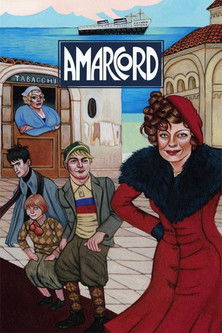
Amarcord1973
Fellini's own childhood memoir of fascist Italy, all carnival colour and absurd set pieces, turns creeping political menace into comic pageant much as Grass does with Oskar's drum.
But Episodic and dreamlike rather than plotted — frustrating if you want a story that drives somewhere specific.
Come and See1985
The most devastating child's-eye view of WWII ever filmed, following a boy soldier through occupied Belarus into unimaginable horror, stripped of any allegorical distance.
But Unflinching and traumatic — this isn't watched for pleasure, and it stays with you for a long time.

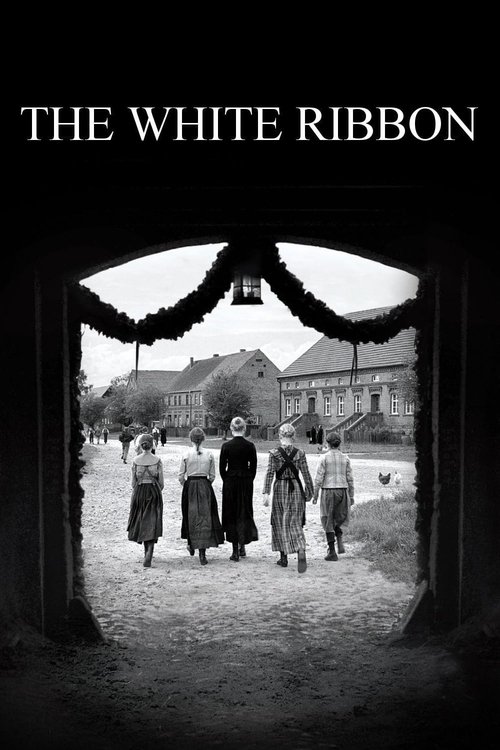
The White Ribbon2009
Haneke's icy black-and-white study of a German village just before WWI traces the cruelty and repression that will curdle into fascism a generation later.
But Deliberately opaque and glacially paced; Haneke withholds answers on purpose, which some viewers find maddening.
Not sure tonight? Get a pick in a minute, starting from The Tin Drum
The wildcard
Something you would not have found on your own.
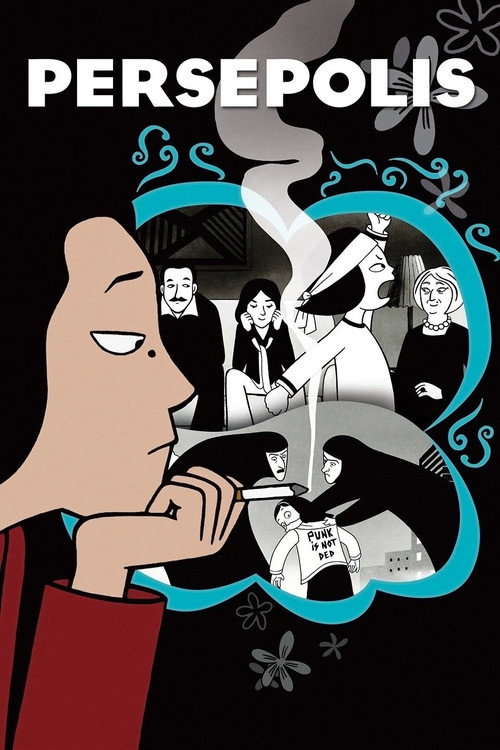
Persepolis2007
Both use a young protagonist's refusal to simply comply as a way of dramatising a society's slide into authoritarianism, one in animation, one in unsettling live-action fable.
Marjane Satrapi's animated memoir of growing up during the Iranian Revolution uses a child's stubborn, clear-eyed perspective to make a national catastrophe legible, much like Oskar's drum.
But Gentler and far more accessible in its stark animation and wry humour — don't expect anything as grotesque or disturbing.
More like this (7)
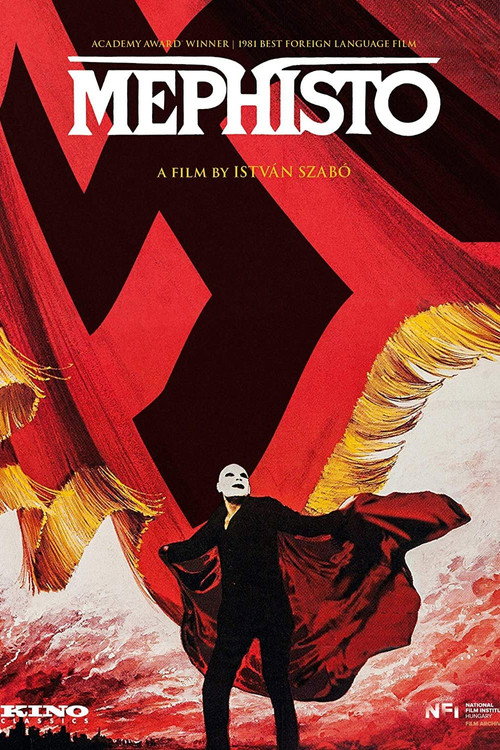
Mephisto1981
Klaus Maria Brandauer is extraordinary as an actor who trades his conscience for status under the Nazis — complicity made as seductive as it is damning.
But Talky and theatrical, more interested in moral argument and performance than in spectacle or plot.
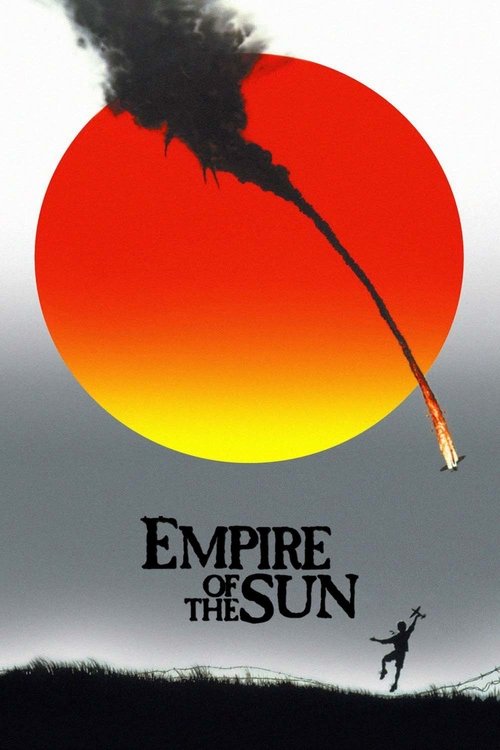
Empire of the Sun1987
Spielberg's underrated epic follows a boy separated from his parents in occupied Shanghai, his innocence curdling into something stranger as the war grinds on.
But Runs long, and its wide-eyed wonder sits oddly against its brutal subject for some viewers.
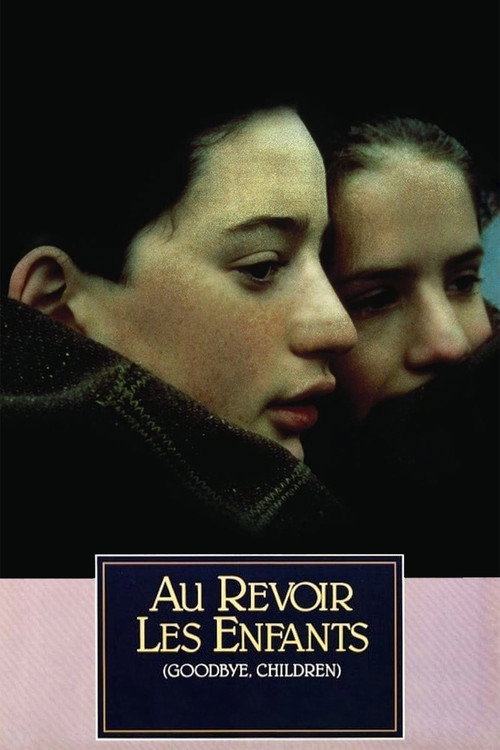
Au Revoir les Enfants1987
Louis Malle's quiet, autobiographical account of a friendship at a French boarding school hiding Jewish children from the Nazis — tender, precise, devastating.
But Restrained almost to a fault; its power creeps up on you rather than announcing itself.
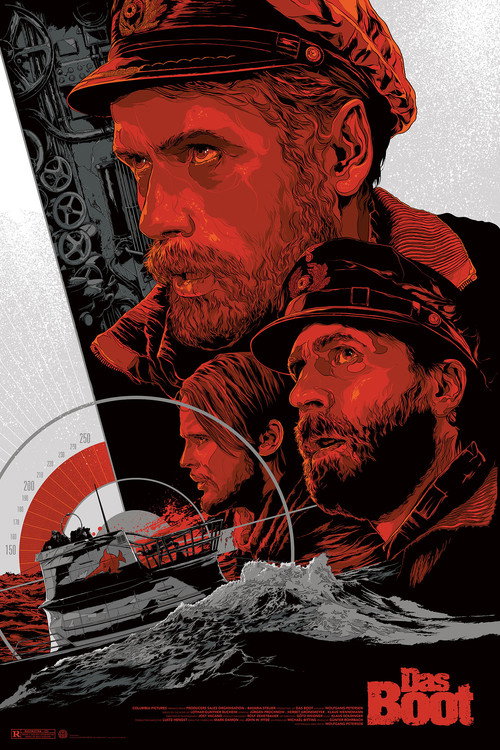
Das Boot1981
Claustrophobic and exhausting in exactly the right way, this puts you inside a German U-boat crew and refuses easy judgement about who counts as a villain.
But The director's cut runs nearly three and a half hours, all of it tense — a real commitment.
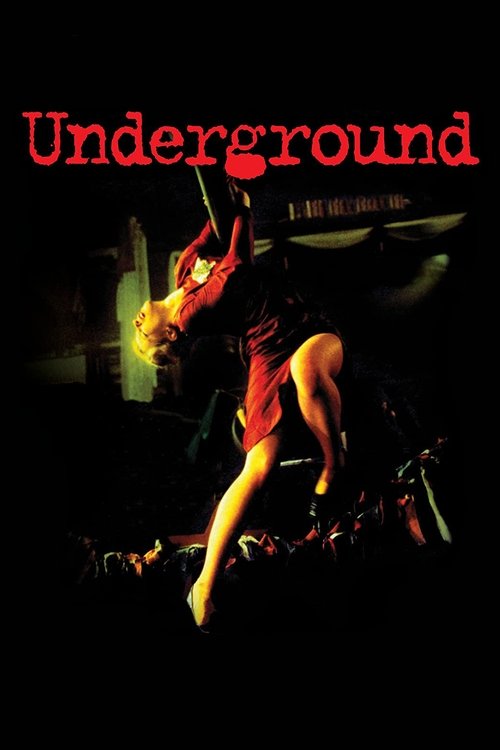
Underground1995
Kusturica's raucous, chaotic satire of Yugoslav history plays like a fever dream, using absurdity and brass-band music to tell a story too painful to tell straight.
But Loud, sprawling, and deliberately overwhelming — patience for chaos and excess required.
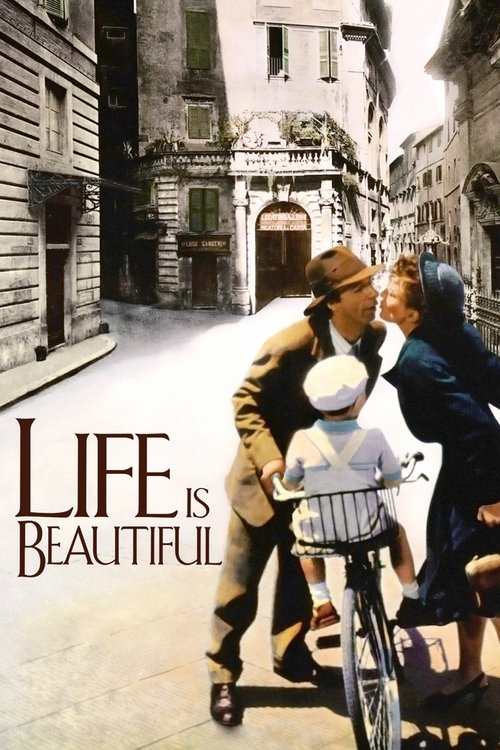
Life Is Beautiful1997
Roberto Benigni's fable about a father inventing a game to shield his son from a concentration camp's reality uses comedy as an act of love and denial.
But The swing from slapstick to horror is exactly what makes some viewers deeply uncomfortable.
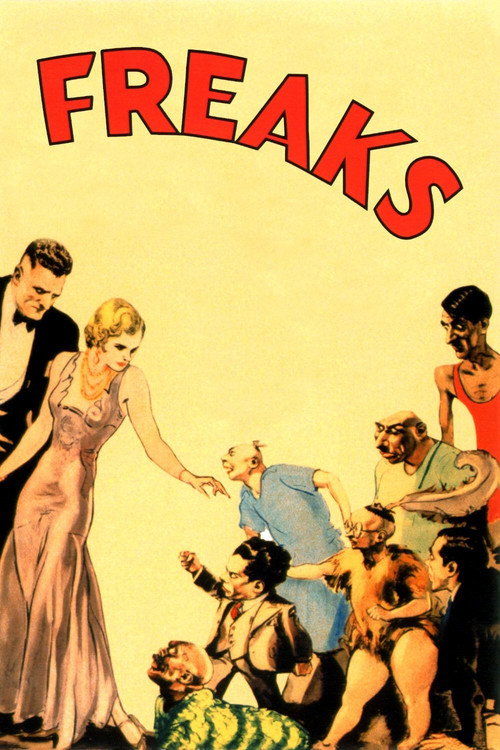
Freaks1932
Both weaponise a body outside the norm to expose the real monstrousness hiding in polite society — Browning's carnival troupe and Grass's drumming dwarf are cousins in the same grotesque tradition.
Tod Browning's carnival horror, cast largely with real sideshow performers, turns bodily difference into a moral weapon against a cruel, respectable society — decades before Oskar's arrested body did the same.
But Primitive by modern standards, barely over an hour, and its exploitation-era framing hasn't aged comfortably for everyone.
People
Cast
 Mario AdorfAlfred Matzerath
 Angela WinklerAgnes Matzerath
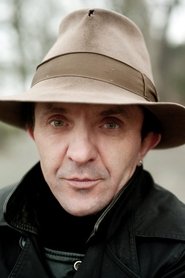 David BennentOskar Matzerath
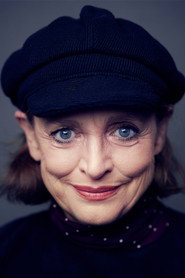 Katharina ThalbachMaria Matzerath
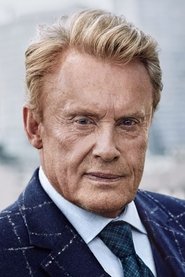 Daniel OlbrychskiJan Bronski
 Tina EngelYoung Anna Koljaiczek
 Berta DrewsAnna Koljaiczek
- Roland TeubnerJoseph Koljaiczek
- Tadeusz KunikowskiUncle Vinzenz
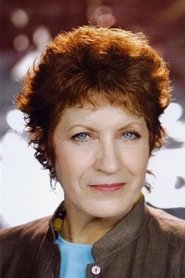 Andréa FerréolLina Greff
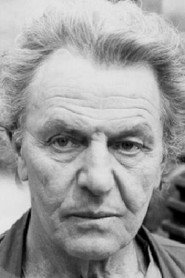 Heinz BennentGreff
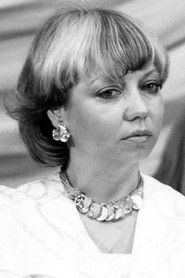 Ilse PagéGretchen Scheffler
Directing
- Volker SchlöndorffDirector
Writing
- Günter GrassAuthor
- Franz Seitz JuniorScreenplay
- Jean-Claude CarrièreScreenplay
- Volker SchlöndorffScreenplay
Production
- Anatole DaumanProducer
- Eberhard JunkersdorfProducer
- Franz Seitz JuniorProducer
Recommended by
The Spirit of the Beehive, Alice, Ivan's Childhood, Forbidden Games, Sunshine, The White Ribbon, Germinal, Germany, Year Zero, Capernaum, Merry Christmas, Mr. Lawrence, Salon Kitty, Tracey Ullman's Show, The Bridge, Unter uns, Before the Fall, The Assault, Young Törless, Man of Iron, Fugitive Pieces, Hitler: The Last Ten Days, The Promised Land