
Film
The Assault
- Drama
- Very dark
A Dutch family's home becomes ground zero for a wartime assassination, and the ripples fracture a lifetime. This 1986 film traces how one moment of resistance violence reshapes everyone it touches—the boy who witnesses it, the resisters who commit it, the occupiers who respond. A meditation on complicity, memory, and how history lives in bodies.
Should you watch it?
Watch it if you like slow, morally tangled war stories told through memory, where the adult weight of a childhood moment matters more than the action.
Skip it if the pace is deliberate and at 144 minutes the talky stretches may try your patience if you want the war to keep moving.
What it asks of you: A long, unhurried shape: silences, faces and half-spoken guilt carry more of the weight than plot does, so it rewards sitting still.
Not sure? Find tonight's pick in a minute.
If you liked this
Come and See1985
Elem Klimov's Soviet masterpiece follows a boy conscripted into WWII, watching his innocence atomize in real time. It shares The Assault's unflinching view of how war corrupts everyone, even those meant to resist it.
But Relentlessly bleak and visually punishing. Not cathartic; deliberately, almost sadistically anti-cathartic. Demands something from you.

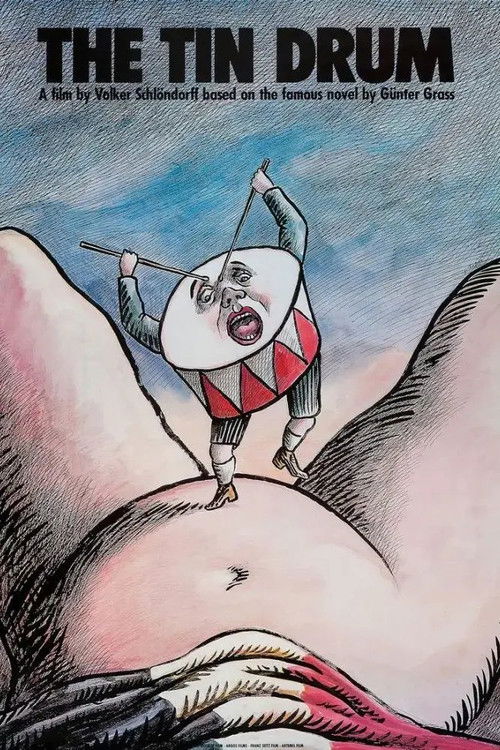
The Tin Drum1979
Günter Grass's novel becomes Volker Schlöndorff's fever dream: a boy who refuses to grow up witnesses Nazi Germany, using magical realism to capture the surreal horror of totalitarianism. Like The Assault, it tangles personal memory with historical trauma.
But Deliberately strange and digressive. The magical elements won't land for everyone, and the tone shift constantly. Some find it pretentious; others find it essential.
Night and Fog1956
Alain Resnais's 32-minute essay weaves color footage of the camps with archival material and Hanns Eisler's haunted score. A meditation on how we remember atrocity and what we owe to that memory. Essential.
But Short, yes, but dense and oblique. Not a conventional documentary. Requires active attention and sits heavy afterward.

Not sure tonight? Get a pick in a minute, starting from The Assault
The wildcard
Something you would not have found on your own.
Harakiri1962
Both films use genre (war drama, samurai film) to examine how systems and history splinter individual lives. Both argue that bearing witness is the point—not action, not escape, just seeing clearly what was done.
Masaki Kobayashi's Japanese masterpiece concerns ritual suicide and honor, but it's really about systems that destroy individuals and call it duty. Like The Assault, it interrogates how ideology manufactures complicity—and how people are unmade by forces larger than themselves.
But Formally austere, with long silences. Not violent in the way Westerners expect from samurai films. A moral essay disguised as a samurai tragedy. Demands patience.

More like this (6)
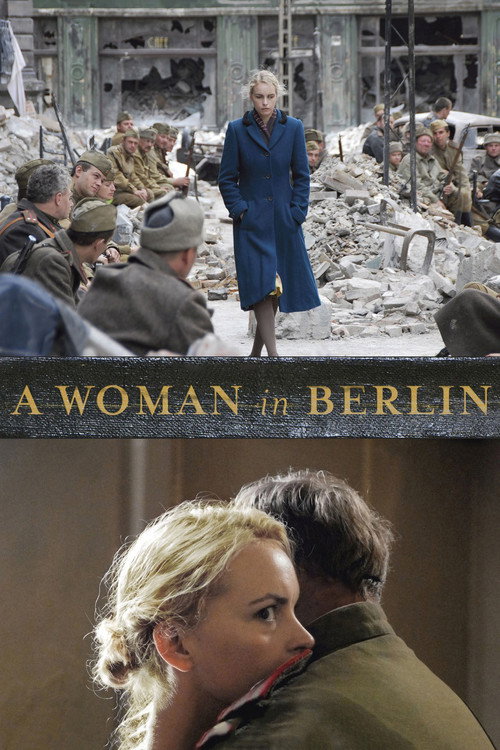
A Woman in Berlin2008
Max Färberböck adapts the anonymous diary of a German woman in 1945 Berlin. Explores occupation, assault, survival, and the moral ambiguity of living through history rather than standing outside it judging. Quietly devastating.
But Raw and sexually explicit about wartime violence. Filmed in black-and-white, which some find distant or austere. Not widely distributed.
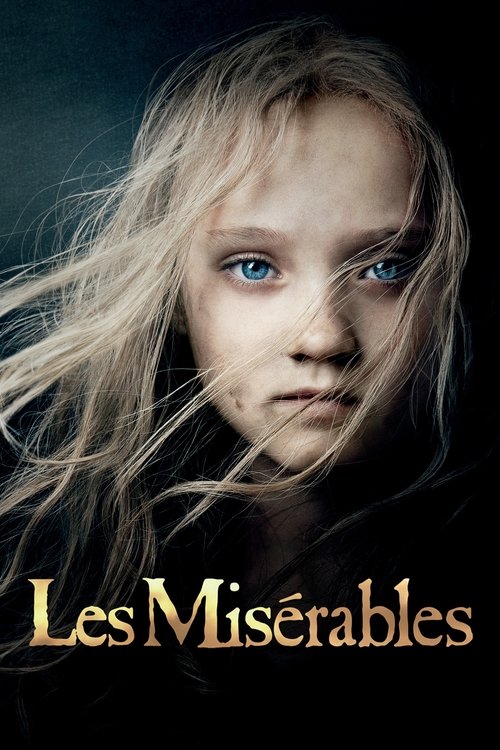
Les Misérables2012
Not about WWII, but about injustice, resistance, and the cost exacted on ordinary people caught in history's machinery. Tom Hooper's operatic approach captures the same sense of personal lives torn open by larger forces.
But The songs are sung rather than acted. If you resist the form, you'll resist the film. Some find it overwrought; others find that's the point.
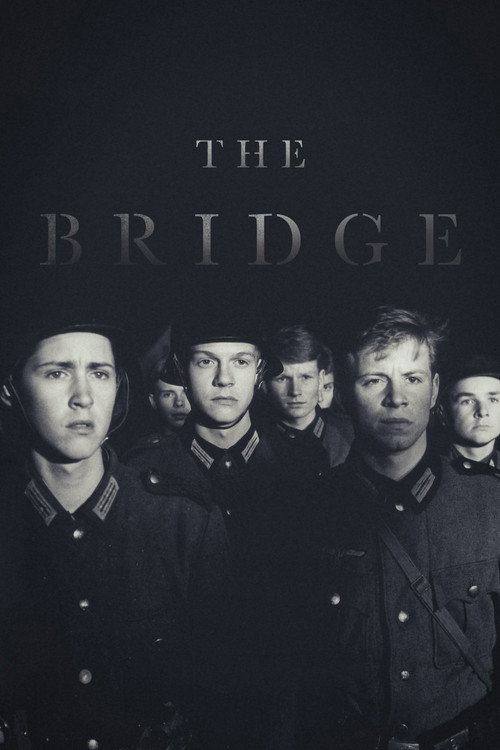
The Bridge1959
Bernhard Wicki's German film follows seven teenagers ordered to defend a strategically worthless bridge in the war's final days. A portrait of youth destroyed by ideology and circumstance, with The Assault's interest in how trauma reshapes survivors.
But Slow, elegiac, and unsparing. No heroics, no redemption. The pacing will frustrate viewers wanting action.
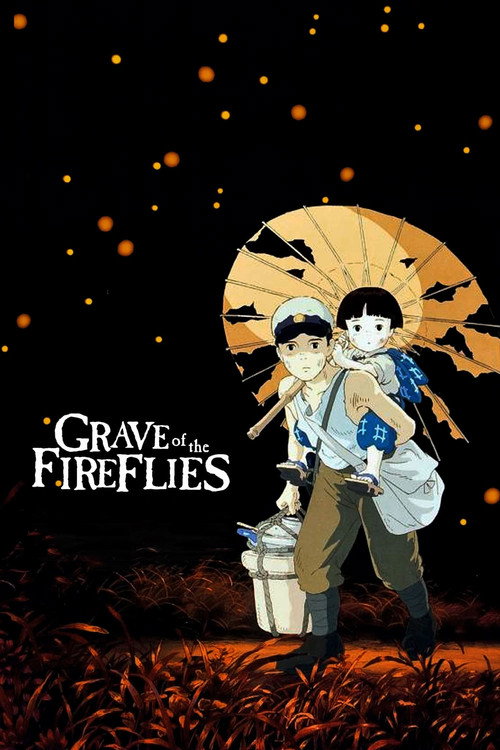
Grave of the Fireflies1988
Isao Takahata's animation follows two siblings orphaned by firebombing in Japan. Utterly heartbreaking. Animation makes the horror stranger, not softer—it lets you see the story without the shield of 'realism.'
But Animated, which some dismiss as insufficiently serious for this subject. Also: genuinely difficult to watch. Not an evening, a gauntlet.
The Lives of Others2006
A Stasi surveillance officer in Cold War Berlin develops conscience while monitoring a playwright. Explores complicity, moral awakening, and the cost of speaking truth. Different era, same engine as The Assault: how systems corrupt us.
But A little too neat in its redemption arc for some. Can feel like a puzzle-box rather than lived experience. More intellectual than emotional.

Poetry2010
Both films understand that The Assault's real subject isn't the killing—it's the aftermath, and the question of whether understanding or art or time can heal what violence breaks. Both are elegies for the living.
Lee Chang-dong's film follows an elderly woman who takes a poetry class while her grandson awaits trial for assault. Not about war, but about how an individual reckons with complicity, guilt, and the possibility of grace. Quiet, devastating, structurally obsessed with how one moment unmakes a life.
But Slow cinema. Deliberately undramatic. The violence occurs offscreen; the film concerns itself with fallout, not event. Requires patience and silence from the viewer.

People
Cast
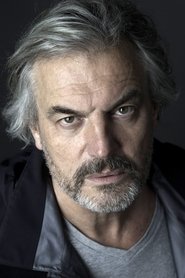 Derek de LintAnton Steenwijk
- Marc van UchelenYoung Anton Steenwijk
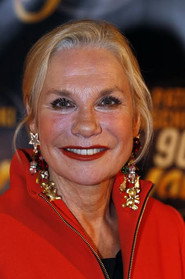 Monique van de VenSaskia de Graaff
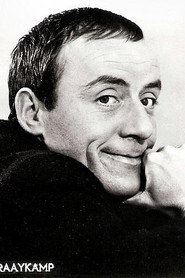 Johnny Kraaijkamp Sr.Cor Takes
- Christian GolusdaGerman Officer
- Harold BendigGerman Officer
- Lex WiertzHerring Seller
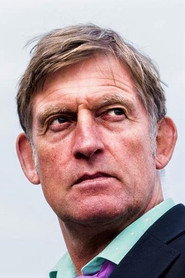 Huub van der LubbeFake Ploeg
- Elly WellerMrs. Beumer
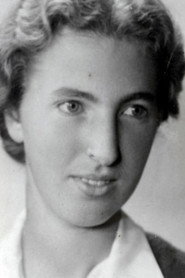 Ina van der MolenKarin Korteweg
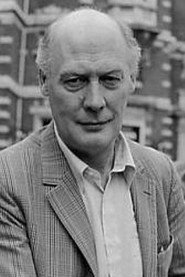 Frans VorstmanFather Steenwijk
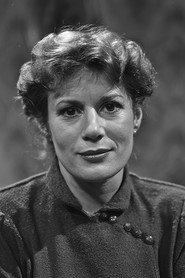 Edda BarendsMother Steenwijk
Directing
- Fons RademakersDirector
Writing
- Harry MulischNovel
- Gerard SoetemanScreenplay
Production
- Hans KemnaCasting
- Jos van der LindenExecutive Producer
- Menahem GolanExecutive Producer
- Yoram GlobusExecutive Producer
- Fons RademakersProducer