
Film
A Woman in Berlin
- War drama
- Very dark
A Woman in Berlin confronts the Soviet invasion of Berlin through the eyes of an unnamed woman navigating survival amid chaos and sexual violence. It's unflinching, intimate filmmaking—visually precise, emotionally austere. For viewers willing to sit with difficult history without flinching or sentiment.
Should you watch it?
Watch it if you want a war story that looks at ordinary survival from the inside, unsentimental and observant, where the cost is measured in daily choices rather than battle scenes.
Skip it if you may find its bleak, unhurried focus on sexual violence too punishing if you want relief or spectacle from a war film.
What it asks of you: Its 131 minutes move at a deliberate pace, staying close to one woman's daily scramble through a city in collapse, with little respite and no easy consolation.
Not sure? Find tonight's pick in a minute.
If you liked this
Come and See1985
Elem Klimov's devastating account of a Soviet boy caught in WWII's Eastern Front brutality. Like Berlin, it refuses to prettify war or distance the viewer from its cost.
But Nearly three hours of relentless, graphic horror. The tonal register is pitiless—there are no moments of relief or beauty to rest in.

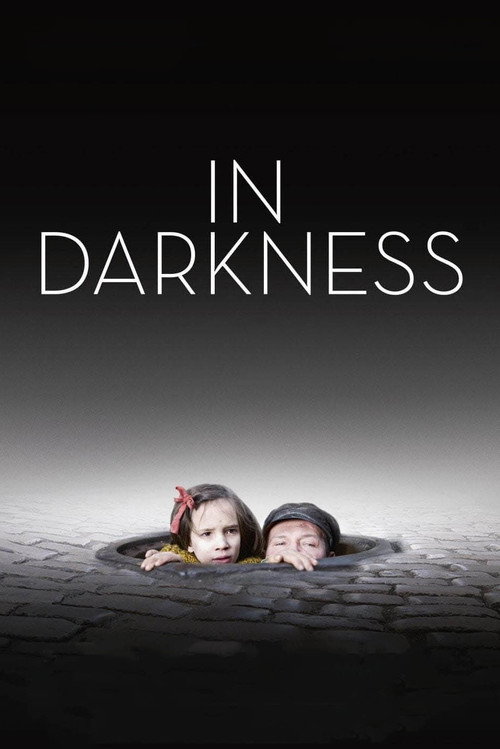
In Darkness2011
Agnieszka Holland's Warsaw Ghetto survival story, similarly focused on one person's desperate improvisation under impossible circumstances. Intimate scope, historical weight, moral complexity.
But It's long, claustrophobic, and the violence—when it comes—is sudden and shocking. Some find the pacing deliberately slow.
Shoah1985
Claude Lanzmann's nine-hour oral history of the Holocaust. Different approach entirely—testimony rather than drama—but shares Berlin's commitment to unflinching historical reckoning without film school distance.
But It's a marathon. No music, no archive footage, no neat narrative. Just survivors and perpetrators speaking. Not for restless viewing.

Not sure tonight? Get a pick in a minute, starting from A Woman in Berlin
The wildcard
Something you would not have found on your own.
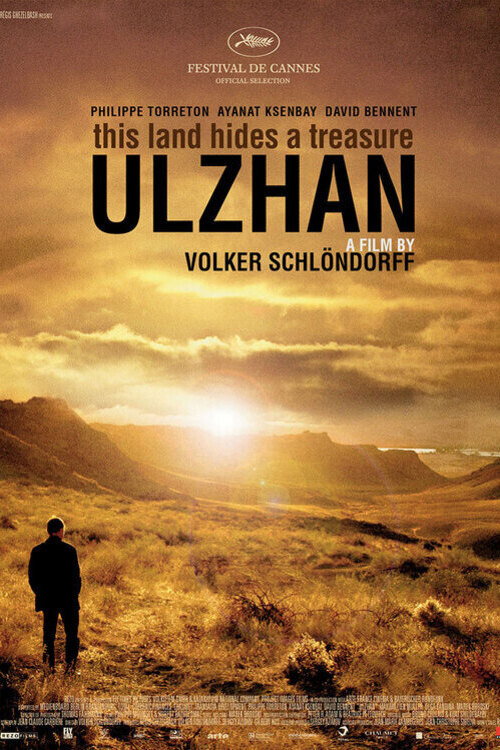
Ulzhan2007
Both center a woman's survival and agency in a landscape shaped by empires and men's violence. Both use sexual vulnerability not as plot but as historical fact. Both find moments of human connection without redemptive comfort.
Sergei Bodrov's Kazakhstan-set film about a Russian woman and Kazakh herder navigating cultural and historical trauma. Like Berlin, it finds intimacy and sexuality amid alienation and history's weight.
But Slow, visually austere, dialogue-light. The connection to WWII is thematic, not literal, which can feel abstract. Genuinely difficult to find outside festivals.
More like this (7)
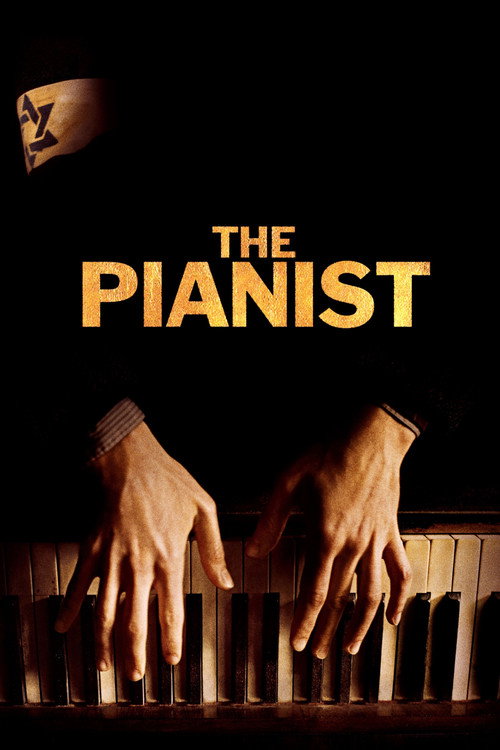
The Pianist2002
Roman Polanski's account of a Polish Jews' survival under Nazi occupation. Focused, precise cinematography. Adrien Brody's performance captures the specific horror of witness without agency.
But Its fame makes it feel slightly softer than it is. Some viewers find Polanski's restraint here feels like emotional distance rather than respect.
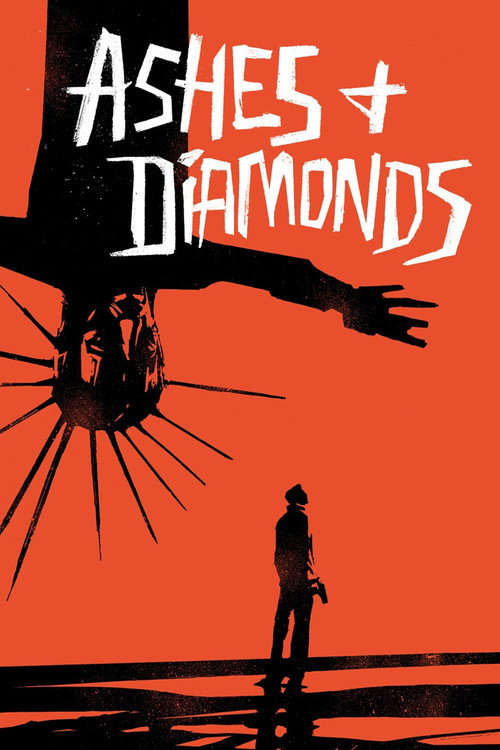
Ashes and Diamonds1958
Andrzej Wajda's postwar Poland portrait: moral ambiguity, fading ideals, the violence underneath reconstruction. Polish cinema's greatest gift to thinking about conflict's aftermath.
But It's oblique, symbolic in places. The politics are specifically Polish and require some historical literacy. Handsomely shot but austere.
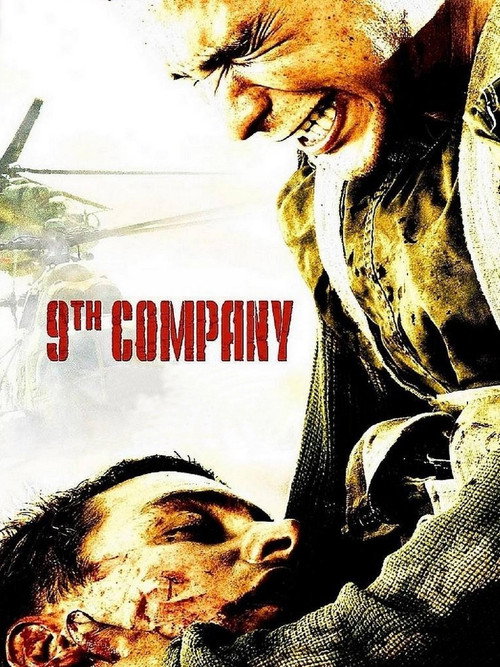
9th Company2005
Fyodor Bondarchuk's account of Soviet soldiers in Afghanistan. Similar immersion in military life's detail and camaraderie before catastrophe. Russian perspective on how empires break soldiers.
But Patriotic without being uncritical, but the frame can feel propagandistic to Western viewers. Battle scenes are brutal and desensitizing in places.
Requiem for a Dream2000
Darren Aronofsky's chronicle of four people's simultaneous collapse. Totally different subject, but matches Berlin's refusal to cut away from despair or prettify human dissolution.
But It's oppressive by design. Repetitive structure, no catharsis, Clint Mansell's score is relentless. Some find it punishing rather than illuminating.

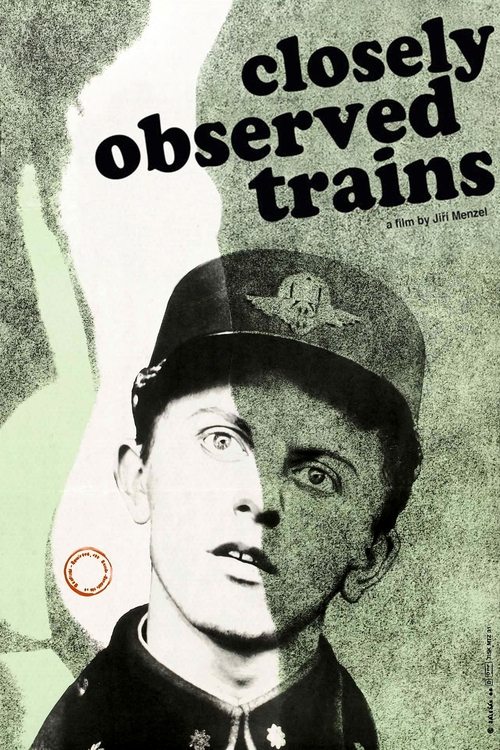
Closely Watched Trains1966
Jiří Menzel's Czech New Wave masterpiece: a small life caught between personal desire and historical cataclysm. Funny and moving in ways that make the gravity hit harder.
But Oblique humor doesn't land for everyone. The link to Berlin's themes is thematic rather than literal. Feels lightweight until it isn't.
Night and Fog1956
Alain Resnais's thirty-two-minute essay on Auschwitz. Spare, precise, intercut past and present. If you want historical film that respects the viewer's intelligence without narration heavy-lifting.
But Its brevity can feel insufficient to the subject. Color cinematography of the camps—beautiful and deeply troubling—bothers some viewers philosophically.

The Ascent1977
Both films treat WWII's Eastern Front as a space where ordinary survival becomes moral philosophy. Shepitko's is more mystical, Berlin's more carnal, but both reject entertainment narrative in favor of spiritual or psychological reckoning.
Larisa Shepitko's metaphysical Soviet parable about two partisans pursued through a snowy landscape. Visually hypnotic, psychologically immense. War as spiritual trial rather than historical event.
But It's symbolic and spare to the point of abstraction. No conventional plot, no character development in the traditional sense. Demands interpretive work.

People
Cast
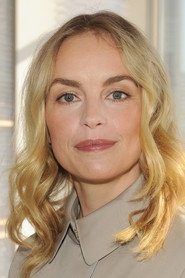 Nina HossAnonyma
 Evgeniy SidikhinMajor Andreij Rybkin
 Juliane KöhlerElke
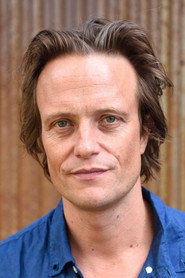 August DiehlGerd
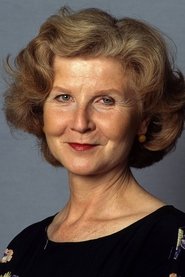 Irm HermannWitwe
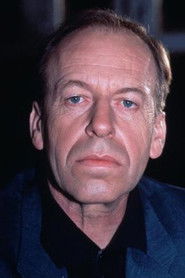 Rüdiger VoglerEckhart
 Ulrike KrumbiegelIlse Hoch
 Isabell GerschkeLisbeth
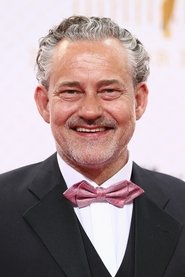 Rolf KaniesFriedrich Hoch
 Jördis TriebelBärbel Maltaus
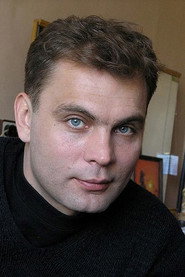 Roman GribkovAnatol
 Erni MangoldAchtzigjährige Frau
Directing
- Max FärberböckDirector
- Laura MihartescuFirst Assistant Director
- Tina RexiliusSecond Assistant Director
Writing
- Catharina SchuchmannScreenplay
- Max FärberböckScreenplay
Production
- Simone BärCasting
- Martin MoszkowiczExecutive Producer
- Bernhard ThürLine Producer
- Günter RohrbachProducer
- Astrid KühbergerProduction Manager
Recommended by
Unsere Mütter, unsere Väter, SS-GB, Tantura, The Assault, Naked Among Wolves, The Secrets We Keep