
Film
Naked Among Wolves
- War drama
- Very dark
A 1963 East German film about Buchenwald inmates who risk execution to hide a Jewish boy as liberation approaches. It's a quietly devastating portrait of resistance through small acts of courage, shot in austere black-and-white. For anyone drawn to stories of ordinary people choosing humanity under absolute brutality.
Should you watch it?
Watch it if you are drawn to quiet, grinding stories of ordinary men making small moral choices under impossible pressure, where the tension lives in whispered arguments and close calls rather than in action.
Skip it if you need a brisk pace or some relief from grimness, since this is a slow, heavy watch about a camp and its brutality, with little lightness to ease the weight.
What it asks of you: It runs a little over two hours and rewards patience, asking you to sit with long stretches of tense planning and to hold a lot of characters and loyalties in your head at once.
Not sure? Find tonight's pick in a minute.
If you liked this
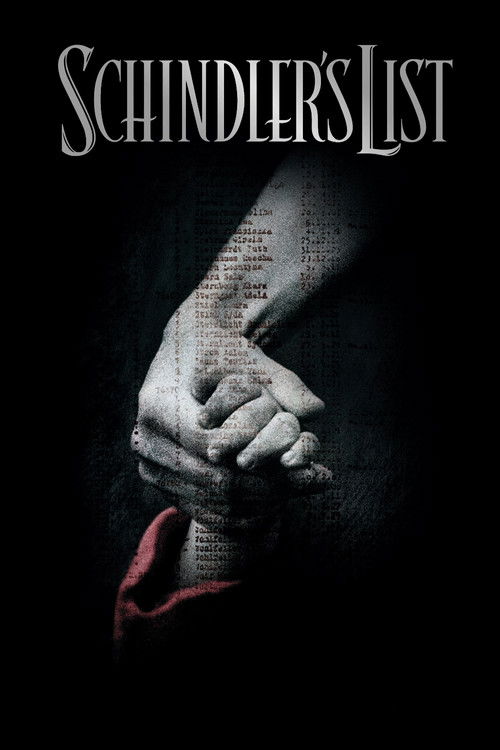
Schindler's List1993
Spielberg's monumental account of a factory owner saving over a thousand Jews. Devastating and precise, with genuine hope woven through the horror. Essential viewing on the scale of atrocity and individual moral choice.
But Three and a half hours, deeply graphic, and emotionally exhausting. Some find Spielberg's approach occasionally sentimental for the subject matter.
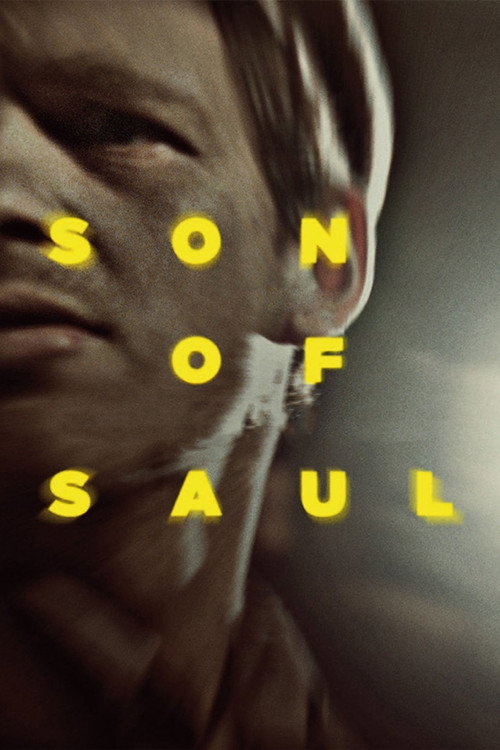
Son of Saul2015
A Hungarian film following a Sonderkommando through one day at Auschwitz. Claustrophobic, intimate, and morally complex in ways that feel revolutionary. Haunts you for months afterward.
But Visually brutal and formally demanding. The entire film stays in tight close-up, which some experience as unbearable rather than powerful.
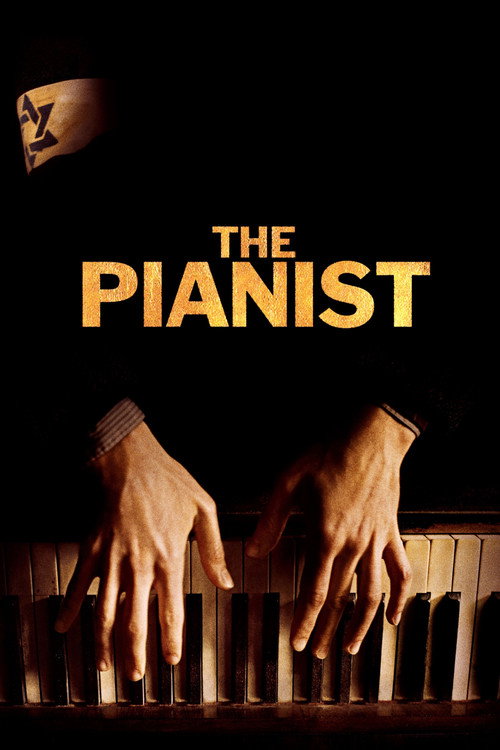
The Pianist2002
Polanski's account of a Warsaw Ghetto musician's survival. Focused and precise where others sprawl. The piano scenes carry unexpected grace and defiance.
But Episodic structure can feel distant. Some viewers find it less emotionally gripping than its reputation suggests.
Not sure tonight? Get a pick in a minute, starting from Naked Among Wolves
The wildcard
Something you would not have found on your own.
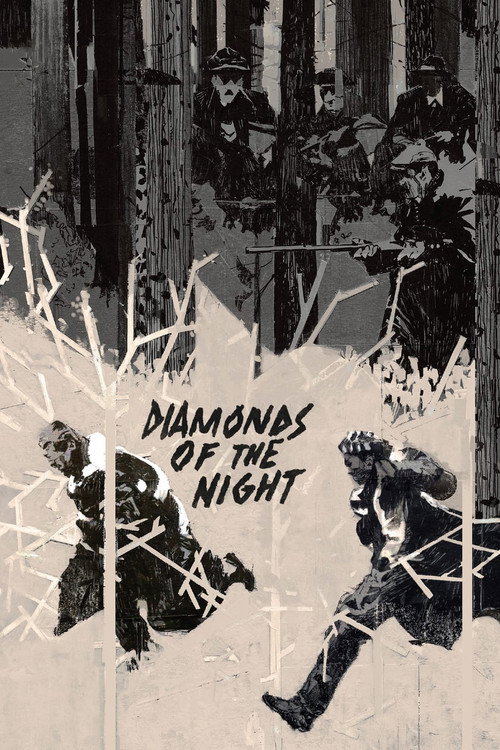
Diamonds of the Night1964
Both use cinema's formal grammar to render the interior experience of prisoners rather than external events. Both refuse easy catharsis.
A Czech New Wave film about two Jewish boys escaping a transport train. Surreal, dreamlike, deliberately fragmented. Uses cinema's tools—montage, abstraction, silence—in ways realism cannot. A poem rather than a document.
But Deliberately difficult form. Experimental pacing and narrative ellipsis alienate viewers expecting conventional storytelling.
More like this (8)
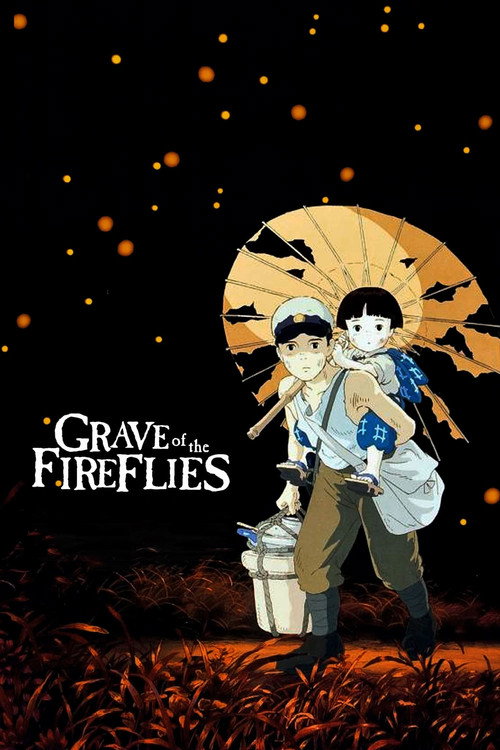
Grave of the Fireflies1988
Anime about two Japanese siblings after Tokyo firebombing. Animated, which lets it access emotional truths live-action sometimes cannot. Devastating without melodrama.
But Animation may initially seem wrong for such weight. The ending is bleak in ways that leave viewers broken for days.
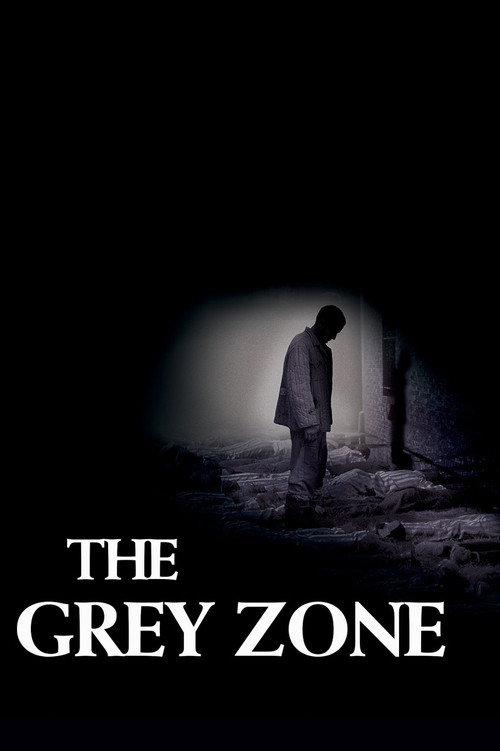
The Grey Zone2001
Focuses on the Sonderkommando uprising at Auschwitz. Ethically complex, refusing easy villains or heroes. Tim Blake Nelson and David Arquette give unexpectedly strong performances.
But Lesser-known and harder to find. Some feel it doesn't quite justify the moral complexity it pursues.
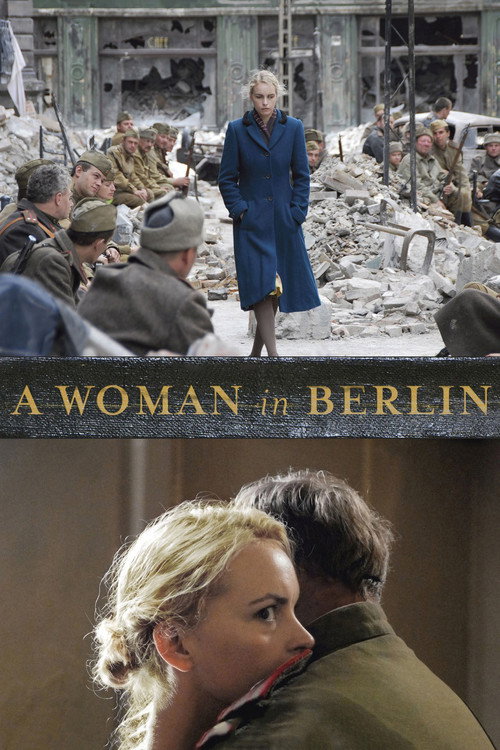
A Woman in Berlin2008
German film about a woman's survival through Soviet occupation, based on a real diary. Uncomfortable and unsentimental, dealing with sexual violence with rare honesty.
But Difficult subject matter handled without catharsis. Some find the tonal flatness distancing rather than respectful.
Come and See1985
Elem Klimov's Soviet film following a boy through the Nazi invasion of Belarus. The most visually and spiritually destructive war film ever made. A masterpiece.
But Relentlessly brutal and long. Not for anyone seeking any kind of comfort or resolution.

The Seventh Seal1957
Bergman's knight challenging Death itself during the plague. Formally beautiful and philosophically ambitious. Mortality and meaning through metaphor rather than realism.
But Deliberately abstract and slow. Its metaphysical concerns may feel remote from historical atrocity.

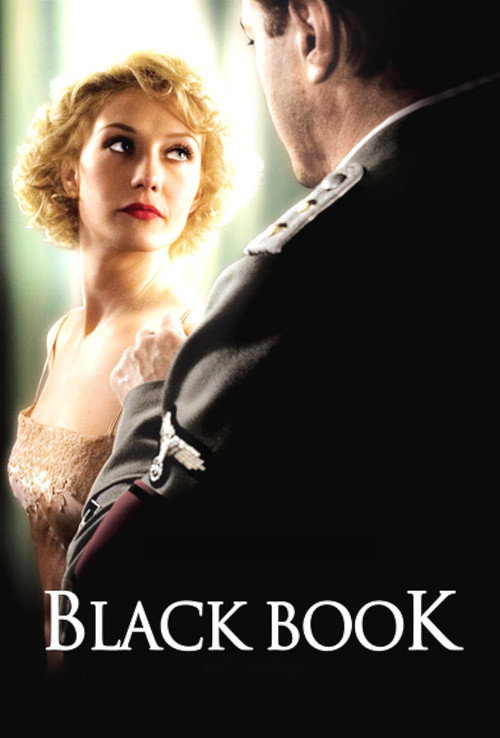
Black Book2006
Paul Verhoeven's Dutch thriller about a Jewish woman infiltrating Nazi circles. Genre-driven and entertaining where others are solemn. Morally and sexually complicated.
But Verhoeven's sensationalism will offend some. The tonal shifts between thriller and atrocity feel manipulative to many viewers.
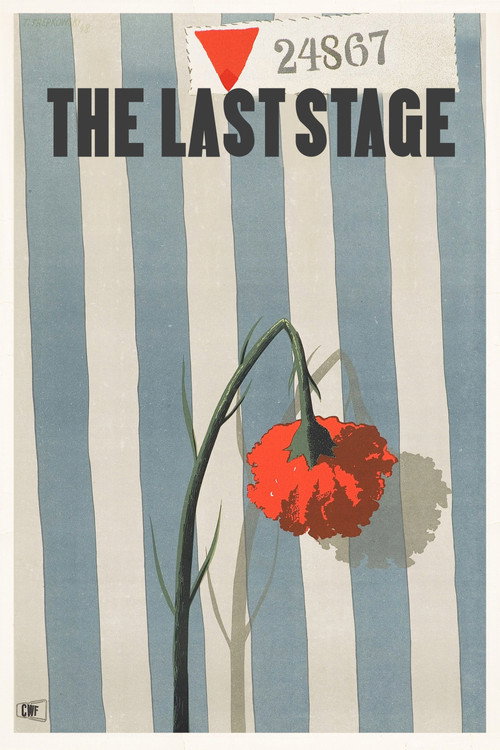
The Last Stage1948
Both made in the immediate postwar period by filmmakers in Soviet-occupied Eastern Europe, wrestling with truth-telling in a state-controlled context.
A Polish film made by and about actual Auschwitz survivors, directed by Wanda Jakubowska. Raw and strange precisely because it's made from lived experience rather than interpretation. Shatteringly authentic.
But Technically rough and unevenly paced. Its strangeness comes from sincerity rather than artistry, which tests viewers used to polished cinema.
Night and Fog1956
Both interrogate how cinema can bear witness to the unspeakable. Both reject melodrama in favor of formal restraint and the viewer's own moral reckoning.
Alain Resnais's 26-minute essay-documentary juxtaposing Auschwitz today with archival footage and still photography. Colour and silence and voice-over combine for unbearable power. The most important document of its kind.
But Short form and essayistic rather than narrative. Some feel its distance from human faces is less moving than dramatic reconstruction.
People
Cast
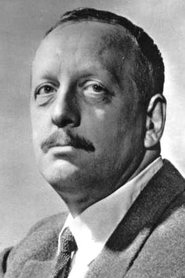 Erwin GeschonneckKrämer
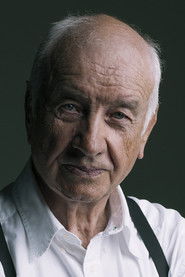 Armin Mueller-StahlHöfel
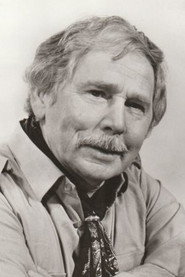 Fred DelmarePippig
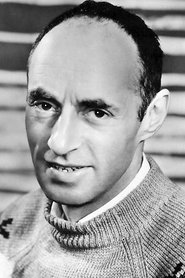 Gerry WolffBochow
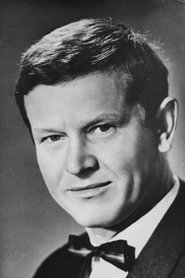 Viktor AvdyushkoBogorski
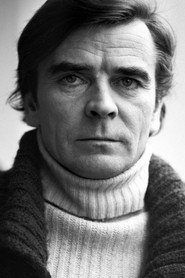 Zygmunt MalanowiczPrzybyła
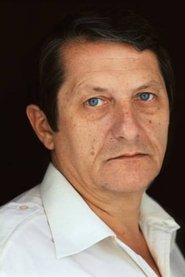 Erik S. KleinReineboth
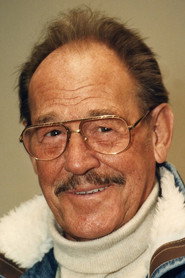 Herbert KöferKluttig
- Wolfram HandelZweiling
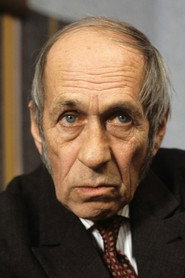 Bolesław PłotnickiKodiczek
- Heinz ScholzSchwahl
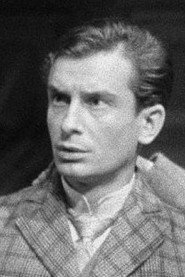 Peter SturmRose
Directing
- Frank BeyerDirector
Writing
- Bruno ApitzBook
- Bruno ApitzScreenplay
- Frank BeyerScreenplay