
Film
This Above All
A 1942 wartime romance between a spirited aristocrat and a disillusioned soldier. Tyrone Power and Joan Fontaine navigate class prejudice and moral duty against the backdrop of 1940 England. It's earnest and beautifully made, pitched somewhere between intimate melodrama and propagandistic fervour. For lovers of classic Hollywood romance with real stakes.
If you liked this
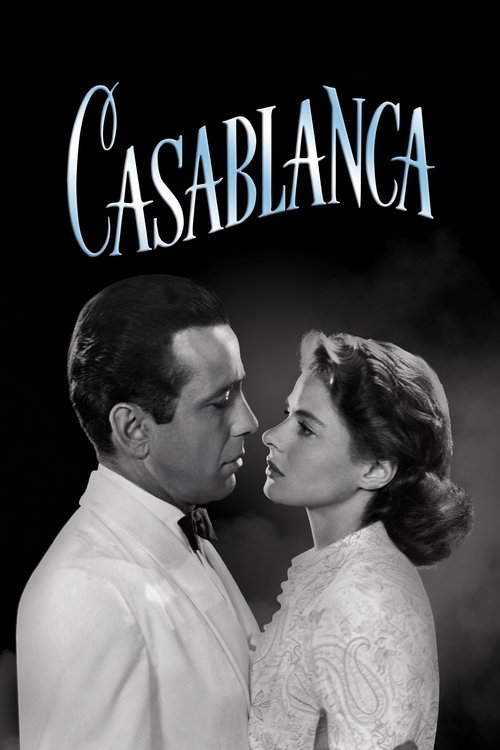
Casablanca1943
Released the same year, it shares the moral clarity of wartime cinema—duty versus desire—but with incomparable wit and Humphrey Bogart's world-weary charm. A masterpiece that makes every frame count.
But If you want rousing propaganda, this undermines it. The ending is defiant but ambiguous, which some find unsatisfying.
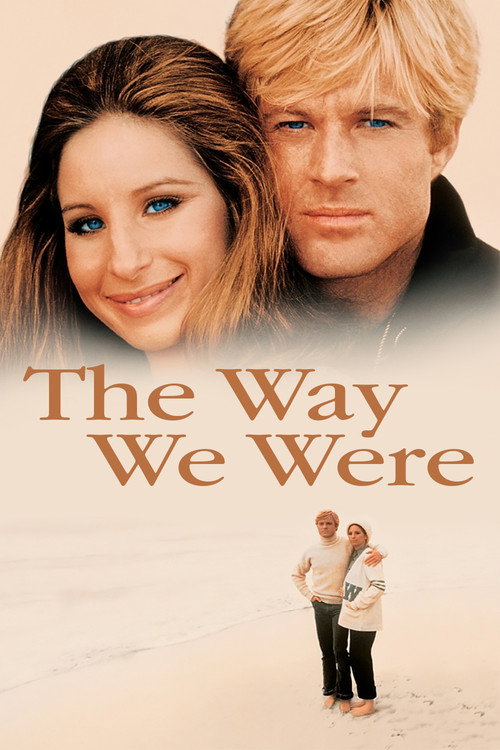
The Way We Were1973
Another Fontaine-era romance, but with Barbara Streisand and Robert Redford, exploring how politics and class can corrode love. Achingly romantic and politically complex in ways This Above All reaches for.
But It's melancholic and doesn't resolve neatly. Some find the politics heavy-handed for a love story.
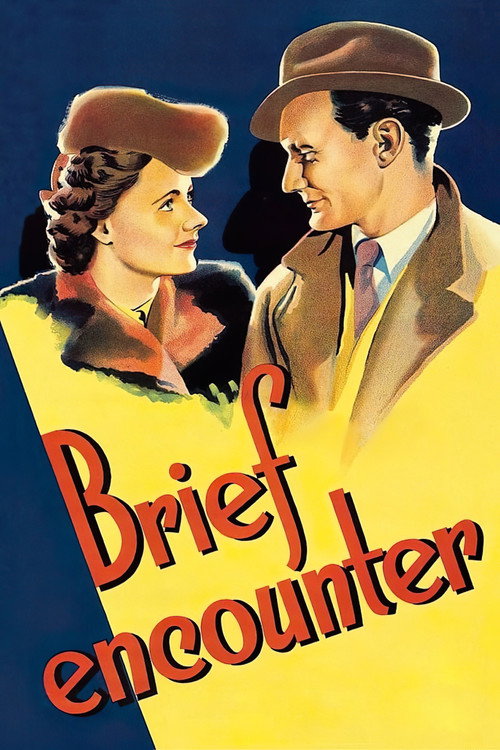
Brief Encounter1945
Coward and Lean's masterpiece of restrained passion and impossible love. It shares This Above All's sense that wartime romance exists in borrowed time, but with greater emotional precision and less propaganda.
But It's slow and deliberately anticlimactic. No grand gestures—just tea and train schedules and longing.
Not sure tonight? Get a pick in a minute, starting from This Above All
The wildcard
Something you would not have found on your own.
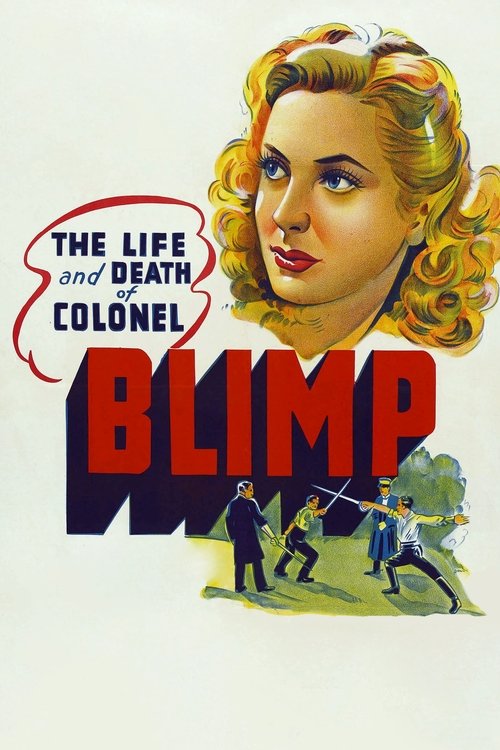
The Life and Death of Colonel Blimp1943
Both films ask the same question: does individual conscience trump the nation's demand? Both locate the answer in a relationship that forces the protagonist to choose between self-interest and duty. Both were made during the war, arguing about what the war was actually for.
Powell and Pressburger's audacious counterargument to wartime propaganda: a film that questions whether the old guard really understands what they're fighting for. It's romance, war, and ideology all braided together, shot in Technicolor that feels radical for 1943.
But It's nearly three hours and structurally avant-garde—jumping across decades, mixing registers. The argument is subtle and won't satisfy anyone wanting clear moral answers.
More like this (8)
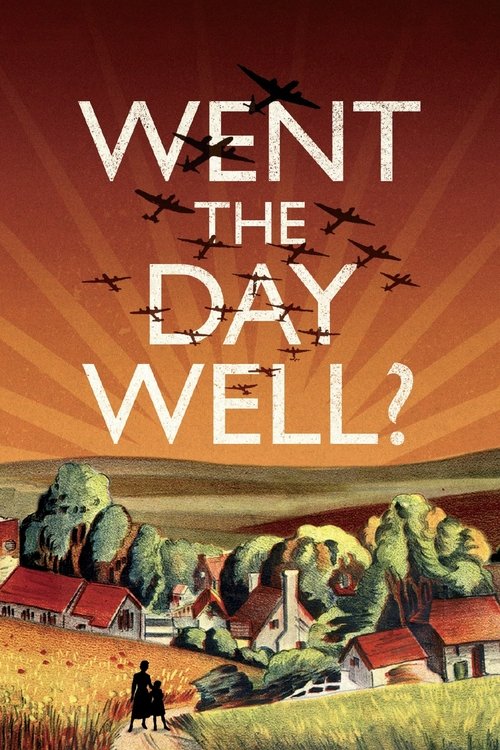
Went the Day Well?1942
A brilliant contemporaneous British wartime film that treats ordinary people with intelligence and moral seriousness. Less romantic, more suspenseful, but animated by the same belief in civilisation worth defending.
But It's grimmer and more violent than This Above All. The heroism here comes at a genuine cost.
The Red Shoes1948
Powell and Pressburger exploring duty and desire, art and love, with visual splendour that puts most wartime romances to shame. Technicolor passion that doesn't resolve sentimentally.
But It's largely about ballet and artistic obsession. If wartime context matters to you, this abandons it.

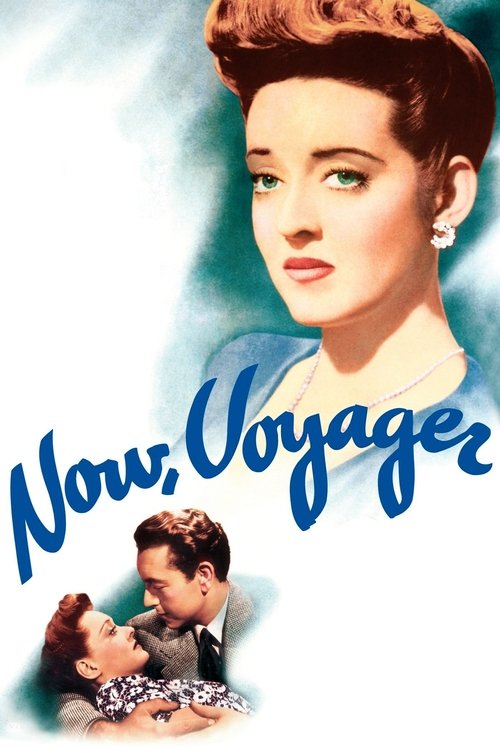
Now, Voyager1942
Bette Davis transforming from repressed to radiant, Bogart smitten and conflicted. Released the same year, it's a much better film about romantic compromise and choosing what matters most.
But It's melodrama with serious bite. The emotional palette is darker than This Above All's cleaner lines.
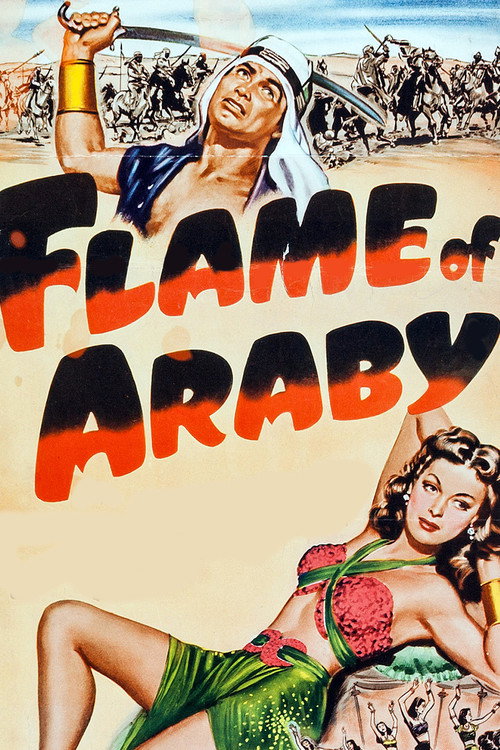
Flame of Araby1951
Maureen O'Hara and Jeff Chandler in Technicolor exoticism. If you loved the swoon in This Above All, here's romance stripped of propaganda and treated as pure spectacle and desire.
But It's utterly inconsequential. There's no moral weight, just beautiful people falling in love predictably.
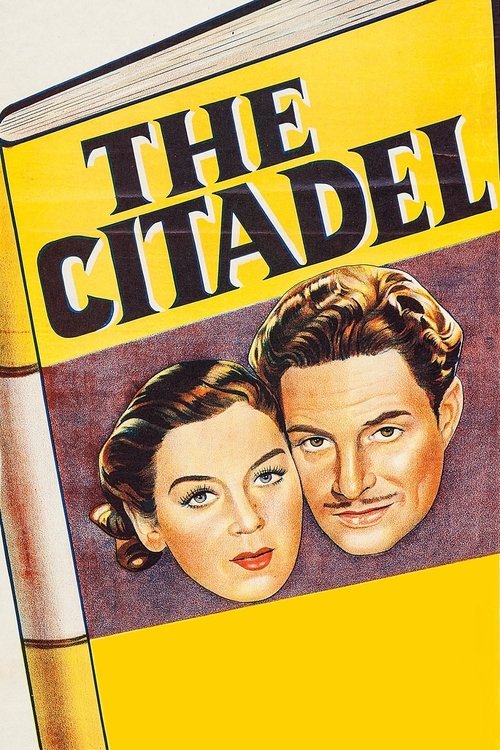
The Citadel1938
Robert Donat as a doctor torn between ambition and principle. It shares This Above All's interest in individual conscience versus social pressure, with better writing and a grittier worldview.
But It predates the war urgency. Some find its humanism dated or its conflicts parochial compared to wartime stakes.
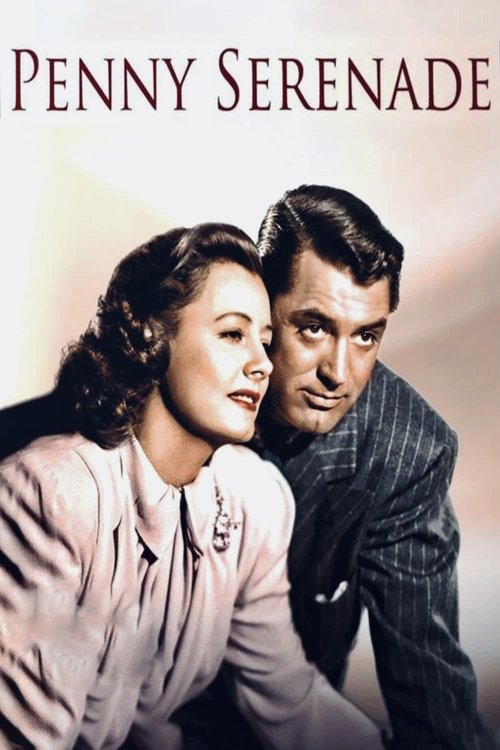
Penny Serenade1941
Cary Grant and Irene Dunne in genuine emotional turmoil. A wartime romance that prioritises real marital struggle over heroic clarity, finding dignity in ordinary sacrifice.
But It's a difficult watch about loss and compromise. The tone is quiet rather than sweeping, which some find deflating.
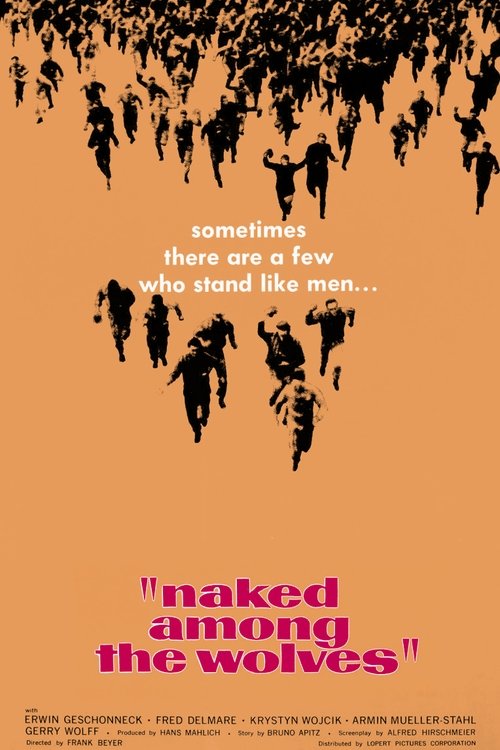
Naked Among Wolves1963
Both centre on a soldier's conscience during war and a relationship that costs him something. But this one strips away sentiment entirely to ask what duty really means when civilisation collapses entirely.
A German film about a prisoner at Buchenwald protecting a child. Where This Above All asks whether love and duty can coexist, this asks whether they survive catastrophe. Morally serious in ways wartime romance rarely attempts.
But It's unbearably bleak. The stakes aren't romance but survival under atrocity. Not for an evening wanting warmth.
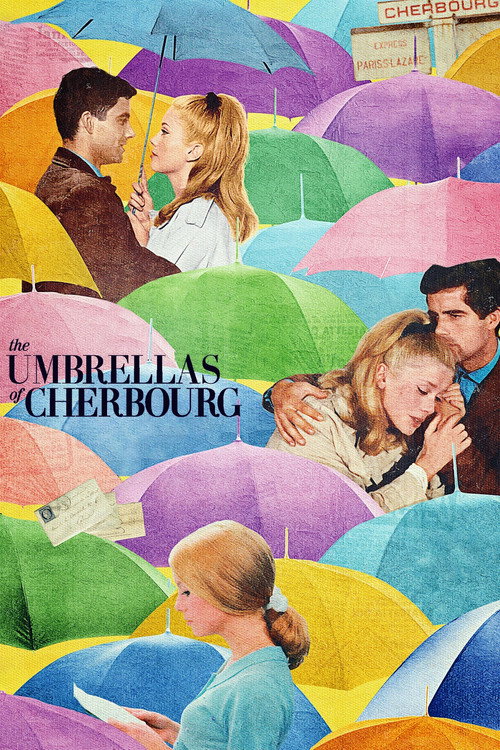
The Umbrellas of Cherbourg1964
Both films ask whether love survives when duty calls. This Above All says it ennobles you; Cherbourg says it doesn't, and watches the two lovers walk away into separate lives with achingly beautiful indifference. Same question. Opposite answer.
A postwar musical, gorgeously artificial, about love and separation. It refuses the certainty of This Above All's ending: here, people choose duty and lose each other, and the film treats this with colour and music rather than gravity. Heartbreaking and strange.
But It's in French, it's a musical, and it's fundamentally sad. If you want romance triumphant, this dissolves into regret and acceptance.
People
Cast
 Tyrone PowerClive Briggs
 Joan FontainePrudence Cathaway
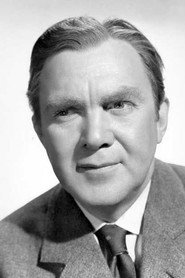 Thomas Mitchell"Monty" Montague
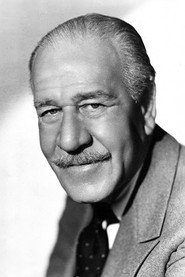 Henry StephensonGeneral Cathaway
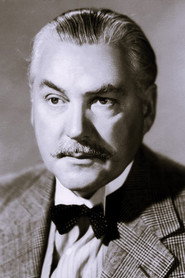 Nigel BruceRamsbottom
 Gladys CooperIris Cathaway
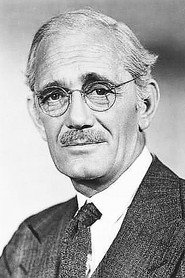 Philip MerivaleDr. Roger Cathaway
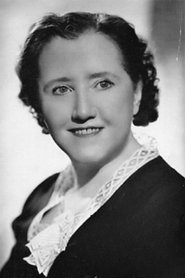 Sara AllgoodWaitress
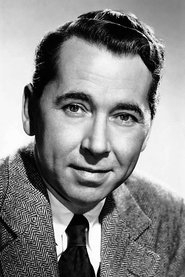 Alexander KnoxRector
 Queenie LeonardViolet Worthing
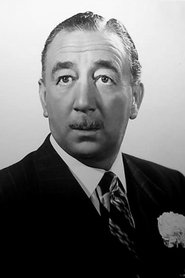 Melville CooperWilbur
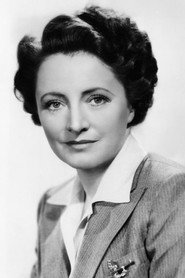 Jill EsmondNurse Emily Harvey
Directing
- Aaron RosenbergAssistant Director
- Anatole LitvakDirector
Writing
- Eric KnightNovel
- R.C. SherriffScreenplay
Production
- Robert BasslerAssociate Producer
- Darryl F. ZanuckProducer
- Robert KaneProduction Manager