
Film
Went the Day Well?
A 1942 Ealing thriller that turns a sleepy English village into a battlefield: friendly billeted soldiers are unmasked as German paratroopers, and the postmistress, the vicar and the local squire must decide how far they'll go to stop an invasion. Made as genuine wartime propaganda, it's brisk, blunt and startlingly violent for its time - reassurance and warning rolled into one tight ninety minutes.
If you liked this
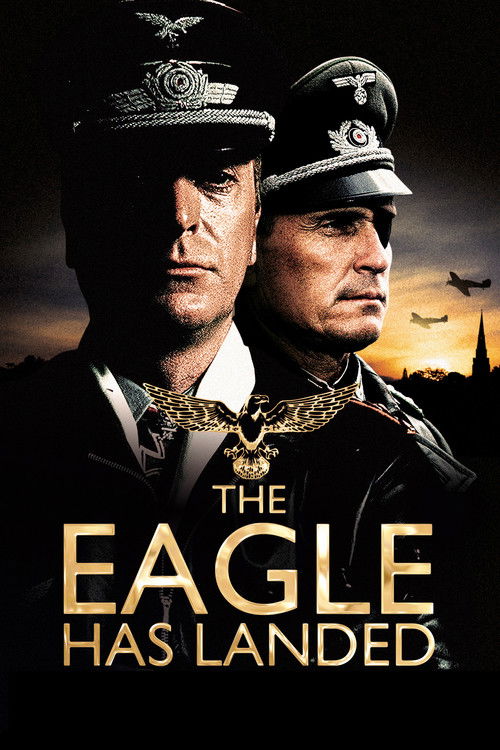
The Eagle Has Landed1976
Take the premise and flip it - real German commandos parachute into an English village to snatch Churchill, and the vicar and postmistress become just as central to stopping them.
But It's a glossier, star-studded 70s thriller with more sympathy for its German soldiers, softer edges than the wartime original.
49th Parallel1941no page yet
Powell and Pressburger send stranded U-boat Nazis trekking across Canada, testing ordinary civilians' resolve one encounter at a time, with the same wartime urgency and moral bluntness.
But Episodic structure means it drifts between vignettes rather than building one sustained, single-location siege.
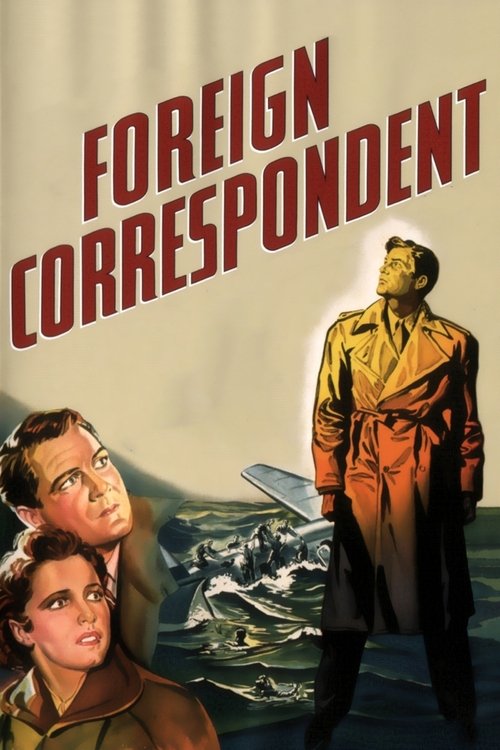
Foreign Correspondent1940
Hitchcock's own fifth-column thriller, made as war loomed, turns polite European drawing rooms into nests of hidden enemies with the same paranoid pleasure.
But An American hero and glossy studio polish make it feel less rooted in specific English soil than the film it echoes.
The wildcard
Something you would not have found on your own.
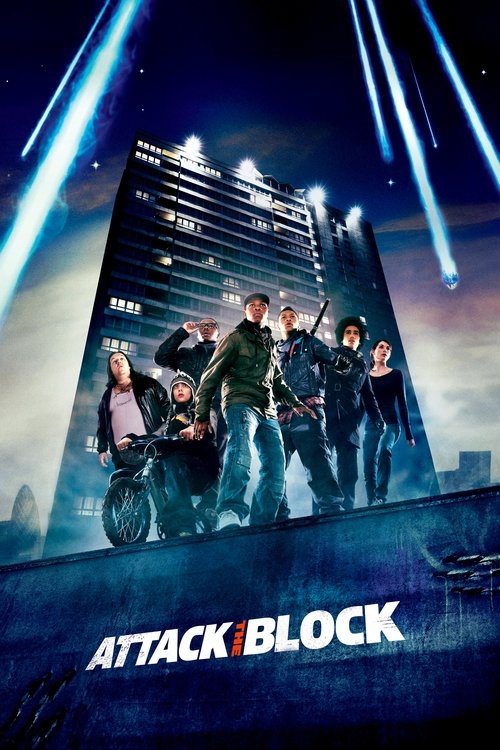
Attack the Block2011
Same engine as Went the Day Well? - ordinary residents realise the friendly-looking intruders in their community are the enemy, and have to become fighters using nothing but home-turf knowledge. Genre swaps war drama for alien-invasion action-comedy, but the shock of misplaced trust is identical.
A council estate under siege from something that isn't what it first appears, defended by kids nobody expected to be capable of anything - the same structural trick, dressed as alien-invasion comedy.
But It's loud, funny, and full of slang and CGI monsters - about as far from wartime restraint as you can get.
More like this (8)
Fires Were Started1943no page yet
Made by the same wartime propaganda machine, this docudrama follows real London firemen through the Blitz with unglamorous, lived-in detail that complements the fictional village siege.
But No spies, no twist - just quiet, procedural courage that some will find undramatic by comparison.
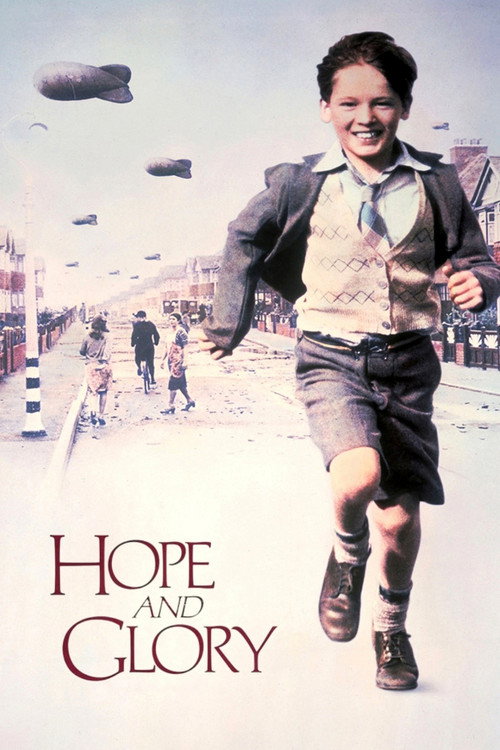
Hope and Glory1987
Boorman remembers the Blitz through a child's eyes, and it's the tonal opposite: warm, funny, nostalgic, but rooted in the same home-front England under threat.
But Gentle and coming-of-age rather than thriller, so anyone wanting suspense will find it too soft.
The Man Who Never Was1956no page yet
Britain's real wartime deception plan, told with the same brisk procedural nerve, proving the home front's cleverest weapons weren't always soldiers.
But True-story restraint makes it more cerebral than physically tense, light on the visceral danger of the original.
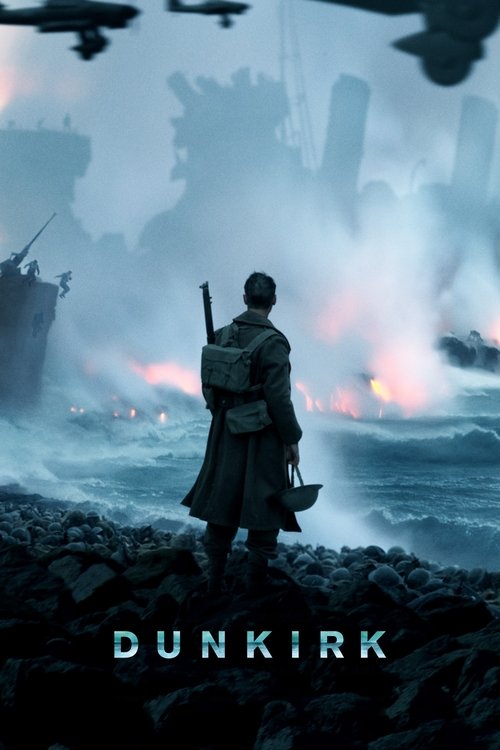
Dunkirk2017
Nolan's sensory, near-wordless account of Britain under existential threat shares the same clipped urgency and civilian stakes, just staged on beaches instead of village greens.
But Huge in scale and immersive in sound design, it's a very different kind of experience - loud where the original is hushed.
Anthropoid2016no page yet
Czech resistance fighters plot to kill a Nazi official, and the film doesn't flinch from what occupation and reprisal actually cost ordinary people.
But Grim and unsparing by the end, it trades the earlier film's dark comedy for straight tragedy.
The Imitation Game2014
A gentler entry point into the era's paranoia and secrecy, following the codebreakers whose quiet work decided the same war threatening villages like Bramley End.
But Handsome, mainstream biopic polish sits a long way from the original's rawer, stranger menace.

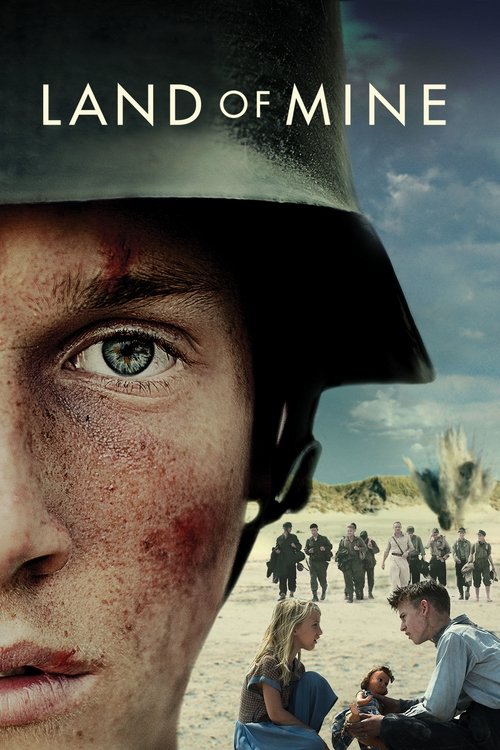
Land of Mine2015
Both strip away the comfort of easy sides - one shows a village turning ruthless against invaders, the other turns the camera on captured German boys and asks for sympathy anyway. Foreign language, a postwar setting, and a far more serious register invert the original's moral certainty.
Danish soldiers force German teenage POWs to clear the beaches of the mines they laid, asking the question Went the Day Well? never has to: what if the enemy is also just a frightened kid.
But Devastating and largely humourless, this is a much heavier watch with none of the earlier film's dark wit or village-hall camaraderie.
Island at War2004no page yet
It's the real-history counterpart to the film's fiction - occupation, collaboration and resistance in an English-speaking community - told as a slow-burn serial rather than a tight wartime thriller, swapping propaganda urgency for lived-in detail.
This miniseries dramatises the one part of Britain the Nazis actually occupied, the Channel Islands, stretching the same premise across hours instead of ninety minutes and letting the moral compromises breathe.
But Slower and more soap-opera in structure, without the compressed dread of a single village under siege for one day.
People
Cast
 Leslie BanksOliver Wilsford
 Elizabeth AllanPeggy
 Frank LawtonTom Sturry
 Basil SydneyMajor Hammond / Kommandant Orlter
 Valerie TaylorNora Ashton
 Mervyn JohnsCharlie Sims
 Edward RigbyBill Purvis
 Marie LohrMrs. Dolly Fraser
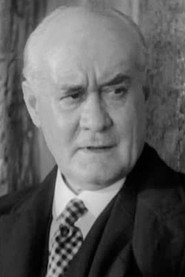 C. V. FranceThe Vicar Ashton
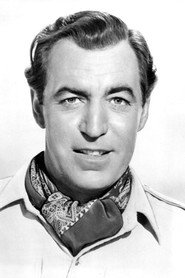 David FarrarLieutenant Jung
- Muriel GeorgeMrs. Collins
 Thora HirdIvy
Directing
- Alberto CavalcantiDirector
Writing
- Graham GreeneOriginal Story
- Angus MacPhailScreenplay
- Diana MorganScreenplay
- John DightonScreenplay
- Angus MacPhailStory
- Diana MorganStory
- John DightonStory
Production
- S.C. BalconAssociate Producer
- Michael BalconProducer
- Hal MasonProduction Manager
- John CroydonProduction Supervisor
Recommended by
Dad's Army, 'Allo 'Allo!, Hope and Glory, Mrs. Miniver, Foyle's War, The Eagle Has Landed