
Film
Millions Like Us
A 1943 British wartime drama following Celia, conscripted into aircraft manufacture instead of the glamorous service she'd hoped for. She bonds with women from across the class divide and falls for an RAF pilot. It's a sincere ensemble portrait of ordinary lives reshaped by war—funny, sad, unsentimental. For anyone drawn to how cinema captures a moment in time.
If you liked this
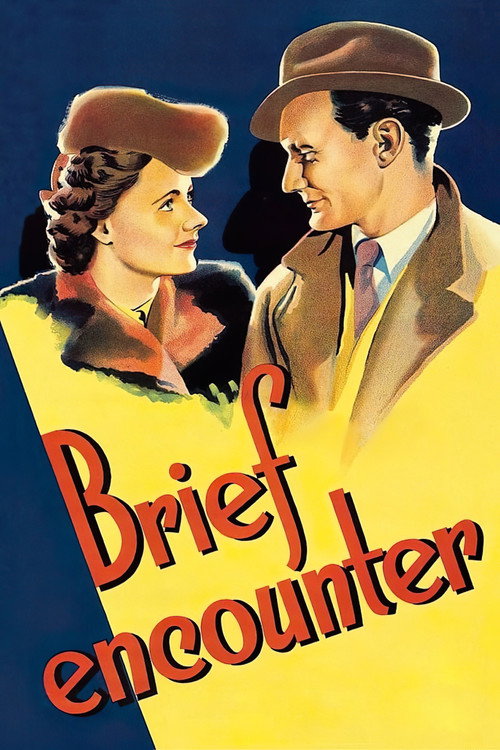
Brief Encounter1945
Coward's perfect anatomy of illicit desire between two ordinary people, filmed with such visual grace that a stolen afternoon becomes devastating. British cinema at its most restrained and most moving.
But The pacing is glacial by modern standards, and the emotional register is so controlled it can feel cold until you realise that's exactly the point.
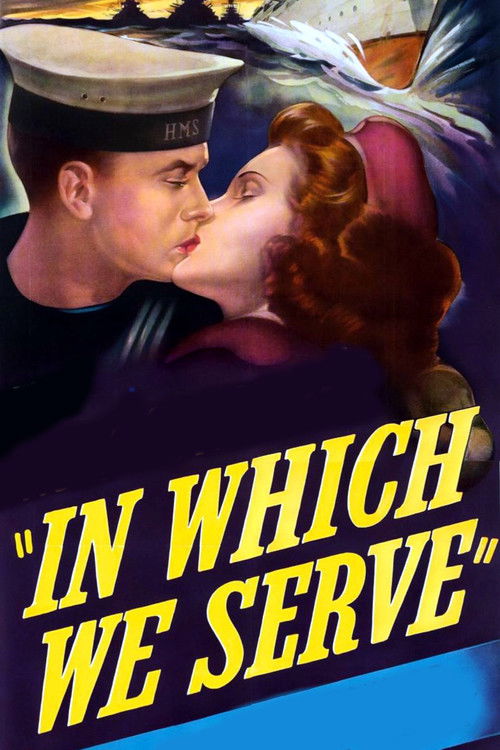
In Which We Serve1942
Coward again, this time directing alongside David Lean, following a naval destroyer and the interconnected lives of its crew. Patriotic without being mawkish, intimate within epic scope. A masterclass in ensemble storytelling.
But It's explicitly propaganda, made during wartime, and the jingoism—however well-intentioned—can feel dated and narrow now.
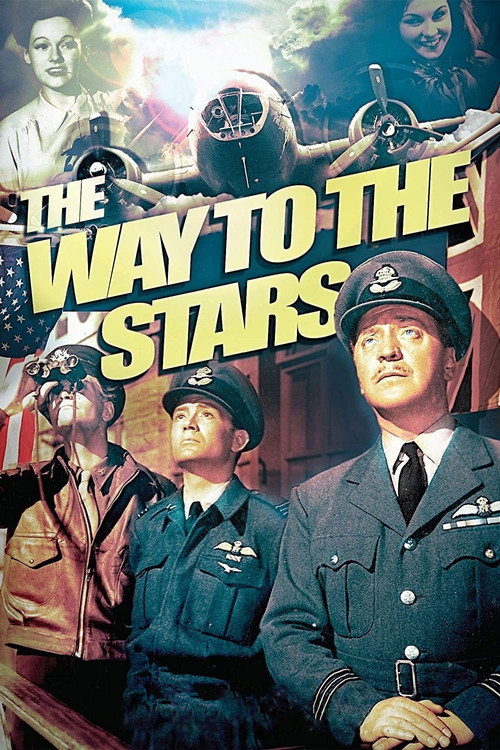
The Way to the Stars1945
Another RAF story, this one set in a bomber station, tracking friendships and romance amid constant danger. Beautifully acted, funny in the right moments, genuinely moving without ever breaking character.
But It's genteel by design, which some viewers find evasive. The film has no interest in showing you the cost of war beyond what it does to the heart.
Not sure tonight? Get a pick in a minute, starting from Millions Like Us
The wildcard
Something you would not have found on your own.
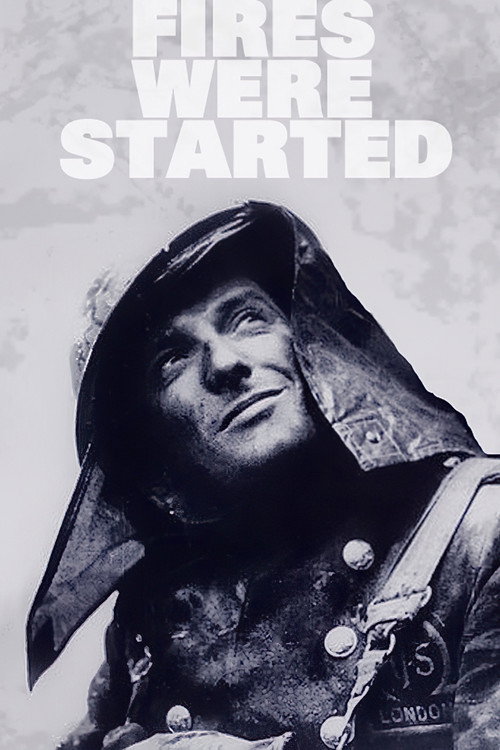
Fires Were Started1943
Both are wartime ensemble pieces that find poetry in ordinary civilian life, built on the quiet heroism of people who never asked to be heroes. Both trust their audience.
Humphrey Jennings' documentary-drama hybrid about the London Fire Brigade during the Blitz. It's not quite narrative, not quite documentary—it has the feel of witnessing something real. Poetic without being false, urgent without being shrill. One of the finest British films ever made.
But The rhythm is nothing like conventional drama. Dialogue is sparse, and the film trusts you to find meaning in images and silences. Some will find it slow.
More like this (8)
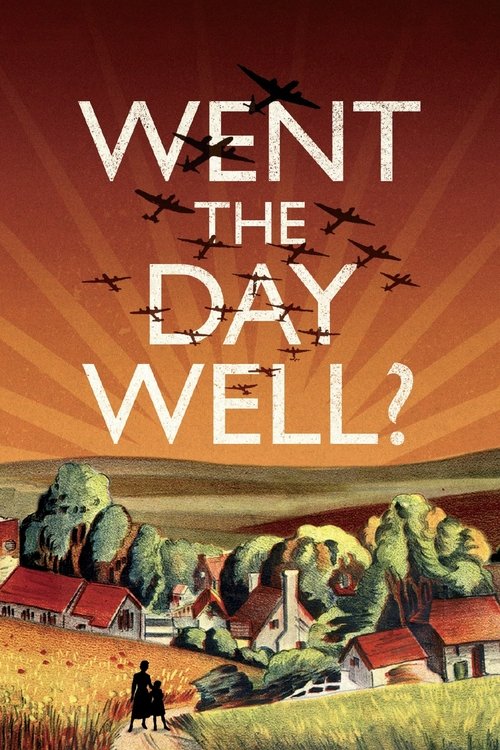
Went the Day Well?1942
A small English village discovers German paratroops have landed nearby. Tense, clever, and genuinely unsettling—it treats ordinary civilians as heroes without sentimentalising them, and finds real menace in the quotidian.
But It's very much a product of its moment, and the propaganda element is more visible here than in subtler films. The pacing can feel creaky.
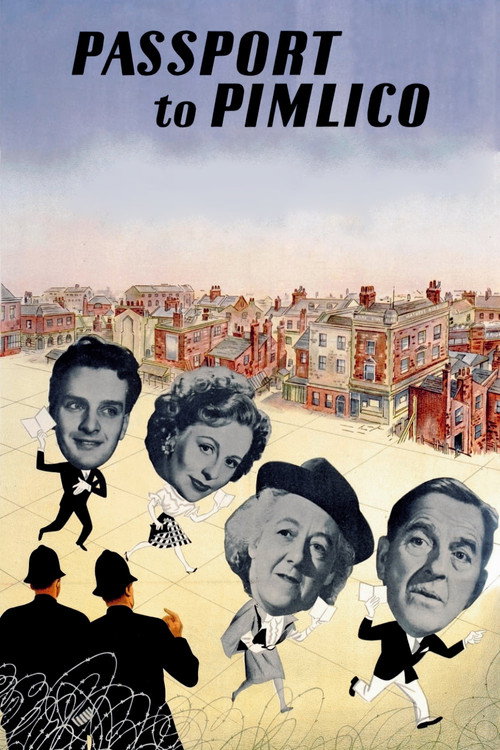
Passport to Pimlico1949
A Ealing comedy about a London neighbourhood that discovers it's technically Dutch territory, leading to cheerful anarchic chaos. It's funny, it's clever, and it captures post-war British life with affection and wit.
But The humour is genteel and very specifically British, which means you have to be attuned to the rhythm. And it's fundamentally slight.
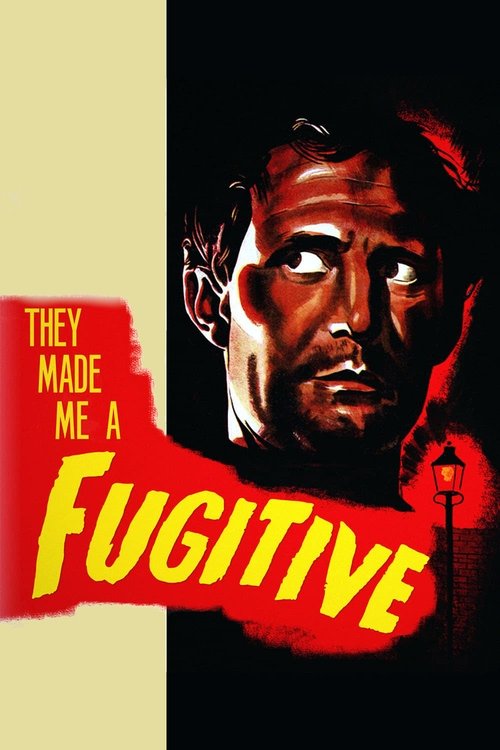
They Made Me a Fugitive1947
A darker turn on the British crime film—ruthless, cynical, visually inventive. Dirk Bogarde is mesmerising as a good man drawn into the underworld. It's noir with a British accent and a bitter edge.
But The print quality can be rough, and the plot occasionally lurches in unconvincing ways. It's also relentlessly grim.
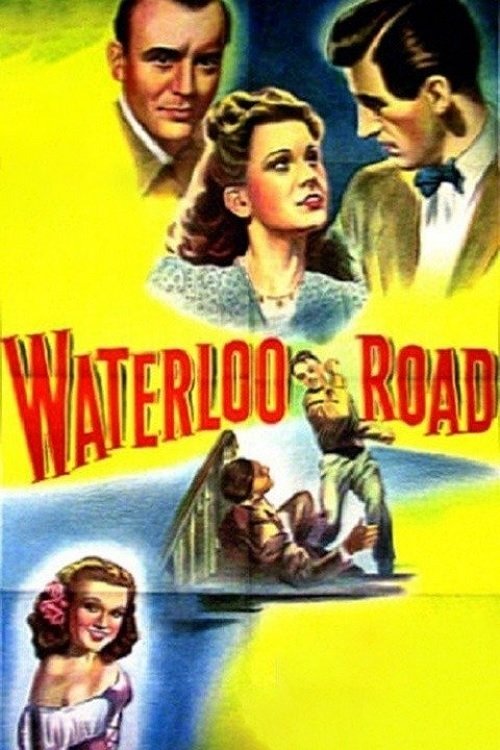
Waterloo Road1945
A working-class soldier returns on leave to find his wife unfaithful. It's melodrama treated as social realism, funny and painful and utterly unpretentious. Genuine feeling without a trace of false notes.
But The film moves quickly and assumes you're keeping up with its emotional logic. Some scenes are jarringly abrupt.
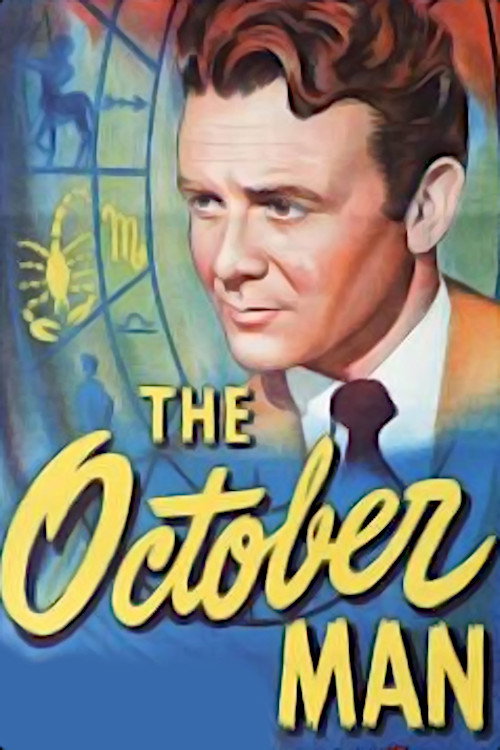
The October Man1947
A man recovering from a head injury is suspected of murder in his seaside boarding house. Psychological drama masquerading as a thriller, with real interiority and unease. Deeply humane despite its dark premise.
But It's a small film about small lives, and the mystery element is secondary to the character work. If you want plot momentum, you'll be frustrated.
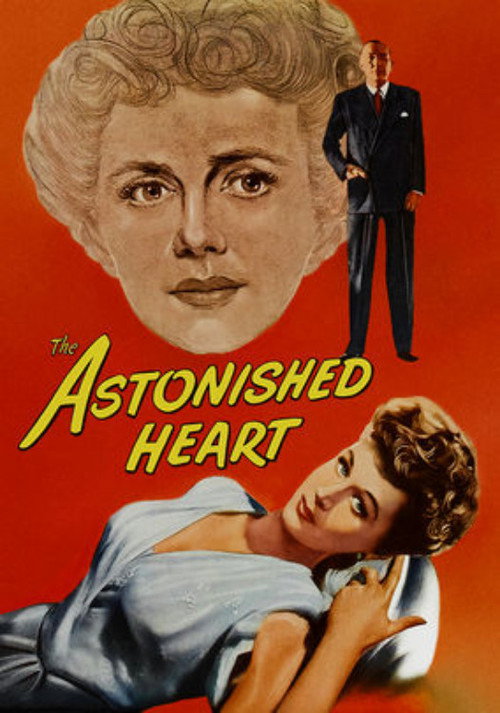
The Astonished Heart1950
Coward again, starring in this melodrama about a psychiatrist's marriage fracturing under the weight of his affair. It's overwrought and absolutely sincere—a strange, fascinating artifact of a very particular kind of mid-century anguish.
But The performance styles feel theatrical and excessive now. You have to surrender to its specific emotional register or it will seem risible.
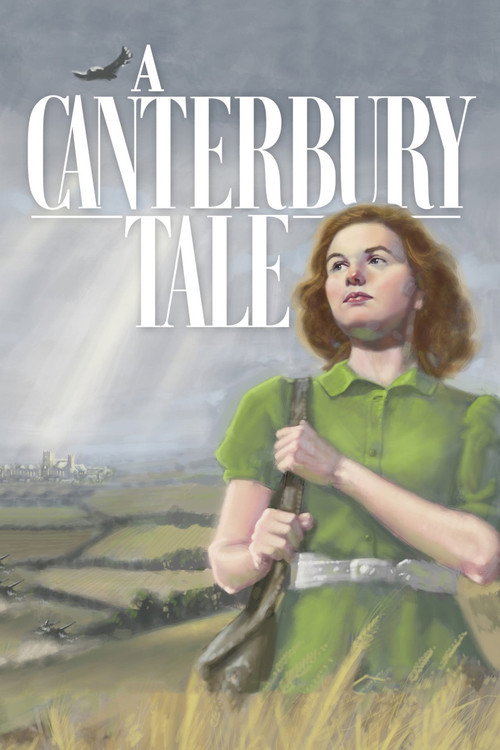
A Canterbury Tale1944
Like Millions Like Us, it brings together people from different walks of life and finds something transcendent in their ordinary collision. Both are love letters to Britain that don't pretend Britain is perfect.
Powell and Pressburger's glorious, strange meditation on England and belonging, set in a Kent village where three strangers—a soldier, a land girl, and an American GI—are thrown together. It's dreamlike, funny, mystical, and completely itself.
But It's odd in ways that won't immediately cohere. The plot is slight, and the film's interest in England as spiritual geography will perplex anyone looking for straightforward narrative.
Kes1970
Both films centre working-class and overlooked lives with absolute seriousness and tenderness. Both trust that the small moments of connection between people are the real story. Both were made by filmmakers who saw their subjects clearly.
Ken Loach's film about a working-class boy in Yorkshire and his relationship with a wild kestrel. It's gorgeously shot, profoundly moving, and captures the inner lives of people society has written off. A masterpiece of empathy.
But It's set decades later and in a grimmer social realism than Millions Like Us allows. The ending is devastating. It requires patience with long scenes of ordinary life.

People
Cast
 Patricia RocCelia Crowson
 Gordon JacksonFred Blake
 Anne CrawfordJennifer Knowles
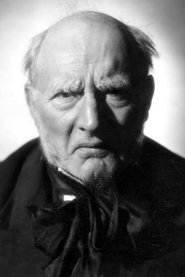 Moore MarriottJim Crowson
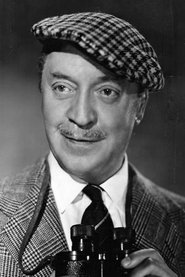 Basil RadfordCharters
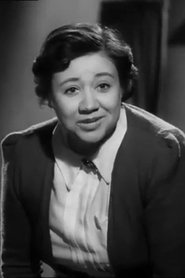 Megs JenkinsGwen Price
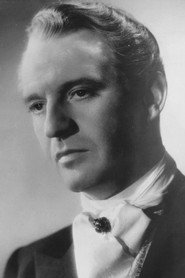 Eric PortmanCharlie Forbes
 Joy SheltonPhyllis Crowson
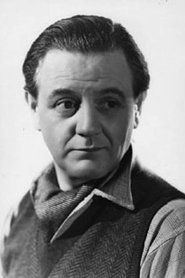 Naunton WayneCaldicott
- Terry RandallAnnie
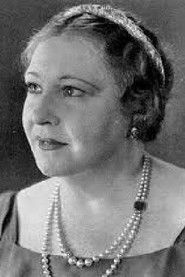 Amy VenessMrs. Blythe
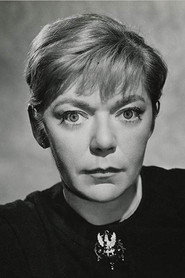 Brenda BruceBrenda
Directing
- Frank LaunderDirector
- Sidney GilliatDirector
Writing
- Frank LaunderScreenplay
- Sidney GilliatScreenplay
Production
- Maurice OstrerExecutive Producer
- Edward BlackProducer
Recommended by
This Happy Breed, The Great War, Hue and Cry, Waterloo Road, The Gentle Sex, Fiddlers Three, Here Come the Huggetts