
Film
Fiddlers Three
- Comedy
- Time-travel sci-fi
- Portal fantasy
- Light-hearted
A wartime British comedy that whisks two soldiers and a sailor back to ancient Rome via a lightning bolt at Stonehenge. It's silly, stagey, and stuffed with music-hall gags—the kind of thing made to lift spirits on the home front. Perfect if you love vaudeville energy and don't mind historical accuracy being cheerfully sacrificed for laughs.
If you liked this
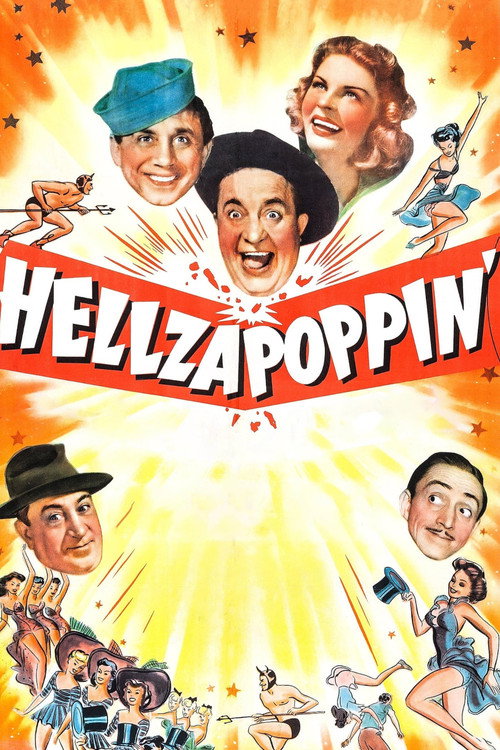
Hellzapoppin'1941
An American vaudeville explosion that influenced British comedies like this one. Barely coherent plot, constantly breaking the fourth wall, gags piling on gags. Pure entertainment as assault.
But The pacing feels frantic and exhausting if you prefer narrative or character development. Dated topical jokes land unevenly.
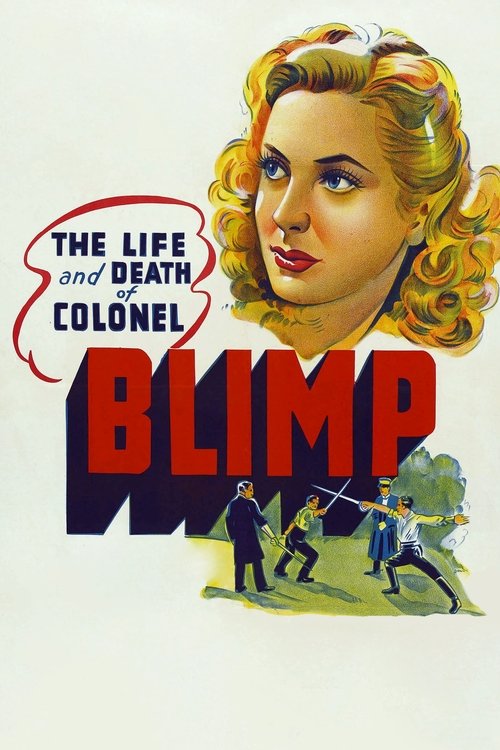
The Life and Death of Colonel Blimp1943
Powell and Pressburger's glorious Technicolor fantasia shows what British cinema could do during wartime—visually sumptuous and formally daring while still being entertaining and patriotic.
But It's far more serious and melancholic than Fiddlers Three. If you want lightness, this meditative romance about aging and duty might feel heavy.
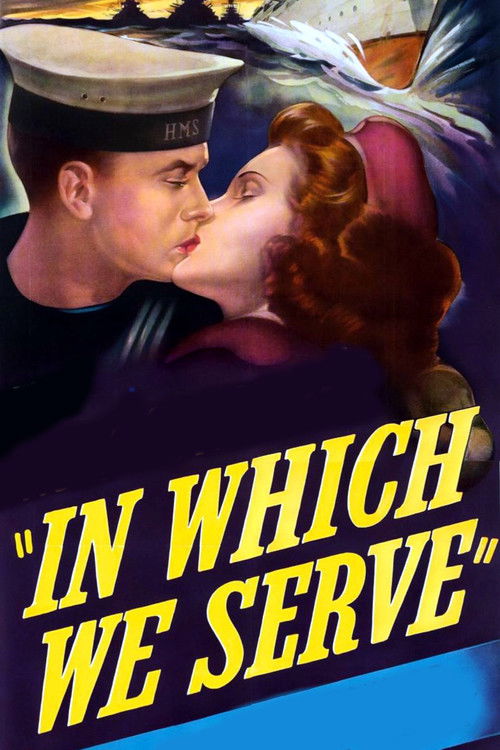
In Which We Serve1942
Noël Coward's wartime drama about a naval vessel, crackling with intelligence and genuine emotion. Shows the other register British wartime cinema could hit—stirring without being lightweight.
But It's a proper drama with real stakes and loss. Nothing like the burlesque energy of Fiddlers Three, so tonal whiplash is possible.
Not sure tonight? Get a pick in a minute, starting from Fiddlers Three
The wildcard
Something you would not have found on your own.
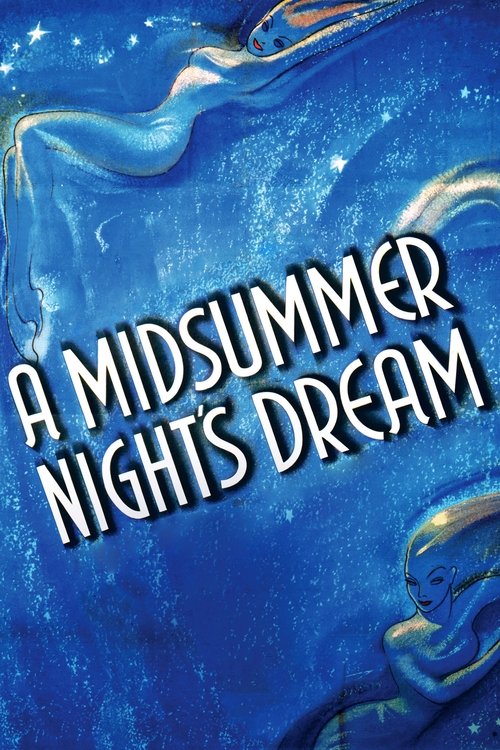
A Midsummer Night's Dream1935
Both treat their source material (Stonehenge magic, Shakespearean verse) as scaffolding for spectacle and vaudeville. Both believe entertainment and beauty can coexist with absurdity.
Max Reinhardt's mad, visually ecstatic adaptation of Shakespeare treats the play as pure entertainment: a dream, a spell, a music-hall turn. Like Fiddlers Three, it's silly and gorgeous and refuses to apologise for either. Magic via spectacle and whimsy.
But At 145 minutes it's bloated and self-indulgent. The reverent approach to Shakespeare grates if you prefer the comedy to land quick and sharp.
More like this (7)
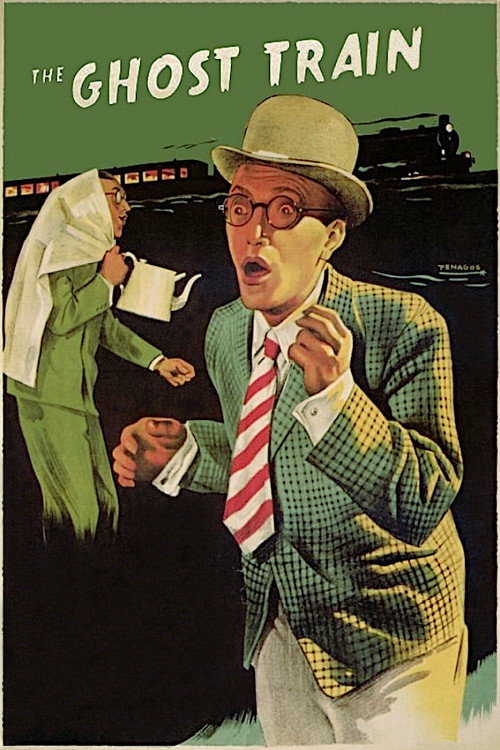
The Ghost Train1941
Comedy-thriller with Jack Hulbert full of slapstick, absurd logic, and music-hall timing. The energy and willingness to be ridiculous sits close to Fiddlers Three's wavelength.
But The production values are threadbare and the plotting genuinely confusing. It relies entirely on performer charisma.
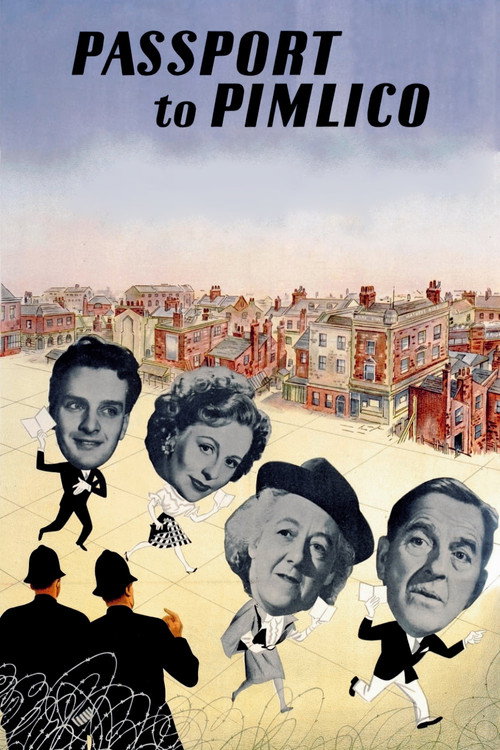
Passport to Pimlico1949
Ealing's cheerful postwar comedy about a London neighbourhood declaring independence. Smart enough to engage the brain, silly enough to make you grin. Everything that wartime entertainment aspired to.
But It's gentler and more sentimental than Fiddlers Three's manic energy. If you want constant gags over character, this will feel slow.
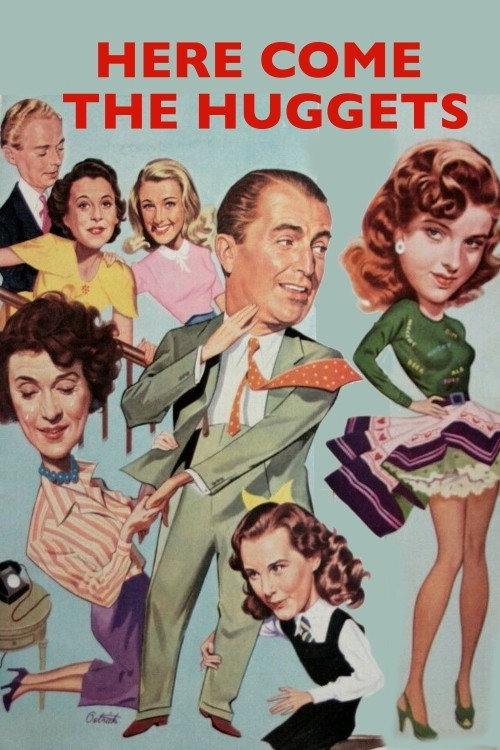
Here Come the Huggetts1948
A family comedy with music and variety turns, capturing the homely British entertainment that Fiddlers Three belongs to. Warm, unpretentious, full of personality.
But By modern standards it feels sluggish and quaint. The humour is domestic and gentle rather than zinging.
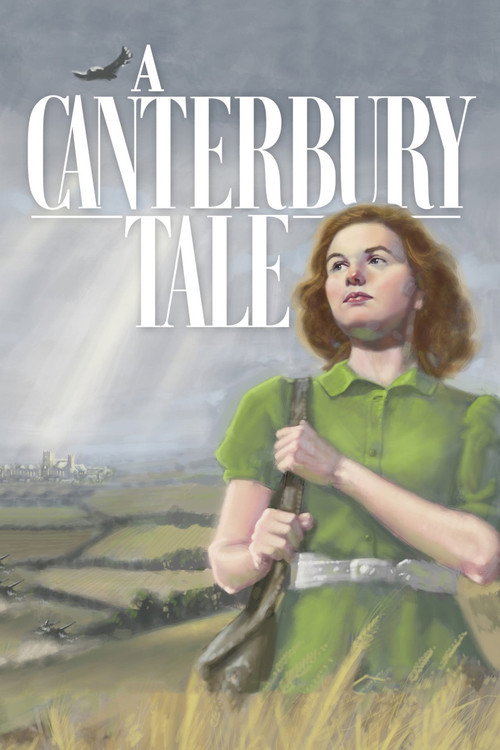
A Canterbury Tale1944
Powell and Pressburger again, but this time playful and eerie, mixing history with contemporary mystery. Shows how British cinema could be imaginative and strange within wartime constraints.
But The tonal shifts are genuinely unsettling—it's not trying to be consistently funny. Some find it precious.
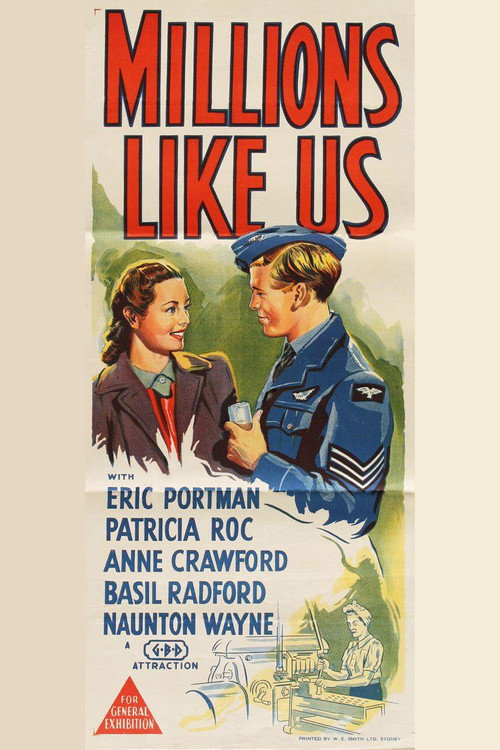
Millions Like Us1943
A comedy-drama about women in wartime factories. It has charm, musical numbers, and captures the slightly manic spirit of keeping spirits up during rationing and blackouts.
But The romance plotline is sentimental and the drama can feel heavy-handed. Tonal balance isn't always secure.
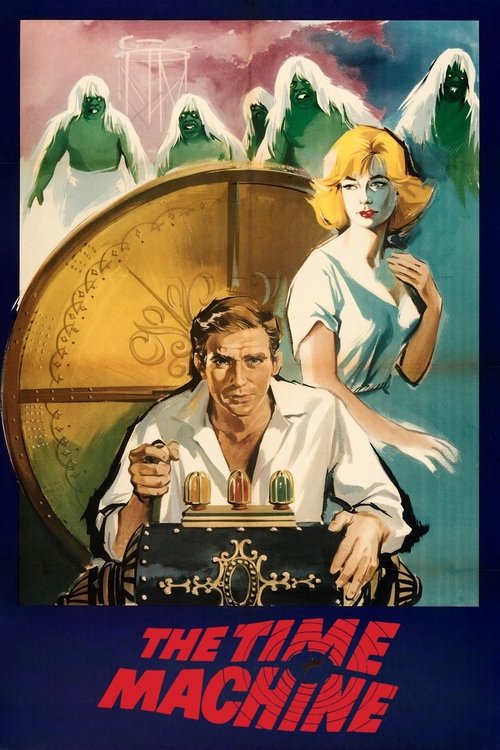
The Time Machine1960
Both drop British characters into unfamiliar time periods and use that displacement to generate comedy or drama. Both ask what happens when you remove people from their world.
An adventure that uses time travel as a lens to explore ideas about progress and decadence. The Morlocks and Eloi let H.G. Wells examine class and evolution. It's elegant science fiction, not a gag—but shares the transport-through-time structure.
But It's serious and melancholic where Fiddlers Three is frivolous. The Cold War anxieties underneath will feel miles away from vaudeville comedy.
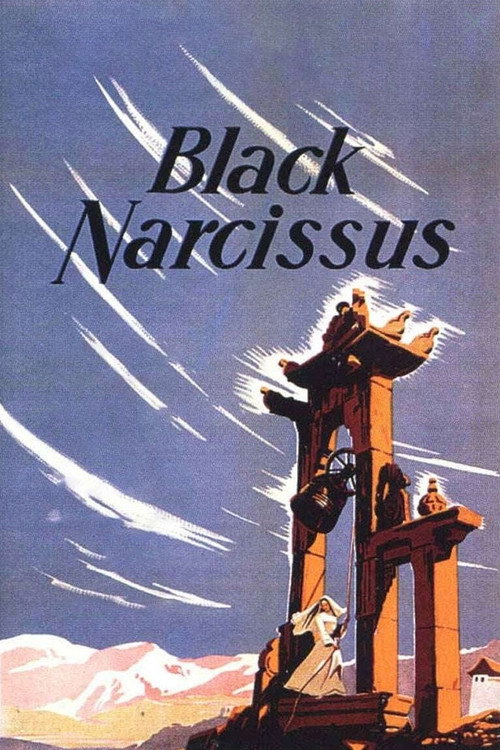
Black Narcissus1947
Both are British films from the 1940s using exotic locations and impossible scenarios (lightning time travel, mountain isolation) to tell stories about desire and displacement. Both are unashamed about visual beauty.
Powell and Pressburger's astonishing colour fantasy about nuns in the Himalayas—repression, longing, and landscape colliding. Shows what Technicolor British cinema could be at its most ambitious and sensual.
But It's intoxicating but claustrophobic, eerie and sexual. Nothing like the breezy entertainment Fiddlers Three aims for. Dense and difficult.
People
Cast
 Tommy TrinderTommy Taylor
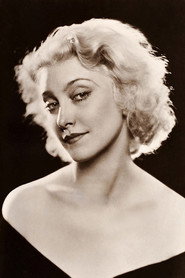 Frances DayPoppaea
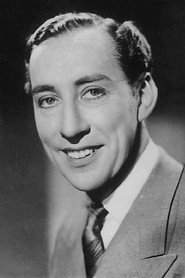 Sonnie HaleThe Professor
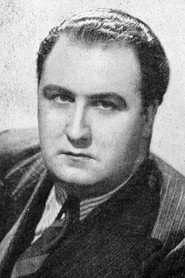
 Diana DeckerLydia
- Elisabeth WelchNora
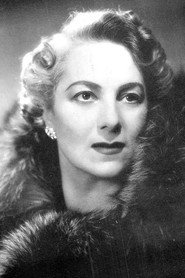 Mary ClareVolumnia
- Ernest MiltonTitus
 Frederick PiperAuctioneer
 Robert WyndhamLionkeeper
 Russell ThorndikeHigh Priest
 Danny GreenLictor
Directing
- Harry WattDirector
Writing
- Angus MacPhailScreenplay
- Diana MorganScreenplay
Production
- Robert HamerAssociate Producer
- Michael BalconProducer
- Hal MasonProduction Supervisor
- Ronald BrantfordUnit Manager