
Film
A Midsummer Night's Dream
Other titles called A Midsummer Night's Dream: the 1968 film, the 1996 film, the 1999 film, the 2016 film.
- Comedy
- Light-hearted
Reinhardt's 1935 film cracks open Shakespeare's enchanted forest with sumptuous sets, a real orchestra, and enough visual spectacle to match the magic. It's playful, romantic, occasionally sentimental, and utterly committed to the absurdity of love and desire. For anyone curious what a golden-age studio could do with the Bard when money and ambition met zero restraint.
Should you watch it?
Watch it if you love Shakespeare's wordplay and enjoy a stage-bound, theatrical fantasy where the artifice is part of the pleasure, like the 1935 Warner Bros. take on the play with Mickey Rooney's mischief.
Skip it if you want a snappy, modern pace; at nearly two and a half hours, the 1935 studio version lingers in its verse and its heavy, painted-on forest romance.
What it asks of you: It asks for patience with old-fashioned acting and long stretches of blank verse, plus a willingness to let the lovers' confusion play out at a leisurely, operetta-like tempo.
Not sure? Find tonight's pick in a minute.
If you liked this
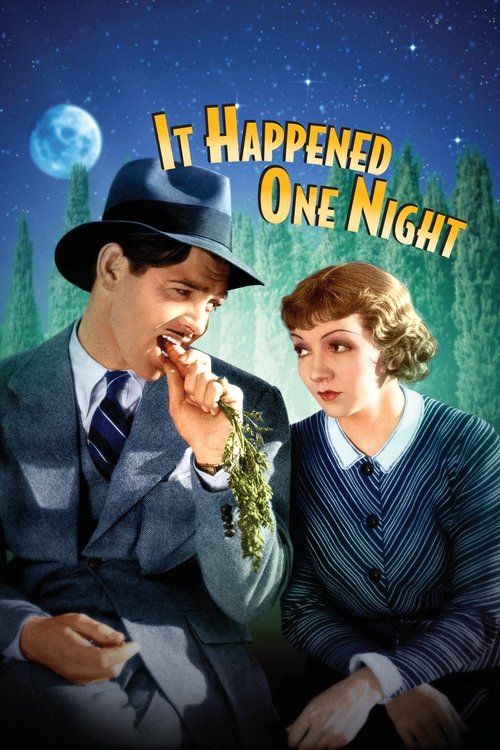
It Happened One Night1934
A desperate escape becomes a love story through screwball dialogue and perfect comedic timing. Capra's rhythm is infectious, and the chemistry between Gable and Colbert proves romantic comedy doesn't need magic—just charm and truth.
But The gender politics feel dated, and its formula has been replayed so many times it reads as obvious now.
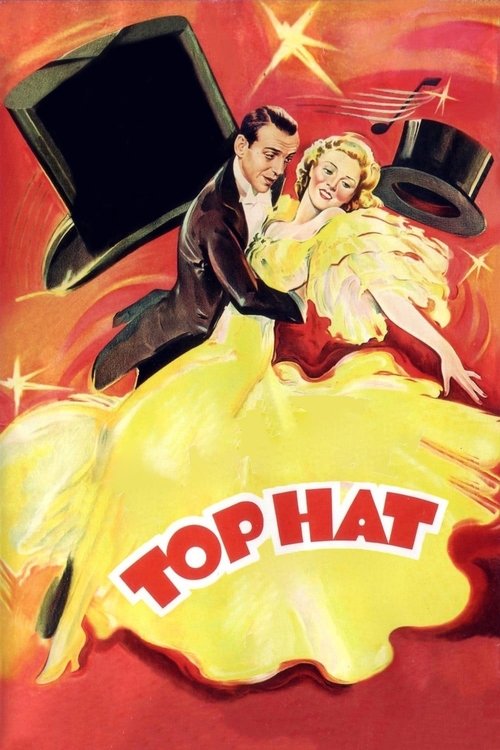
Top Hat1935
Astaire and Rogers dance through a frothy plot about mistaken identity and romantic chaos. The musical numbers are pure joy; watching them move together is watching perfection calibrate itself in real time.
But The plot is gossamer-thin and exists only to get them to the next dance. If you don't care about the dancing, there's not much left.
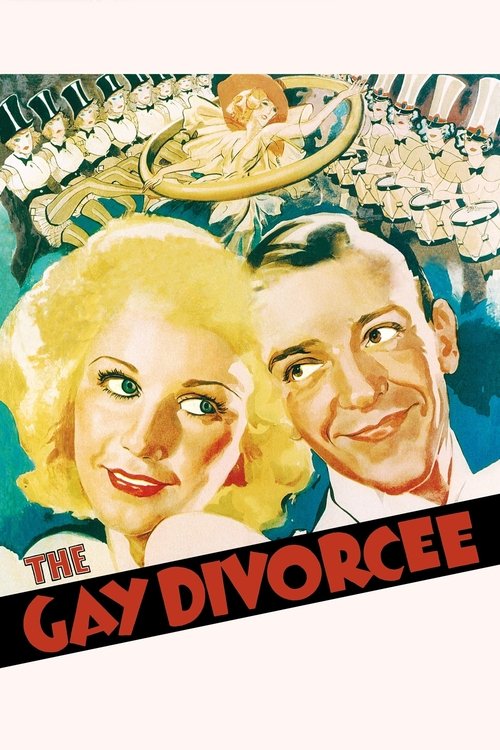
The Gay Divorcee1934
Another Astaire-Rogers gem where confusion, wit, and elaborate song-and-dance routines spin a lightweight story into something irresistible. The 'Night and Day' number alone justifies the ticket.
But It's even thinner than Top Hat—plot barely exists. The comedy can feel broad and the romantic entanglement occasionally strains credibility.
Not sure tonight? Get a pick in a minute, starting from A Midsummer Night's Dream
The wildcard
Something you would not have found on your own.
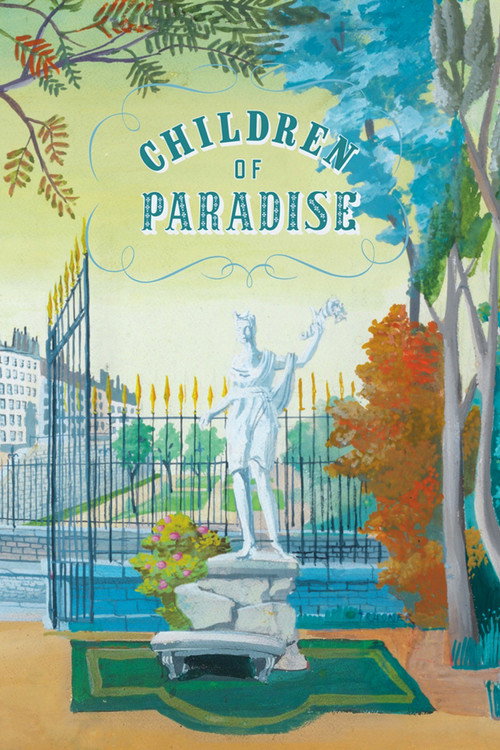
Children of Paradise1945
Both pit lovers against supernatural or societal forces; both find cinema's essence in the artifice of performance itself—the magic is the point.
A film about theater-people in love, set in 19th-century Paris. It moves between comedy, romance, tragedy, and dreams with the fluidity of a stage production. Carné's masterpiece about the magic of performance and the costliness of desire.
But It's in French with subtitles, runs nearly three hours, and assumes patience with lengthy scenes of dialogue and character. It's dense and emotionally demanding.
More like this (8)
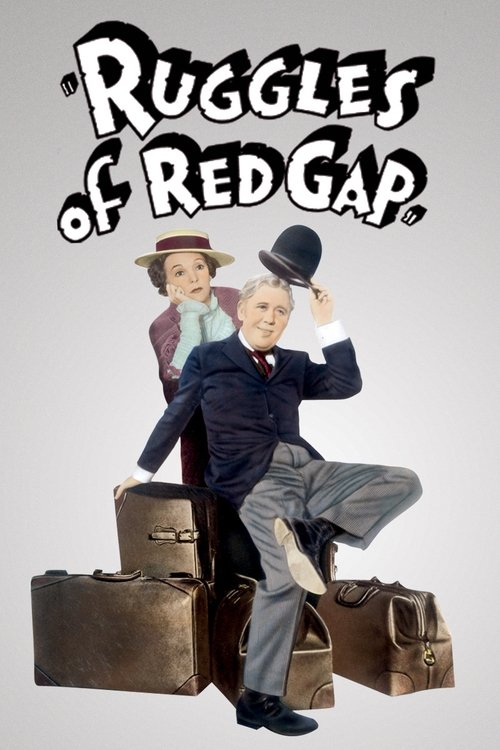
Ruggles of Red Gap1935
A refined English butler enters the American frontier and everything unravels hilariously. Laughton's performance is warm and funny, the culture clash generates genuine wit, and it builds to something unexpectedly touching.
But The rural Americana setting and broad character types feel very much of their era. The humor sits differently now.
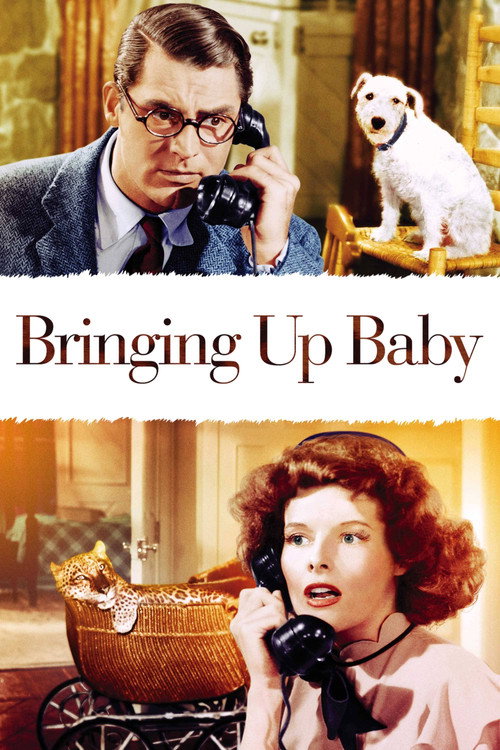
Bringing Up Baby1938
Chaos comedy perfected. Grant and Hepburn crash through a script full of absurd complications, mistaken identities, and a leopard, all moving at breakneck speed with dialogue so snappy it still feels fresh.
But The frenetic pace and overlapping dialogue are exhausting if you're not in the mood. It requires active attention and rewards it.
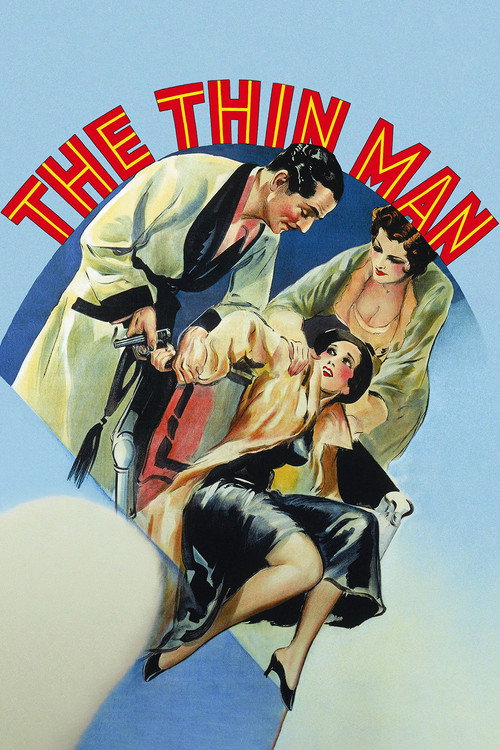
The Thin Man1934
A murder mystery that doesn't take itself seriously, carried by Powell and Loy's electric banter and their obvious affection for each other. Witty, breezy, and genuinely clever about plot while focusing on charm.
But The mystery itself is secondary to the personality; if you want a tightly constructed whodunit, this isn't it.
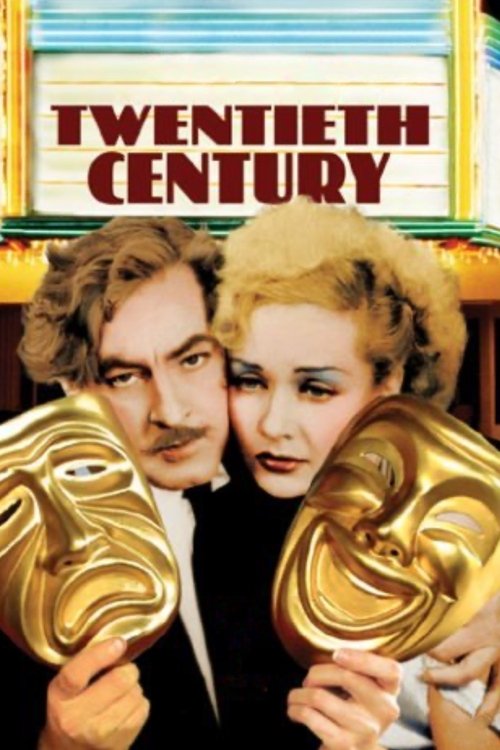
Twentieth Century1934
John Barrymore and Carole Lombard tear through a madcap script set on a speeding train. It's theatrical, exaggerated, and hilarious—two egomaniacs at war, but the chemistry suggests they belong together.
But It's very broad. The acting is deliberately outsized and the plot is deliberately silly. Subtlety is not the mission.
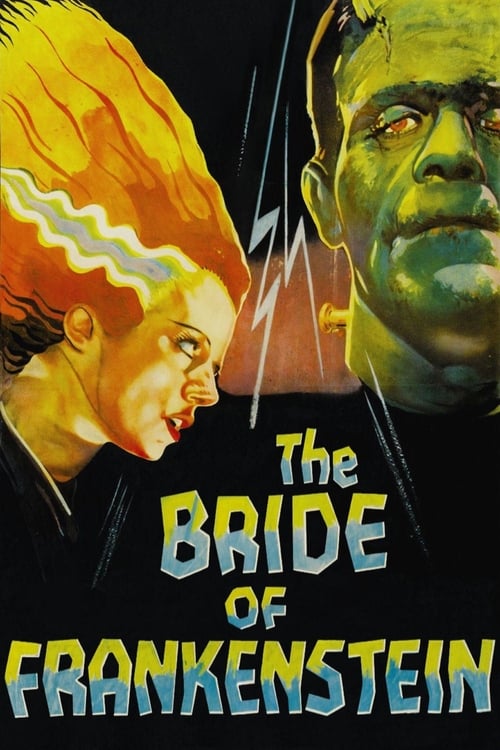
Bride of Frankenstein1935
Universal's sequel finds unexpected pathos alongside the horror. The monster has learned to speak and desire; the film toys with sympathy and monstrosity in ways that feel genuinely thoughtful beneath the Gothic camp.
But The horror elements are tame by modern standards, and the tonal shifts between comedy and darkness can feel uneven.
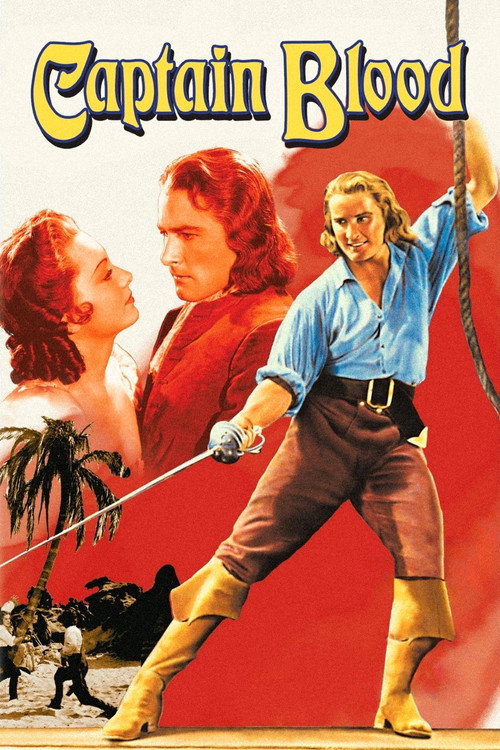
Captain Blood1935
Errol Flynn's debut as a swashbuckling pirate is pure adventure—sword fights, naval spectacle, and charisma in buckles. It moves like a dream and assumes you're here for thrills, not complication.
But The plot is straightforward to the point of simplicity. The romance is obligatory. If you want substance, this isn't where you'll find it.
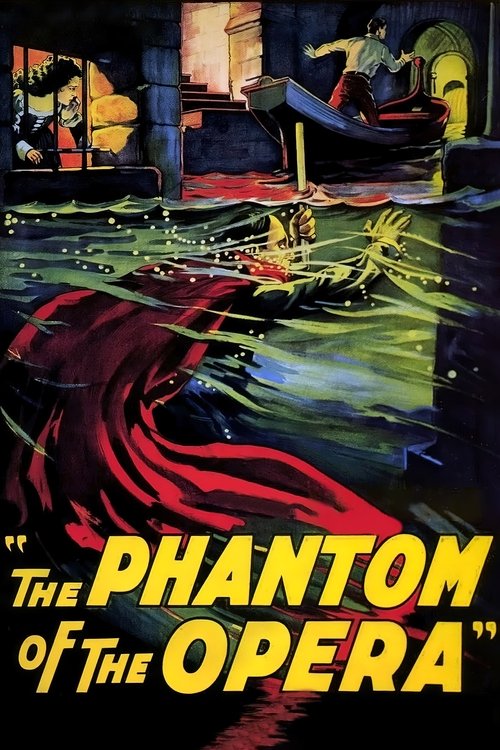
The Phantom of the Opera1925
Both use grand visual design to conjure an enchanted space where normal rules dissolve; both feature characters under spells of desire they cannot break.
Lon Chaney's silent masterpiece is visual spectacle used to make loneliness and obsession tangible. The Masquerade Ball sequence alone is worth the price. It proves you can do grand Gothic romance without saying a word.
But It's silent. The pacing is slow by modern standards. The tragedy is bleak in ways comedies aren't.
The Cabinet of Dr. Caligari1920
Both create worlds where the normal rules of logic and identity collapse; both use fantastical visual design to externalize inner states—love and madness wear the same theatrical face.
German Expressionism's masterpiece distorts reality through sets that look like fever dreams. A somnambulist commits murders for a sinister doctor; madness and control are painted into every frame. Visually unlike anything else from the era.
But It's silent, 1920, and the acting style is theatrical rather than naturalistic. The plot is deliberately claustrophobic and paranoid, not playful.

People
Cast
 Ian HunterTheseus
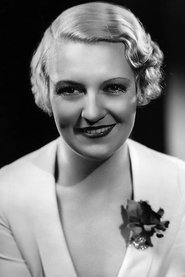 Verree TeasdaleHippolyta
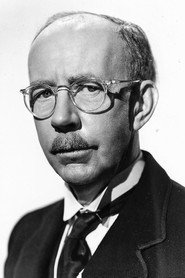 Hobart CavanaughPhilostrate
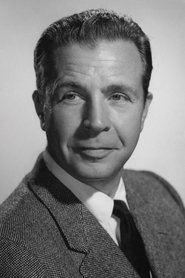 Dick PowellLysander
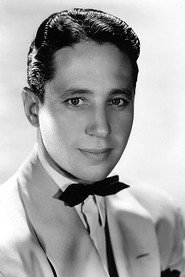 Ross AlexanderDemetrius
 Olivia de HavillandHermia
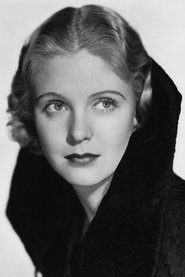 Jean MuirHelena
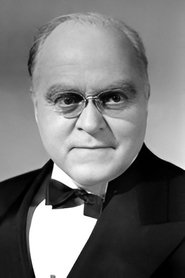 Grant MitchellEgeus
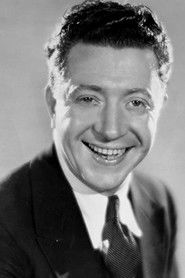 Frank McHughQuince
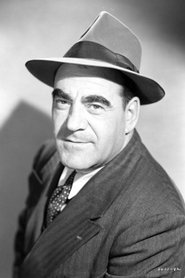 Dewey RobinsonSnug
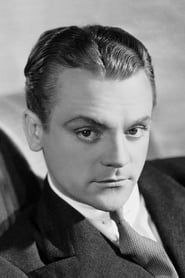 James CagneyBottom
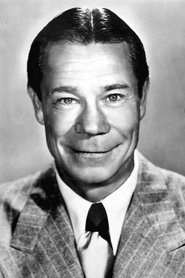 Joe E. BrownFlute
Directing
- Russell SaundersAssistant Director
- Sherry ShourdsAssistant Director
- Max ReinhardtDirector
- William DieterleDirector
Writing
- Charles KenyonScreenplay
- Mary C. McCall, Jr.Screenplay
- William ShakespeareTheatre Play
Production
- Hal B. WallisExecutive Producer
- Jack L. WarnerExecutive Producer
- Henry BlankeProducer
- Al AllebornUnit Manager
Recommended by
The Magic Flute, Smiles of a Summer Night, The Blue Bird, The Night Before Christmas, The Pied Piper, The Magic Flute, A Midsummer Night's Dream, The Scottish Play, The Men of Sherwood Forest, Samson and Delilah, Fiddlers Three