
Film
Smiles of a Summer Night
Bergman's glittering comedy about desire, marriage, and the gap between what we want and what we actually need. Four couples converge at a country estate for a summer weekend of romantic intrigue, each tangled in their own impossible longings. It's witty, exquisitely constructed, and deeply human—a film that finds both the comedy and the ache in how we love badly.
Should you watch it?
Watch it if you like sly, bawdy comedy of manners, where middle-aged romantics fumble their affairs with elegant wit and a bit of melancholy underneath.
Skip it if you want fast plotting or modern pacing; this is leisurely and talky, and its wit lives in dialogue, so the chatter can feel like a long afternoon at a country house.
What it asks of you: Settle in for just under two hours of talky, unhurried scenes, lightly melancholy rather than frantic, with the same restless couples circling each other through one night.
Not sure? Find tonight's pick in a minute.
If you liked this
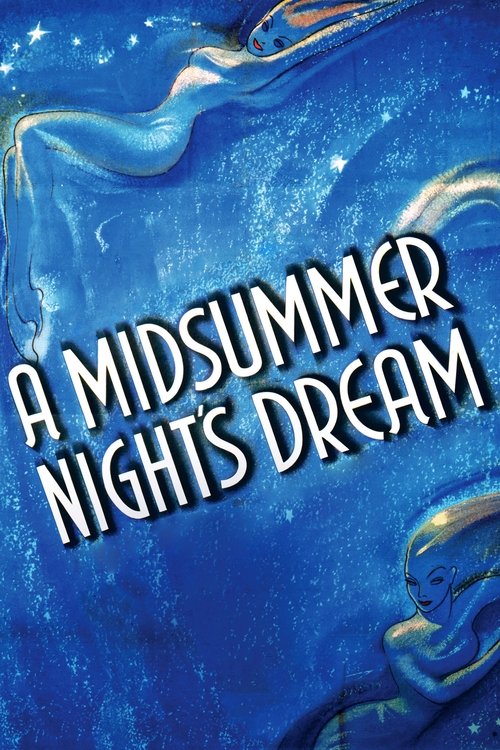
A Midsummer Night's Dream1935
Cukor's adaptation has the same enchanted-forest logic: lovers chasing wrong partners, magic intervening, everything resolved in one transformative night. The tone is closer to Bergman than you'd expect—funny and bittersweet.
But Theatrical staging can feel stagy, and the fairy subplot demands patience if Shakespeare isn't already your language.
The Philadelphia Story1940
Sophisticated romantic comedy about marriage, ex-lovers, and what we actually want versus what we think we want. Cary Grant, Katharine Hepburn, and Jimmy Stewart orbit each other with the same witty inevitability.
But The gender politics are old enough to notice, and the tonal shifts between comedy and sentiment don't always land cleanly.

Breakfast at Tiffany's1961
A woman at the centre of romantic chaos, charming and evasive, the way Désirée is. Jazz-scored New York glamour wrapping around genuine loneliness and the terror of real commitment.
But Henry Rawlins is a supporting distraction, and the pacing sometimes prioritises mood over momentum.

Not sure tonight? Get a pick in a minute, starting from Smiles of a Summer Night
The wildcard
Something you would not have found on your own.
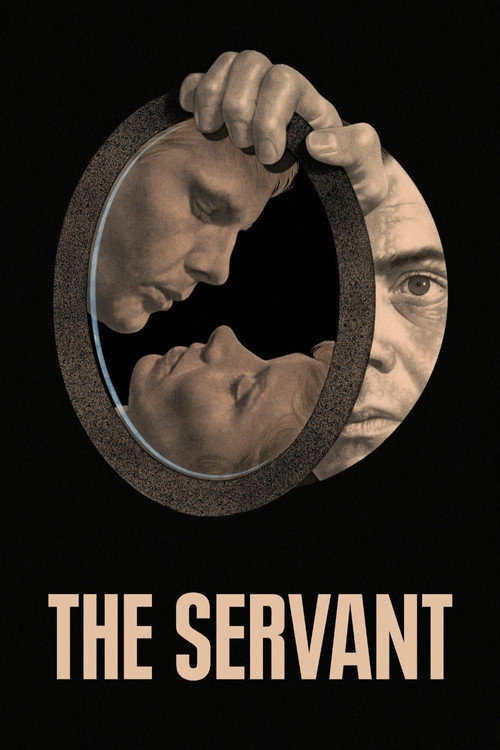
The Servant1963
Both explore desire as performance and the unbearable intimacy of marriage. Both suggest that seduction is less about attraction than about the stories we tell ourselves.
A man and woman in a stalled, expensive marriage. A mysterious servant enters and subtly destabilizes everything. It has the same architecture of desire and the same ice-water observation of how we hurt each other at close range, but as psychological thriller, not comedy. Losey makes the seduction sinister.
But It's bleak and morally murky in ways comedy never is. The eroticism is unsettling, not charming. You need to sit with discomfort.
More like this (7)
La Ronde1950
Ophüls' masterpiece about desire and hypocrisy: ten characters in a sexual circle, each scene a negotiation of power and longing. The same architecture as Smiles—interlocking couples, the revelation of duplicity, romance as farce.
But It's in French with subtitles, and the circular structure can feel cold if you're looking for a climax rather than a waltz.

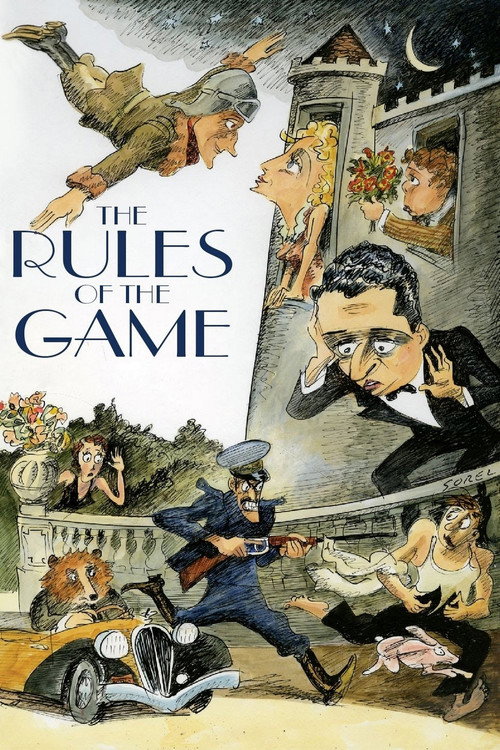
The Rules of the Game1939
Renoir's ensemble comedy about a country-house weekend where class and desire tangle inextricably. The same formal brilliance, the same sense that human nature is endlessly, tragically comic.
But It's three and a half hours, and the subtitles demand real attention; it won't play as background.
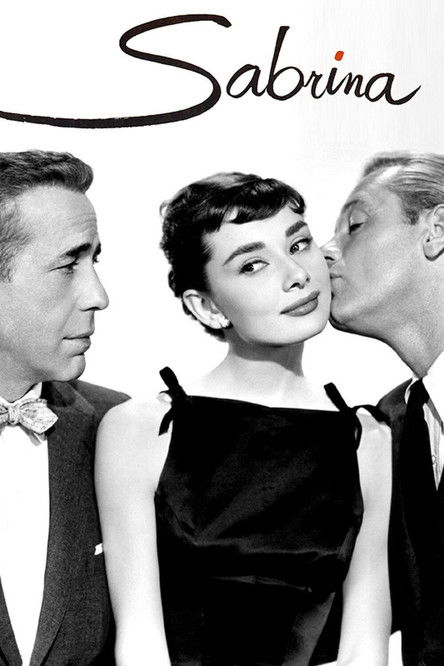
Sabrina1954
Audrey Hepburn between two Bogart and Holden. Paris-trained charm as romantic currency, the question of whether you marry for love or money wrapped in Givenchy. Light but clever about desire's mathematics.
But The resolution is neat in a way Bergman would never allow, and romantic comedy tropes are comforting rather than surprising.
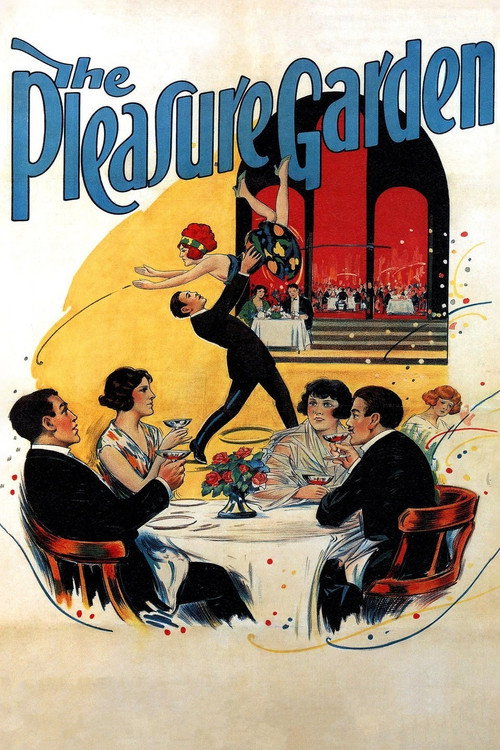
The Pleasure Garden1925
An early Hitchcock film about two showgirls, desire, and deception in the glittering 1920s. The visual sophistication and the dark undercurrent of seduction make it feel closer to Bergman than most contemporary comedies.
But Silent film pacing takes adjustment, and the melodramatic elements overshadow the comedy at points.
Champagne1928
Hitchcock's forgotten comedy about a wealthy woman courted by two suitors, misunderstanding and performance. Playful, visually inventive, and preoccupied with the gap between appearance and reality.
But Silent-era plot mechanics are creaky, and the misogyny underlying the premise is harder to overlook now.

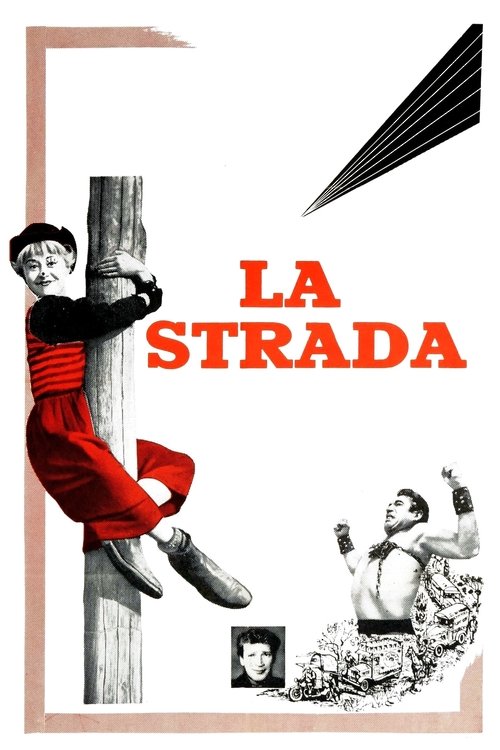
La Strada1954
Both films are about couples who cannot communicate, each locked in their own version of what the relationship means. Both find dignity and sorrow in that failure.
Fellini's circus tale: a strongman buys a young woman as his assistant, and what unfolds is heartbreak wrapped in vaudeville. Not witty—tragic and tender. But it shares Bergman's eye for how we perform ourselves in love, and the gap between the person we think we are and who we actually become.
But It's deeply sad in a way that requires emotional surrender. The pacing is dreamlike, not propulsive. Italian neorealism can feel slow if you're used to narrative momentum.
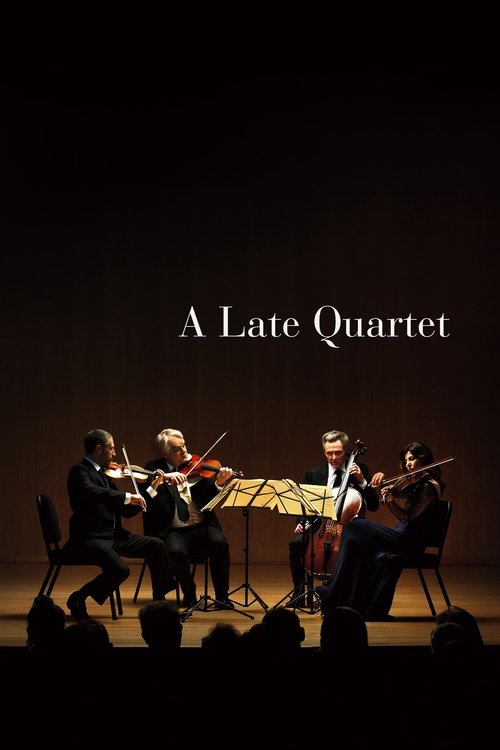
A Late Quartet2012
Both are about the exhaustion of long commitment and the strange erotic possibility that opens up when you admit things are broken. Both suggest that staying is harder and stranger than leaving.
Four musicians in a chamber quartet, thirty years together, begin to fracture when one announces he's leaving. It's a Bergman film in American drag: middle-aged desire, long marriage, the question of whether staying together is love or habit. Sharp, funny, and aching without announcing itself.
But Contemporary setting and naturalistic dialogue might feel thin compared to Bergman's formality. It has no magic, no estates—just conversation and the slow end of something.
People
Cast
 Gunnar BjörnstrandFredrik Egerman
 Ulla JacobssonAnne Egerman
 Eva DahlbeckDesirée Armfeldt
 Harriet AnderssonPetra
 Margit CarlqvistCountess Charlotte Malcolm
 Jarl KulleCount Carl Magnus Malcolm
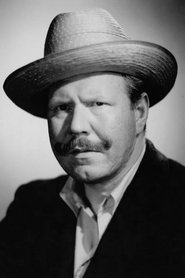 Åke FridellFrid
 Björn BjelfvenstamHenrik Egerman
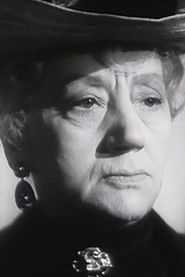 Naima WifstrandDesirée's Mother
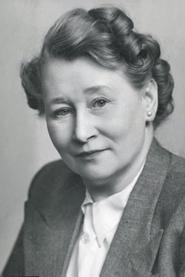 Jullan KindahlBeata
 Gull NatorpMalla
 Birgitta ValbergActress
Directing
- Ingmar BergmanDirector
- Lennart OlssonFirst Assistant Director
Writing
- Ingmar BergmanScreenplay
Production
- Allan EkelundProducer
- Gustav RogerUnit Manager
Recommended by
The Rules of the Game, A Canterbury Tale, The Bed Sitting Room, Cinderfella, The Sterile Cuckoo, Captain Clegg, Bedroom, The Magic Christian, A Lesson in Love, Cousin, Cousine, Monte Carlo or Bust!, Saint-Exupéry: La dernière mission