
Film
The Pleasure Garden
Other titles called The Pleasure Garden: the 1953 film.
A 1925 silent melodrama following two chorus girls whose lives diverge sharply—one toward respectability and happiness, the other into betrayal and despair. It's a tale of ambition, romance, and the precarious fortunes of women in the theatre world, told with the visual sophistication and moral clarity that defines the best of 1920s cinema.
If you liked this
Sunrise: A Song of Two Humans1927
A masterpiece of silent cinema about a marriage tested by temptation and urban corruption. Murnau's camera moves with breathtaking fluidity; the emotional stakes feel entirely modern despite the era.
But The pacing is deliberate and contemplative. If you're used to rapid cutting, it may feel slow, and the moralising about city life reads as dated.

The Phantom Carriage1921
A Swedish masterpiece about guilt, redemption, and spectral visitation. Stitcher's direction is inventive and moving; the emotional core transcends its supernatural premise entirely.
But The print quality varies depending on where you find it. Silent films require patience and active viewing; it won't hold your attention if you're multitasking.

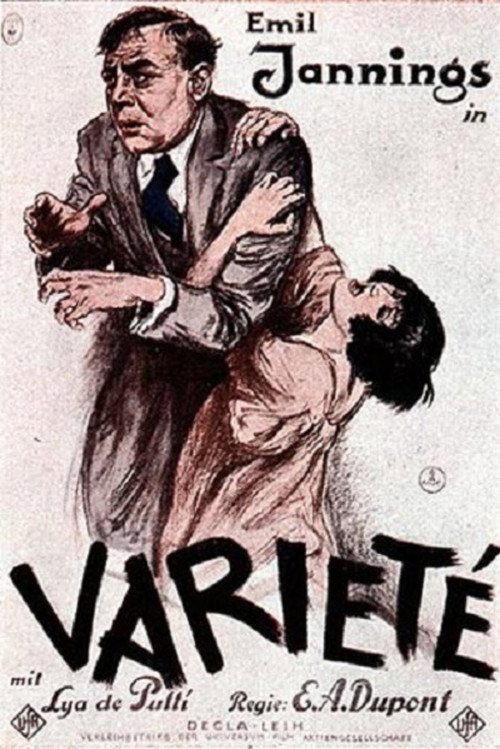
Variety1925
A dizzying love triangle set in the circus, filmed with acrobatic camera work that still astounds. Murnau again, and it's thrilling—passion and danger in constant motion.
But The melodrama is extreme, and some of the German Expressionist aesthetics may feel theatrical rather than immersive to modern eyes.
Not sure tonight? Get a pick in a minute, starting from The Pleasure Garden
The wildcard
Something you would not have found on your own.
Pandora's Box1929
Both follow women through the theatre world whose choices—sexual, romantic, ambitious—determine their fates. But where The Pleasure Garden offers moral clarity and partial redemption, Pandora's Box suggests that beauty and desire in a patriarchal world are guarantees of destruction, no matter what you choose.
Pabst's final silent film is a masterpiece of desire and doom. Louise Brooks is hypnotic as Lulu, a woman whose sexuality becomes her destiny and downfall. It's raw, modern, and sexually frank in ways that shocks even now.
But It's darker and more adult than The Pleasure Garden. The ending is genuinely tragic, and Brooks' character is sympathetic but not 'good.' Some find it difficult to watch a woman so thoroughly destroyed by circumstance and her own nature.

More like this (5)
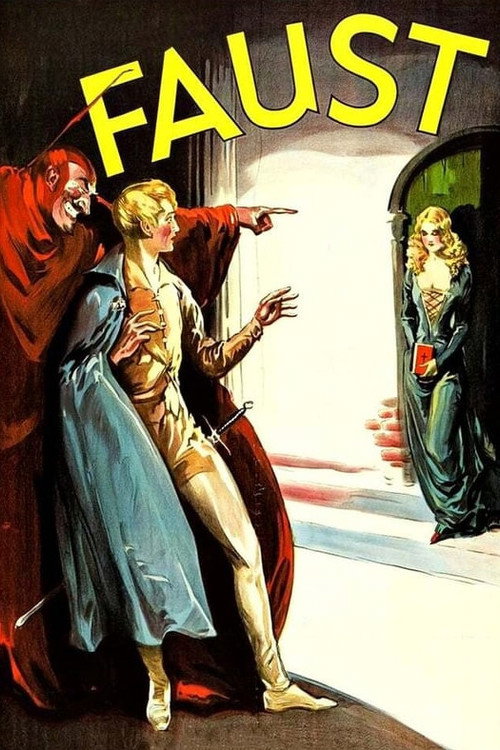
Faust1926
Murnau's final German film is visually staggering—a Faustian bargain with production design that towers over everything in the frame. A feast for the eyes even if you know the story.
But It's long, ornate, and occasionally ponderous. The special effects, though impressive, can look creaky now. Not for those allergic to artifice.
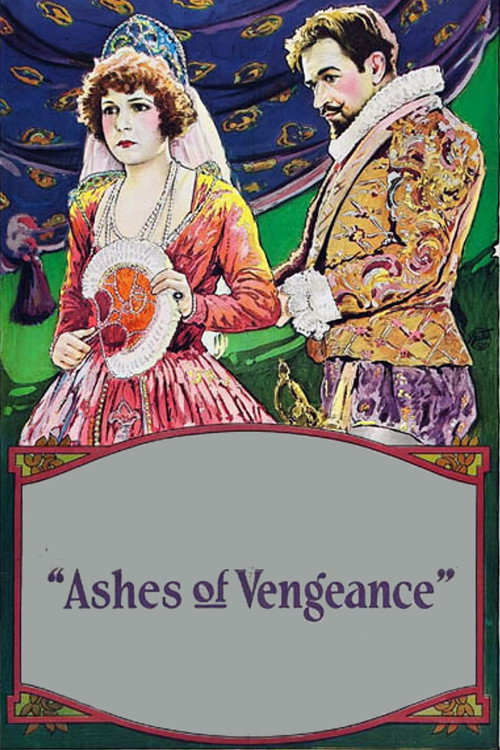
Ashes of Vengeance1923
A Polish war drama about a woman's vengeance after occupation, directed with real moral complexity. It balances personal trauma against collective suffering without easy answers.
But The historical context is dense and the ending is bleak. Silent film dialogue cards require focus and patience that modern viewers sometimes lack.
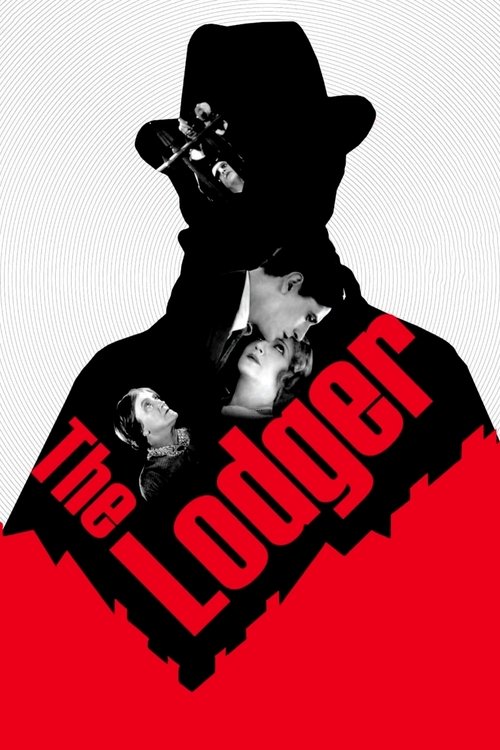
The Lodger: A Story of the London Fog1927
Hitchcock's first great film: a silent thriller about suspicion and class tension in a London boarding house. Hugely influential, genuinely creepy, and still gripping.
But The Jack the Ripper premise means it's violent for 1927, which might feel quaint now. The pacing slackens occasionally in the middle stretch.
The Last Laugh1924
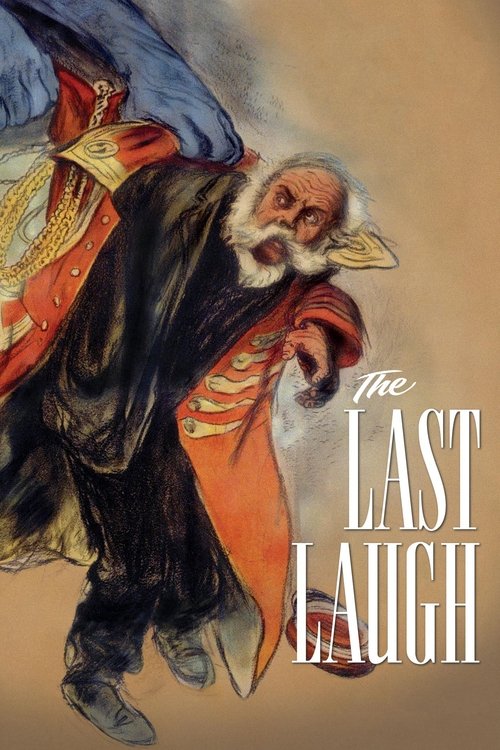
Emil Jannings gives an unforgettable performance as a hotel doorman stripped of status. Murnau's camera moves tell the story; it's almost wordless and utterly human.
But The sentimentality is thick, and the famous ending divides viewers sharply. Some find it redemptive; others find it maudlin.
Foolish Wives1922
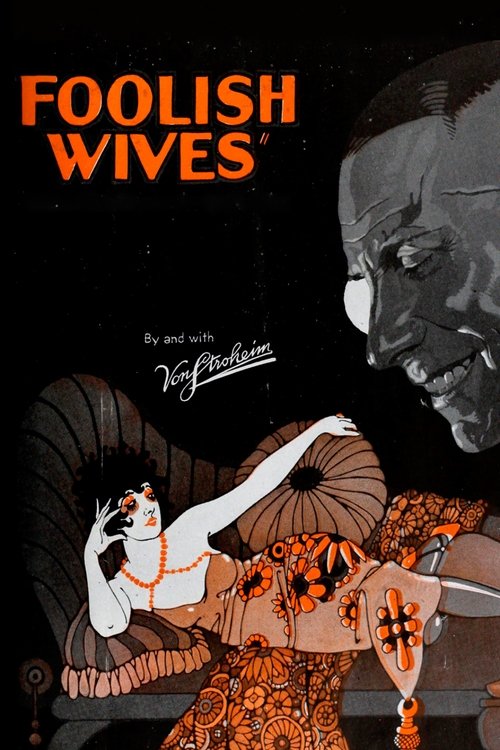
Both deploy the stage or spectacle as a frame for human drama. The Pleasure Garden is earnest about the theatre's magic; Foolish Wives uses the artificial, constructed nature of cinema itself as irony—everyone here is performing a con, and so are we watching them.
Erich von Stroheim's extravagant satire of con artists and seduction on the Côte d'Azur is visually sumptuous and genuinely funny. It's technically audacious—multiple exposures, miniatures, deep focus—and the cynicism about human nature feels modern.
But It's extremely long even by silent standards and deliberately repetitive about its themes. Some sequences feel like padding, and the moral judgment can feel smug rather than earned.
People
Cast
 Virginia ValliPatsy Brand
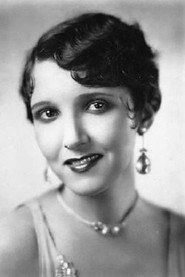 Carmelita GeraghtyJill Cheyne
 Miles ManderLevett
 John StuartHugh Fielding
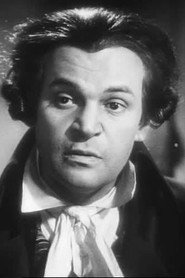 George SnellOscar Hamilton
- Frederic K. MartiniMr. Sidey
- Florence HelmingerMrs. Sidey
Directing
- Alfred HitchcockDirector
- Alma RevilleScript Supervisor
Writing
- Oliver SandysNovel
- Eliot StannardWriter
Production
- Erich PommerProducer
- Michael BalconProducer
Recommended by
Kismet, Smiles of a Summer Night, Complicated Women, The Smiling Lieutenant, Taxidermia, Saadia, Three Waltzes